

Why do cravings have such a knack for catching us off guard? One moment, you’re going about your day; the next, you can’t stop thinking about the sweet, chewy bite of raisins. If this sounds familiar, don’t worry—you’re in good company.
Cravings like these are more than just random whims. They’re often your body’s way of dropping subtle (or not-so-subtle) hints about what it needs, whether it’s a nutrient you’re missing, an emotional comfort, or a simple signal from your taste buds seeking satisfaction.
With their natural sweetness and nutritional punch, Raisins hold a particularly intriguing spot among commonly craved foods. Packed with energy-boosting sugars, fiber, and essential minerals, they’re more than just a tasty snack—they could be whispering something important about your health.
Ready to explore what’s behind your cravings? You’re about to uncover nine surprising reasons raisins might be calling your name—and what those cravings are trying to tell you.

Reason #1. Nutritional Deficiencies
Raisins are a concentrated source of iron and potassium, two essential nutrients your body needs to function correctly. Iron supports energy production by helping red blood cells carry oxygen, while potassium regulates muscle function and heartbeat.
If your diet has been low in these minerals, this craving might be your body’s way of signaling a deficiency. Feeling fatigued, weak, or experiencing muscle cramps could also be subtle signs. To dig a little deeper, try journaling your recent meals.
Do you regularly include iron-rich foods like spinach or potassium sources like bananas? Writing these details down helps you spot gaps and gives you a clear path to address them.
Reason #2. Natural Sugar Cravings

If your sweet tooth has been more active lately, raisins might be your body’s way of choosing a healthier option. Their natural sugars provide a quick energy boost without the added downsides of processed sweets.
This could be especially true if you’ve been pushing your body with strenuous activity or fasting for long periods. Your body craves energy in such moments, and the simple sugars in raisins provide a natural pick-me-up.
Take a closer look at your sugar habits by noting cravings in your food journal. Are they occurring at certain times of the day or during specific activities? Understanding these patterns can help you stay mindful and proactive about choosing balanced energy sources.
Reason #3. Emotional Comfort
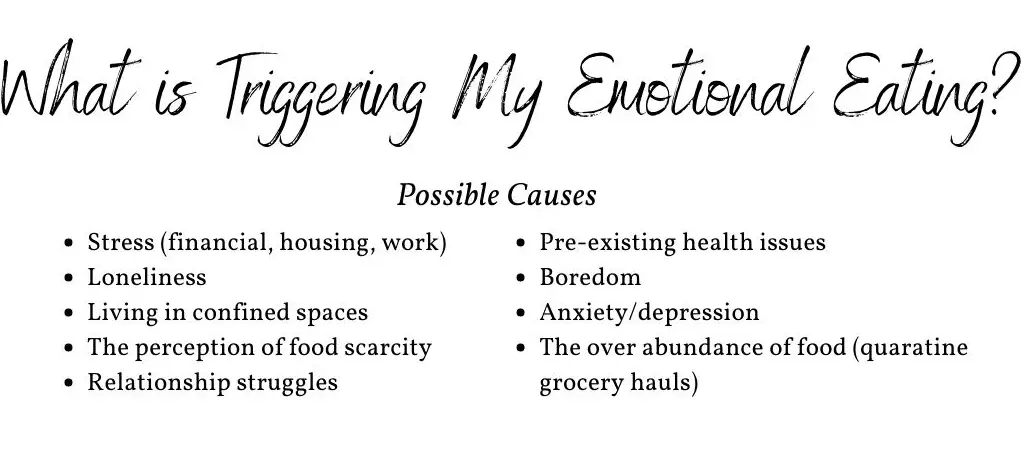
Sometimes, a craving isn’t about physical hunger—it’s tied to the heart. Raisins may remind you of comforting childhood snacks, family dinners, or cozy moments.
Food often carries emotional weight, connecting us to memories and feelings of safety. This craving might be tied to nostalgia if you’ve recently experienced stress or loneliness.
Reflect on it momentarily: Do raisins evoke warmth or a sense of happiness? Journaling these thoughts can offer insight into how emotions affect eating habits. Acknowledging these connections can help you approach them with self-compassion rather than judgment.
Reason #4. Dietary Changes

If you’ve started a new diet recently, your body might ask for familiar foods to fill any perceived gaps. Cravings often surface when the foods we usually rely on are suddenly restricted.
Raisins might feel like a ‘safe’ choice during the transition, offering balance when your body adjusts to new eating habits.
Think about what’s shifted in your diet lately—have you cut back on processed sugars, changed your meal timing, or started eating differently overall? Documenting and pairing these changes with how your cravings evolve can help you find equilibrium and ensure you’re not unintentionally depriving yourself.
Reason #5. Hydration Levels
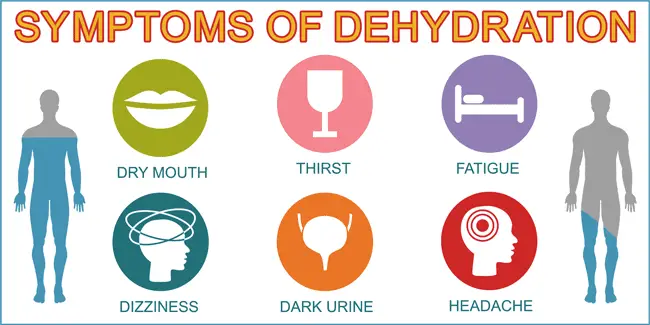
Believe it or not, your craving for raisins might signal dehydration. Dried fruits like raisins offer sweetness and texture that can mimic thirst signals.
If you’re not drinking enough water, this could be why you’re reaching for those chewy morsels. Start paying attention to how much water you drink daily and see if there’s a pattern.
A food journal can also be helpful—note whether your raisin cravings follow hot weather, intense exercise, or other signs of dehydration. Sometimes, a tall glass of water is the simplest solution.
Reason #6. Digestive Health
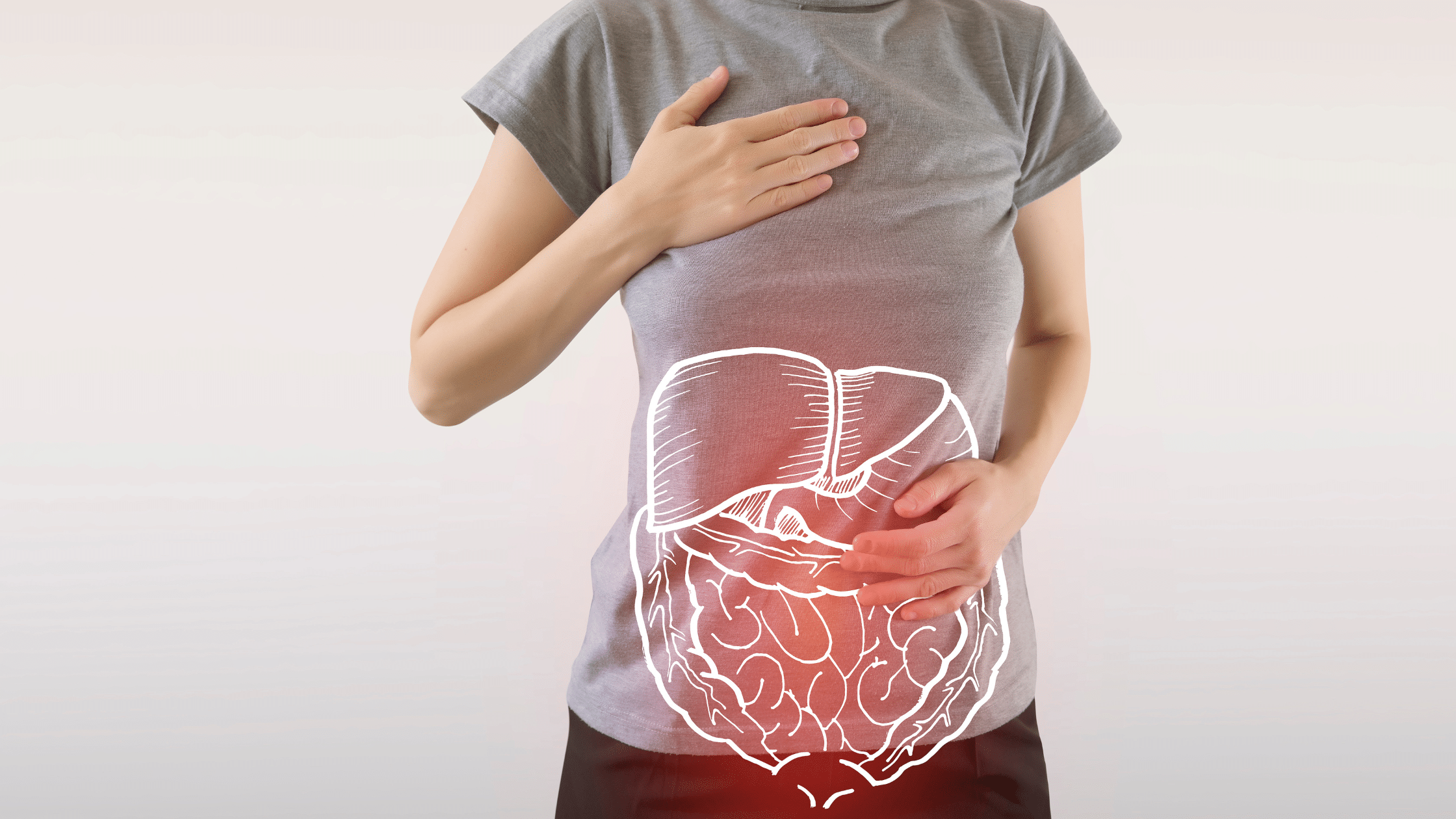
Raisins are high in fiber, which makes them an excellent ally for digestion. If your fiber intake has been low, your body might crave raisins to balance things out.
A lack of regular fruit, vegetables, or whole grains can lead to sluggish digestion, and raisins provide a convenient way to support gut health. If you’ve been feeling bloated or irregular, this craving might be your body’s hint to focus on fiber.
Consider your recent eating patterns—are you getting enough plant-based, whole-food fiber? Writing these observations in a journal can guide you toward small shifts for significant improvements.
Reason #7. Psychological Triggers
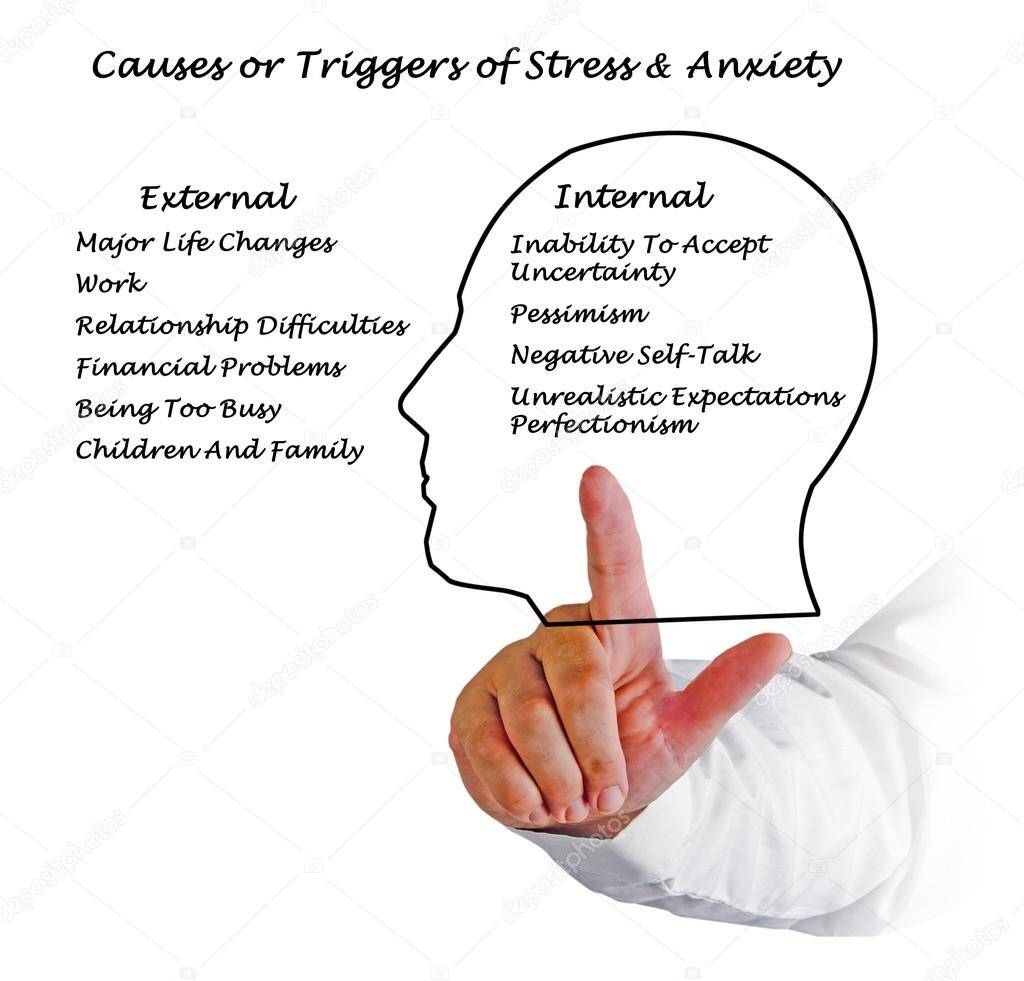
Stress and anxiety often drive us toward comforting, familiar foods, and raisins might fill that role for you.
When life feels tense, food serves as an emotional anchor, providing a quick sense of relief. If you’ve noticed this pattern, take a moment to journal your stressors and your responses to them.
How often do you find comfort through food, and is this tied to specific situations? Recognizing these triggers allows you to explore other tools—like mindfulness, movement, or deep breathing—that can complement your healthy eating habits.
Reason #8. Seasonal Availability

Sometimes, cravings align with what’s seasonally or situationally available. Raisins might become more appealing during colder months when fresh fruits are less abundant.
Their portability and long shelf life make them convenient snacks. Start noting how your diet shifts with the seasons.
Is this craving unique to specific weather or times of year? Awareness of seasonal eating patterns enriches your food journaling practice and helps you better understand your cravings.
Reason #9. Health Conditions
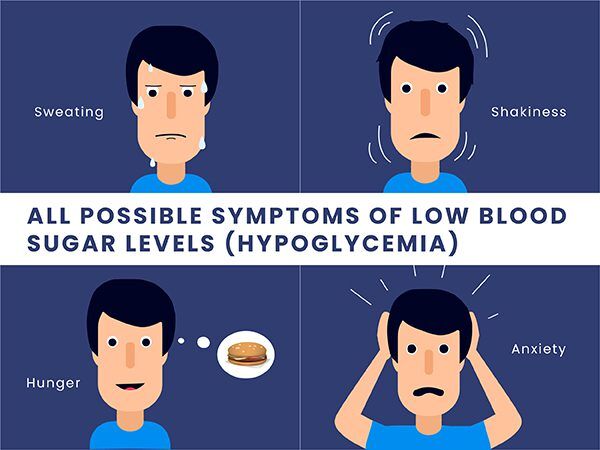
Persistent cravings can occasionally signal underlying health conditions, such as anemia or blood sugar imbalances like diabetes.
Since raisins are rich in iron and natural sugars, your body might naturally seek them to address these underlying issues. If raisin cravings linger or come with symptoms like fatigue, pale skin, or frequent hunger, it’s wise to consult a healthcare professional.
Journaling symptoms alongside cravings can also be helpful, giving both you and your provider important context.
Cravings are your body’s way of communicating. By exploring their nutritional, emotional, or lifestyle-related triggers, you gain a deeper connection to the signals your body sends.
Use journaling to untangle the “why” behind a craving and approach it with curiosity and kindness. With each insight, you’ll manage your diet and build a compassionate partnership with your body.
5 Myths About Raisin Cravings Debunked

- Cravings Mean You Need Sugar
Raisins are naturally sweet, but cravings often stem from emotional needs or habits, not a physiological sugar requirement. Instead, aim for balanced snacks. - Raisin Cravings Signal Iron Deficiency
While raisins contain iron, the amount is minimal compared to richer sources like spinach. If you suspect an iron shortfall, consult a doctor. - Cravings Are Random
Cravings often reflect emotional triggers or your body’s need for quick energy. Mindfulness or journaling can help pinpoint the root cause. - Raisins Are a “Superfood” You Can Eat Freely
Raisins are nutritious but calorie-dense. Overeating may spike blood sugar, so moderation is key for a balanced diet. - You Should Ignore Cravings
Cravings are not failures. Instead, explore the underlying “why” and satisfy them mindfully with appropriate portions.
Cravings and the Binge-Diet Cycle

Cravings often go beyond simple food desires—they can signal deeper emotional or physical needs, especially when linked to binge eating disorder (BED).
At the core of BED lies the binge-diet cycle, where restrictive eating fuels intense cravings, leading to overeating episodes filled with guilt, only to restart the pattern. This cycle is not about weak willpower but unmet needs and emotional triggers needing attention.
Breaking the Cycle with Eating Enlightenment

The Eating Enlightenment approach helps you move from reacting to cravings to understanding them through three key steps:
- Nutritional Journaling
Start by writing down what you eat and when noting how it makes you feel. For example, do you binge after skipping meals or during stressful days? This practice builds awareness and uncovers patterns that contribute to cravings. - Mindfulness of Triggers
Identify the emotions or situations—like stress or loneliness—that drive cravings. When a craving hits, pause and ask, “What am I feeling right now? What do I need?” This mindful reflection helps you explore healthier coping responses. - Healing Inner Parts
Dig deeper into the emotional roots of cravings by journaling about inner voices—like the “critic” or “comfort-seeker.” These parts often reflect unmet emotional needs. You can address these feelings with compassion, reducing their hold over your eating behaviors.
Conclusion:

Cravings, like those for raisins, often provide meaningful insights into your body’s needs and emotional state. Rather than ignoring them, take a moment to tune in and explore what your cravings might be signaling. Journaling is a powerful tool for helping uncover patterns, understand underlying triggers, and make more balanced dietary decisions.
Sometimes, persistent cravings or additional symptoms may point to deeper concerns that require professional guidance. If you find that your cravings are recurring or linked to physical or emotional stress, don’t hesitate to consult a healthcare professional for support.
Try the free Eating Enlightenment Journal App to understand your relationship with food. It’s designed to help you track cravings, reflect on your eating patterns, and build a healthier connection with food. Download it today and start your journey to a more mindful and empowered way of eating.