

Is butter the new secret to weight loss? Incorporating butter into a weight-loss regimen might sound counterintuitive to many.
After all, we’re often told that fats are the enemy. However, recent research suggests that when consumed in moderation, butter can help you shed those extra pounds.
In this post, we’ll explore how butter can be part of a healthy diet, the science behind its benefits, and actionable tips for including it in your weight-loss plan.
Let’s unravel the surprising truth about butter and weight loss together.
Understanding the Basics of Butter
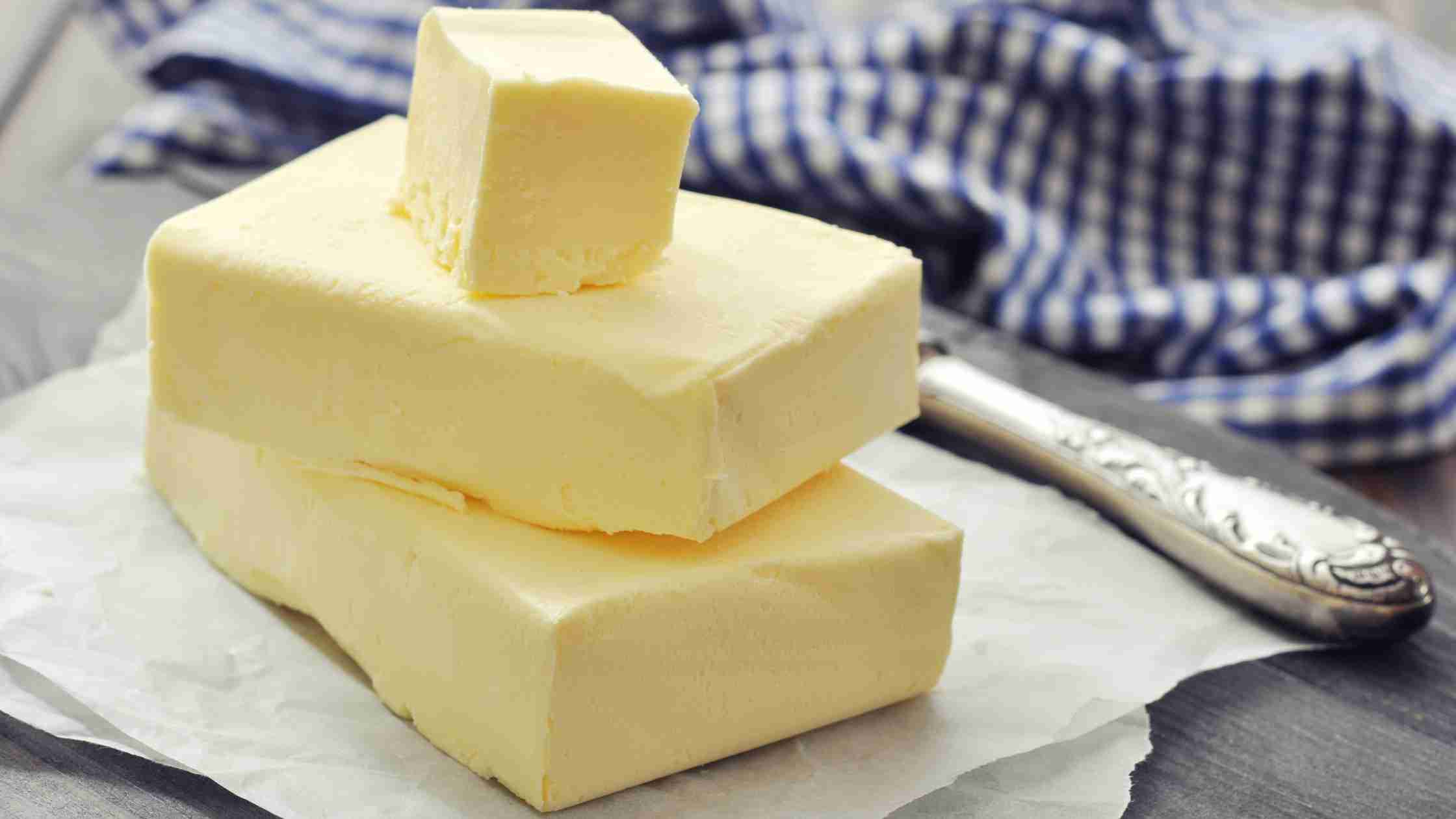
Butter is a dairy product made from churning cream. It is rich in fats, which are essential for various bodily functions.
Butter contains essential vitamins like A, D, E, and K, which are fat-soluble, meaning they are better absorbed with fats. Understanding the basics of butter can help us appreciate its place in a balanced diet.
Butter is composed mainly of saturated fats. While these have been criticized, recent studies show that not all saturated fats are harmful. Some types of saturated fats support heart health.
Additionally, butter contains butyrate, which has anti-inflammatory properties and can improve gut health.
It’s important to note that butter should be consumed in moderation. Excessive intake can lead to weight gain and health issues like any other food. A balanced approach is critical.
The Role of Fats in a Balanced Diet
Fats are one of the three macronutrients, alongside carbohydrates and proteins. They play a vital role in our bodies.
Fats provide energy, support cell growth, protect organs, and help absorb certain nutrients. They also produce essential hormones.
Including healthy fats in your diet can keep you feeling full and satisfied. This can prevent overeating and aid in weight management. Butter can contribute to your daily fat intake and support these functions when consumed appropriately.
It’s crucial to distinguish between healthy fats and unhealthy fats. Healthy fats include those found in avocados, nuts, seeds, and butter. Unhealthy fats, such as trans fats and excessive saturated fats from processed foods, should be limited.
The Science Behind Butter and Weight Loss
Recent research has begun challenging the notion that all fats are bad for weight loss. Studies indicate that certain fats, including those found in butter, can aid in weight management. But how does this work?
In several studies, butter contains conjugated linoleic acid (CLA), a type of fat linked to fat loss. CLA is believed to reduce body fat by increasing energy expenditure and promoting the breakdown of stored fat. While more research is needed, these findings are promising.
Additionally, butter’s butyrate can improve gut health. A healthy gut is crucial for weight management, influencing digestion, metabolism, and mood. By supporting gut health, butter may indirectly contribute to weight loss.
How to Incorporate Butter into Your Diet

Incorporating butter into your diet doesn’t mean you should start slathering it on everything. Balance and moderation are essential. Here are some tips for adding healthy meals.
Cooking with Butter
Butter can be a great cooking fat due to its rich flavor and high smoke point. Use it to sauté vegetables, scramble eggs, or add flavor to whole grains like quinoa or brown rice. A small amount goes a long way in enhancing the taste.
Spreading Butter
Instead of margarine or processed spreads, opt for real butter on your toast or bread. Mix butter with herbs and spices to create a flavorful spread for vegetables or meats. Remember, a bit of butter can make your meal more satisfying and enjoyable.
Adding Butter to Balanced Meals
Include butter as a meal. Pair it with lean proteins, vegetables, and whole grains. This combination can help keep you full and provide a range of nutrients. For example, a piece of whole-grain toast with a pat of butter and a serving of scrambled eggs makes a nutritious breakfast.
ALSO READ – The Role of Peanut Butter in Weight Loss: A Holistic Guide
Butter vs. Other Fats
When considering your diet, it is important to compare butter with other options. While butter has benefits, other fats like olive oil, avocado, and nuts also offer health advantages.
Olive Oil
Olive oil is rich in monounsaturated fats, known for their heart-health benefits. It also contains antioxidants and anti-inflammatory compounds. While olive oil is excellent for cooking and salads, butter can still be enjoyed for its unique flavor and benefits.
Avocado
Avocado is another excellent source of healthy fats. It’s packed with vitamins, minerals, and fiber. Avocado can be used in various dishes, from salads to smoothies. Including various healthy fats in your diet ensures you get multiple nutrients.
Nuts and Seeds
Nuts and seeds provide healthy fats, protein, and fiber. They make great snacks and can be added to meals for extra crunch. While butter offers butyrate and CLA, nuts and seeds provide unique benefits.
Addressing Common Myths
There are many myths surrounding butter and its impact on health. Addressing these misconceptions can help you make informed choices.
Myth 1: Butter Causes Weight Gain
While excessive food consumption can lead to weight gain, moderate butter intake as part of a balanced diet is unlikely to cause weight gain. It’s all about portion control and overall dietary habits.
Myth 2: Butter Is Unhealthy
Butter contains essential vitamins and beneficial fats. When chosen as part of a varied diet, it can contribute to overall health. The key is moderation and balance.
Myth 3: Butter Raises Cholesterol
Contrary to popular belief, moderate butter consumption may not significantly impact cholesterol levels for most people. However, it’s best to consult with a healthcare professional if you have specific health conditions.
Real-Life Success Stories
Hearing from individuals who have successfully incorporated butter into their weight loss journeys can be inspiring.
Susan’s Story
Susan struggled with weight loss for years. After learning about the potential benefits of butter, she started including it in her meals. It helped her feel satisfied and reduced her cravings for unhealthy snacks. Over time, Susan lost 15 pounds and felt more energized.
John’s Journey
John was hesitant to add butter to his diet due to its reputation. However, after researching its benefits, he decided to try it. He noticed improved digestion and better control over his appetite. John lost 10 pounds and felt more confident in his food choices.
Emma’s Experience
Emma used to avoid fats altogether. After understanding the importance of healthy fats, she started using butter in her cooking. She found that it made her meals more enjoyable and satisfying. Emma experienced steady weight loss and felt more balanced.
Practical Tips for Sustainable Weight Loss

While incorporating butter into your diet can be beneficial, adopting a holistic approach to weight loss is essential.
Balanced Diet
Focus on whole, nutrient-dense foods. Include a variety of fruits, vegetables, lean proteins, and healthy fats. Balance is critical to providing your body with the nutrients it needs.
Regular Exercise
Physical activity is essential for weight management and overall health. Find activities you enjoy, whether walking, dancing, or strength training. Aim for at least 150 minutes of moderate exercise per week.
Mindful Eating
Pay attention to your body’s hunger and fullness cues. Avoid distractions while eating and savor each bite. Mindful eating can help prevent overeating and promote a healthier relationship with food.
Conclusion
Butter, long vilified in the dieting world, has surprisingly positive attributes when consumed in moderation.
The unique composition of beneficial fats and essential vitamins can contribute to weight loss and overall health. By understanding how to incorporate butter into a balanced diet, you can enjoy its rich flavor and reap its benefits.
Remember, weight loss is a personal journey. What works for one person may only work for one person. Listening to your body and making choices that align with your needs and goals is essential.
If you’re interested in exploring more about healthy eating and weight loss strategies, consider booking a consultation with one of our nutrition experts. We’re here to support you on your path to wellness.
Thank you for joining us in uncovering the truth about butter and weight loss. Here’s to a healthier, happier you!
FAQs:
Does eating butter help me lose weight?
Eating butter in moderation can be part of a balanced diet, but it alone won’t lead to weight loss. For sustainable results, focus on holistic wellness, including a nutrient-rich diet and regular physical activity.
Which butter for weight loss?
For weight loss, consider using grass-fed butter in moderation. It’s rich in nutrients and healthy fats. Remember, balance and holistic wellness are critical to your journey.
How much peanut butter for weight loss?
Enjoying one to two tablespoons of peanut butter daily can support your weight loss journey. It’s nutrient-dense and satisfying.
What butter is good for weight loss?
For weight loss, try ghee or grass-fed butter. They offer healthy fats in moderation. Balance them with a varied, nutritious diet for holistic well-being.
Can I eat butter for weight loss?
Yes, you can eat butter in moderation for weight loss. Choose nutrient-rich options like grass-fed butter. Balance it with a holistic, healthy diet.
Are butter beans good for weight loss?
Yes, butter beans are great for weight loss. They’re high in fiber and protein, keeping you full longer.