


Remember that moment when you spread a golden, creamy substance on your toast and wondered, “Is this good for me?” Butter and margarine have been staples in kitchens for generations, each with its history and impact on our diets.
Butter, derived from cream, boasts a rich culinary tradition dating back thousands of years. Margarine, created as a butter substitute, emerged in the 19th century and quickly became a popular alternative.
This article will explore the differences between butter and margarine, examining their nutritional content, culinary uses, health implications, and more.
Whether you’re a foodie or a health-conscious consumer, this guide will help you make informed choices about what to spread on your bread.
Nutritional Comparison

Butter and margarine differ significantly in terms of nutrition. Understanding these differences can help you choose the right one for your diet.
Fat Content
Butter is high in saturated fats, which can raise LDL cholesterol levels. One tablespoon of butter contains about 7 grams of saturated fat. Margarine, on the other hand, varies widely in fat content. Some margarines are made from vegetable oils, which contain unsaturated fats. These unsaturated fats can be beneficial for heart health. However, some margarines contain trans fats, which are harmful and should be avoided. Always check the label to know what you’re consuming.
Types of Fats
Butter’s saturated fats come primarily from animal sources. Margarine, especially those labeled as trans-fat-free, contains more polyunsaturated and monounsaturated fats.
These fats are derived from plant oils such as soybean, canola, and olive oil. These healthier fats can help lower bad cholesterol (LDL) and raise good cholesterol (HDL), contributing to better heart health.
Impact on Cholesterol
While butter can raise LDL and HDL cholesterol levels, its high saturated fat content may still pose a risk for heart disease if consumed in large amounts. Margarine, particularly those with high levels of trans fats, can significantly increase LDL cholesterol while decreasing HDL cholesterol, making it even worse for heart health. Opting for trans-fat-free margarine with healthy fats can be a better choice for managing cholesterol levels.
Culinary Use
Butter and margarine each bring unique qualities, especially in cooking and baking.
Taste and Texture
Butter is known for its rich, creamy taste and smooth texture, enhancing the dishes’ flavor. It melts beautifully and adds a luxurious mouthfeel to baked goods and sauces. Depending on its formulation, Margarine can mimic butter’s taste and texture but may lack the same richness. Some margarines are designed to spread quickly, making them convenient for sandwiches and toast.
Application in Cooking
Butter is favored in many recipes for its ability to enhance flavors. It’s perfect for sautéing, baking, and creating sauces. When butter browns, the Maillard reaction adds a delicious nuttiness to dishes. Margarine can be used similarly but may not provide the same depth of flavor. Some margarines are formulated explicitly for high-heat cooking, making them a suitable option for frying.
Baking with Butter and Margarine
Butter’s water content and fat composition are crucial for texture and flavor in baking. It creates flaky pastries, tender cakes, and decadent cookies. Margarine can be a butter substitute in many baked goods, but the results may vary. Some bakers prefer margarine for its consistent texture and ability to produce softer cookies. However, choosing a margarine with a similar fat content to butter is essential to achieve the best results.
Health Considerations
The health implications of consuming butter versus margarine are a topic of ongoing debate. Here’s what you need to know.
Heart Health
Butter’s high saturated fat content can increase the risk of heart disease if consumed excessively. It raises LDL cholesterol, which can lead to plaque buildup in arteries. Margarine can be a heart-healthier option, particularly from healthy plant oils. However, it’s crucial to avoid margarines with trans fats, which are even more detrimental to heart health.
Weight Management
Both butter and margarine are calorie-dense, with approximately 100 calories per tablespoon. Overconsumption of either can contribute to weight gain. Choosing a margarine with healthier fats may support weight management goals. Additionally, using these spreads in moderation and opting for low-calorie alternatives can help maintain a healthy weight.
Overall Well-Being
Mindful consumption makes it possible to include butter and margarine in a balanced diet. Butter provides essential fat-soluble vitamins like A, D, E, and K. Margarine may be fortified with additional vitamins and minerals, offering nutritional benefits. Prioritizing whole foods, fruits, vegetables, lean proteins, and whole grains over processed spreads can support overall well-being.
Environmental and Social Impact

The production and consumption of butter and margarine have distinct environmental and social implications.
Environmental Concerns
Butter production has a significant environmental footprint due to the resources required for raising dairy cattle. It involves high water usage, greenhouse gas emissions, and land degradation.
Margarine, primarily made from plant oils, has a lower environmental impact. However, cultivating certain oils, like palm oil, can lead to deforestation and habitat loss. Choosing margarines made from sustainably sourced oils can mitigate these effects.
Social Impact
The dairy industry plays a vital role in many agricultural economies, providing livelihoods for farmers and workers. Supporting local dairy producers can have positive social impacts. Margarine production, on the other hand, can help farmers growing plant-based crops. Ensuring fair trade practices and sustainable sourcing can benefit communities involved in both industries.
Ethical Considerations
Ethical considerations may influence your choice between butter and margarine. Some consumers prefer butter for its traditional and natural production methods. Others opt for margarine due to concerns about animal welfare and the environmental impact of dairy farming. Understanding the ethical implications of your choices can guide you toward products aligned with your values.
Making Informed Choices
Choosing between butter and margarine requires careful consideration of various factors. Here are some tips to help you make informed decisions.
Reading Labels
Always read the labels of butter and margarine products. Look for crucial information such as fat content, types of fats, and presence of trans fats. Understanding these details can help you select products that align with your dietary preferences and health goals.
Moderation and Balance
Both butter and margarine can be part of a healthy diet when consumed in moderation. Balance is key.
Incorporate a variety of healthy fats from sources like nuts, seeds, avocados, and olive oil. This approach ensures you receive a range of nutrients and beneficial fats.
Personal Preferences
Ultimately, your choice between butter and margarine may come from personal preferences. Taste, texture, and culinary uses are individual considerations. Experiment with both to find the best for your cooking and dietary needs.
Is margarine a healthier alternative to butter?
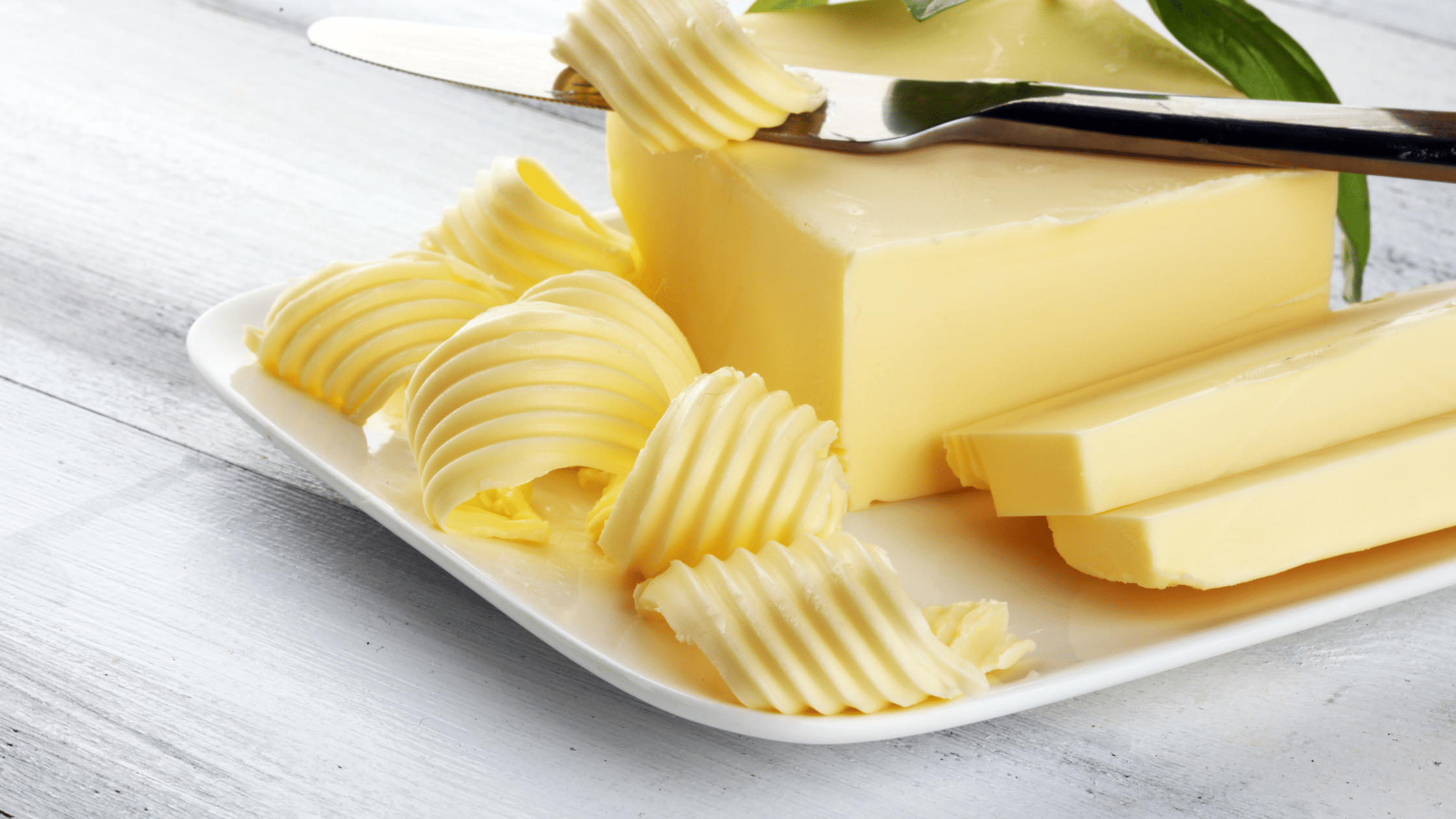
Margarine can be a healthier alternative to butter, particularly regarding heart health. Made primarily from vegetable oils, margarine often contains more unsaturated fats known to support cardiovascular well-being.
This makes it a good choice for those looking to reduce their intake of saturated fats found in butter.
It’s essential to choose margarines that are free from trans fats and contain beneficial ingredients. Many options now offer added nutrients, like omega-3 fatty acids, which further enhance their health benefits.
Remember, everyone’s health journey is unique. Selecting margarine over butter can be a compassionate and empowering step towards nurturing your body. It’s about making mindful choices that align with your personal wellness goals.
Why would you use butter substituted with margarine?
Using margarine as a substitute for butter can be a thoughtful choice on your journey towards healthier living. Margarine is often made from vegetable oils, which can provide beneficial unsaturated fats that support heart health.
This makes it a suitable option for those looking to manage cholesterol levels or reduce their intake of saturated fats.
Margarine is also versatile in the kitchen. It can easily replace butter in cooking and baking, providing a similar texture and taste.
Many margarines offer a dairy-free alternative for individuals with lactose intolerance or dairy allergies, allowing them to enjoy their favorite recipes without discomfort.
Choosing margarine reflects an awareness of the interconnected aspects of wellness. It’s a small but meaningful step towards nourishing your body while being mindful of your overall health.
Remember, your path to well-being is unique, and making informed, compassionate choices like this can help you thrive.
Does butter taste similar to margarine?
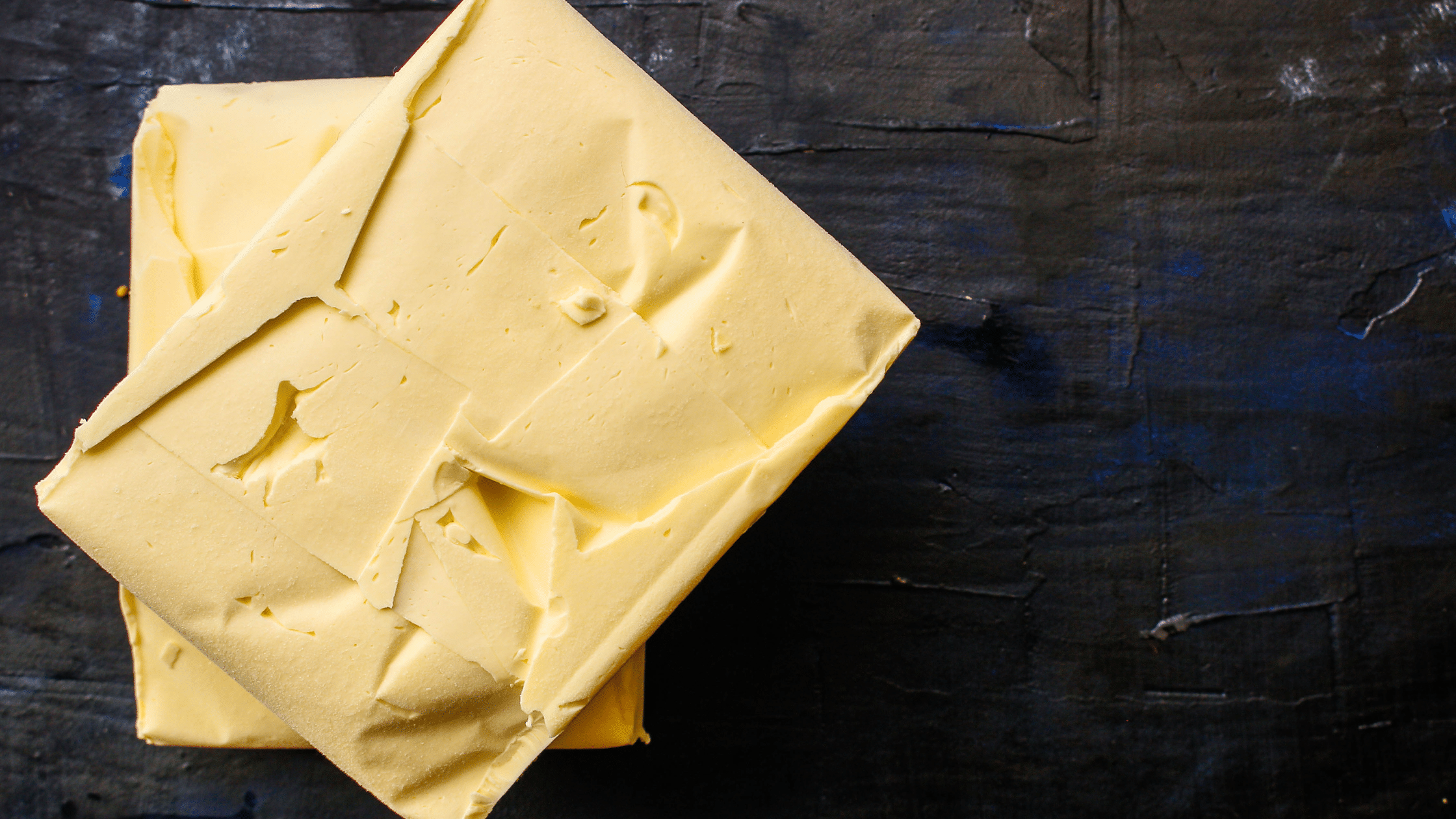
Butter and margarine have distinct tastes, although they can be pretty similar. Butter, made from cream, has a rich, creamy flavor many enjoy. Conversely, Margarine is made from vegetable oils and often includes added flavors to mimic butter.
While margarine aims to replicate the taste of butter, subtle differences might be noticeable. Some margarines are crafted to be nearly indistinguishable from butter in both flavor and texture. However, the choice between butter and margarine often comes down to personal preferences and dietary needs.
If you are exploring healthier habits or managing specific health conditions, margarine can be a suitable alternative due to its lower saturated fat content. Ultimately, the best choice is the one that aligns with your wellness journey and culinary preferences.
What is the purpose of margarine?
Margarine is a versatile alternative to butter. It is designed to provide a similar taste and texture while often being lower in saturated fats. Margarine is made primarily from vegetable oils, which can benefit heart health when consumed in moderation. It can be used in cooking and baking, spread on bread, or incorporated into various recipes.
Margarine offers a practical option for those looking to manage their cholesterol levels or reduce their intake of animal fats. It is also suitable for individuals with lactose intolerance or dairy allergies, as many margarines are dairy-free. By selecting varieties that contain healthy fats and fewer additives, one can enjoy the benefits of margarine as part of a balanced diet.
Conclusion
Butter and margarine have unique attributes, nutritional profiles, and health implications. Understanding the differences can empower you to make choices that align with your health goals and values.
Whether you prefer the rich, creamy taste of butter or the heart-healthier option of margarine, moderation and balance are key. Remember to read labels, consider environmental and ethical factors, and prioritize whole foods.
Ready to explore more about healthy eating and cooking? Discover recipes, tips, and expert advice to enhance your culinary journey. Join our community of food enthusiasts and take the next step towards a healthier, more informed lifestyle.