


Rice is a staple food in many cultures and a versatile ingredient in countless dishes.
Whether new to cooking or a seasoned chef, understanding how to transform one cup of dry rice into a fluffy, delicious meal can enhance your culinary confidence and open up a world of recipe possibilities.
This guide is tailored for anyone curious about the magic that happens when dry rice meets water and heat.
The Basics of Cooking Rice

Cooking rice might seem straightforward, but achieving the perfect texture requires understanding a few essential principles.
When you start with one cup of dry rice, it undergoes a transformation that doubles or even triples its volume.
Why Rice Expands
Rice expands due to water absorption. Each grain absorbs water, swelling, and softening until it is cooked.
This expansion means that one cup of dry rice usually yields about three cups of cooked rice, depending on the type of rice and cooking method.
Types of Rice and Their Characteristics
Different types of rice are absorbed and cooked differently. Here’s a quick overview:
- Long-Grain Rice: Includes varieties like basmati and jasmine. They tend to stay separate and fluffy when cooked.
- Medium-Grain Rice: Includes risotto and sushi rice. They are slightly stickier than long-grain varieties.
- Short-Grain Rice: Arborio and sticky rice are very sticky and clump together.
- Brown Rice Is whole-grain rice with the bran layer intact. It has a nuttier flavor and chewier texture.
Understanding Rice Ratios
The general rule for cooking rice is using a 1:2 ratio—one cup of dry rice to two cups of water. However, this can vary slightly with different types of rice.
Brown rice, for example, may require more water and a longer cooking time than white rice.
Is one cup of dry rice equal to two cups of cooked rice?
One cup of dry rice typically yields about two cups of cooked rice, but the exact amount can vary slightly depending on the type of rice and cooking method.
Consistency in measuring and preparation helps achieve the best results for your meals.
1 cup dry rice for every calorie cooked
When cooked, one cup of dry rice typically provides about 200 calories. However, this amount can vary slightly depending on the type of rice and preparation method.
Preparing to Cook Rice
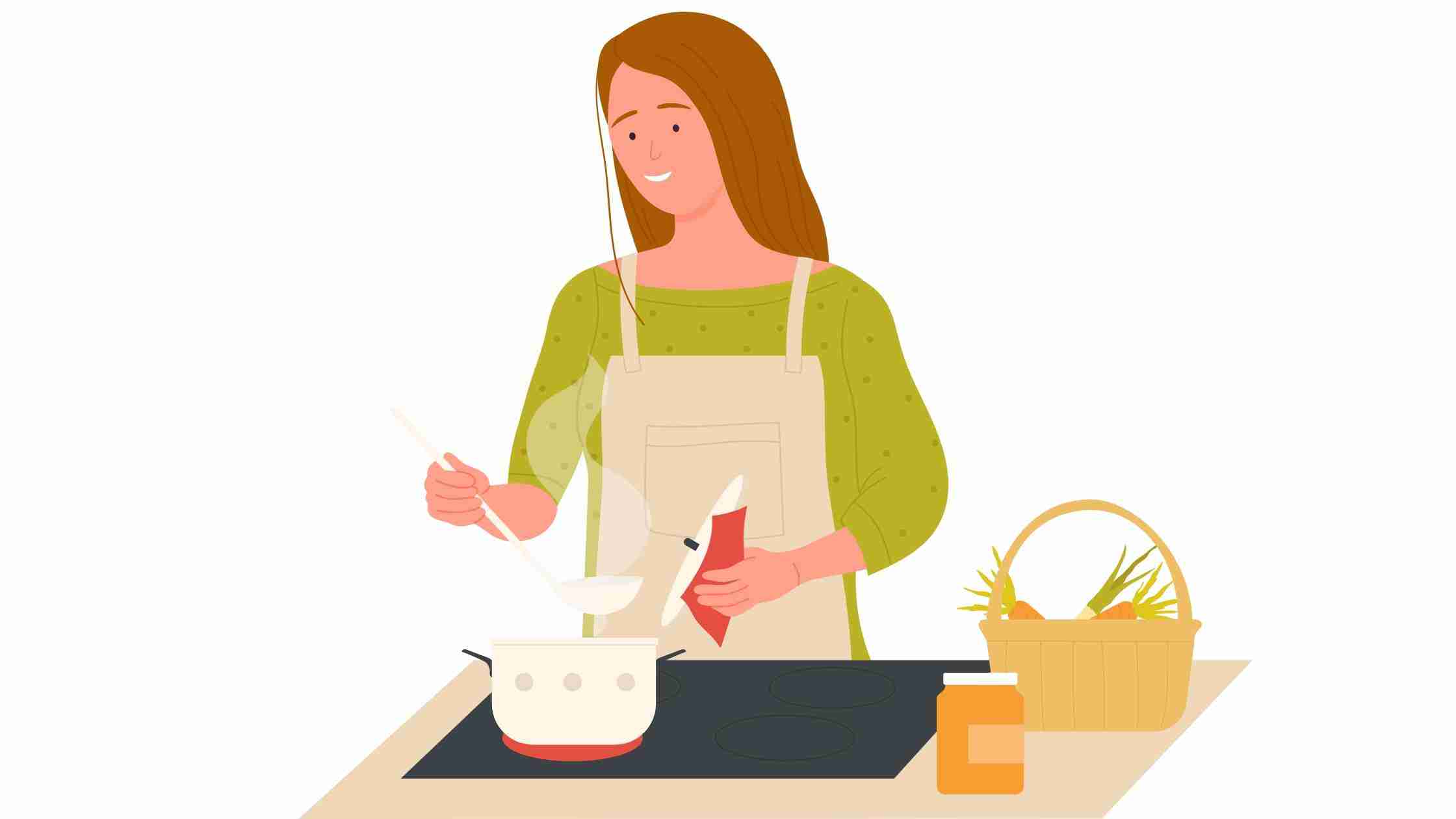
Proper preparation is critical to achieving perfect rice. This section will walk you through the necessary steps before cooking.
Measuring Your Rice and Water
Accurate measurement ensures consistent results. Measure one cup of dry rice using a standard measuring cup. Then, measure the appropriate amount of water based on the type of rice you’re using.
Rinsing Your Rice
Rinsing rice removes excess starch, which can make rice gummy. Place the rice in a fine mesh strainer and rinse under cold running water until the water runs clear. This is especially important for long-grain white rice.
Choosing the Right Pot
A heavy-bottomed pot with a tight-fitting lid is ideal for cooking rice. The thick bottom ensures even heat distribution, and the tight lid keeps the steam in, which is essential for proper cooking.
ALSO READ – White Rice Bowl Calories: How to Enjoy Nutritious Meals
Cooking Methods for Perfect Rice
Several methods can be used to cook rice, each with unique benefits. Here, we’ll explore three popular techniques.
Stove-Top Method
The stove-top method is traditional and straightforward. Here’s how to do it:
- Combine the rice and water in a pot.
- Bring to a boil over medium-high heat.
- Once boiling, reduce the heat to low, cover, and simmer for 18-20 minutes (for white rice).
- Remove from heat and let it sit, covered, for 5 minutes.
- Fluff with a fork and serve.
Rice Cooker Method
Rice cookers take the guesswork out of cooking rice. Follow these steps:
- Add the rinsed rice and water to the rice cooker.
- Close the lid and select the appropriate setting.
- Once the rice cooker indicates the rice is done, let it sit for a few minutes.
- Fluff with a fork and enjoy.
Instant Pot Method
For those who love efficiency, the Instant Pot is a great option:
- Combine one cup of rinsed rice with one cup of water in the Instant Pot.
- Seal the lid and set it to high pressure for 3-4 minutes.
- Allow a natural release for 10 minutes, then quickly release any remaining pressure.
- Fluff with a fork and serve.
Enhancing Your Rice
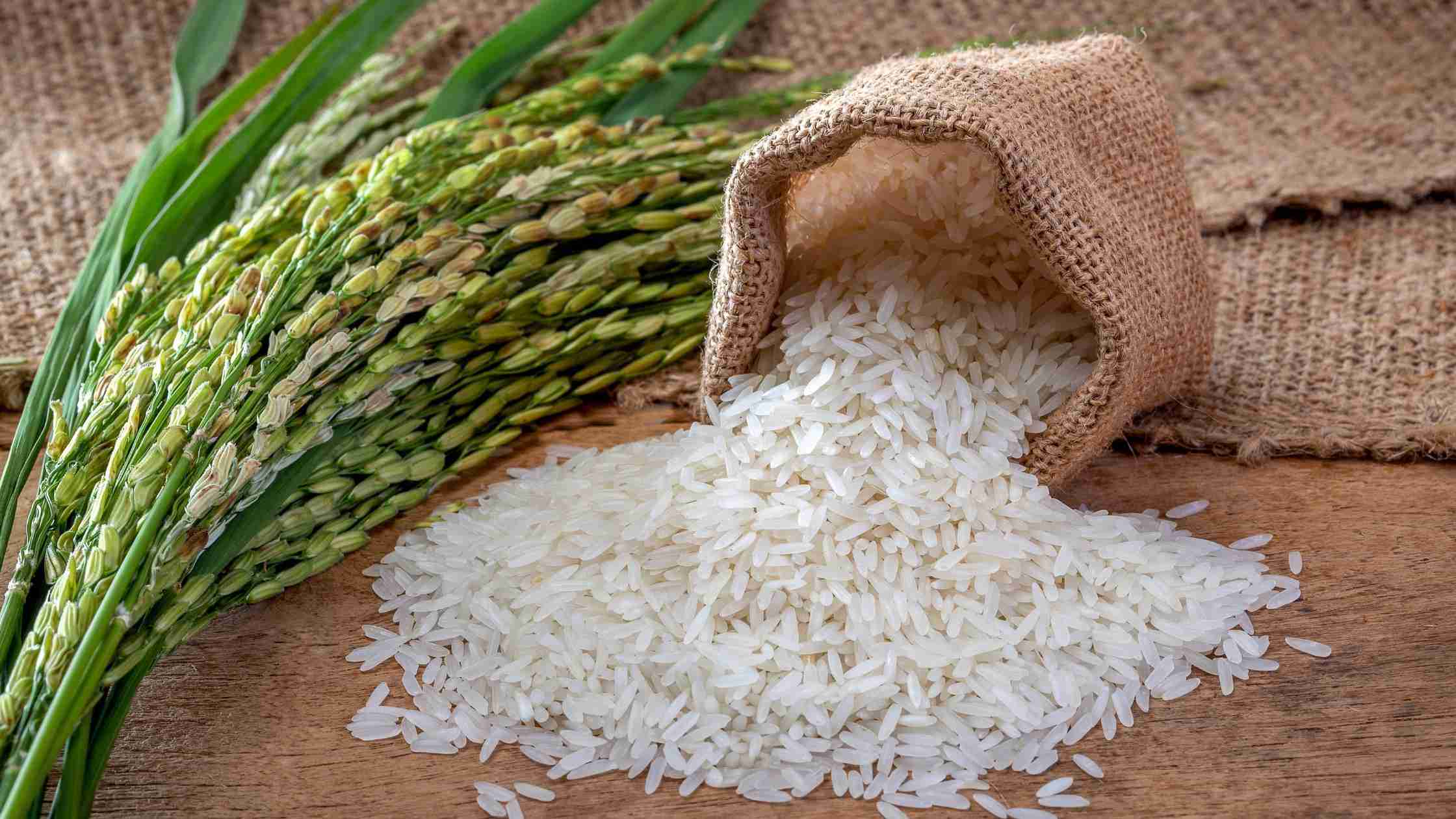
Cooking perfect rice is just the beginning. You can take your rice to the next level with a few simple enhancements.
Adding Flavor
For extra flavor, add a pinch of salt, a pat of butter, or olive oil to the cooking water. You can also cook the rice in broth instead of water.
Infusing Aromatics
Introduce aromatics like garlic, onion, or herbs to the pot for added depth of flavor. Sauté these in a bit of oil before adding the rice and water.
Mixing in Vegetables
For a nutritious twist, stir in vegetables like peas, carrots, or bell peppers during the final minutes of cooking.
Common Rice Cooking Challenges
Even seasoned cooks encounter challenges when cooking rice. Here are some common issues and solutions.
Fixing Under-Cooked Rice
Add more water and cook on low heat if your rice is undercooked. Cover and check periodically until the rice is tender.
Resolving Over-Cooked Rice
If your rice is too mushy, spread it on a baking sheet and place it in a warm oven for a few minutes. This can help dry it out.
Preventing Sticky Rice
To avoid sticky rice, rinse it thoroughly before cooking and avoid stirring it too much during cooking.
Storing and Reheating Rice
Knowing how to store and reheat rice properly ensures you can enjoy your leftovers without compromising quality.
Proper Storage
Store cooked rice in an airtight container in the refrigerator. It will keep for up to 5 days.
Reheating Techniques
Reheat rice in the microwave with a damp paper towel to retain moisture. Alternatively, you can reheat it on the stove with a splash of water, stirring occasionally.
Freezing Leftover Rice
For more extended storage, freeze cooked rice in portion-sized bags. It will keep for up to 3 months. Thaw in the refrigerator overnight before reheating.
Nutritional Benefits of Rice
Rice is not just a versatile ingredient; it also offers nutritional benefits that can support a balanced diet.
Carbohydrate Source
Rice is an excellent source of carbohydrates, providing energy for your daily activities. Choose whole-grain options like brown rice for added fiber and nutrients.
Low in Fat
Most rice varieties are naturally low in fat, making them a heart-healthy choice.
Gluten-Free Option
Rice is naturally gluten-free, making it an excellent option for those with gluten sensitivities or celiac disease.
Creative Rice Recipes
Ready to improve your rice skills? Here are a few creative recipes you can try at home.
Rice Pilaf
Sauté onions and garlic in butter. Add rice and cook in chicken broth. Toss in toasted almonds and parsley for a delicious side dish.
Fried Rice
Use leftover rice to make fried rice. Sauté vegetables, scrambled eggs, and your choice of protein, then stir in the rice and soy sauce.
Rice Pudding
Combine cooked rice with milk, sugar, and vanilla extract. Simmer until thick and creamy, then top with cinnamon for a comforting dessert.
Conclusion

Understanding how to cook rice ideally is a valuable skill that can elevate your home cooking. You can create delicious meals that impress family and friends by mastering the basics and experimenting with different techniques and flavors.
Remember, the key to great rice starts with proper preparation and attention to detail. Enjoy your culinary adventures and happy cooking!
FAQ:
To cook in a rice cooker, add one cup of dry rice.
Add one cup of dry rice and two cups of water to cook in a rice cooker. Set the cooker to its standard cooking cycle. Let it rest for a few minutes after cooking to achieve perfect texture.
50g of raw rice to the weight of cooked rice
Fifty grams of raw rice typically yields about 150 grams of cooked rice, but this can vary slightly depending on the type of rice and cooking method used.
For 100g of cooked rice, how much dry rice is needed?
To make 100 grams of cooked rice, you generally need about 33 grams of dry rice. This conversion can vary depending on the type of rice and cooking method. Remember to measure carefully for consistent results.