


In recent years, you may have come across headlines touting the many benefits of vitamin B12. This essential nutrient is critical in maintaining proper nerve function, protecting against cancer risk, protecting against pernicious anemia, and promoting healthy skin and hair.
While getting enough vitamin B12 is essential for overall health, excessive levels may be cause for concern in some cases. If your doctor recently informed you that you have high vitamin B12 levels, you may wonder what comes next. Fortunately, there are steps you can take to address this issue and maintain optimal health.
The first step in addressing what is the treatment for high vitamin B12 levels is to identify the underlying cause. Some potential causes of elevated B12 levels include liver or kidney disease, certain types of cancer, or even taking high doses of supplements without medical supervision. If your doctor determines that a medical condition is responsible for your high B12 levels, treatment will focus on addressing that underlying issue.
If no medical condition is identified, your doctor may recommend decreasing your intake of Vitamin B12-rich foods or supplements. This may include cutting back on fortified cereals, animal products, and multivitamins.
While it may be tough to change your diet, dietary supplements, or supplement regimen, it’s important to ensure your B12 levels return to normal.
In some cases, high B12 levels may result from absorbing too much of the nutrient. This can occur due to surgery to remove part of the stomach or small intestine, disrupting the body’s ability to absorb nutrients.
If your doctor determines that absorption issues are responsible for your high B12 levels, they may recommend an alternative method of B12 administration, such as injection or nasal spray.
Another potential cause of elevated B12 levels is an underlying genetic condition called “polycythemia vera.” People with this condition have too many red blood cells, which can, in turn, cause higher than average B12 levels. If your doctor suspects you may have this condition, they may perform blood tests or bone marrow tests to confirm the diagnosis. Treatment for polycythemia vera may involve regular blood draws or medication.
What should I do if my B12 level is high?

It sounds like you’re feeling a bit concerned about high B12 levels. That’s perfectly okay – worrying when something in our body seems off is natural.
First things first, don’t panic. High B12 levels could be due to a variety of reasons. It could be as simple as taking too many supplements or eating a diet rich in B12. It could also be due to specific health conditions.
Now, what should you do? Well, the best action is to talk to a healthcare professional. They can help figure out why your B12 level might be high and guide you on what to do next.
Remember, it’s okay to ask questions and seek help. This is your health we’re talking about – and that’s worth fighting for. You’re not alone in this journey. Stay strong and take things one step at a time.
How do you reduce high B12?

Firstly, if you’re taking B12 supplements or have a diet rich in B12, consider reducing that. It might help bring your B12 levels back to normal. But remember, don’t make any drastic changes without talking to a healthcare professional first.
Secondly, reach out to a healthcare provider. They can guide you through this journey and help you understand why your B12 levels are high. Trust me, talking to professionals can make all the difference.
Lastly, take a deep breath and believe in yourself. You’re capable of handling this. You’ve got the strength within you, just waiting to be tapped into.
Remember, it’s okay to ask for help and seek advice. This is your health, and it’s important. Take it one step at a time, and know I’m rooting for you.
What happens if your body is high in B12?

Firstly, did you know that B12 is a vital vitamin for our bodies? It helps keep our nerve cells healthy and plays a crucial role in creating our DNA. But like most things in life, balance is key. So what happens when there’s too much of it?
Well, usually, our bodies can handle excess B12 quite well. That’s because B12 is a water-soluble vitamin, meaning that any extra usually gets flushed out through our urine.
However, unusually high levels of B12 may also be a sign of an underlying health condition. Some of these conditions could include liver disease, kidney disease, lung cancer, or certain types of anemia. Now, this might sound scary, but remember, knowledge is power. Understanding what’s happening in your body is the first step towards taking control of your health.
So, what should you do if your B12 levels are high? The best advice we can give you is to contact a healthcare professional. They can help you determine why your B12 levels are high and guide you on the best action.
Remember, your health journey is unique to you. It’s not always easy, but you can navigate it confidently with the proper support. After all, who better to take care of your health than you?
How do I get my B12 levels down?
Are you feeling a bit worried about your B12 levels? It’s perfectly normal to have questions, especially when it comes to something as important as your health. You’re not alone in this journey; together, we can navigate it.
B12 is an essential nutrient that our body needs. It helps us stay energized, keeps our nerves healthy, and even aids in making our DNA. But what happens when we have too much of it?
First off, let’s take a deep breath and remember that it’s possible to manage high B12 levels. And you’ve already taken the first step by seeking out information. That’s fantastic!
One way could be to look at your diet or supplements. Are they high in B12? If so, you might consider reducing your intake. But, before making any changes, it’s essential to speak with a healthcare provider. They can provide personalized advice based on your unique situation.
Another critical step is to understand why your B12 levels are high in the first place. Sometimes, high B12 levels can indicate an underlying health condition. A healthcare professional can help identify if this is the case and guide you on the next steps.
Remember, you’re not alone in this. Many others have navigated this journey and found ways to manage their B12 levels successfully. Just like Mary, one of our community members, who says, “After discovering my B12 levels were high, I felt anxious. But with advice from my healthcare provider and some dietary adjustments, I managed to bring them down.”
What does it mean if your B12 is high?
I see you’re curious about what it means if your B12 levels are high. That’s a fantastic question, and I’m here to help you understand it better. After all, understanding our bodies is the first step towards healthier living.
B12, or cobalamin, is a crucial vitamin our bodies need for various functions. It helps make our DNA, keeps our nerve cells happy, and even aids in making red blood cells. Sounds important, right? It indeed is!
Typically, our bodies are pretty smart and can handle extra B12 because B12 is a water-soluble vitamin, which means any excess usually gets flushed out through our urine.
However, if your B12 levels are consistently high, it could indicate an underlying health condition. These conditions might include liver disease, kidney problems, chronic liver diseases, or certain types of anemia. Feels a bit overwhelming.
But remember, just like our community member, John, says, “When I was older adults first learned my B12 levels were high, I was worried. But after talking to my healthcare provider, I understood it better and knew how to manage it.”
The best course of action is to reach out to a healthcare professional. They can help you understand why your B12 levels are high and guide you on the next steps. After all, your health journey is unique to you, and it deserves personalized care and attention.
What level of B12 is concerning?
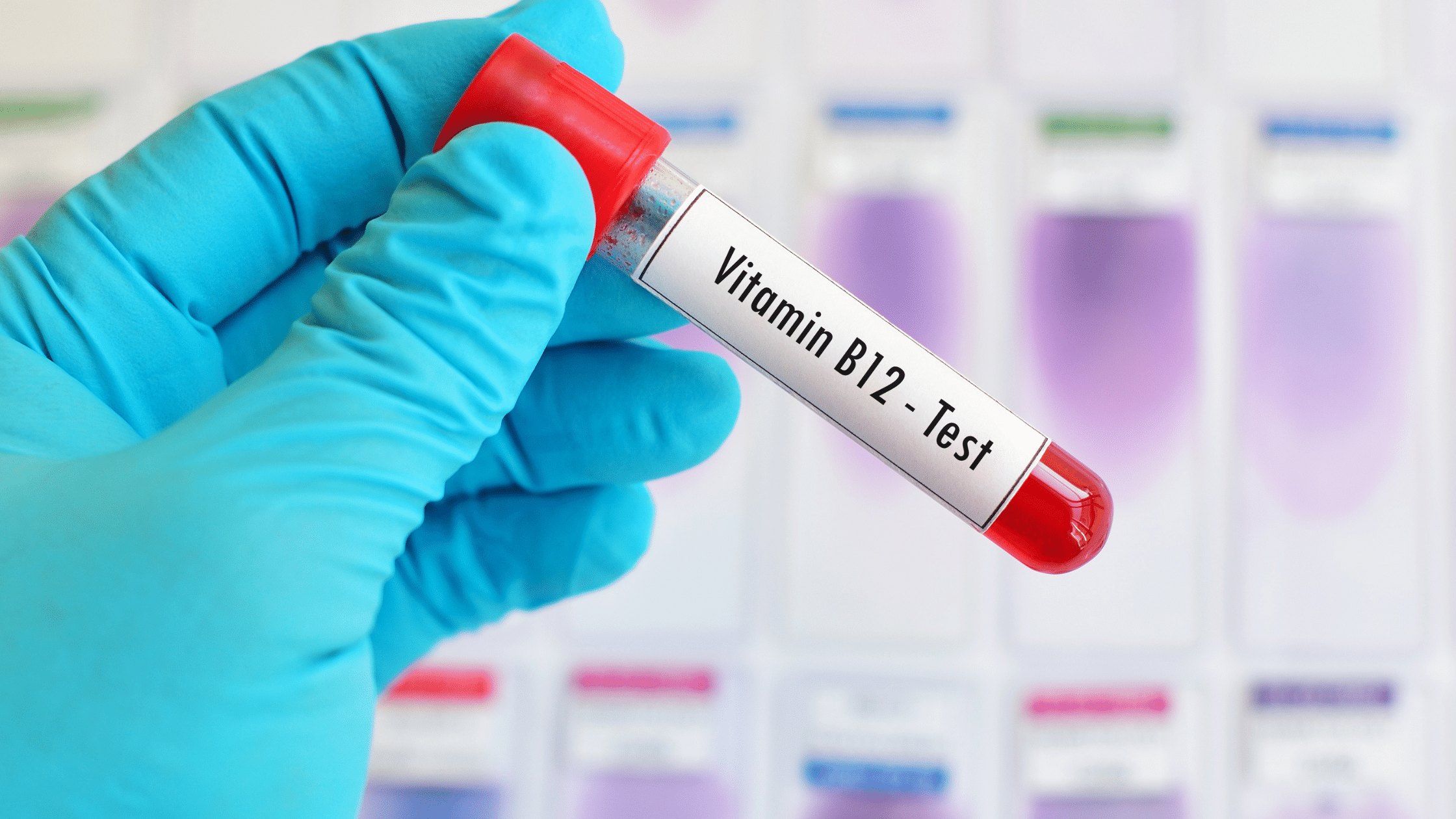
I see you’re on a journey to understand more about B12 levels. That’s fantastic! After all, being informed is the first step towards making mindful and healthy choices, isn’t it?
Let’s dive into your question: “What level of B12 is concerning?” It’s important because knowing the right balance is critical to maintaining our health.
Vitamin B12 plays a vital role in our bodies. It helps keep our nerve cells healthy, aids DNA creation, and is essential for energy production. But as with anything in life, too much can tip the balance.
A normal range for B12 in the blood is between 200 and 900 nanograms per milliliter (ng/mL). When levels are below 200 ng/mL, it’s often seen as low. But what about high levels? While there isn’t a universally agreed-upon ‘high’ level, some experts suggest that levels above 900 ng/mL might cause concern.
If your B12 levels are above the normal range, it could indicate an underlying health issue, such as liver disease, kidney problems, or certain types of anemia. It’s crucial to remember, though, that every person’s body is unique, and what might be concerning for a blood test for one person may not be the same for another.
As Sarah, one of our community members, shared, “When I discovered my B12 levels were high, I was worried. But after talking to my healthcare provider, I learned it was manageable. Now, I’m more aware and proactive about my health than ever!
You’re on the right path to understanding and taking charge of your health. Keep going, and remember, we’re here to support you every step of the way!
What autoimmune causes high B12?

Your curiosity about the connection between autoimmune liver diseases and high B12 levels is a significant step towards understanding your health more comprehensively. After all, the more we know, the better we can care for ourselves, right?
From what I found, certain autoimmune conditions might lead to elevated levels of B12. For instance, lupus is one such condition that has been linked with high B12 levels. Another condition is autoimmune gastritis, which can also result in falsely an increased risk of B12 levels.
It’s important to note that these conditions do not directly cause high B12 levels, but they might contribute to it because of the inflammation they cause in the body.
Well, if you have an autoimmune disease and notice that your B12 levels are higher than usual, it’s a good idea to discuss this with your healthcare provider. They can help you understand what this means in the context of your overall health.
Just remember, every person’s health journey is unique. So, what works for one person might not work for another. And that’s okay. The most important thing is to find what works best for you.
Remember what our community member, Alex, shared, “When I found out my B12 levels were high, I was initially worried. But after speaking with my healthcare provider and making some adjustments, I feel more in control of my health than ever.”
Footnotes
Conclusion:
High vitamin B12 levels may seem scary, but it is a manageable condition with the right approach. If you have recently been diagnosed with this issue, working closely with your doctor to identify the underlying cause and develop a personalized treatment plan is key. By doing so, you can take steps to protect your overall health and prevent further complications down the line. Remember, we all need vitamin B12 to thrive, but as with most things in life, balance is critical.