


Feeling bloated, crampy, and nauseous can be incredibly uncomfortable. It can interfere with your daily activities and leave you feeling miserable.
This blog post aims to help readers understand why these symptoms occur and how to manage them.
We’ll explore the common causes of bloating, stomach cramps, and nausea and offer practical tips and solutions to help you feel better.
What Causes Bloating?

Understanding Bloating
Bloating is when the stomach feels full and tight, often due to gas buildup in the intestines.
This sensation can be uncomfortable and sometimes painful. To address it effectively, it’s essential to identify the root cause of bloating.
Common Triggers of Bloating
Several factors can lead to bloating. One common cause is overeating, in which the stomach expands to accommodate the excess food.
Eating too quickly can also result in swallowing air, which contributes to gas buildup. Certain foods, mainly those high in fiber, can also produce more gas during digestion.
Medical Conditions and Bloating
Sometimes, bloating is a symptom of an underlying medical condition. Conditions like irritable bowel syndrome (IBS), constipation, and small intestinal bacterial overgrowth (SIBO) can all cause bloating. If bloating persists despite dietary changes, it may be worth consulting a healthcare professional.
Which five symptoms indicate bloating?
- Abdominal discomfort or pain
- A feeling of fullness or tightness in the stomach
- Excessive gas or belching
- Visible swelling or distention of the abdomen
- Frequent burping or passing gas
Stomach Cramps Explained

What Are Stomach Cramps?
Stomach cramps are sudden, sharp pains in the abdominal area. They can vary in intensity and duration. Understanding the cause of these cramps is crucial for finding relief.
Dietary Causes of Stomach Cramps
Certain foods can trigger stomach cramps. Spicy foods, dairy products, and fatty foods are common culprits. Food intolerances, such as lactose or gluten intolerance, can also lead to cramping after consuming certain foods.
Stress and Stomach Cramps
Stress and anxiety can significantly impact your digestive system. When stressed, your body releases hormones that can affect gut motility, leading to cramps. Managing stress through relaxation techniques can help prevent stress-induced cramps.
Nausea and Its Triggers

Understanding Nausea
Nausea is the uneasy sensation that often precedes vomiting. Various factors can trigger it, and it may occur alongside bloating and stomach cramps.
Dietary Triggers of Nausea
Certain foods and beverages can trigger nausea. Greasy or fried foods, caffeine, and alcohol are common offenders. Additionally, eating large meals or consuming food too quickly can lead to nausea.
Motion Sickness and Nausea
Motion sickness occurs when there is a disconnect between what your eyes and inner ears sense. This can lead to nausea, dizziness, and vomiting. Traveling by car, boat, or plane can trigger motion sickness in susceptible individuals.
Holistic Approaches to Managing Symptoms
Dietary Changes
Making minor adjustments to your diet can significantly reduce bloating, cramps, and nausea. Eating smaller, more frequent meals can help prevent overeating and reduce gas buildup. Avoiding trigger foods and incorporating more fiber gradually can also help.
Hydration and Herbal Teas
Staying hydrated is essential for digestive health. Drinking plenty of water can help regulate bowel movements and reduce bloating. Herbal teas, such as peppermint or ginger tea, can soothe the digestive tract and alleviate symptoms.
Mindful Eating
Practicing mindful eating involves attention to your body’s hunger and fullness cues. Eating slowly and chewing your food thoroughly can prevent swallowing excess air and aid digestion. Mindful eating can also help you recognize food intolerances.
ALSO READ – 7 Best Vitamins for Bloating
Over-the-Counter Remedies
Antacids and Digestive Enzymes
Antacids can provide quick relief for acid reflux and indigestion, which often accompany nausea. Digestive enzymes can help break down food more efficiently, reducing bloating and cramping.
Probiotics
Probiotics are beneficial bacteria that support gut health. Incorporating probiotics into your diet through supplements or fermented foods can improve digestion and reduce bloating.
Anti-Nausea Medications
Over-the-counter anti-nausea medications can relieve motion sickness and other causes of nausea. Following the recommended dosage and consulting a healthcare professional if symptoms persist is essential.
When to See a Doctor

Persistent Symptoms
If bloating, cramps, and nausea persist despite making dietary and lifestyle changes, it’s essential to seek medical advice. Persistent symptoms may indicate an underlying medical condition that requires treatment.
Severe Pain
A healthcare professional should evaluate severe abdominal pain that doesn’t improve with over-the-counter remedies or home care. Severe pain can be a sign of a more serious issue, such as appendicitis or a gastrointestinal obstruction.
Other Concerning Symptoms
If you experience additional symptoms such as weight loss, blood in your stool, or a fever, seeking medical attention promptly is essential. These symptoms can indicate a more severe condition that needs immediate care.
Supporting Your Digestive Health
Balanced Diet
Maintaining a balanced diet of fruits, vegetables, lean proteins, and whole grains can support overall digestive health. Avoiding processed foods and excessive sugar intake can also improve digestion.
Regular Exercise
Regular physical activity can help regulate bowel movements and reduce the risk of constipation. Incorporating walking, yoga, or swimming into your routine can support digestive health.
Stress Management
Stress management techniques, such as deep breathing exercises, meditation, or yoga, can help reduce stress’s impact on the digestive system. Finding healthy ways to cope with stress can also improve overall well-being.
Conclusion
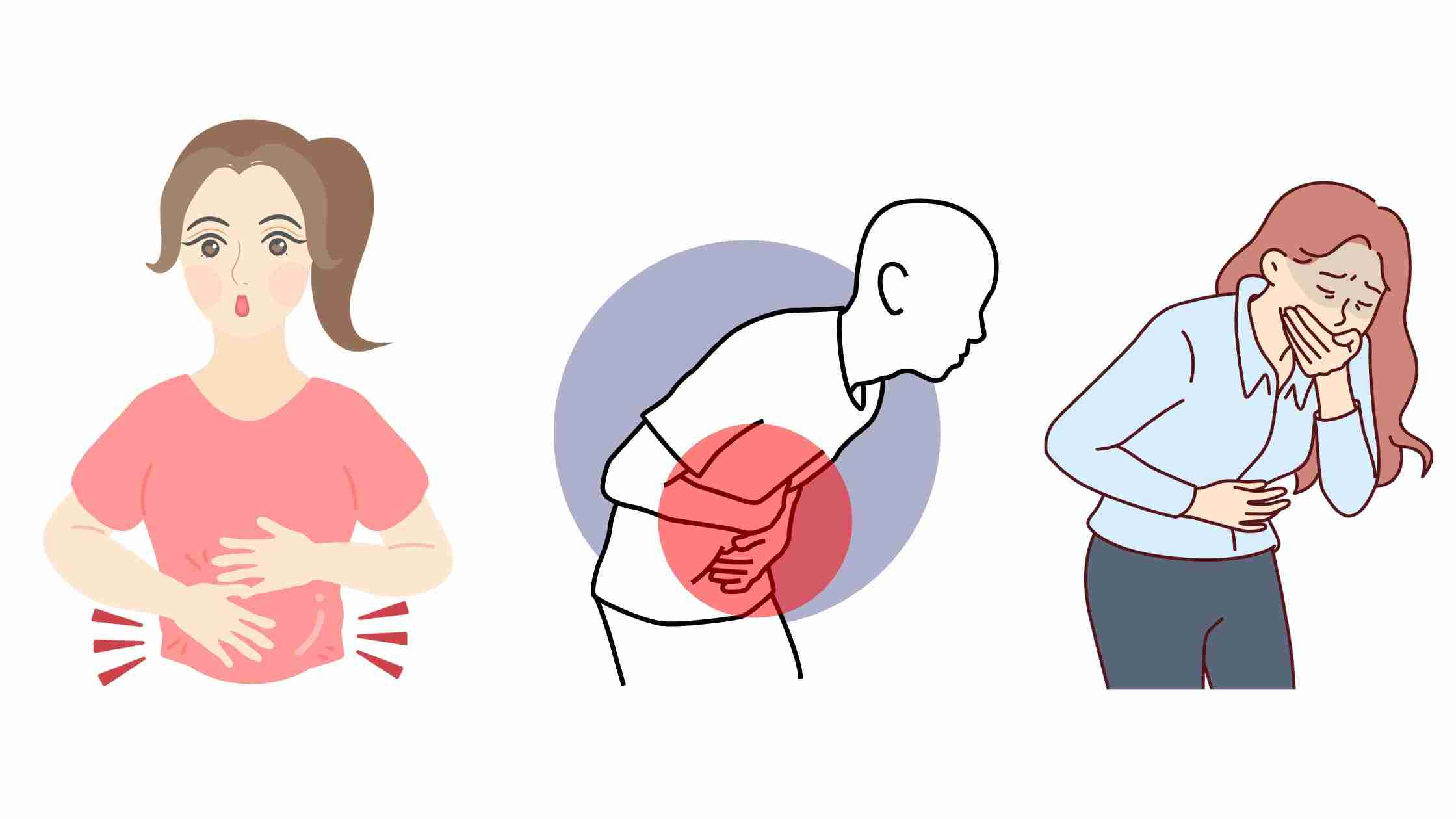
Bloating, stomach cramps, and nausea can significantly impact your quality of life. By understanding the common causes and implementing practical solutions, you can take control of your digestive health.
Make dietary changes gradually, stay hydrated, and practice mindful eating. If symptoms persist, seek medical advice to rule out any underlying conditions. Your well-being is important, and addressing these symptoms can help you feel better and enjoy life to the fullest.
For personalized guidance and support, consider consulting a healthcare professional or nutritionist who can tailor recommendations to your specific needs.
FAQ:
Am I pregnant because I feel bloated and queasy?
Feeling bloated and queasy can be symptoms of many conditions, including pregnancy. It’s essential to take a pregnancy test and consult with a healthcare professional to understand the cause of your symptoms.
How to get rid of bloating and stomach pain?
To ease bloating and stomach pain, try drinking plenty of water, eating slowly, and avoiding foods that trigger gas. Gentle physical activity and relaxation techniques can also help.
What symptoms include bloating, gassiness, nausea, and dizziness?
These symptoms can be linked to digestive issues, stress, or hormonal changes. It’s essential to consider the broader context of your health and consult a healthcare professional for personalized advice. Your journey to wellness deserves thoughtful care and attention.
Why is my stomach cramping and feeling bloated?
Stomach cramping and bloating can result from digestive issues like gas, indigestion, or food sensitivities. Stress and dietary habits also play a role. It’s best to listen to your body and seek professional advice to find the root cause.