


Have you reached for chocolate or cookies after a hard day, wondering why sweets feel so comforting? You’re not alone. Craving sugar during tough times is common and it’s not about willpower. Stress, boredom, or sadness often trigger your body’s search for quick energy or habits tied to emotional comfort.
We’ll explore five reasons why sugar calls to you when emotions run high and how stress shapes these cravings. This isn’t about judgment. It’s about understanding.
Think back to times when a sugary treat felt like support. Writing these moments down in a journal can reveal emotional, physical, or environmental patterns.
With curiosity and reflection, you can transform cravings into moments of mindfulness and self-care. Grab your pen—self-discovery starts here.
Top 5 Reasons Why You Crave Sugar When You’re Upset

1. Your Brain’s Instant Energy Fix
When emotions run high, your brain works overtime, burning through energy. Sugar provides a quick source of glucose, giving your brain the immediate boost it craves. Under stress, your body survives, driving you to seek high-energy foods to cope quickly.
While sugar can feel like an easy solution, it often masks stress rather than relieving it. Journaling can help you reflect on these moments. Write about whether sugar provided clarity or left you feeling worse later. These reflections will guide you toward healthier ways to recharge.
2. The Dopamine Reward System

Sugar taps into your brain’s reward system by releasing dopamine, the “feel-good” chemical. This temporary mood boost can make sugar feel like emotional relief, creating a cycle where upset emotions trigger cravings. Over time, this dependency on sugar can become habit-forming.
Ask yourself how sugar affects you emotionally and physically. Journaling can help you see patterns, like short-term comfort versus longer-term crashes. Recognizing this balance empowers you to make mindful decisions when cravings strike.
Expert Insight: Studies show that frequent sugar intake can rewire your brain to crave it as a coping mechanism during emotional lows. The cycle might feel soothing in the short term, but it can foster dependency.
3. Stress-Induced Cortisol Spikes

Stress prompts your body to release cortisol, which increases sugar cravings. Sugar temporarily suppresses cortisol, producing a fleeting sense of calm. While this might feel soothing in the moment, it often leads to highs and lows that perpetuate the cycle.
The next time stress triggers sugar cravings, pause. Write down your feelings and explore other ways to self-soothe, like a calming walk or deep breathing. These practices can ease stress without relying on sweets.
Practical Reflection: Next time you’re upset and craving sweets, pause and ask yourself, “Am I stressed? What other ways can I soothe or ground myself?”
4. Learned Associations from Your Past
For many, sugar recalls comforting childhood memories—like a treat after a hard day or dessert as a reward. When life feels overwhelming, your brain might turn to these associations, seeking the safety and joy those past moments represent.
Reflect on these patterns through journaling. When did you first rely on sweets for comfort? What needs were you trying to meet? Exploring these connections can help you find non-food ways to nurture those emotional needs, like reaching out to a friend or practicing self-care.
5. Deprivation Sets the Stage

If you’ve been restricting sugary foods, your body may rebel during emotional distress. Dieting can create a sense of scarcity, making sugar cravings stronger when you’re upset. This is especially true if you’ve labeled certain foods “off-limits.”
Use journaling to notice if restriction fuels your cravings. The Eating Enlightenment approach encourages balance—honoring hunger and allowing all foods in moderation to rebuild trust with your body. Rejecting extreme diets can ease cravings and foster a healthier relationship with food.
Cravings as a Window into Deeper Patterns
When sugar cravings hit during emotional moments, they’re often more than physical—they’re tied to deeper patterns. For many, especially those with binge eating disorder (BED), cravings are part of the Binge-Diet Cycle. This cycle starts with restriction or dieting, which may seem like “control” but often creates emotional and physical deprivation. Intense cravings arise, leading to a binge—offering brief relief but quickly followed by guilt and shame. This guilt reignites the cycle as you try to restrict yourself again.
Breaking this exhausting loop starts with recognizing it. Sugar cravings aren’t about willpower; they reflect emotional and physiological struggles. Journaling can be a decisive first step, helping you connect emotions with behaviors and create awareness to break free.
The Eating Enlightenment Approach
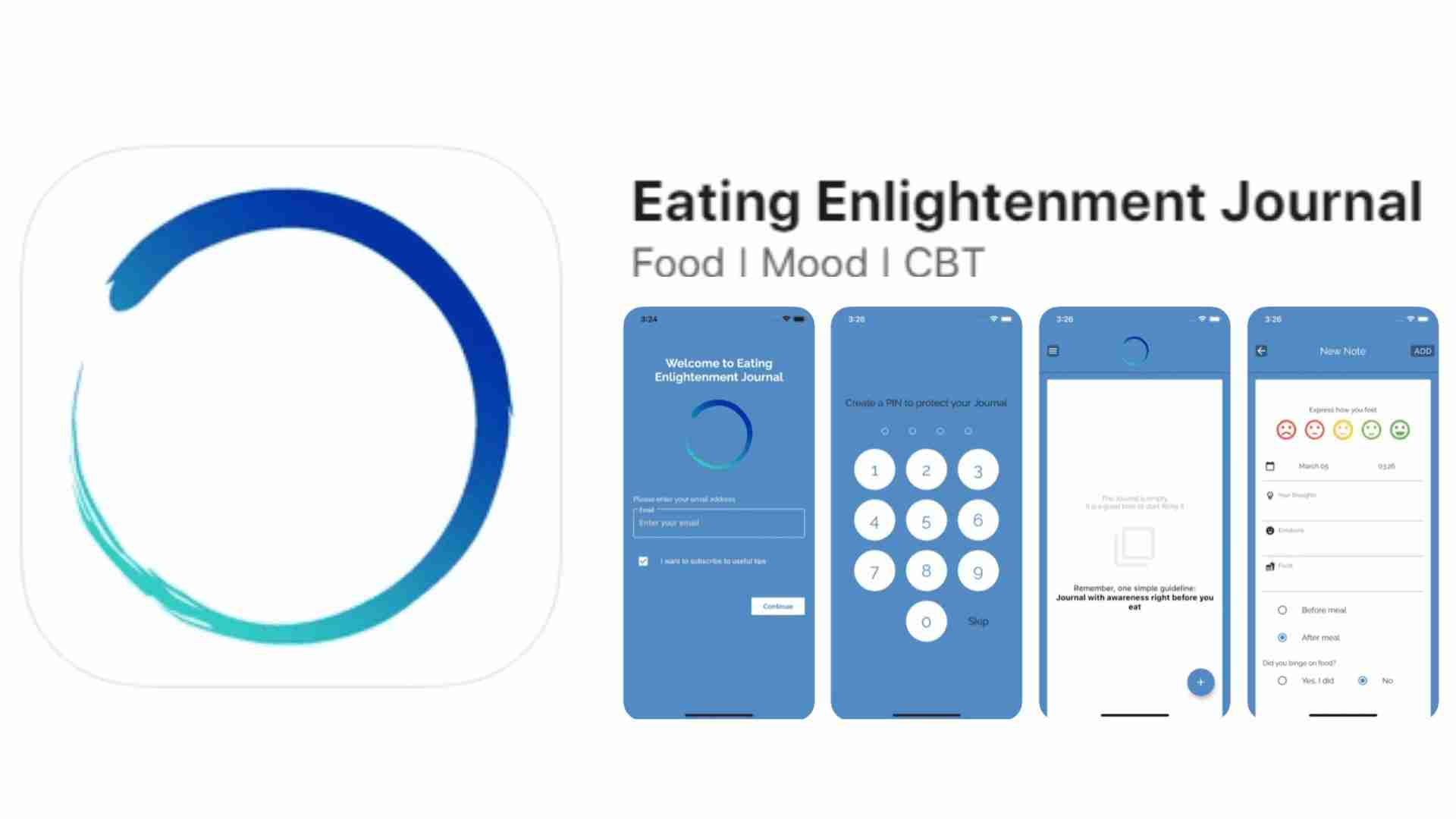
Recovery is possible with support and the right tools. The Eating Enlightenment philosophy uses a 3-step journaling process to address cravings and foster a healthier relationship with food.
Step 1: Nutritional Journaling for Body Awareness
Start by meeting your body’s needs to reduce deprivation, which often fuels cravings. Track what and when you eat to ensure balanced meals, like noting:
- Breakfast: Oatmeal, berries, almond butter—feeling satisfied.
- Chocolate craving after meeting—emotion: frustration.
You can nourish rather than restrict your body by spotting patterns like skipped meals or stress-related cravings.
Step 2: Mindful Reflection on Emotional Triggers
When cravings strike, pause to explore the emotions behind them. Journaling might reveal that stress or boredom often precedes cravings. Ask yourself, “What was I feeling before the craving?” Identifying these links can help you address emotions in healthier ways.
Step 3: Inner Dialogue and Emotional Healing
Dig deeper into the “why.” Maybe sugar feels like comfort for a stressed inner child or relief from a perfectionist’s high expectations. Journaling allows you to explore these parts of yourself with curiosity and compassion, easing the emotional triggers behind cravings.
Practical Tips for Managing Cravings

- Mindful Substitutions: Choose whole-food options like fruit with nut butter to satisfy your sweet tooth.
- Pause to Reflect: Before eating, take a moment to journal—ask, “What do I feel right now?”
- Stress Relief Alternatives: Use soothing activities like deep breathing or a mindful walk to calm stress.
- Consistency Over Restriction: Focus on regular, balanced meals rather than strict dieting to stabilize energy and cravings.
Managing Cravings Effectively

To balance sugar cravings while honoring emotional needs, try these strategies:
- Journaling: Explore triggers. Ask, “Am I hungry, or is this stress-driven?”
- Mindful Eating: Swap processed treats for naturally sweet options like berries or dark chocolate.
- Stress Regulation: Meditate, exercise, or schedule “pause moments” to lower cortisol.
- Regular Nourishment: Prevent binge triggers by eating balanced meals consistently.
Supporting Research
Research underscores the connection between stress, sugar, and emotional regulation:
- Stress and Cortisol: Studies in Neuroscience & Biobehavioral Reviews show cortisol amplifies sugar cravings.
- Therapeutic Value of Journaling: Emotional recovery case studies highlight journaling’s role in reducing binge episodes.
Final Thoughts
When upset, sugar cravings are not a sign of weakness—they’re meaningful signals from your body and mind. These cravings carry a deeper story, tied to emotions, stress, and unmet needs. Approaching them with curiosity rather than self-judgment allows you to decode their message and begin a process of healing. Journaling is a powerful tool in this journey, offering insight into your triggers and paving the way for a balanced, intuitive relationship with food.
The Eating Enlightenment process empowers you to shift from feeling controlled by cravings to understanding and managing them with compassion. It takes time and patience, but every small step creates space for lasting change.
Why wait? Start your path toward peace with food today. Download the free Eating Enlightenment Journal App and take your first step in exploring and transforming your relationship with food and emotions. You’ve got this—and we’re here to support you.