

Do you ever get a craving for garlic?
Have you ever found yourself irresistibly drawn to the intense allure of garlic? You’re not alone. These cravings might seem peculiar, yet they hold fascinating insights into your body’s needs and well-being.
In this exploration, we’ll uncover seven surprising health benefits hidden behind those garlic cravings, unlocking a deeper understanding of how this humble ingredient can support your health journey.
Alongside this discovery, the Eating Enlightenment Food Journal App is a supportive companion, helping you navigate cravings, emotional eating, and binges with mindfulness and balance.
Embrace this journey towards greater self-awareness and well-being as we delve into the wonders of garlic.
1. You May Have Low Blood Sugar
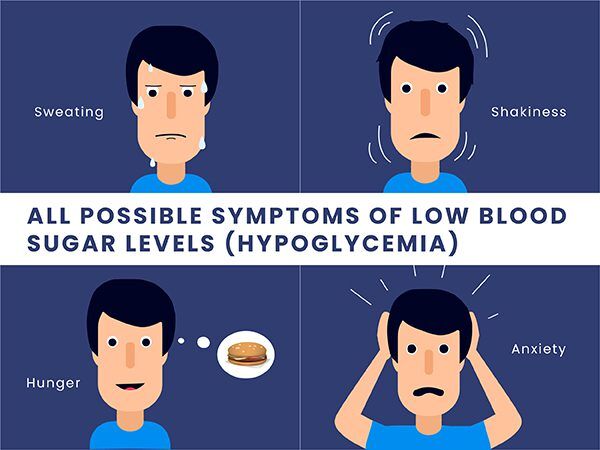
One common reason for garlic cravings is low blood sugar. When blood sugar drops, we may experience dizziness, fatigue, and irritability.
Our bodies will also release hormones that signal our brain that we need to eat something to raise our blood sugar levels. This can lead to cravings for quick-acting carbohydrates like crusty garlic bread or pasta with garlic sauce.
2. You Might Be Anemic
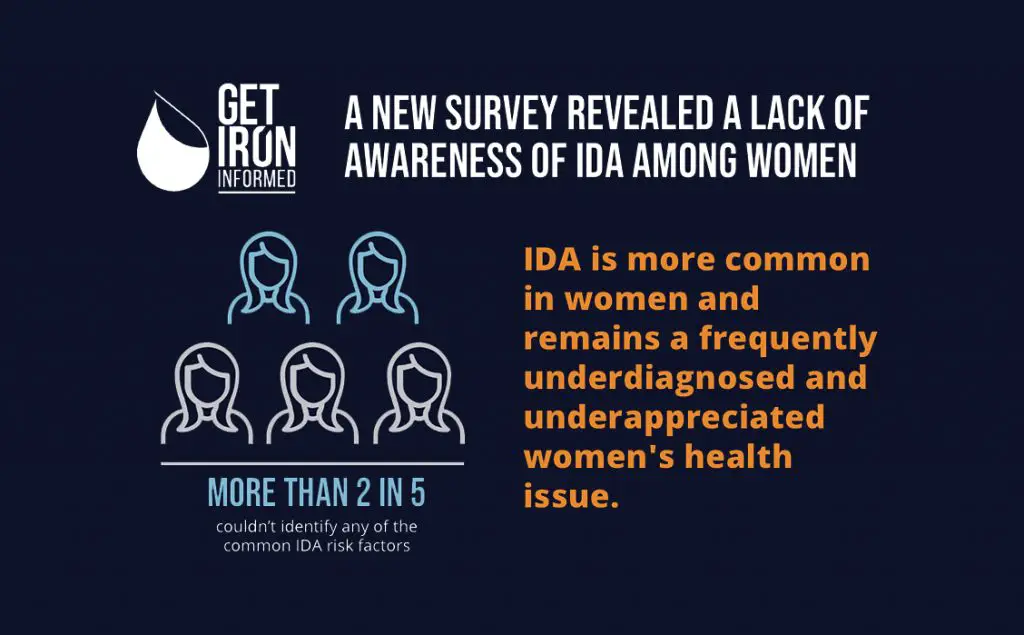
If you’re tired, it could be a sign of anemia. One of the best foods to eat if you’re anemic is garlic.
Garlic is high in iron and can help increase your iron levels, giving you more energy. If you think you might be anemic and you’re also having food cravings you can’t explain, talk to your doctor about getting a blood test.
3. You Might Be Stressed
Stress can cause all sorts of weird cravings, and garlic is one of them. If you’ve been feeling stressed lately, try taking a relaxation break or yoga class to help calm yourself down. And don’t forget to add some garlic to your dinner! It might just help you relax.
4. You Might Be Sick
A garlic craving could signify that your body is trying to fight a cold or infection. Garlic has natural antibacterial and antiviral properties, so it’s no wonder your body craves it when it’s under the weather.
Next time you’re feeling sick, try making yourself a bowl of chicken soup with lots of garlic. Yum!
5. You Might Be Pregnant

Pregnancy cravings are real (ask any pregnant woman!). Some women start craving garlic cloves during pregnancy because their bodies are low in iron. Again, iron is a widespread nutritional deficiency!
If you’re pregnant and craving garlic, talk to your doctor about whether you should take an iron supplement. They might also recommend adding more leafy greens and lean meats to your diet and incorporating more garlic into your cooking.
6. Taste
Garlic tastes great! One valid reason you’re craving garlic can merely be its flavor. If you’re a fan of the taste of garlic, then there’s nothing wrong with adding more of it to your diet. Just be careful not to overdo it, or you might end up with bad breath!
If you love garlic, why not try growing your own? Garlic is easy to grow and a great way to get fresh garlic any time you want it.
Plant some garlic cloves in a pot filled with soil, water regularly, and wait for them to sprout. In no time at all, you’ll have your very own garlic plants!
7. Inflammation relief

Another reason people might crave garlic is its anti-inflammatory properties. If you’re experiencing inflammation in your body, eating garlic can help reduce that inflammation and provide relief.
Garlic is also a good source of antioxidants, which can help protect your body from free radicals and other harmful toxins. So if you’re looking for a healthy way to reduce inflammation and boost your antioxidant levels, garlic might be the perfect food for you!
Overall, someone might be craving garlic for all sorts of reasons. If you constantly reach for the jar of minced garlic at dinnertime, don’t worry—you’re not alone! Or that roasted garlic-topped pizza or garlic-marinated steak?
It’s okay to have these in moderation.
Just remember to listen to your body and give it what it needs.
Whether that also means upping your intake of leafy greens or taking an iron supplement, adding more garlic to your diet is always a good idea.
How to tell whether I am craving garlic for physical reasons or emotional eating
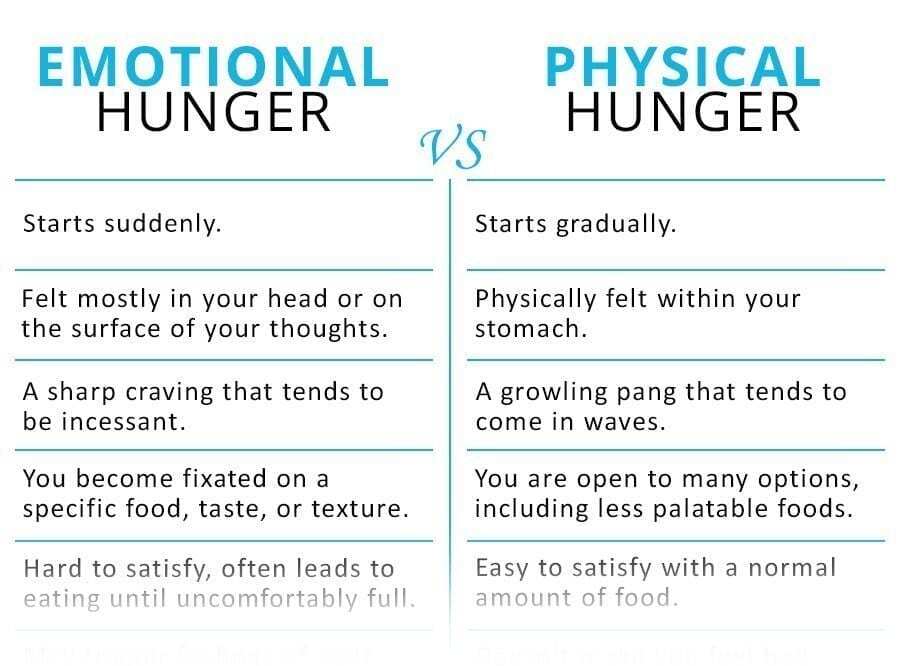
When it comes to garlic, there are two primary schools of thought. Some people believe garlic is a powerful physical health tonic, while others view it as an emotional crutch. So, how can you tell which category you fall into? One way to gauge your motivation for eating garlic is to consider how much you consume.
If you eat garlic daily or add it to every meal, you may view it as an essential part of your diet. On the other hand, if you only turn to garlic when you’re feeling stressed or down, you’re likely using it as an emotional crutch.
Another way to tell the difference is to pay attention to your cravings. If you want garlic even when you’re not physically hungry, it’s a good sign that your craving is more emotional than physical.
We highly recommend our Food Journal App for tracking your food intake and learning about your cravings.
Ultimately, you can decide whether garlic is a helpful addition to your diet or a harmful vice. But by examining your motivation for eating garlic, you can gain valuable insights into your overall health and well-being.
Craving garlic during pregnancy
Some pregnant women develop sudden and intense cravings for garlic. While the cause of this phenomenon is not fully understood, some possible explanations exist.
It is well known that garlic contains a high level of sulfur, a key component of many pregnancy-related hormones. The body may crave garlic to replenish its supply of sulfur.
Additionally, garlic is a rich source of many other nutrients, including calcium, iron, and vitamin C. These nutrients are essential for a healthy pregnancy, and the body may crave garlic to get enough of them.
Whatever the cause, there is no need to worry about craving garlic during pregnancy. Eating garlic in moderation is perfectly safe for both mother and child. It may even offer some benefits, such as helping to ward off colds and infections and to boost immune system function.
So, if you reach for the garlic bread more often than usual, there is no need to feel guilty. Your body knows what it needs!
Craving garlic when sick
When you’re sick, your body is fighting an infection. To help boost your immune system, you may start craving foods like garlic, which are high in vitamins and minerals. Garlic is a powerhouse of nutrients. It’s packed with vitamin C, B6, manganese, and selenium.
These nutrients all play essential roles in supporting the immune system. For example, vitamin C is a well-known antioxidant that helps to protect cells from damage. B6 is necessary for the production of antibodies.
Manganese is involved in developing new tissue, and selenium helps keep the immune system functioning properly.
So, if you find yourself reaching for garlic when you’re sick, your body may be trying to tell you something. The same goes for onions!
How can I stop craving garlic?
If you cannot give up garlic entirely, try eating it in moderation. You might also want to cut back on other strong-smelling foods like onions and fish. In addition, make sure to eat plenty of fresh fruits and vegetables.
These foods will help to cleanse your palate and reduce the intensity of your cravings. Finally, drink plenty of water throughout the day. This will help to flush the garlic out of your system and reduce your overall intake.
By following these tips, you can help curb your garlic cravings while still enjoying a healthy diet.
Is garlic addictive?
Although garlic has many health benefits, some worry it is addictive. However, there is no evidence to suggest that garlic is addictive.
Addictive substances cause changes in the brain that lead to compulsive drug-seeking behavior. There is no evidence that garlic has any impact on the brain, and therefore, it is not considered to be an addictive substance.
However, like anything else, it is possible to overeat garlic. Eating large quantities of garlic can cause stomach pain, heartburn, and bad breath. So, while garlic isn’t addictive, eating it in moderation is still essential.
Tell me the best way to eat garlic.
People eat garlic in different ways. Some eat it raw, while others cook it in different dishes. According to some research, the best way to eat garlic is to crush it and then let it sit for about 10 minutes before consuming it.
This allows the compounds in the garlic to be released and provide the most health benefits. Garlic has been shown to have many health benefits, including reducing the risk of heart disease, lowering blood pressure, and boosting the immune system.
So, if you want to improve your health, try adding more garlic to your diet.
Can you overeat garlic?
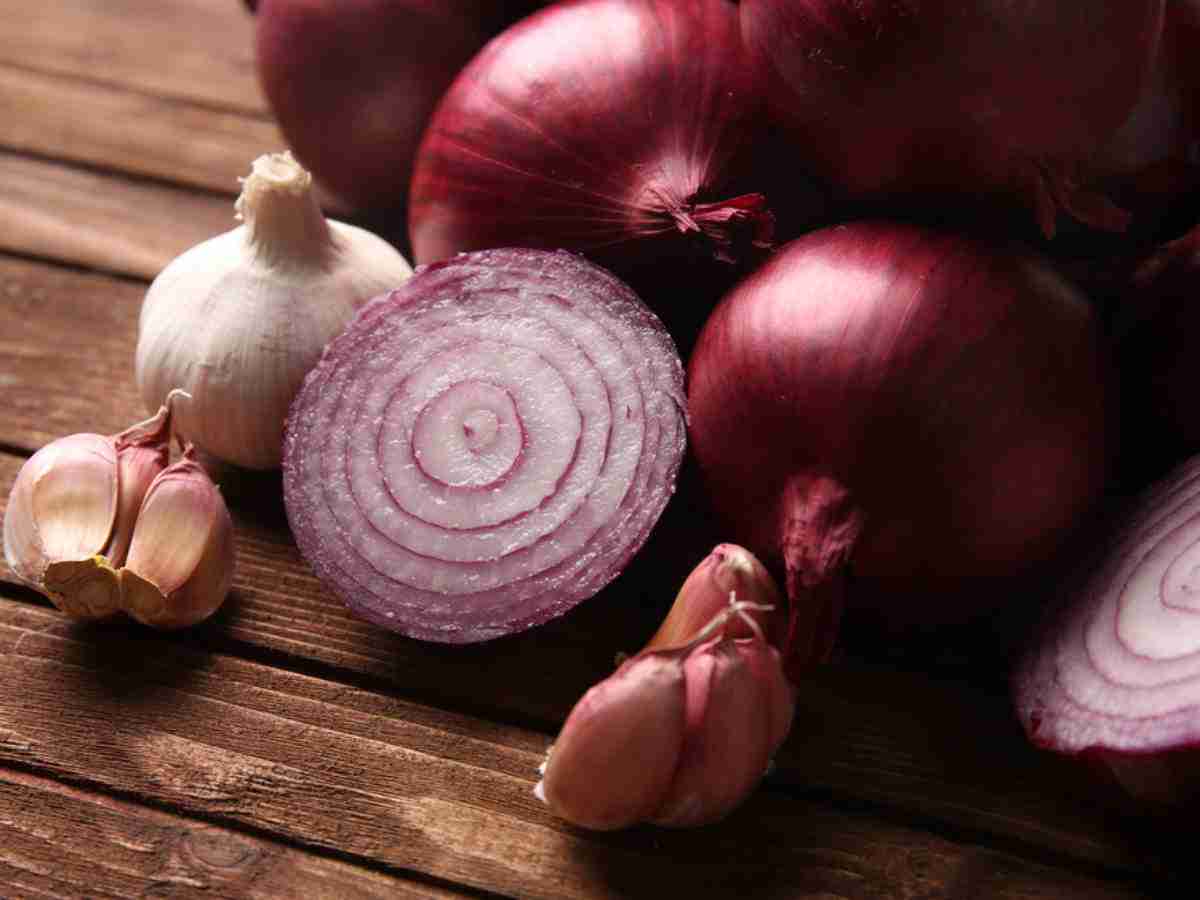
While garlic is generally considered safe to eat, you should be aware of a few potential side effects. Consuming large amounts of garlic can cause bad breath, heartburn, and nausea.
It can also irritate the stomach lining and cause flatulence. If you have digestive problems, such as gastritis or ulcers, you should avoid eating garlic altogether.
In rare cases, garlic can cause allergic reactions, such as hives or difficulty breathing. If you experience these symptoms after eating garlic, seek medical attention immediately.
Overall, garlic is a healthy addition to your diet, and it isn’t easy to overeat garlic.
Is garlic seasoning healthy?
Garlic seasoning is a healthy way to add flavor to food, and there’s a reason many people crave garlic seasoning and garlicky sauce! Garlic is a natural source of antioxidants, which can help protect cells from damage.
Additionally, garlic has been shown to boost the immune system and lower blood pressure. However, it is essential to use garlic salt seasoning in moderation (as opposed to garlic “powder,” which is lower) as it is usually also high in salt.
Too much salt can lead to hypertension or high blood pressure, which can lead to heart disease and stroke. Therefore, it is best to use garlic seasoning sparingly and to focus on using other herbs and spices to flavor your food.