


Have you ever found yourself craving the tangy crunch of kimchi, the fizzy tartness of kombucha, or the bold bite of sauerkraut? Maybe it’s creamy and comforting yogurt that calls to you, like a friend you can always count on.
If that sounds like you, you’re not alone. Fermented foods have taken center stage in kitchens and wellness routines worldwide, embraced for their unique flavors and incredible health benefits. There’s something irresistible about that perfect balance of sour, savory, and umami that keeps us returning for more.

Fermented foods are not just a trend—they have deep roots in various cultures. They are cherished for their taste and powerful ability to transform health. Packed with gut-loving probiotics, essential nutrients, and even mood-boosting properties, fermented foods have earned their place as staples in many diets.
But here’s the intriguing part—why are you constantly craving them? What about these foods that are so captivating, perhaps even compulsive at times?
Could there be more to these cravings than just a love for the flavor? Is your body reaching out for something it needs, or could there be a hidden emotional or psychological pull behind your longing? These questions set the stage for exploring the nuanced reasons behind this fascination with fermented foods.
Join us as we uncover the five reasons fermented food cravings might be nudging you toward something deeper—nutritionally, emotionally, and even psychologically. Could these cravings have more to say than you think? Let’s find out together.
1. Your Gut Is Asking for Help

Your body has a unique way of signaling when something is off-balance, and cravings—especially for fermented foods—are often your gut’s way of saying it needs attention. Fermented foods, known for their natural probiotics, work wonders to restore gut microbiome health.
When your digestive system has gone through stress—maybe after taking antibiotics, a period of high stress, or an illness—this complex interplay of bacteria can get disrupted. The result? Your body may start nudging you toward foods that can bring restoration.
Craving fermented foods like sauerkraut or kefir might mean your body is seeking the probiotics and enzymes these foods deliver. These critical components can improve digestion, reduce bloating, and strengthen the immune system. To clarify your craving patterns and digestion health, try tracking what’s happening within your body.
A journaling prompt could be as simple as, “When do I crave fermented foods? What are my digestion and energy levels like during these moments?” Connecting these dots in a food-mood journal gives you valuable insight into how your gut health influences your eating.
2. It’s About Nutritional Deficiencies

Our bodies constantly strive to maintain balance, and cravings often spotlight what’s missing. Fermented foods pack an array of nutrients that can fill nutritional gaps. For example, they are rich in B vitamins, an essential nutrient for energy and mental health, and enzymes that boost nutrient absorption from your food. They also host beneficial microorganisms that support overall health.
If, for example, your diet has been low in whole foods or you’re recovering from an energy slump, these cravings could be your body’s way of asking for more nutrients. Keeping track of cravings alongside daily meals can be illuminating. You might ask yourself in your journal,
“What have I been eating (or not eating) before these cravings emerge? Am I getting enough variety in my diet?” This self-awareness can reveal patterns and show which aspects of your diet might need tweaking—a small step that brings balance back into perspective.
3. A Cultural and Emotional Connection

Cravings don’t always start in the stomach; some begin in the heart. If fermented foods like miso soup or tangy pickles remind you of childhood meals, family traditions, or cultural roots, these cravings may stem from nostalgia. Many traditional diets worldwide highlight fermented foods, making them culinary cornerstones in Korean, Japanese, or German cuisines.
Sometimes, you yearn for not the food but the comfort, familiarity, or feelings it represents.
Here, journaling becomes a tool for emotional reflection. Try asking yourself, “Does this craving remind me of a significant memory or a connection to my heritage?”
How does eating it make me feel emotionally?” Often, these cravings bring warmth and grounding, which can be powerful reminders of how food nourishes both the body and the soul. Exploring these emotional associations can strengthen how much gratitude and awareness you have for your eating habits while reducing mindless consumption.
4. Unique Flavor Profiles
The tangy, sour, and umami-heavy flavors of fermented foods hit our taste buds in ways other foods don’t. These bold and lively flavors often make fermented foods an exciting escape for anyone bored of bland or monotonous meals. If you find yourself repeatedly drawn to the taste of kombucha’s fizz or the punch of kimchi, these cravings might be less about physical needs and more about seeking a sensory thrill.
Fermented foods have enhanced flavor profiles because of their fermentation process, which breaks down sugars and other compounds into acids. This complexity satisfies the brain in ways few different foods can. Have you considered what role taste plays in your experience of eating? You can explore this by noting in a journal,
“Do I crave fermented foods for their taste when I feel like food has become dull or uninspiring?” Being mindful of how flavor impacts your eating habits enriches your diet and helps you find intentional ways to add excitement to your meals.
5. Emotional and Psychological Cravings
Fermented foods don’t just serve your gut—they’re also powerful for your brain. The gut-brain connection means eating foods rich in probiotics can improve serotonin production, often called the “happy hormone.”
Your body may seek emotional regulation if you reach for fermented foods during stressful or emotionally challenging periods. These foods can help enhance mood and alleviate anxiety by positively altering gut health.
Sometimes, cravings are your body’s subtle way of saying it needs soothing. By journaling through these moments of desire, ask yourself, “What emotions do I feel when my cravings hit? Is there anything I’m trying to soothe or escape from?”
This mindful reflection could guide you to understand whether you’re seeking comfort, joy, or relief—allowing you to meet those emotional needs in ways that extend beyond food. Bringing compassion to this process, as Eating Enlightenment emphasizes, helps you approach yourself not with judgment but with curiosity.
The Deeper Meaning of Cravings and the Binge-Diet Cycle
Cravings for fermented foods can be more than a need for nutrition. Some reveal a healthy gut connection, while others may point to deeper emotional or psychological dynamics, such as binge eating or emotional eating. These patterns deserve curiosity and compassion—exploring what your cravings communicate rather than judging them.
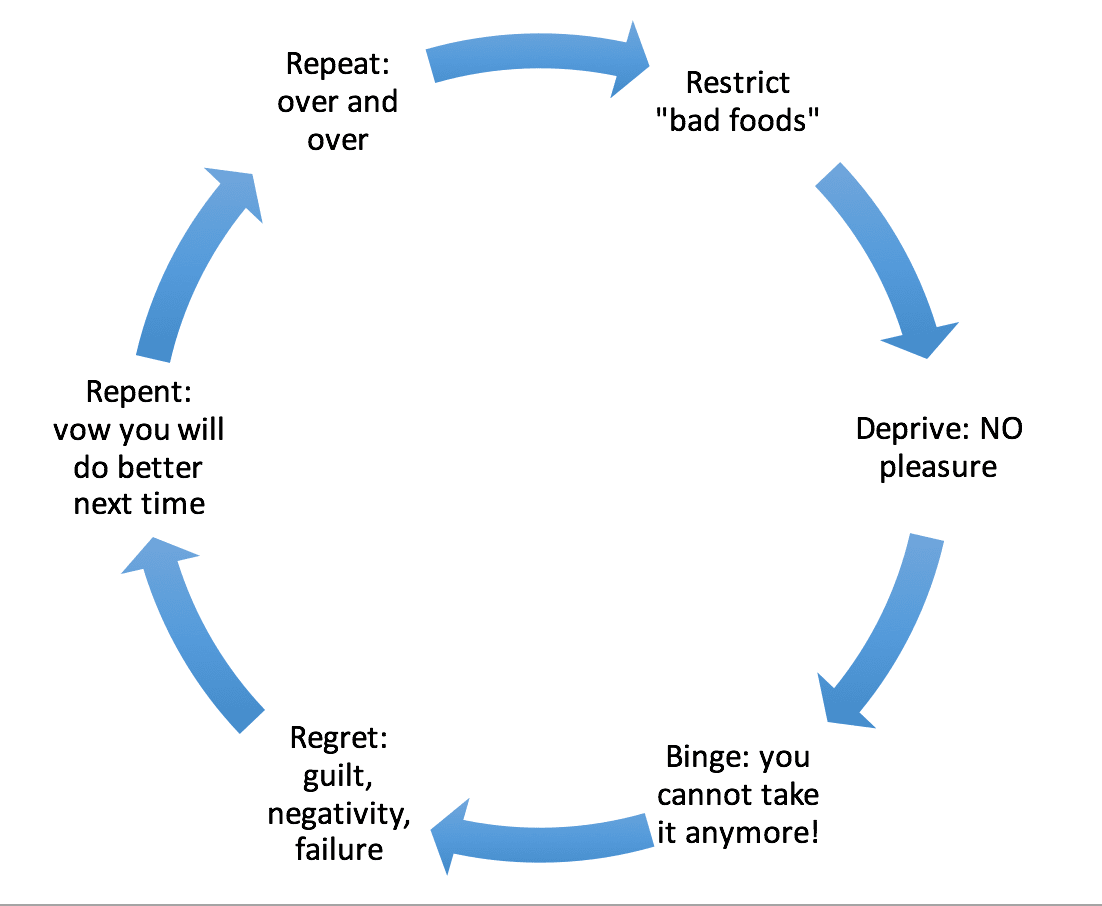
Cravings often overlap with the binge diet cycle, where cycles of food restriction lead to intense cravings, overeating, and guilt. Restrictive eating creates deprivation, heightening the appeal of specific foods. When cravings escalate into bingeing, temporary relief is often replaced by shame, prompting renewed restriction and perpetuating the cycle. These habits usually stem from unmet emotional needs or ingrained patterns, not personal failure.
Eating Enlightenment aims not to suppress cravings but to understand them through a systematic, kind approach. Our 3-step process offers a pathway toward healing:
Step 1: Nutritional Journaling
Meeting your physical needs is essential. Documenting your food intake can reveal inconsistencies or gaps driving cravings. For example, repeated desires for yogurt or kimchi might stem from missing nutrients or irregular meals. You’ll start restoring balance by noting when you eat fermented foods and whether they satisfy a nutritional need.
Step 2: Mindfulness of Cravings and Triggers
Cravings are often tied to emotions like stress or boredom. Mindful journaling encourages you to identify these feelings and their link to food choices. Writing down one word to describe your mood before eating can uncover helpful patterns—like reaching for kombucha when tired. Building this awareness lets you respond thoughtfully instead of reacting impulsively.
Step 3: Exploring Inner Parts and Voices
Unmet needs from past experiences often surface as cravings. Journaling can uncover these stories, whether it’s an inner critic enforcing restrictions or an inner child needing comfort. Ask yourself, “If my craving could talk, what might it need from me?” This compassionate dialogue helps transform emotional eating into deeper self-awareness and balanced care.
Practical Tips for Incorporating Fermented Foods Safely
Fermented foods are beneficial but should be enjoyed mindfully. Start small—add kimchi to a meal or plain yogurt to breakfast. Pay attention to how your body and mood respond, noting any discomforts or benefits in a journal. Moderation ensures balance and helps identify any sensitivities, like histamine intolerance.
By approaching cravings with compassion and awareness, they become opportunities for connection, not obstacles. The Eating Enlightenment approach can help you turn cravings into insights that nourish your body and mind, paving the way for a truly balanced relationship with food.
Closing Encouragement

Cravings for fermented foods are more than just a fleeting desire—they’re often a call from your body or mind, inviting you to find balance and nourishment. Whether it’s your gut seeking probiotics, your body needing essential nutrients, or your emotions craving comfort, fermented foods like kimchi, yogurt, and kombucha can play a decisive role in supporting your physical and emotional well-being. These tangy, flavor-packed foods aid digestion and nutrient absorption and connect us to cultural roots, unique flavors, and a more profound sense of self-awareness.
Taking the first step doesn’t have to be overwhelming. Explore the world of fermented foods excitingly—add some miso soup to your weekly meals, experiment with homemade pickles, or try different kombucha flavors. Please pay attention to how these foods make you feel, and remember, it’s not about perfection but exploration.
We encourage you to download the free Eating Enlightenment Journal App further to deepen your understanding of cravings and patterns. This powerful tool will help you track your cravings, uncover triggers, and spark meaningful connections between your diet and your emotions. By journaling, you can turn curiosity into clarity, building a more mindful and balanced relationship with food and yourself.
Your cravings are talking—are you ready to listen? Start your journaling journey today and celebrate the small, consistent steps toward a healthier, more self-aware self.