


There’s something about cheesy nachos, isn’t there? The melty cheese cascading over crisp, golden tortilla chips, the way it stretches with every bite, the combination of salty, creamy, and crunchy that feels like the ultimate comfort.
Maybe it’s at a game night with friends, or perhaps you’re curled up on the couch, craving that savory, gooey goodness at the end of a long day. You’re not alone—cheesy nachos hold a special place in many of our hearts (and stomachs).
But why do these cravings strike so strongly? Why does the thought of nachos feel almost magnetic, pulling you toward the kitchen—or the nearest snack bar? The answer might surprise you—it’s about more than just the taste.
Cravings like these can be powerful signals, whispering (or shouting) to us about what our bodies and minds need. Sometimes, they are nourishment, sometimes emotional comfort, and sometimes a habit we’ve formed over the years.
Through a closer, more mindful lens—one rooted in curiosity and self-awareness—we can start to understand why cheesy nachos seem to call our name. By journaling our cravings, reflecting on their meaning, and learning to decode them, we can uncover more profound insights into our relationship with food.

Reason #1: Nutritional Deficiencies
Explanation: Cravings for cheese or other dairy products, which are rich sources of calcium, could signal a calcium deficiency. An omega-3 deficiency may also be a craving for fatty, cheesy foods.
Scientific Insight: Studies suggest that nutritional deficiencies often manifest as cravings for nutrient-dense foods that contain those missing elements.
Tips to Manage:
- Try calcium-rich alternatives like leafy greens, almonds, or fortified plant-based milks.
- Boost omega-3 levels with chia seeds, flaxseeds, or salmon.
Journal Prompt: How often do you eat foods rich in calcium or omega-3? Are they present in your regular diet?
Reason #2: Comfort and Emotional Triggers

Explanation: Cheesy nachos are often a comfort food tied to stress relief or nostalgia. These foods may act as quick emotional fixes when feeling overwhelmed or sad.
Scientific Insight: The combination of carbs and fats releases endorphins, creating a temporary “reward” in the brain.
Tips to Manage:
- Practice mindfulness when cravings occur—ask yourself, “Am I truly hungry, or do I need emotional comfort?”
- Find non-food-based comfort strategies like a warm bath, journaling, or walking.
Journal Prompt: What emotions tend to lead to your cravings?
Reason #3: Cultural Influences
Explanation: Nachos with cheese are heavily marketed and culturally positioned as tasty indulgences, especially in social settings like sporting events or parties. This cultural association can make nachos a sought-after food.
Scientific Insight: Peer influence and advertising shape food preferences from a young age.
Tips to Manage:
- Reframe nachos as an occasional treat rather than your go-to craving.
- Swap culturally associated toppings like processed cheese with healthier alternatives like guacamole or hummus.
Journal Prompt: How do social settings or media images influence your craving for nachos?
Reason #4: Habitual Snacking Patterns
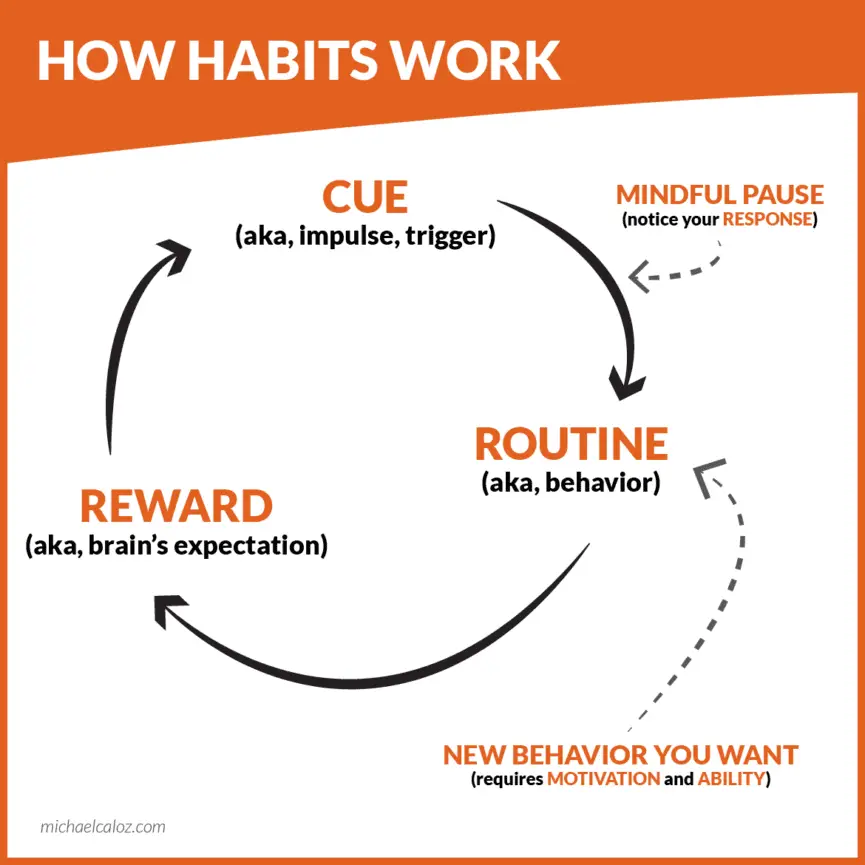
Explanation: Often, cravings stem from habitual patterns. If you’re used to reaching for nachos during a particular time, your body begins to anticipate them.
Scientific Insight: The brain forms habitual loops with cues, routines, and rewards.
Tips to Manage:
- Replace the routine with a healthier snack like roasted chickpeas or veggie sticks dipped in a plant-based cheese alternative.
- Break the routine by switching up your snack timing or location.
Journal Prompt: When do you usually crave cheesy nachos? Is it linked to a specific routine or time of day?
Reason #5: Salt and Fat Addiction
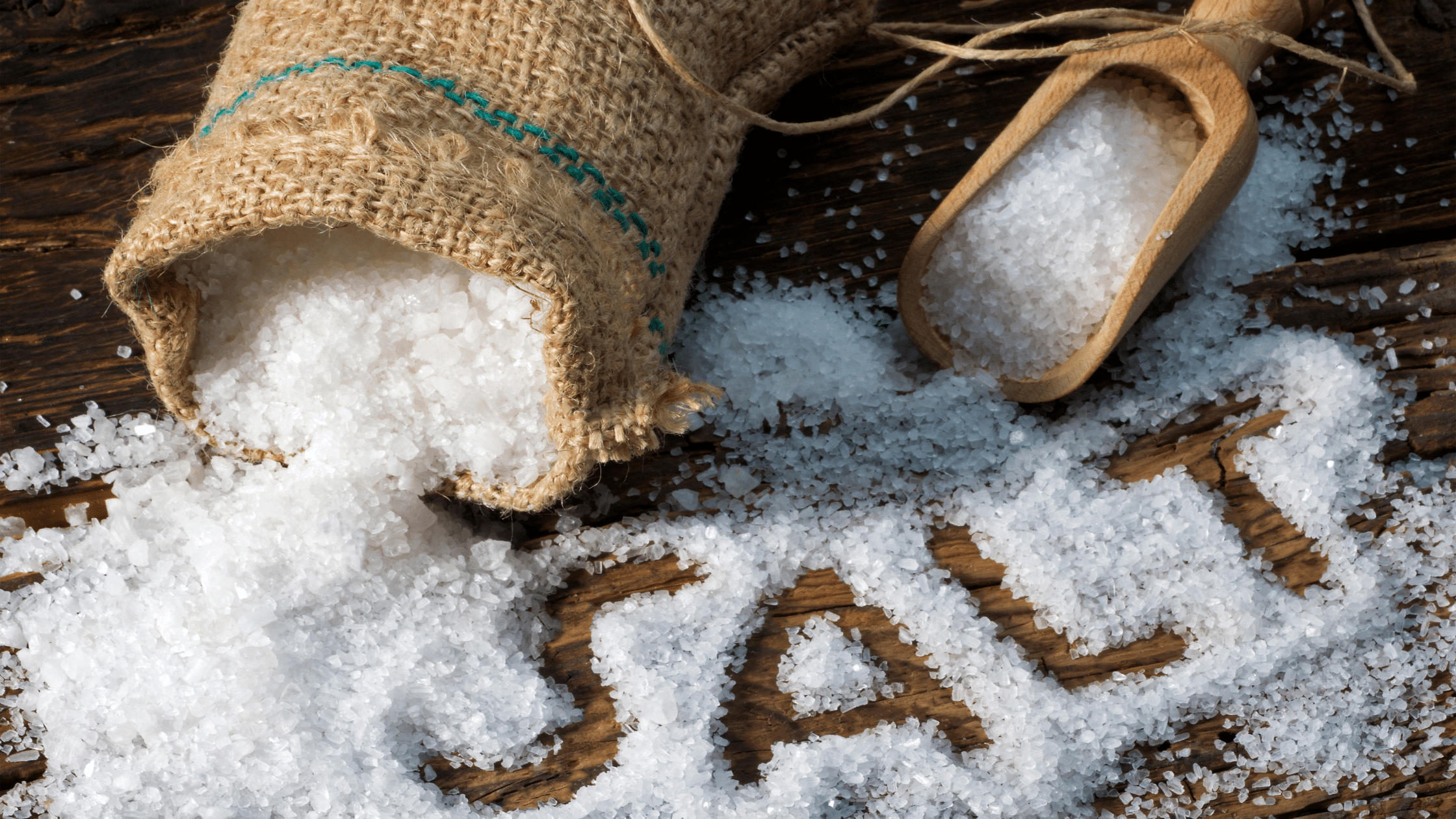
Explanation: Nachos are rich in both salt and fat. Together, these two can create a chemical reaction in the brain, making resisting difficult.
Scientific Insight: Salt stimulates dopamine release, while fats trigger reward-based eating patterns. Overconsumption leads to craving these combinations more frequently.
Tips to Manage:
- Opt for snacks with natural salts like olives or seaweed.
- Satisfy fat cravings with healthy fats from avocado or nuts.
Journal Prompt: How does your body feel after eating cheesy nachos? Is there a sense of satisfaction or discomfort?
Reason #6: Blood Sugar Imbalance
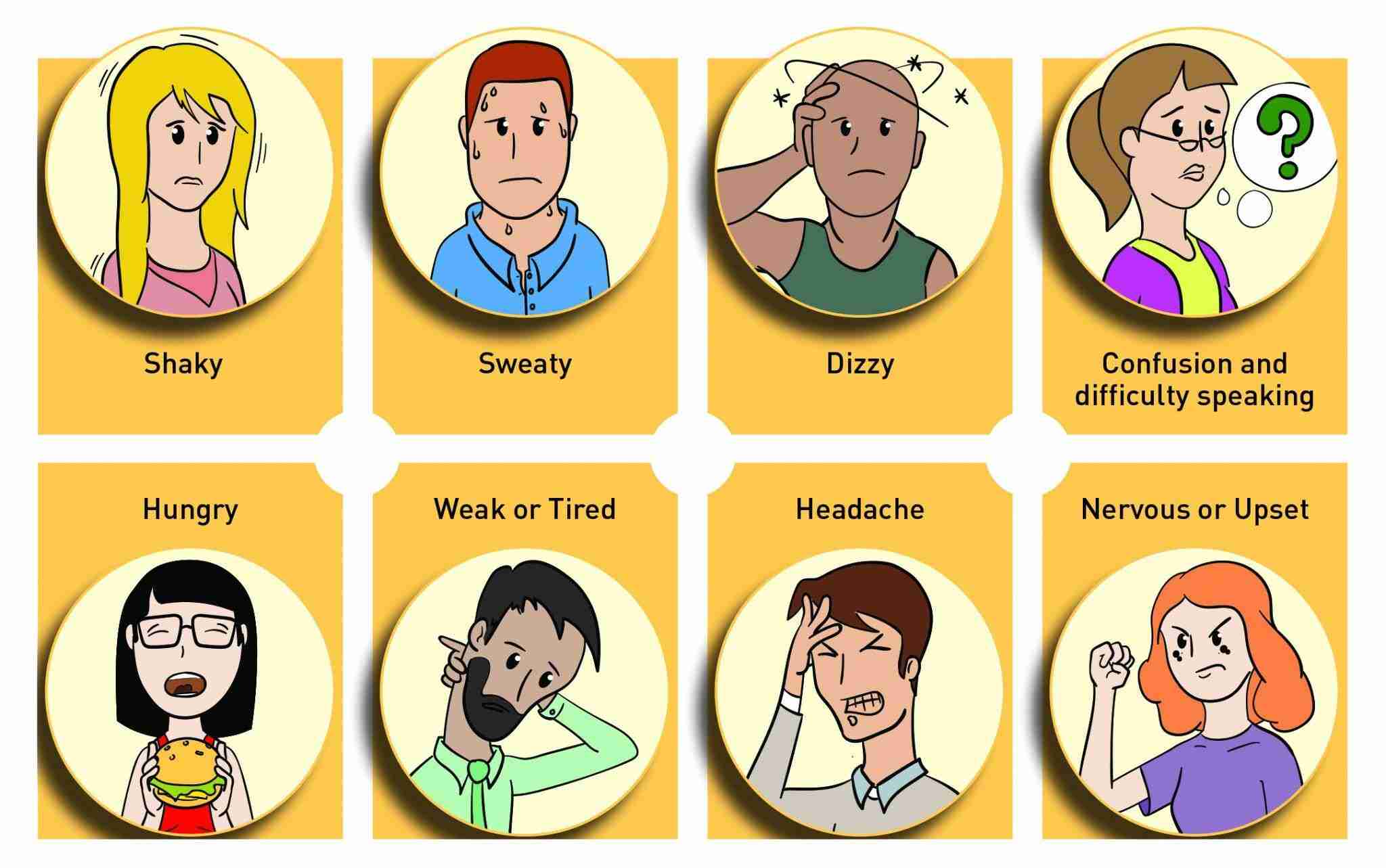
Explanation: A sudden spike or drop in blood sugar can cause intense cravings for carb-heavy foods like nachos.
Scientific Insight: Quick-digesting carbs from chips can provide rapid energy, but a crash follows soon after.
Tips to Manage:
- Stabilize blood sugar with meals that include protein, fiber, and complex carbs.
- Avoid skipping meals to prevent drops in energy that trigger the craving cycle.
Journal Prompt: Do your cravings usually happen when you’re hungry or low on energy?
Reason #7: Psychological Conditioning

Explanation: Positive emotional memories associated with cheesy nachos can reinforce cravings over time. These cravings can also be linked to childhood rewards or indulgent celebrations.
Scientific Insight: Food cravings are often tied to reward circuits in our brains, making them psychologically driven.
Tips to Manage:
- Reflect on the memories linked to your craving and consider if you’ll enjoy recreating the moment without food.
- Build a new habit of celebrating victories in ways unrelated to food.
Journal Prompt: What memories or experiences come to mind when you think about cheesy nachos?
7 Fun Facts About Cravings for Cheesy Nachos
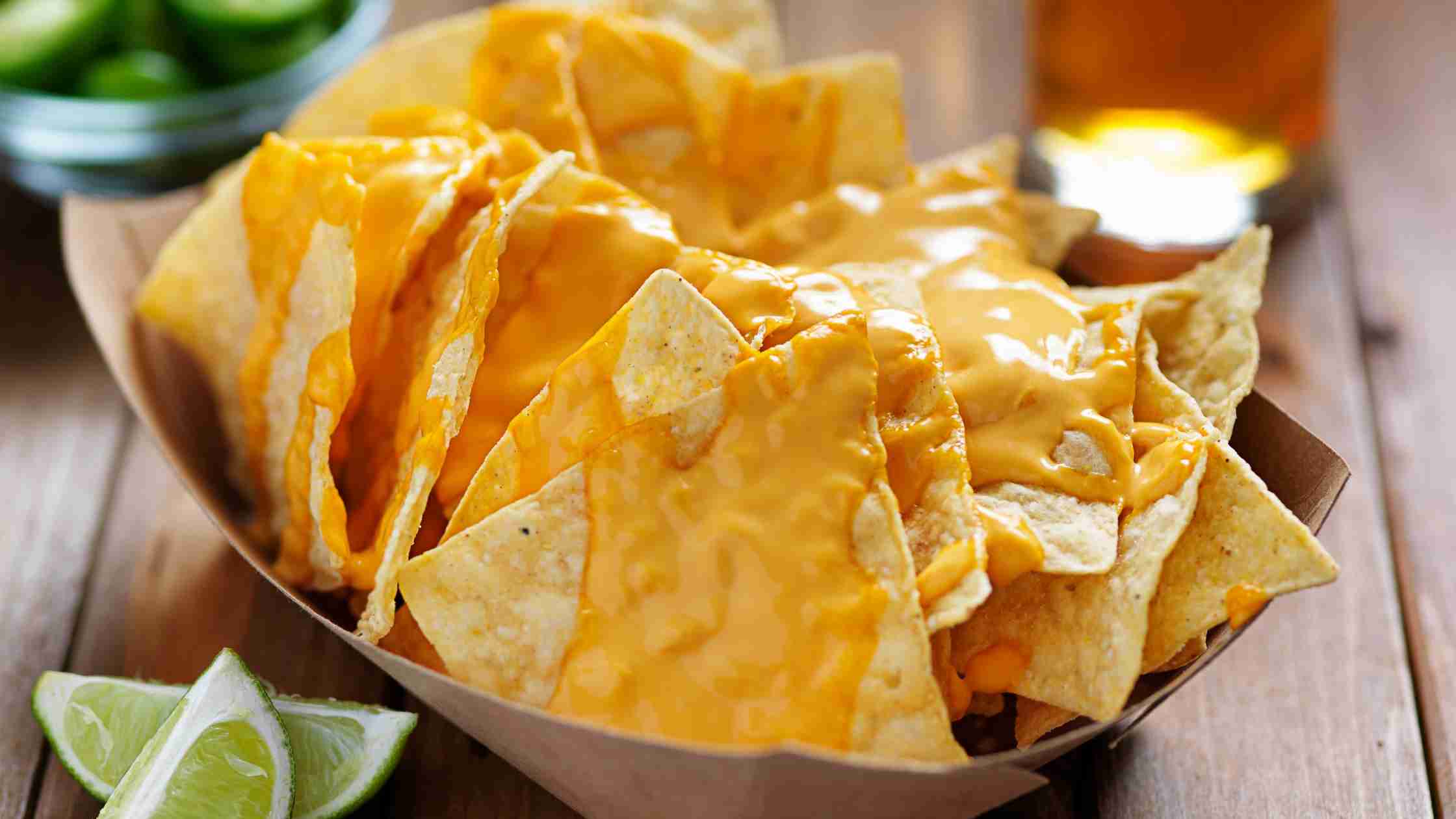
- Nachos Were Invented by Accident
Nachos were created in 1943 by Ignacio “Nacho” Anaya, a maître d’ in Mexico, threw tortillas, cheese, and jalapeños together for a group of hungry diners. The rest is delicious history. - Cheese Triggers a “Feel-Good” Brain Response
Cheese contains casein, a protein that releases opiates when digested, activating pleasure centers in your brain—making it incredibly hard to resist. - The Science of Crunch
The crispy texture of tortilla chips intensifies the sensory experience, and studies show that crunchiness enhances food satisfaction, boosting our nacho cravings. - Cheesy Nachos Are a Game Day Icon
Nachos became a sports stadium staple in the 1970s, thanks to their easy-to-eat format and addictive flavors. Today, they’re synonymous with cheering on your favorite team. - Cultural Crossover
Though rooted in Mexican cuisine, nachos are a global favorite. They are often customized with toppings like pulled pork, guacamole, and kimchi. - Craving Comfort? Blame the Cheese
Cheese is high in fat and salt, stimulating cravings during stress or emotional needs. Thus, nachos are the ultimate comfort snack. - Nachos Day Is a Thing
Every November 6th, fans celebrate National Nachos Day—a perfect excuse to pile on the cheese and indulge in crunchy, gooey happiness!
Cheesy nachos aren’t just a snack—they’re an experience packed with history, science, and global love. Which fun fact surprised you the most?
Cravings and Their Link to Binge Eating Disorder (BED)
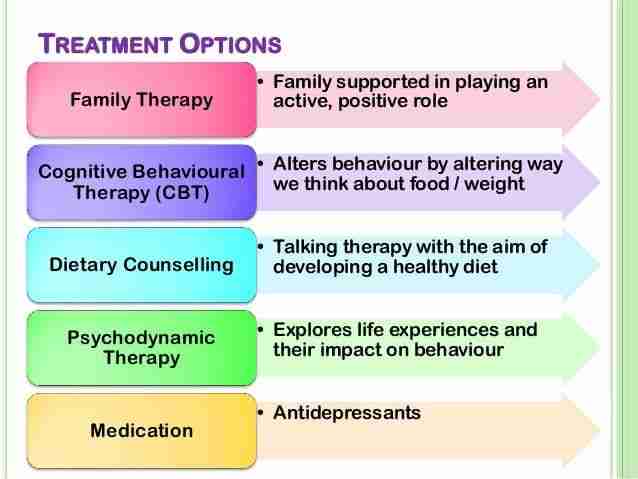
Cravings can feel overpowering, but when they’re persistent or intense, they may point to a deeper issue like Binge Eating Disorder (BED). At the core of BED is the binge-diet cycle—restrictive eating triggers cravings, leading to overeating, followed by guilt and even stricter dieting, perpetuating the struggle.
Recognizing BED
Key signs of BED include emotional eating to cope with stress or sadness, feeling out of control with food, and recurring guilt after indulging. These behaviors can leave you feeling trapped, but understanding their root is the first step toward freedom.
Managing Cravings with Eating Enlightenment
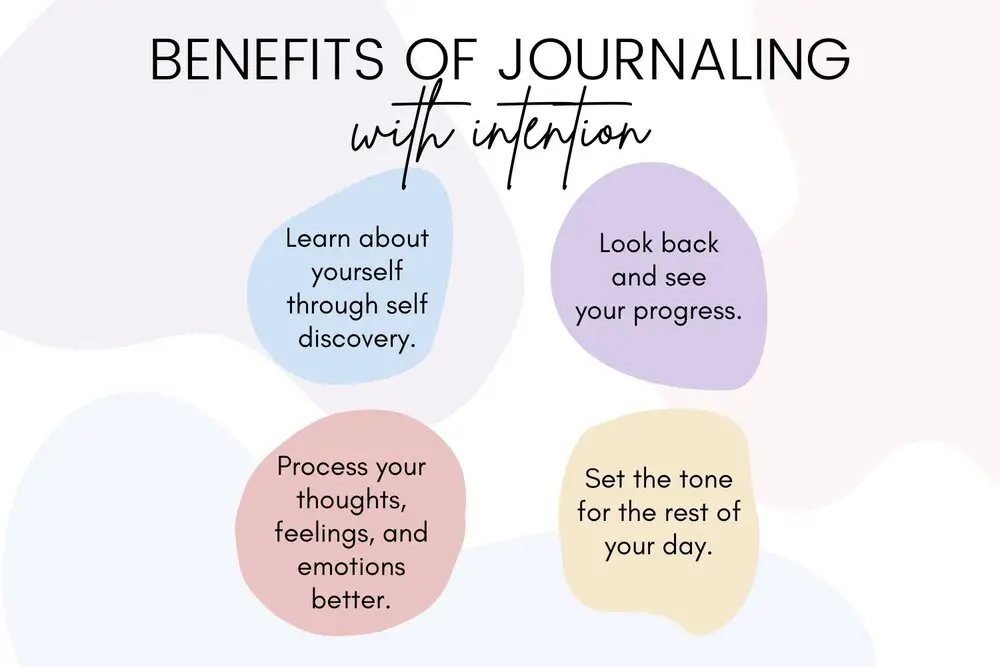
The Eating Enlightenment 3-Step Process helps break this cycle:
- Nutritional Journaling: Track what and when you eat to pinpoint imbalances. Balanced meals, like a protein-rich breakfast, can curb cravings by stabilizing your nutrition.
- Mindfulness Journaling: Record emotions and triggers surrounding cravings. Noticing patterns, like stress leading to snacking, helps you pause and respond with compassion instead of judgment.
- Inner Exploration: Dig deeper into the “why” behind your cravings. Use journaling prompts like, “What need am I trying to meet with this craving?” These insights can uncover emotional wounds or habits tied to past experiences.
With patience and self-awareness, cravings can become insights into your emotional and nutritional needs, paving the way for a healthier relationship with food.
Final Thoughts

Cravings for cheesy nachos aren’t just a fleeting desire; they hold subtle insights about your physical health, emotional well-being, and day-to-day habits.
From possible nutrient deficiencies to emotional comfort-seeking, each reason behind your cravings offers an opportunity to learn more about your relationship with food.
You can transform these cravings into stepping stones toward a healthier, more balanced lifestyle by taking an intentional approach—whether through journaling, mindfulness, or exploring emotional triggers.
Your cravings can be your guide, helping you tune into what your body and mind truly need. Addressing them mindfully satisfies your curiosity and empowers you to make more thoughtful dietary decisions that align with your goals.
Start that journey today by downloading the Eating Enlightenment Journal App—the perfect tool to track your eating patterns, explore emotional triggers, and gain valuable insights into your habits.

With each entry, you’re taking a step toward making healthier decisions, having a satisfying relationship with food, and being free from unchecked cravings.
Understanding your cravings is the first step to healing—and it can start with one cheesy nacho craving at a time! Start journaling today.