

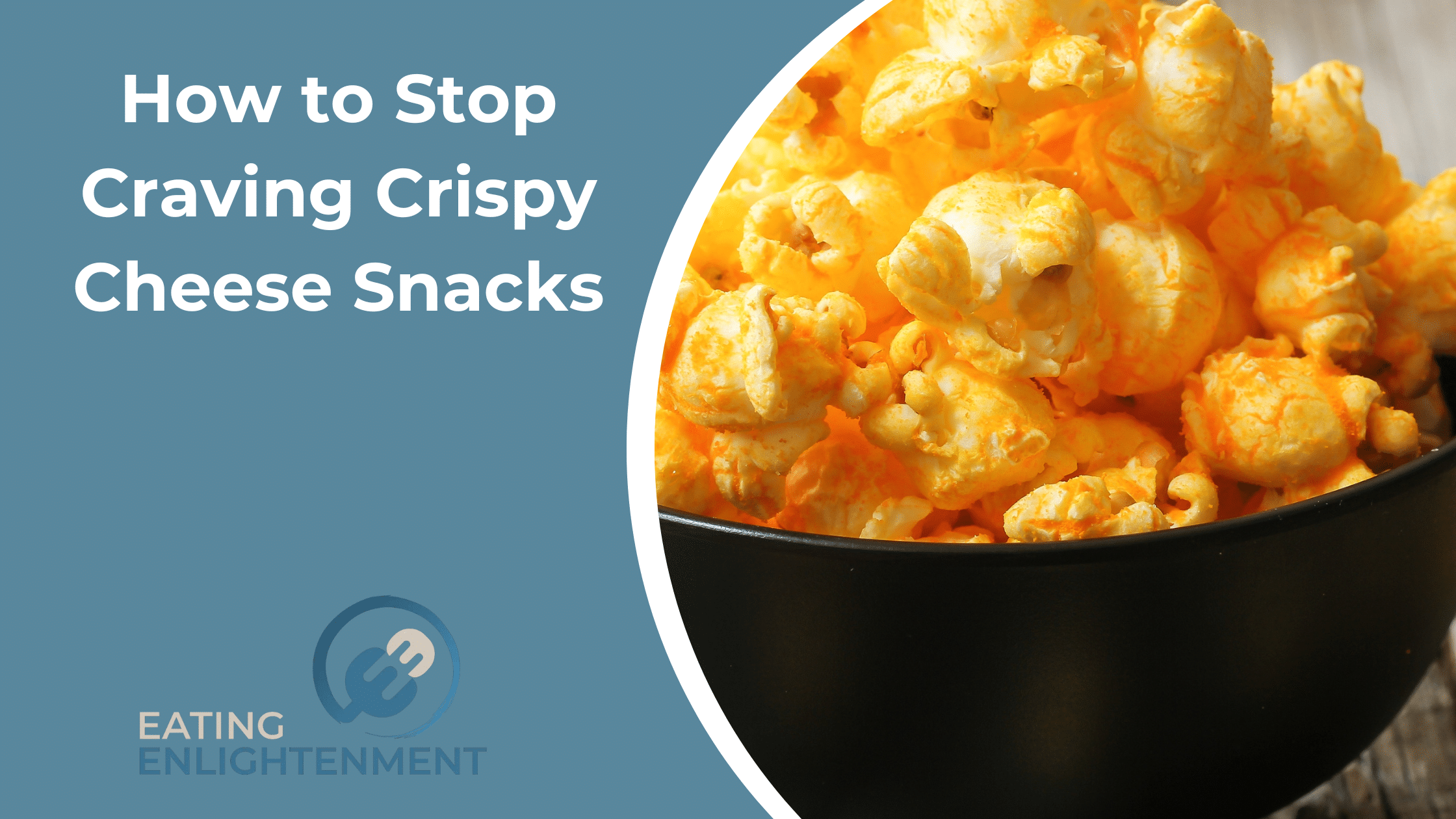
Craving crispy cheese snacks is a familiar struggle for many, often leaving us reaching for a quick fix that may not serve our well-being in the long run.
This blog post delves into how you can transform your relationship with these cravings through a holistic approach.
By understanding the emotional and nutritional aspects of food, and incorporating mindful eating practices, you can begin to manage these urges with greater ease. Join us as we explore practical tips and insights designed to empower you on your journey towards a healthier, more balanced relationship with food.
Understanding Your Cravings
Understanding your cravings begins with recognizing the intricate dance between mind and body. Both psychological and physiological aspects come into play when cravings strike, particularly for foods like crispy cheese snacks. Sensory triggers, such as the sight or smell of gooey cheese, can instantly awaken a desire that seems irresistible.
This sensory allure is often compounded by emotional states—stress or boredom might amplify the longing for comfort foods. Meanwhile, habits and environmental cues, like the routine of snacking while watching TV, subtly reinforce these desires.
To navigate this complex web, start by observing your cravings without judgment. Acknowledge the moments they arise and consider the underlying feelings or situations that may be at play. This heightened awareness is the first step toward a more mindful relationship with your cravings, allowing you to make empowered choices that align with your well-being.
The Emotional Connection to Food

The emotional connection to food often stems from our natural inclination to seek comfort and solace through familiar tastes and textures, particularly in moments of stress or sadness. Cheese snacks, with their rich, indulgent flavors, often become a go-to comfort food, providing a temporary escape from emotional discomfort.
This pattern, known as emotional eating, can inadvertently lead to a cycle of cravings and consumption, where the temporary relief of eating is quickly replaced by the return of the same emotions, prompting further indulgence. Recognizing these emotional triggers is crucial in breaking this cycle. Start by identifying specific feelings that prompt cravings and consider alternative coping mechanisms, such as engaging in a creative hobby or physical activity.
Practicing mindfulness can also help in staying present, allowing you to process emotions without immediately turning to food. By cultivating these strategies, you can begin to foster a healthier relationship with both your emotions and your eating habits.
Nutritional Insights Into Cheese Snacks
- Cheese snacks are often high in calories, making portion control essential to avoid excessive calorie intake.
- These snacks typically contain considerable amounts of fat, particularly saturated fat, which can contribute to elevated cholesterol levels if consumed frequently.
- Sodium levels in cheese snacks are often high, which can lead to increased blood pressure when eaten in large quantities.
- Regular consumption of cheese snacks can contribute to weight gain and associated health issues, such as heart disease and diabetes.
- opt for lower-fat versions or snacks made with reduced-fat cheese to enjoy the flavor with less impact on your health.
- Consider incorporating more nutritious ingredients, like adding vegetables or whole grains, to boost the snack’s nutritional value.
- Reading labels carefully can help you identify lower-sodium options, allowing for healthier choices.
- Understanding portion sizes can prevent overindulgence, helping you enjoy these snacks in moderation.
- Being mindful of how often you indulge in cheese snacks can aid in maintaining a balanced diet and overall well-being.
Mindful Eating Practices

Embracing mindful eating practices can be a powerful tool in overcoming cravings for crispy cheese snacks, as it fosters a deeper awareness of the factors driving your eating habits. By consciously slowing down and savoring each bite, you create a space to genuinely connect with the flavors and textures of your food, reducing the impulse to eat mindlessly. This deliberate approach not only amplifies your satisfaction with smaller portions but also allows you to tune into your body’s natural hunger cues, differentiating between physical hunger and emotional cravings. Practicing mindfulness at meals encourages you to be present, transforming eating into a more intentional and rewarding experience. As you cultivate these habits, you’ll find that your cravings for cheese snacks diminish, empowering you to make choices that align with your wellness journey.
Nutrition Principle
- Embrace proper nutritional principles to manage cravings for crispy cheese snacks effectively.
- Balanced nutrition is essential for reducing the desire for unhealthy snacks by satisfying hunger with a variety of nutrients.
- Incorporate protein, fiber, and healthy fats to keep you feeling full and reduce the temptation of cheese snacks.
- Meal planning helps you stay on track with your nutrition goals and avoid impulsive snacking.
- Focus on whole foods, such as fruits, vegetables, and whole grains, to provide a rich array of nutrients.
- Stay hydrated, as thirst can often be mistaken for hunger, leading to unnecessary cravings.
- Integrate these nutritional strategies into your daily routine to nurture a healthier relationship with food and curb cravings.
Mindful Journaling
To curb cravings for crispy cheese snacks, begin by nourishing your brain with balanced meals that include protein, fiber, and healthy fats to manage cravings effectively. Once your nutritional foundation is set, incorporate mindful journaling before meals. This practice, rooted in Cognitive Behavioral Therapy (CBT), helps you identify emotional triggers and make conscious food choices by reflecting on your thoughts and feelings.
The Eating Enlightenment App can be a valuable tool in this process, offering a structured way to document your journey and gain insights into your eating habits. By blending nutritional awareness with journaling, you can foster a healthier relationship with food and reduce cravings.
Healing Trauma

Cravings for crispy cheese snacks can often be linked to deeper emotional roots, such as unaddressed trauma, which may manifest as a craving for sour or comfort foods. To begin healing these cravings, it’s essential to first establish a foundation of balanced nutrition and mindful Cognitive Behavioral Therapy (CBT) journaling. This approach ensures your body is well-nourished and your mind is attuned to recognizing emotional triggers.
Mindful journaling can gradually evolve into Internal Family Systems (IFS) journaling, which delves deeper into understanding the ‘parts’ of yourself related to these cravings. This process involves exploring the different facets of your personality that may be influencing your eating habits, providing a pathway to healing and integration.
To tackle trauma and inner parts effectively, it’s crucial to approach this journey with patience and self-compassion. Engaging with resources like the Eating Enlightenment Course can offer structured guidance and support, helping you to navigate and heal emotional wounds. By integrating nutritional awareness, mindful journaling, and IFS practices, you can transform your relationship with food and lessen cravings for crispy cheese snacks.
Conclusion
In conclusion, embarking on a journey to curb cravings for crispy cheese snacks requires a compassionate and holistic approach. By gaining a deeper understanding of your cravings, you can begin to unravel the psychological and physiological factors at play.
Recognizing the emotional connection to food illuminates how comfort eating can cycle into habitual cravings, while nutritional insights guide you to make healthier choices. Through mindful eating practices, you can foster a greater awareness of your habits and emotions, allowing for more intentional and satisfying meal experiences.
Exploring empowering alternatives provides new avenues to nourish your body and mind. Remember, the path to a balanced and healthy relationship with food is marked by small, consistent changes that collectively enhance your overall well-being.
Embrace these strategies with patience and kindness towards yourself, and you’ll find that managing cravings becomes an integral part of your growth and wellness journey.