

Have you ever stopped mid-sip of a tangy, creamy glass of buttermilk and thought, “Why can’t I get enough of this?” Maybe it’s the cooling sensation on a hot afternoon or that distinct flavor that feels like a comforting hug from the inside out. But then the question lingers: why do I crave this so much?
If you’ve been wondering the same, you’re not alone—and there’s more to it than meets the eye. Cravings often speak volumes about what your body or mind may need: a specific nutrient, an emotional connection to your past, or even the changing seasons subtly influencing your appetite. Intrigued yet?
Together, we’ll explore five reasons why buttermilk might be calling your name, unraveling the fascinating mix of physiology, psychology, and cultural ties behind this craving.
Along the way, I’ll share mindful ways to help you understand your cravings more deeply and listen to what your body asks for.
Grab your journal and settle in; this is about discovering something new about yourself.

#1. Nutritional Deficiencies
Sometimes, your body knows what it needs better than you do. Buttermilk cravings might indicate that your body seeks specific nutrients, such as calcium, vitamin B12, or probiotics.
Each plays a vital role in maintaining everything from strong bones to a well-balanced gut. Buttermilk is rich in these nutrients, offering a powerful punch of health benefits in just a single glass.
For instance, the probiotics in buttermilk aid digestion and strengthen the immune system by introducing beneficial bacteria to the gut. Calcium supports bone health, while vitamin B12 helps form healthy red blood cells.
If this resonates, pause and explore when you last consumed calcium-rich or probiotic-rich foods. Journaling can help during these moments.
Try asking yourself, “What is my body asking for? How does it feel after consuming nutrient-rich foods like buttermilk?” Reflecting on these patterns allows you to make intentional dietary choices that nourish you from the inside out.
#2. Easier Digestion

If you struggle with lactose intolerance, reaching for buttermilk isn’t surprising—it may be a soothing choice.
Traditional dairy products can be harsh on digestion, but buttermilk’s fermentation process breaks down lactose, making it easier for many people to tolerate.
The same probiotics that support gut health also contribute to improved digestion, and buttermilk’s tangy, comforting nature can be especially appealing after a heavy or rich meal.
Pay attention to how your body responds to buttermilk. Journaling can help you become more aware. Ask, “Do I feel more comfortable or at ease after drinking buttermilk compared to other forms of dairy?” If you experience relief, consider incorporating buttermilk into your diet more mindfully.
However, if lactose sensitivity is a consistent concern, you could try dairy-free fermented alternatives, such as almond or coconut-based yogurts. Always honor what works best for your unique body.
#3. Emotional and Cultural Significance

Sometimes, cravings are more about heart and history than biological needs. Buttermilk has longstanding roots in many cultures, often linked to tradition, family, and heritage.
Maybe you remember enjoying a glass at your grandparents’ house on hot summer days, or it reminds you of dishes from loved ones.
Foods like buttermilk often evoke a sense of nostalgia and emotional comfort, connecting us to rituals that give food a more profound significance.
Think about the emotions that might surface when you drink buttermilk. Journaling can help uncover the layers of meaning within your cravings.
Write about the memories or emotions tied to drinking it. “Who or what am I reminded of when I crave buttermilk?” Use this reflection as an opportunity to savor buttermilk with intention. Instead of drinking it mindlessly, turn the moment into a celebration of your personal or cultural story.
#4. Hydration and Body Cooling
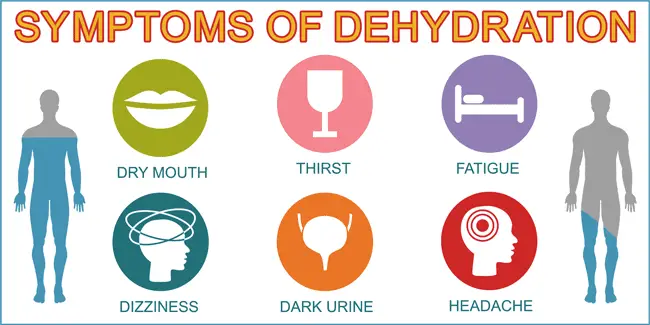
Do you ever crave buttermilk on sweltering days or after a long workout? You’re not alone. With its high water content and natural electrolytes, buttermilk is excellent for hydrating and restoring balance to your body.
It naturally cools you down, making it an ideal beverage during warm seasons or after physical activity. Minerals like potassium help replenish lost nutrients, which might explain why your body instinctively reaches for this option.
Next time you notice these cravings on hot days, ask yourself, “Could I be slightly dehydrated?” Journaling is a simple way to track patterns over time, such as whether your cravings tend to spike during warmer weather.
For a refreshing twist, try blending buttermilk with fresh fruits like mango or berries for a hydrating smoothie that provides extra electrolytes.
#5. Stress-Relief Through Probiotics
Lastly, could your cravings for buttermilk be tied to stress? The health of your gut and brain are closely connected, and the probiotics in buttermilk can help manage stress by improving gut health.
Drinking buttermilk during tense periods might help you feel grounded, like a natural stress reliever. Its creamy texture and tangy taste make it feel indulgent, even though it is packed with benefits for your body and mind.
Take a mindful moment the next time you crave buttermilk when feeling overwhelmed. Open your journal and ask, “Am I turning to buttermilk for comfort? What is this craving trying to tell me about my emotional state?” While enjoying food for comfort is okay, mindfulness creates space to ensure you respond to your body and emotions with care.
If stress is a factor, pair your buttermilk with calming rituals like deep breathing or a short walk.
Debunking Common Myths About Cravings for Buttermilk

Cravings for buttermilk might initially seem peculiar, but they’re worth exploring to understand their origins better. Many assumptions surround this craving, and not all are rooted in fact. Here are some of the most common myths about buttermilk cravings and the truths that bring clarity.
1. Myth: Buttermilk Cravings Mean You’re Lactose Intolerant
Truth: Buttermilk is often easier to digest than regular milk due to the fermentation process, which reduces its lactose content. However, craving buttermilk doesn’t necessarily mean you’re lactose intolerant. It might indicate that you’re drawn to gentler foods on your digestive system rather than experiencing intolerance.
2. Myth: A Buttermilk Craving Signals a Calcium Deficiency
Truth: While buttermilk is a good source of calcium, a craving for it doesn’t automatically imply a deficiency. Cravings are influenced by many factors, including texture, taste, emotional connections, and even gut health. If you frequently crave buttermilk and are concerned about calcium, it’s worth reviewing your diet with a nutritionist.
3. Myth: Craving Buttermilk Is Always Emotional
Truth: Food cravings can indeed have emotional roots, especially if buttermilk reminds you of comforting childhood memories. However, cravings can also be physical. For example, probiotics found in buttermilk might appeal to your body when your gut microbiome is out of balance, helping improve digestion and immunity.
4. Myth: Buttermilk Cravings Are Just Random
Truth: There’s often an underlying reason behind your craving, even if it feels random. It could be your body seeking hydration, electrolytes, or the tart, refreshing buttermilk taste. Understanding these subtle cues can help you make more informed dietary choices.
5. Myth: Cravings Indicate Overindulgence in Salty or Spicy Foods
Truth: While buttermilk is known for its cooling properties and is often served after heavy or spicy meals, cravings aren’t inherently caused by overeating spicy foods. They might be your body’s gentle way of seeking balance or signaling dehydration rather than compensating for indulgent eating.
6. Myth: Buttermilk Cravings Mean You Should Consume It Every Day
Truth: While buttermilk is a nutritious option, it’s unnecessary—or beneficial—to rely on it daily unless it fits well into your balanced diet. Be mindful of your dietary habits and ensure you’re holistically meeting your body’s needs rather than focusing on specific foods.
Like all food cravings, buttermilk cravings have multifaceted causes that vary from person to person. By debunking these myths and exploring the underlying reasons, you can approach your cravings with curiosity rather than judgment, leading to a more mindful and balanced relationship with food.
Understanding the Binge-Diet Cycle

Cravings, especially uncontrollable ones like a sudden desire for buttermilk, can be deeply tied to the binge-diet cycle—a pattern that intertwines food restriction, indulgence, and emotional distress.
This cycle often begins with a period of restriction, whether due to dieting, skipping meals, or avoiding specific foods. Over time, the body and mind crave those foods, leading to overconsumption. A wave of guilt and shame follows, triggering a new attempt at restriction, thus restarting the cycle.
This loop doesn’t just affect eating—it fuels emotional turbulence, leaving you feeling stuck and frustrated. For instance, imagine you’ve skipped meals intending to “be good” with your diet, but by evening, a craving hits hard.
You find yourself binging on foods you avoided all day, only to feel guilt-stricken afterward. This emotional reaction reinforces your resolve to restrict again tomorrow, cementing the cycle.
Recognizing the binge diet cycle as physical and emotional is the first step toward breaking free from it. Instead of seeing cravings as something to fight, try viewing them as signals about what your body or emotions may be asking for.
The Eating Enlightenment Philosophy

The Eating Enlightenment approach offers a compassionate alternative to the binge diet cycle, emphasizing awareness, curiosity, and self-reflection.
Instead of restricting foods and reacting to cravings, Eating Enlightenment invites you to understand the deeper layers behind your desire for certain foods, using mindfulness and journaling as tools for self-discovery.
Step 1 – Nutritional Journaling
Track your meals and eating times to identify patterns that might prompt cravings. Maybe skipping breakfast left you undernourished, making your body signal for easy-to-digest options like buttermilk. Journaling prompts such as “Did my meals today support my body, or could they have triggered this craving?” can create insights into how your intake influences cravings.
Step 2 – Mindfulness of Triggers
Cravings are rarely just about food—they often carry emotional weight. For instance, the brain might lean on comfort foods like buttermilk or other nostalgic favorites after a stressful day. Reflecting on your day with prompts like, “What events or emotions might be behind this craving?” helps you see how external factors connect to internal urges, allowing you to approach them with awareness instead of judgment.
Step 3 – Inner Awareness
Lastly, explore the message behind the craving. Ask questions like, “If my craving could speak, what would it tell me I need right now?” You uncover underlying emotions. Maybe buttermilk symbolizes your need for calm or familiarity. By addressing these emotional needs directly, you can respond to cravings with understanding rather than impulse.
Through these steps, Eating Enlightenment shifts the narrative around cravings. Instead of seeing them as failures, treat them as valuable signals from your body and mind. By engaging with them mindfully, you can cultivate a healthier, more compassionate relationship with food and yourself.
Conclusion:
Cravings for buttermilk are more than just fleeting desires—they can reveal fascinating insights about your body and mind.
Whether your craving stems from a need to restore hydration and electrolytes, improve digestion through probiotics, or seek comfort from nostalgic memories, understanding these impulses is key to making informed dietary choices.
Recognizing the blend of nutritional benefits and psychological triggers behind these cravings empowers you to approach them with curiosity rather than judgment.
Exploring the reasons behind your cravings can enhance your overall well-being and deepen your connection with your body’s needs.
When you’re ready to take the next step, consider the Free Eating Enlightenment Journal App. This intuitive tool will help you track your eating patterns and cravings and uncover the hidden stories behind your relationship with food.
Cravings aren’t problems to fix but messengers to listen to. Download the Free Eating Enlightenment App today and start your journaling practice. It’s your first step toward building a peaceful and compassionate relationship with food—and yourself.