

Our bodies are incredibly complex and interconnected systems, with each part playing a crucial role in our overall health and well-being.
One of the most critical components of our body is our gut—responsible not only for digestion but also for a wide range of bodily functions. It’s no wonder that when something goes wrong in this area, we can experience discomfort and even pain. One factor that often gets overlooked in stomach issues is dehydration.
This blog post will explore the connection between dehydration and stomach discomfort and how maintaining hydration can improve gut health.
The Importance of Gut Health
Before diving into the relationship between dehydration and stomach discomfort, let’s first understand why maintaining a healthy gut is essential.
Our gut is home to trillions of microorganisms, known as our gut microbiome. These microorganisms are critical in regulating digestion, boosting our immune system, and affecting our mental health.
When our gut functions correctly, we can experience improved energy levels, sleep quality, and overall well-being. On the other hand, when something disrupts the balance of our gut microbiome – such as dehydration – it can lead to various uncomfortable symptoms.
Additional signs of dehydration
- Dry mouth and lips
- Dark urine color
- Headaches or lightheadedness
- Difficulty concentrating
- Fatigue or low energy levels
While these are all common signs of dehydration, they indicate that our gut may not function at its best. Let’s examine how dehydration affects gut health.
The Connection Between Dehydration and Gut Health
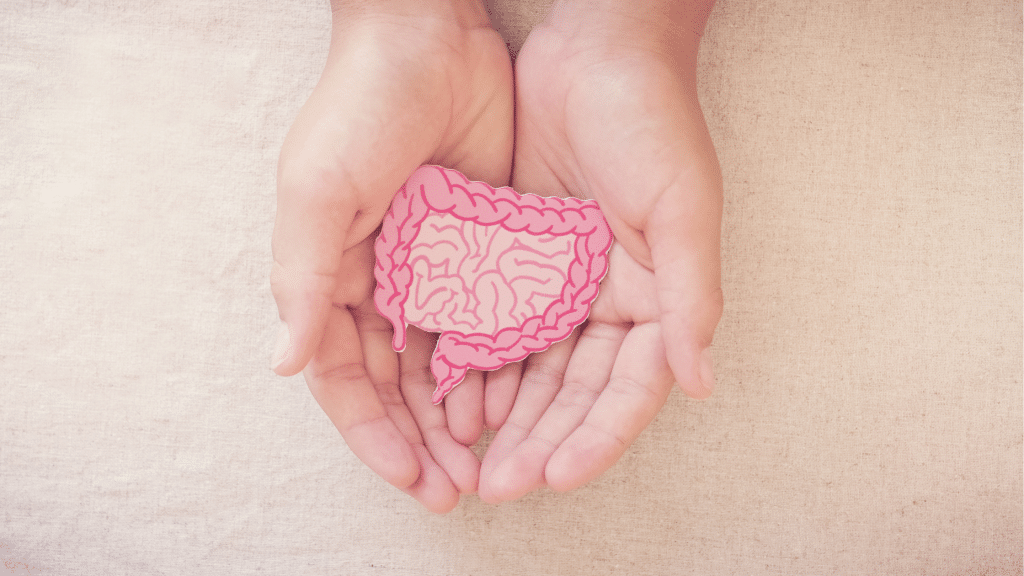
Our body is roughly 60% water, with a large portion stored in our cells. When we become dehydrated, the balance between water and electrolytes (such as sodium, potassium, and chloride) is disrupted, which can directly impact the balance of our gut microbiome.
Studies have shown that dehydration can lead to an overgrowth of harmful bacteria in the gut while simultaneously decreasing levels of beneficial bacteria. This imbalance can lead to digestive issues such as bloating, constipation, and diarrhea.
Dehydration can also cause inflammation in the gut lining, making it more porous and allowing toxins and pathogens to enter our bloodstream. This can result in stomach discomfort and potentially even contribute to conditions such as Irritable Bowel Syndrome (IBS).
The Link Between Dehydration and Stomach Discomfort
We all know the importance of staying hydrated, but did you know that dehydration can directly impact our gut health? When we don’t consume enough water, it affects the composition of our gut microbiome, leading to an overgrowth of harmful bacteria.
This imbalance can cause issues such as bloating, constipation, diarrhea, and even more severe conditions like Irritable Bowel Syndrome (IBS). Additionally, dehydration can slow digestion and lead to inflammation in the gut, resulting in pain and discomfort.
Furthermore, research has shown that drinking water can help improve digestion and relieve symptoms of stomach discomfort. When dehydrated, our body tries to absorb as much water as possible from the colon, resulting in harder stools and difficulty passing them. We can avoid this issue by staying hydrated and supporting regular bowel movements.
Tips for Staying Hydrated
Now that we understand the impact of dehydration on gut health let’s discuss some simple yet effective ways to stay hydrated throughout the day:
- Always keep a reusable water bottle with you and sip on it regularly
- Set reminders to drink water throughout the day
- Eat foods with high water content, such as watermelon, cucumbers, and strawberries
- Drink herbal teas or fruit-infused water for added flavor and hydration
- Limit your intake of dehydrating drinks such as alcohol and caffeinated beverages
What does stomach ache from dehydration feel like?

A stomach ache from dehydration often manifests as a dull, persistent pain or cramping in the abdominal area. This discomfort is typically accompanied by other signs of dehydration, such as dry mouth, excessive thirst, and dark-colored urine. The lack of adequate water intake can lead to digestive issues, as water is essential for proper digestion and nutrient absorption.
When you’re dehydrated, your body struggles to produce enough digestive fluids, which can result in a feeling of bloating or constipation, further intensifying abdominal pain. Additionally, dehydration can cause electrolyte imbalances, contributing to muscle cramps and spasms in the stomach.
It’s essential to listen to your body and address these symptoms promptly. Drinking plenty of water, eating hydrating foods like fruits and vegetables, and avoiding excessive caffeine or alcohol can help alleviate the discomfort. If the pain persists, seeking medical advice is crucial to ensure no underlying health conditions. Remember, staying hydrated is critical to overall well-being and digestive health.
Can dehydration cause stomach pain?
Yes, dehydration can indeed cause stomach pain. When your body lacks sufficient water, it can disrupt the normal functioning of your digestive system. This disruption can lead to various uncomfortable symptoms, including stomach pain.
The pain is often a dull ache or cramping sensation in the abdominal area. Dehydration can make it difficult for your body to produce the necessary digestive fluids, leading to bloating and constipation. These digestive disturbances can further contribute to the discomfort you’re feeling in your stomach.
Moreover, dehydration can cause an imbalance in electrolytes essential for muscle function. This imbalance can result in muscle cramps and spasms, including those in your stomach muscles.
To alleviate this pain, it is essential to stay hydrated by drinking plenty of water and eating hydrating foods such as fruits and vegetables. Avoiding excessive caffeine and alcohol can also help. Remember, proper hydration is critical to your digestive health and overall well-being. If the pain persists, seeking medical advice to avoid other potential causes is wise.
Which body component experiences pain when dehydrated?

When you’re dehydrated, several parts of your body can experience pain. However, one of the most common areas affected is your muscles. Without sufficient water, your body struggles to maintain proper electrolyte balance and muscle function, leading to cramps and spasms.
Your head can also be a source of pain. Dehydration often results in headaches or even migraines because it reduces the flow of oxygen and blood to the brain.
Additionally, your digestive system can be impacted. Dehydration may cause stomach pain, bloating, and constipation, as your body lacks the necessary fluids to help digest food properly.
Drinking plenty of water throughout the day is essential for supporting overall health. This simple habit can prevent discomfort and promote well-being for both body and mind. If pain persists after rehydrating, seeking medical advice to rule out other causes is essential.
Final Thoughts
As this article has explored, staying hydrated is more than just quenching our thirst—it plays a crucial role in maintaining a healthy gut. By understanding the impact of dehydration on digestive health and incorporating simple tips into our daily routines, we can support and nourish our bodies holistically.
Remember to listen to your body’s thirst signals, prioritize hydration, and make it a team effort by encouraging those around you to do the same.
Let’s raise a glass of water to happy tummies and good digestion together. Cheers! Keep on hydrating, folks!
Let’s continue this journey toward optimal gut health with compassion, empowerment, and a holistic approach. Our bodies are excellent vessels that deserve care, so let’s start from the inside out with hydration as one of our top priorities. Here’s to a healthier