


Have you ever opened your fridge, spotted a wedge of blue cheese tucked away, and felt an irresistible urge to indulge in its creamy, tangy decadence?
Maybe it’s on a crunchy cracker, melting into a perfectly grilled steak, or paired with a drizzle of honey—it’s hard to resist the complex flavor that feels like a bit of luxury on your plate.
But what is it about blue cheese that can spark such powerful cravings? Why does this particular food call out to you so strongly?
Food cravings may seem random at first glance, but believe it or not, they’re often your body’s way of sending essential signals.
Whether it’s a nutritional need, an emotional connection, or even a quirk of your taste buds, your desire for blue cheese could carry more meaning than you think.
In this post, we’ll uncover the six most likely reasons behind your craving for blue cheese—from nutrient deficiencies to the psychological comfort of its bold and familiar flavor.
Along the way, we’ll explore how journaling can help you get to the root of these cravings, offering insights into your mind and body.
Together, we’ll look beyond the surface of this craving to better understand what it’s telling you. Discover how food, feelings, and flavors connect in the most fascinating ways!

Reason #1. Nutrient Deficiencies – Could Your Body Be Speaking Up?
One reason you could be craving blue cheese is a need for essential nutrients like calcium or phosphorus.
These minerals are essential for strong bones, muscle function, and energy production. Blue cheese is exceptionally high in calcium, with a one-ounce serving packing about 150 mg of the mineral.
It’s also rich in spermidine, which researchers believe may have anti-inflammatory benefits and support heart health.
If your diet is low in calcium-rich foods—like leafy greens, almonds, or dairy—you might find yourself hunting for something to fill the gap.
Keeping a weekly food journal can help identify what your meals are missing. Ask yourself, “Does my diet consistently include nutrient-rich options?” If not, try adding small servings of kale, fortified soy milk, or other calcium-packed foods. This easy step might curb your blue cheese craving over time.
Reason #2. The Allure of Salt – Your Brain’s Reward System

The salty kick of blue cheese might also explain your craving. Salt triggers the brain’s reward system by releasing dopamine, the “feel-good” chemical.
This response creates a cycle of seeking highly salted foods for comfort or pleasure. Over time, this can turn into a habit that reinforces itself without you even realizing it.
Next time the craving strikes, take a quiet moment to journal. Ask yourself, “What am I feeling right now? Am I stressed, tired, or looking for comfort?” Identifying the emotional trigger behind your cravings gives you space to pause and consider your options.
Instead of salt, consider flavor-packed alternatives like fresh herbs, spices, or nutritional yeast. To enjoy blue cheese, pair it with fresh fruit like apples or pears. The natural sweetness complements the salty tang, making it a more balanced indulgence.
Reason #3. Unique Flavor Profiles – A Sensory Adventure
Blue cheese has a sharp, tangy flavor that’s unlike anything else. This kind of craving can signal a desire for bold, adventurous tastes or even novelty in your diet.
Foods like blue cheese appeal to those who enjoy experimenting or need variety to feel satisfied. They’re often an “acquired taste,” meaning people tend to crave them more as they grow familiar with and appreciate their depth.
Try an experiment the next time you reach for blue cheese. Journal how eating it makes you feel—adventurous, comforted, indulgent? Acknowledging these emotions can help deepen your connection with the foods you eat.
Try other umami-packed foods like roasted mushrooms, miso soup, or tempeh to broaden your bold-flavor horizons. You might discover new ways to satisfy your cravings in a more varied, nutrient-rich way.
Reason #4. Stress, Mood, and Emotional Connections

Stress and emotional ties to food often drive cravings—blue cheese included. Fatty and salty foods can trigger serotonin production in the brain, offering temporary comfort during stressful moments.
If you reach for it after a tough day, this could be your body’s way of coping with emotional overload or a need for calm.
Take a moment to reflect on your recent mood patterns. Journaling questions like “Was I feeling stressed, lonely, or fatigued when the craving hits?” can reveal emotional triggers for your cravings.
To cope, consider calming alternatives like mindfulness practices, breathing exercises, or sipping a comforting bowl of veggie soup.
If you still want blue cheese, pair it sparingly with a fresh salad or veggies for indulgence and lightness.
Reason #5. The Role of Microbes – Gut-Brain Connection

Did you know your gut organisms could be impacting your blue cheese cravings? Your microbiome—the trillions of bacteria in your digestive system—significantly determines which foods you crave.
Certain bacteria thrive on fatty, fermented foods like blue cheese and may send your brain signals to eat more of them.
You can explore this connection by journaling about your digestion after eating blue cheese. Ask questions like, “Do I feel sluggish or energized afterward?” If your cravings seem tied to gut imbalances, consider improving your gut health with probiotics (like yogurt or fermented vegetables) and prebiotic-rich foods like bananas or garlic.
Staying hydrated and eating various whole foods can also encourage a healthier microbiome.
Reason #6. Could It Be a Sugary Substitute?

Sometimes, craving calorie-dense foods like blue cheese might be your body’s way of asking for quick energy.
If your blood sugar dips too low, you might mistake that need for something creamy and rich. This can happen if you skip meals or rely on sugary snacks, which causes energy crashes later.
Take a step back and assess your eating patterns. Journaling questions like, “Am I skipping meals or snacking on too much sugar before my cravings start?” can uncover patterns worth addressing.
To stabilize your energy and reduce cravings, snack on small, balanced foods like a handful of nuts, Greek yogurt, or a protein-packed smoothie. Regular, nourishing meals make it easier to enjoy blue cheese in smaller, more satisfying amounts without feeling like losing control.
6 Fun Facts About Blue Cheese Cravings

1. The Science of Moldy Magic
Blue cheese’s tangy taste comes from Penicillium mold, which creates its signature sharp flavor. Interestingly, this mold also stimulates our taste buds, making the craving even stronger!
2. A Royal Favorite
Loved by King Charles VI of France, Roquefort cheese gained fame as “the cheese of kings and popes.” Your craving connects you to centuries of elite indulgence!
3. Unique Pairings Delight
Blue cheese pairs amazingly with unexpected flavors like honey, pears, or dark chocolate. If you’re craving it, try a mix for an extra flavor.
4. Cultural Staple
Regions like France and Italy celebrate blue cheese in culinary traditions, making it a go-to ingredient for luxury and culture enthusiasts.
5. Your Umami Fix
The umami in blue cheese gives it a taste profile similar to aged meats or soy sauce, hitting that savory sweet spot in your brain.
6. Comfort in a Bite
Blue cheese can trigger nostalgic comfort. Studies suggest the creamy texture and bold flavor may remind us of rich, home-style meals!
Cravings as a Sign of Binge Eating Disorder

Persistent food cravings, like an overwhelming desire for blue cheese, might reveal more than a love for bold flavors.
They can signal more profound challenges such as binge eating disorder (BED). This condition involves cycles of restriction, loss of control when eating, and guilt—trapping individuals in a pattern that feels hard to break.
Often, cravings stem from these cycles, where depriving yourself of certain foods triggers an intense, uncontrollable need, followed by regret. Reflect on this question: “Do I notice patterns of restricting certain foods before I crave them?”
The Eating Enlightenment Approach

Breaking this cycle starts with compassionate steps:
- Nutritional Foundation
Eat consistent, balanced meals to prevent extreme hunger. Journal what you eat and how your body feels to ensure you’re nourishing yourself. Ask, “Am I eating consistently to sustain my energy?” - Mindfulness of Cravings
Pause and reflect when cravings strike. What are you feeling—stress, boredom, or a need for comfort? Practice mindful eating by savoring food intentionally, which can help reduce overeating. - Healing Inner Parts
Cravings are often tied to unresolved emotions. Use journaling to explore, “Which part of me feels soothed by this craving? How else can I meet that need?” This helps shift away from relying on food alone for emotional relief.
Understanding your cravings and applying these steps can transform your relationship with food. Start small—journal one craving this week and see where it leads you.
Final Thoughts:
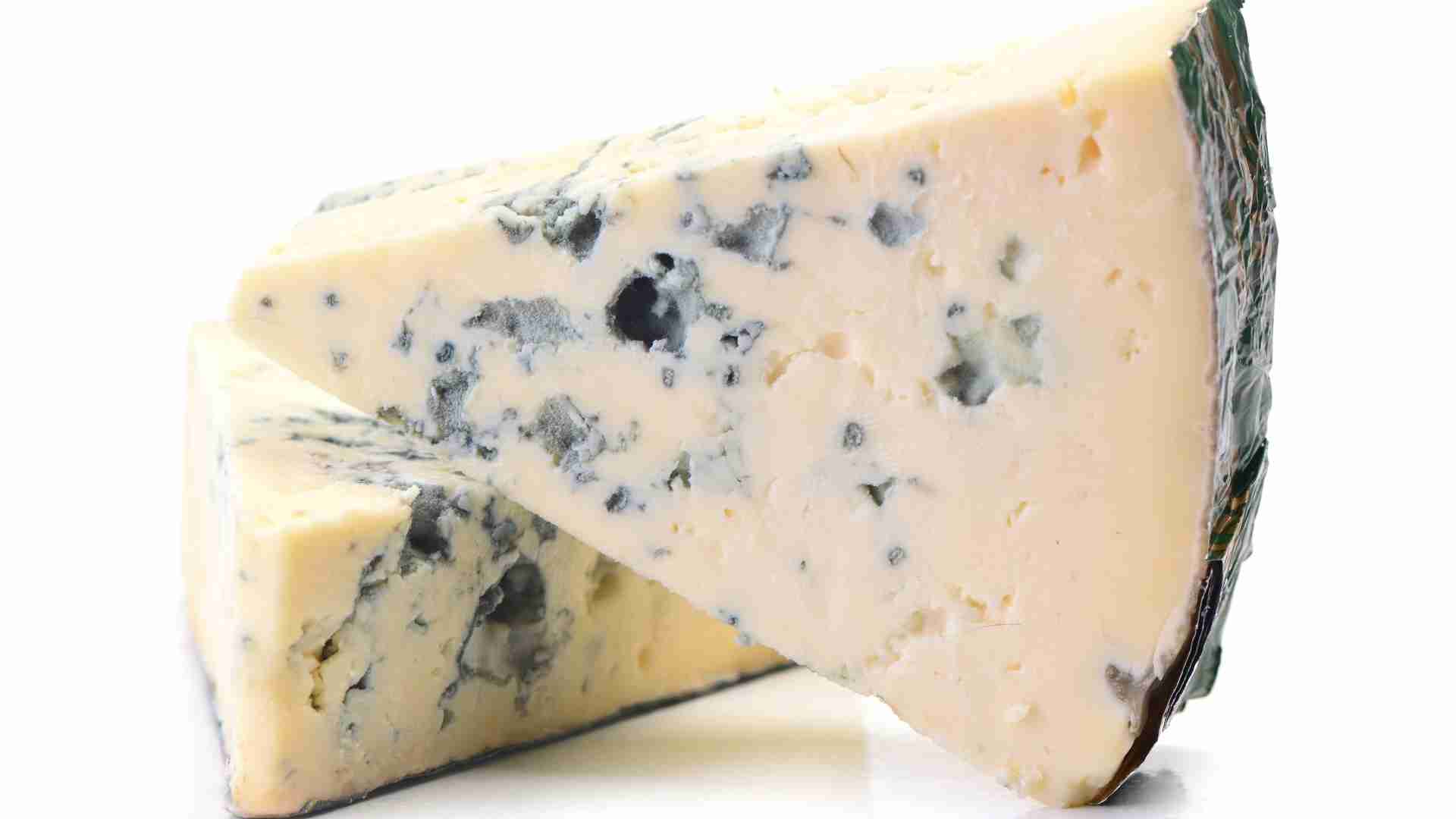
Cravings, like your desire for blue cheese, often hold clues about your body’s needs, emotions, or unique taste preferences.
Whether it’s a call for more calcium, a craving for bold flavors, or a comforting connection to past experiences, exploring these triggers can illuminate your overall relationship with food.
Take the next step in understanding your cravings by downloading the free Eating Enlightenment Journal App.
This tool helps you track what you eat, how you feel, and the patterns behind your habits. By journaling your food intake and emotions, you can uncover the deeper reasons behind your cravings and start making mindful, empowered choices.
Your craving is more than just a whim—an invitation to learn and grow. Start your nutritional discovery today with the Eating Enlightenment Journal App. Because every bite is an opportunity to understand yourself better, one step at a time!