

Is dark chocolate dairy-free?
This question often arises among health enthusiasts and food lovers alike. With the rise of dietary restrictions and the popularity of plant-based lifestyles, understanding what goes into our favorite treats has never been more critical.
This blog will explore the relationship between dark chocolate and dairy, helping you make informed choices while indulging in delicious flavors.
In this article, you will learn about the ingredients that make up dark chocolate, how to identify dairy in chocolate labels, and which dark chocolate brands offer dairy-free options.
We will also discuss the health benefits of dark chocolate and how to incorporate it into your diet.
By the end, you’ll understand whether dark chocolate fits your dairy-free lifestyle and some delightful suggestions for your next tasty treat.
Overview of Dairy in Chocolate Production
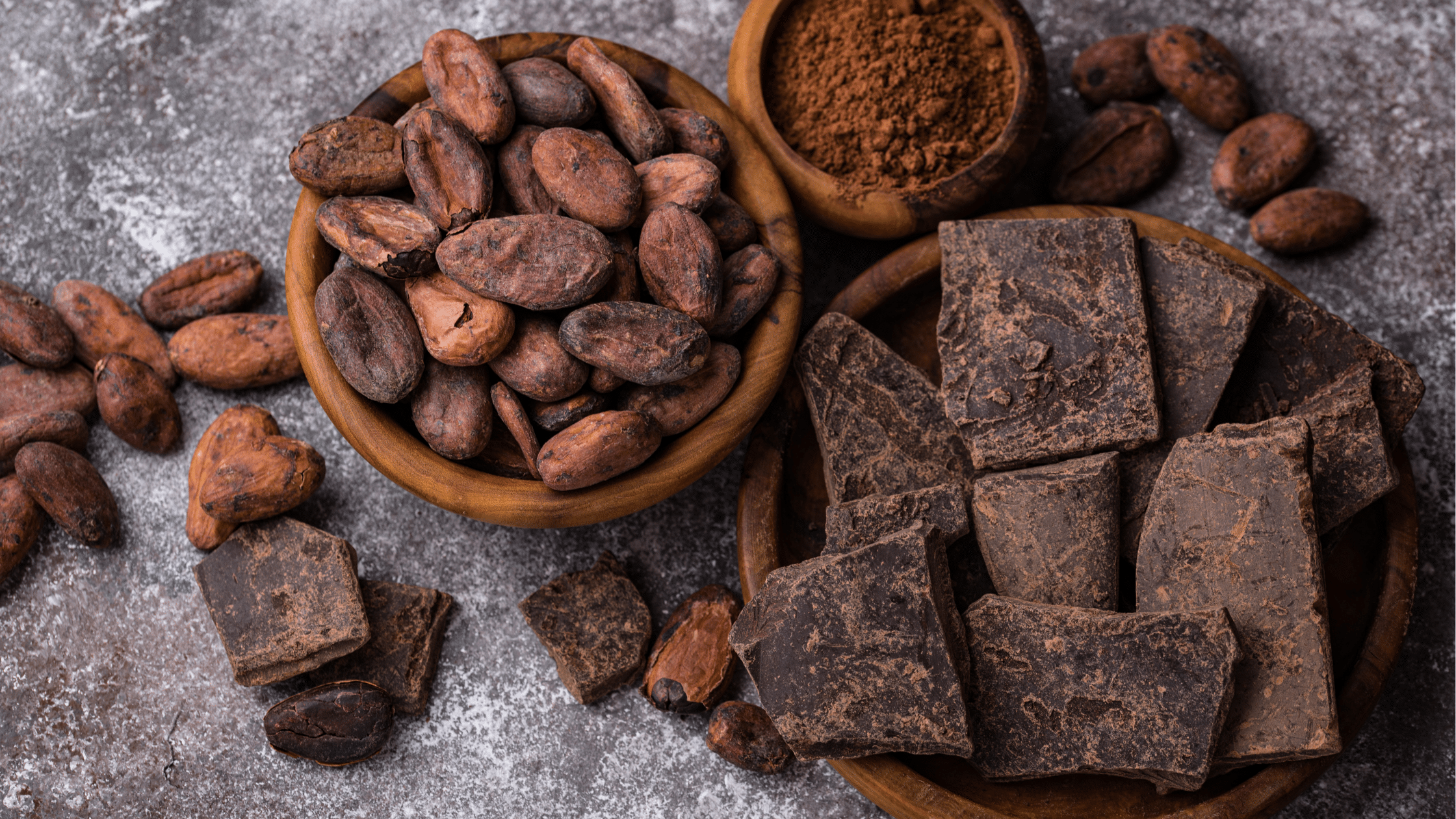
Chocolate production is a fascinating process that begins with cacao beans. These beans are fermented, dried, roasted, and ground to produce chocolate liquor.
This liquor can be further processed into cocoa solids and cocoa butter, both essential components of chocolate. While many chocolate varieties contain milk or dairy products, not all do.
Milk chocolate, for example, is made by adding milk powder to the chocolate liquor. This gives it a creamy texture and a sweeter flavor. However, dark chocolate is different.
It typically contains a higher percentage of cocoa solids and does not require milk for its production. This difference is critical for those seeking dairy-free options.
While dark chocolate is less likely to contain dairy, it’s essential to note that cross-contamination can occur during processing.
If dark chocolate is made in facilities that also handle milk chocolate, traces of dairy may be present. This is why reading labels is crucial if you have a dairy sensitivity or allergy.
Understanding Dark Chocolate: Ingredients and Benefits
Dark chocolate is made primarily from cocoa solids, butter, and sugar. These primary ingredients set it apart from other types of chocolate. The absence of milk makes dark chocolate suitable for many people who avoid dairy.
Health Benefits of Dark Chocolate
Dark chocolate is not only delicious but also packed with health benefits. Rich in antioxidants, it can help combat oxidative stress in the body.
Studies suggest that consuming moderate amounts of dark chocolate can improve heart health by lowering blood pressure and improving blood flow. Additionally, flavonoids and theobromine may enhance brain function and mood.
Another advantage of dark chocolate is its lower sugar content than milk chocolate. This makes it a better option for those looking to manage their sugar intake.
Select varieties containing at least 70% cocoa to maximize these health benefits when choosing dark chocolate.
A Versatile Ingredient
Beyond its health properties, dark chocolate is incredibly versatile. It can be enjoyed on its own, melted into sauces, or used as an ingredient in various recipes. Dark chocolate pairs well with fruits, nuts, and spices, making it a delightful addition to savory and sweet dishes.
The Dairy-Free Aspect of Dark Chocolate
The answer to dark chocolate being dairy-free is often yes but with some caveats.
Many brands market their dark chocolate as dairy-free, but checking the packaging for confirmation is essential.
The key is looking for specific labels indicating that the product is dairy-free.
Common Misconceptions
A common misconception is that all dark chocolate is inherently dairy-free.
While most dark chocolate varieties do not contain milk as an ingredient, some may still have trace amounts due to cross-contamination during manufacturing.
This is especially true for brands producing milk and dark chocolate in the same facility. Always read the label carefully to avoid unwanted surprises.
What to Look For
To ensure you’re choosing dairy-free dark chocolate, look for specific indicators:
- Ingredient List: Check for the absence of milk, milk fat, or whey.
- Allergy Warnings: Many manufacturers warn about potential cross-contamination with dairy on their packaging.
- Certifications: Some brands will carry certifications for being dairy-free or vegan, providing peace of mind.
How to Identify Dairy in Chocolate Labels

Reading chocolate labels can feel daunting, but you can quickly identify dairy-free options with some guidance. The following tips will help you decode labels effectively.
Key Ingredients to Avoid
When perusing labels, keep an eye out for the following terms that indicate the presence of dairy:
- Milk Powder
- Cream
- Butter
- Whey
- Casein
These ingredients signal that the chocolate contains dairy and may not suit your needs.
Understanding Label Claims
Many chocolate manufacturers use terms like “may contain” or “processed in a facility that also processes dairy.” These phrases indicate that while the product may not contain dairy as an ingredient, there is a risk of cross-contamination. Avoiding products with these disclaimers is best if you have a severe dairy allergy.
Seeking Transparency
Some brands pride themselves on transparency in their ingredient sourcing and manufacturing processes. Look for brands that clearly state their production practices and any potential allergens. This information is valuable for making informed choices that align with your dietary preferences.
Dark Chocolate Brands and Products That Are Dairy-Free
With the demand for dairy-free options rising, numerous brands are stepping up. Here are some famous brands and products that offer delicious dairy-free dark chocolate:
Enjoy Life
Enjoy Life Foods is dedicated to creating allergen-friendly treats. Their dark chocolate chips and bars are dairy-free and free from the top eight allergens. They make a great addition to cookies and smoothies or are enjoyed independently.
Hu Chocolate
Hu Chocolate is known for its commitment to clean ingredients. Their dark chocolate bars are organic, refined sugar-free, and dairy-free. Flavors like Almond Butter and Hazelnut provide a gourmet experience without dairy.
Alter Eco
Alter Eco offers a range of dark chocolate bars that are dairy-free and ethically sourced. Their selection includes unique flavors such as Salted Caramel and Mint Coconut, ensuring there’s something for every palate.
Theo Chocolate
Theo Chocolate prides itself on transparency and sustainability. Its Fair Trade dark chocolate bars are rich in flavor and dairy-free. It even offers dark chocolate with raspberry for a fruity twist.
Incorporating Dairy-Free Dark Chocolate into a Healthy Diet
Incorporating dairy-free dark chocolate into your diet can be both enjoyable and beneficial. Here are some practical tips on how to do so:
Smart Snacking
Swap out sugary snacks for a piece of dairy-free dark chocolate. Not only does it satisfy your sweet tooth, but it also provides health benefits. Pair it with nuts or fruit for a balanced snack that keeps you feeling full longer.
Baking and Cooking
Use dairy-free dark chocolate in your baking and cooking. Melt it for a rich chocolate sauce to top pancakes or drizzle over desserts. Incorporate it into brownies or cookies for a decadent touch without compromising your dietary needs.
Smoothies and Shakes
Add dairy-free dark chocolate to your smoothies for a delicious, chocolatey flavor. Blend it with bananas, spinach, and almond milk for a nutrient-packed drink that satisfies your cravings. It’s a delightful way to enjoy the benefits of dark chocolate while getting your daily serving of greens.
Is dark chocolate made with dairy?
Dark chocolate is often famous for those looking to enjoy a treat while maintaining a balanced diet. One common question is whether dark chocolate contains dairy.
Generally, dark chocolate does not include dairy as an ingredient. Its primary components are cocoa solids, cocoa butter, and sugar. However, it’s essential to note that some brands may add milk fat or milk powder to enhance texture or flavor. Additionally, cross-contamination can occur in facilities that also process milk chocolate, which might result in trace amounts of dairy being present.
If you have a dairy allergy or follow a strict dairy-free diet, it’s crucial to read the ingredient list and look for any potential allergen warnings. Opt for dark chocolate labeled “vegan” or “dairy-free” to ensure it meets your dietary needs. This way, you can enjoy the richness of dark chocolate while staying true to your wellness journey.
Is dairy-free 70% dark chocolate?

Those who appreciate a rich and intense flavor often prefer dark chocolate with a cocoa content of 70%. Many people wonder if this type of dark chocolate is dairy-free.
Typically, 70% of dark chocolate does not contain dairy ingredients. Its primary components are cocoa solids, cocoa butter, and sugar. However, it’s essential to know that some manufacturers may add milk fat or milk powder to their dark chocolate products. Additionally, cross-contamination can occur in facilities that process milk chocolate, which could lead to trace amounts of dairy.
To avoid dairy, it’s vital to check the ingredient list on the packaging and look for any allergen warnings. Choosing dark chocolate labeled “vegan” or “dairy-free” can ensure that it aligns with your dietary preferences. This way, you can savor the deep, complex flavors of 70% dark chocolate while supporting your holistic wellness journey.
Which type of chocolate doesn’t include dairy?
- Pure Dark Chocolate: Generally, dark chocolate made with a high percentage of cocoa solids (typically 70% or higher) does not include dairy. Always read the ingredient list to ensure no milk products are added.
- Vegan Chocolate: Specifically labeled as vegan, this type of chocolate guarantees it has no dairy ingredients. It is made from cocoa butter, cocoa solids, and plant-based alternatives.
- Raw Chocolate: Made from unroasted cacao beans, raw chocolate often avoids dairy and other additives. It’s an excellent option for those looking to enjoy chocolate in its most natural form.
- Organic Dark Chocolate: Many organic brands produce dark chocolate without dairy. These options usually emphasize pure ingredients and minimal processing.
- Cocoa Nibs are small pieces of crushed cocoa beans with a pure chocolate flavor without added dairy. They are perfect for a wholesome and natural chocolate experience.
- Carob Chocolate: Made from carob powder instead of cocoa, this alternative chocolate is naturally dairy-free. It offers a sweet, chocolate-like taste without the caffeine found in traditional chocolate.
Conclusion: The Versatility and Benefits of Dairy-Free Dark Chocolate
In summary, dark chocolate can be dairy-free, making it a delightful choice for health enthusiasts and food lovers.
Understanding the ingredients, reading labels carefully, and exploring the myriad of dairy-free options available allow you to enjoy this beloved treat without worry.
The health benefits, versatility, and indulgent flavors of dairy-free dark chocolate make it a fantastic addition to any diet.
As you explore the world of dairy-free chocolates, consider trying different brands and recipes. You may discover exciting combinations that elevate your experience.
Share your favorite dairy-free chocolate recipes and creations, and join the community of chocolate lovers who appreciate the richness of dairy-free dark chocolate. Your taste buds—and your body—will thank you!