

Have you ever daydreamed about basil’s fresh, earthy aroma or added parsley and cilantro to every plate like they’re the main event? If craving leafy herbs feels like your thing lately, you’re in good company. Food cravings can be surprisingly specific, and while they might seem odd at first, these moments of longing often carry messages from your body. It’s as if your inner self raises its hand and says, “Hey, listen up. I need something more—physically, emotionally, or maybe even culturally.”
Understanding your cravings can do more than satisfy your curiosity. It can unlock a deeper connection to your body’s needs, whether you’re missing key nutrients, managing emotional triggers, or tapping into the comfort of familiar flavors tied to warm memories. These herb cravings can shed light on your overall health and habits unexpectedly.
We’ll explore six reasons for your herb cravings and how mindful journaling can help you address them compassionately. Get ready to transform your relationship with food and yourself.
Six Potential Reasons You’re Craving Leafy Herbs
#1 A Closer Look at Nutritional Needs

Leafy herbs like parsley, cilantro, and basil are nutritional powerhouses, rich in vitamins such as A, C, and K and minerals like iron and magnesium. If your body runs low on these micronutrients, you might be drawn to foods that supply them, even without realizing it. For example, vitamin K is crucial in bone health and blood clotting. Some experts also suggest that craving fresh herbs could indicate a need for antioxidants, which help your body repair on a cellular level.
Try keeping a simple food journal to understand if this resonates with you. Reflect on your recent meals and check for skimping on fresh produce or nutrient-dense foods. Journaling can reveal patterns you may have missed, helping you gently guide your eating habits toward balance.
#2 Restoring Hydration and Electrolytes

Some leafy herbs—like mint and cilantro—are naturally calm and refreshed. If you’ve been feeling dehydrated after a workout, a long day in the sun, or even an illness, these cravings may be your body’s way of asking for hydration. Herbs can also help restore electrolytes lost during these moments, aiding your body’s recovery.
Ask yourself, “When did I last drink enough water or replenish electrolytes? Writing this down and when your cravings appear can help you spot connections. For example, if your herb cravings hit hardest during or after stressful, busy days, your hydration needs might not be met.
#3 A Call for Digestive Support

Your craving for basil or mint might come down to how well your digestive system is functioning. Certain herbs are known to support gut health. Mint, for example, helps soothe bloating, while cilantro has been found to assist with detoxification by reducing oxidative stress. If your digestion hasn’t been at its best—feeling sluggish or irregular—it’s no wonder your body might be nudging you toward natural remedies like these.
Think back to how your body feels after meals. Consider tracking this in a journal if you’ve been experiencing discomfort or heaviness. Knowing how your digestion and herb cravings intertwine can guide you toward meals that help your gut thrive.
#4 The Need for Freshness and Change
Sometimes, cravings have less to do with nutrition and more to do with sensory satisfaction. Leafy herbs are aromatic, refreshing, and light. If your meals have leaned heavily on processed or dense foods, you may yearn for something simple and vibrant—leafy herbs can fill that void.
Ask yourself if your meals have been repetitive or lacking creativity. Adding herbs like basil or mint to a dish can transform its flavor with virtually no effort. By journaling about your meals, you can uncover ways to bring balance and excitement back to your plate.
#5 Emotional Connections in Cravings
For many of us, the smell or taste of certain herbs awakens memories. Maybe basil reminds you of your grandmother’s homemade pasta, or the scent of cilantro stirs up feelings of home-cooked meals. These cravings often go beyond physical hunger, representing a longing for comfort, familiarity, or nostalgia.
Reflect on your emotions when the cravings arise. Does the smell of parsley make you smile? Do you feel calmer when mint is part of your meal? Writing down how these herbs connect you to positive memories or emotions can clarify whether these cravings stem from an emotional need and how to meet it.
#6 A Pursuit of Healing
Herbs also bring potent anti-inflammatory and healing properties. Parsley, for instance, can help reduce markers of inflammation, while cilantro may aid in calming fatigue and early-stage illness symptoms. When your body needs gentle healing, these cravings may surface naturally to fight off what’s dragging you down.
If you occasionally feel run-down or physically spent, consider whether craving herbs coincides with these moments. Journaling how your body feels throughout the day might reveal subtle patterns and point you toward proactive ways to support your health.
Are Cravings a Sign of Binge Eating Disorder?
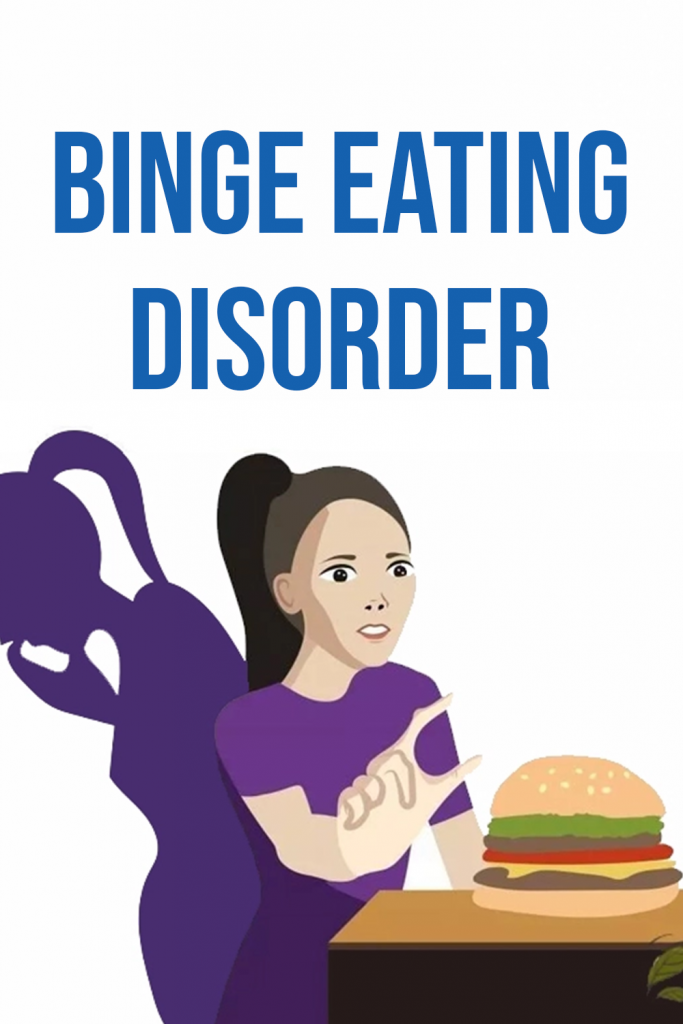
Cravings can be more than just a fleeting desire; they might signal deeper issues like binge eating disorder (BED). Unlike occasional cravings, those linked to BED are part of a complex binge-diet cycle, where emotional and psychological triggers intertwine with physical needs. This cycle often starts with restrictive dieting, leading to intense cravings and eventual binge eating, followed by guilt and renewed restriction.
If you notice patterns of uncontrollable cravings, it might be worth exploring whether they mask deeper emotional needs or unresolved psychological triggers.
Unraveling Cravings with the Eating Enlightenment Approach
The Eating Enlightenment philosophy encourages curiosity and compassion to uncover the layers beneath cravings. Here’s how the three-step process can help:
Step 1. Journaling Nutritionally
Cravings often signal hunger or nutritional imbalances. Keeping a food journal helps track what you eat and how it affects you. Ask, “What did I eat today, and how balanced was it?” This can reveal nutritional gaps and patterns fueling cravings.
Step 2. Mindful Awareness of Triggers
Explore emotional and situational triggers. Journaling can help you understand why cravings arise during stress or boredom. Ask yourself, “What was I feeling when this craving hit?” to understand how emotions and circumstances create cravings.
Step 3. Unpacking Inner Parts
Cravings may stem from inner parts carrying unresolved emotions. Through journaling, give these parts a voice. Ask, “What emotions or memories does this craving bring up?” Approaching these parts with compassion helps heal and reduce cravings’ power.
Practical Tips for Addressing Cravings Healthily
- Add Herbs to Meals Intentionally
Incorporate cravings like basil or cilantro into balanced meals mindfully. - Hydrate Fully
Cravings can be mistaken for dehydration. Start your day with water or herbal teas. - Experiment with Journaling
Track food and emotions to recognize connections and empower change. - Respect the Root Cause
Acknowledge emotional needs and seek other ways to meet them. - Seek Support if Needed
If cravings are overwhelming, seek help from a therapist or support group.
Debunking Myths About Cravings for Leafy Herbs

Cravings for leafy herbs might pique curiosity, but are they all that mysterious? Using clear explanations and science-backed insights, let’s debunk some common myths about cravings for herbs like basil, cilantro, and parsley.
1. Myth: Craving herbs means you’re deficient in nutrients.
Clarification: While herbs are rich in nutrients like vitamin K and antioxidants, craving them isn’t directly linked to a deficiency. Cravings often stem from sensory or emotional needs rather than nutrient gaps. Instead, a balanced diet with herbs enhances your health.
2. Myth: Herbs are garnish and lack real benefits.
Clarification: Herbs are more than decoration! Cilantro helps detoxify, basil contains anti-inflammatory compounds, and parsley boosts immune health. Your craving for them might reflect your body’s desire for their subtle wellness benefits.
3. Myth: Cravings for leafy herbs are always emotional eating.
Clarification: While emotional eating triggers cravings for comfort foods, herb cravings are likely linked to sensory satisfaction—like their fresh flavors and aromatic qualities. They could indicate a need for variety or lighter meals.
4. Myth: Any leafy green can fulfill a herb craving.
Clarification: Spinach or kale won’t satisfy your need for fresh herbs. Basil and parsley, for example, offer unique flavors and compounds like eugenol, which greens lack. Lean into your cravings and creatively incorporate the specific herb into meals.
5. Myth: Leafy herb cravings are meaningless.
Clarification: Cravings often carry subtle messages. On a hot day, you might desire hydrating or cooling herbs like mint or feel drawn to herbs tied to comforting cultural meals. These cravings are not meaningless but a reminder to connect with your body’s cues.
6. Myth: Eating more herbs fixes all health woes.
Clarification: Herbs are a fantastic addition to your diet but are not miracle cures. While they enhance flavor and provide nutrients, a holistic diet and lifestyle support overall health.
By demystifying these myths, you can see herb cravings for what they are—an opportunity to enrich your diet and tune into your physical and emotional needs. Are you craving basil or cilantro? Enjoy them as part of your next mindful meal!
Concluding Thoughts

Cravings can carry meaningful insights, and your love for leafy herbs might reflect a deeper connection to your body’s needs. Herbs like parsley, basil, or mint offer vibrant flavors, essential nutrients, and soothing benefits. They play a vital role in a balanced diet and remind us of the bond between mind and food.
Tuning into your body’s signals is essential for building a healthier relationship with food. The free Eating Enlightenment Journal App can help you track your meals, cravings, and emotions, uncovering patterns and helping you understand what your body truly needs.
Take the first step today—download the Eating Enlightenment Journal App and start exploring your cravings for a more balanced, mindful eating experience. A brighter, healthier you is just a tap away!