


Are you looking for a nutritious way to enhance your diet? Look no further than lima beans. These little legumes pack a powerful punch when it comes to health benefits.
Incorporating beans like lima beans into your meals is an excellent way to boost your overall well-being.
In this guide, we will explore the various health benefits of lima beans, how to incorporate them into your diet, and some potential concerns to be aware of. Let’s begin our journey towards a healthier lifestyle with lima beans!
What Are Lima Beans?
Lima beans, also known as butter beans, have a rich history. Originating in Central and South America, they have been cultivated for centuries.
There are two main types of lima beans that you’ll come across—baby lima beans and Fordhook lima beans. Baby lima beans are smaller and more delicate, while Fordhook lima beans are larger and have a robust texture.
The nutritional profile of lima beans is impressive. A single cup of cooked lima beans contains around 209 calories, 11 grams of protein, 40 grams of carbohydrates, and 0.5 grams of fat.
They are also packed with essential vitamins and minerals, including folate, iron, magnesium, and potassium. This makes lima beans a nutrient-dense addition to any meal.
Health Benefits of Lima Beans
Rich in Protein
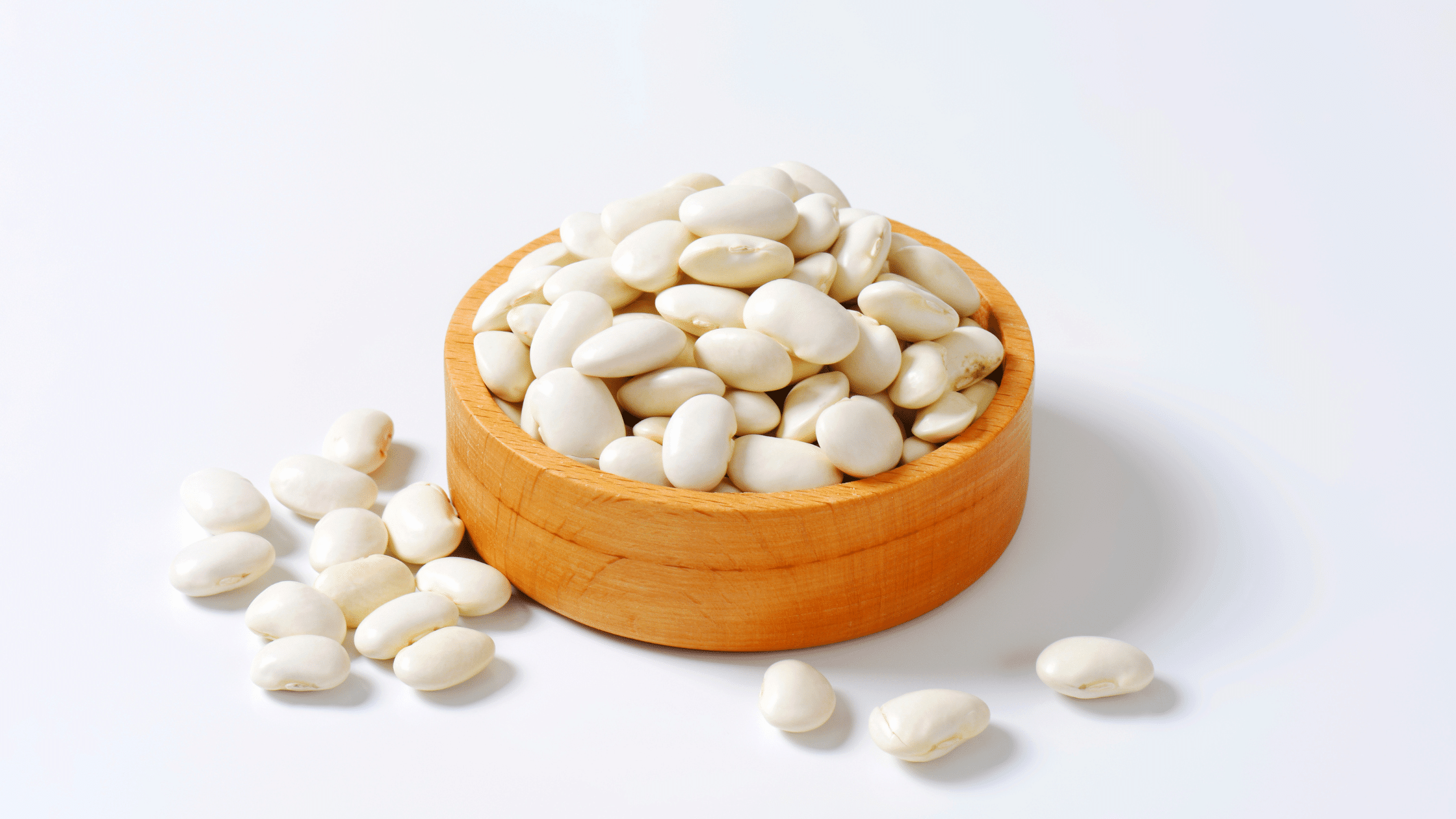
Lima beans are an excellent source of plant-based protein, which is crucial for vegetarians and vegans. Protein is essential for building and repairing tissues, and it plays a significant role in many bodily functions. Compared to other legumes, lima beans offer a higher protein content, making them a valuable addition to a protein-rich diet.
High in Dietary Fiber
One of the standout features of lima beans is their high dietary fiber content. Fiber is vital for maintaining digestive health. It helps regulate bowel movements, prevents constipation, and promotes a healthy gut microbiome. Additionally, fiber contributes to weight management by providing a sense of fullness and reducing overall calorie intake.
Packed with Essential Vitamins and Minerals
Lima beans are a treasure trove of essential vitamins and minerals. They are particularly rich in folate, iron, magnesium, and potassium. Folate is crucial for DNA synthesis and repair, while iron is essential for oxygen transport in the blood.
Magnesium supports muscle and nerve function, and potassium helps maintain healthy blood pressure levels. Together, these nutrients contribute to overall health and well-being.
Antioxidant Properties
Antioxidants are compounds that protect your cells from damage caused by free radicals. Lima beans contain a variety of antioxidants that help combat oxidative stress.
By reducing oxidative stress, antioxidants can lower the risk of chronic diseases and promote healthy aging. Including lima beans in your diet can be a proactive step towards long-term health.
Heart Health
Lima beans are heart-friendly due to their ability to lower cholesterol levels. The soluble fiber in lima beans binds to cholesterol in the digestive system, preventing its absorption into the bloodstream.
This helps reduce LDL (bad) cholesterol levels, which is beneficial for heart health. Additionally, the potassium content in lima beans supports healthy blood pressure, further contributing to cardiovascular health.
Blood Sugar Control
For individuals with diabetes or those looking to manage their blood sugar levels, lima beans are a great option. They have a low glycemic index, which means they cause a slower and steadier rise in blood sugar levels.
This makes them suitable for people with diabetes and helps prevent blood sugar spikes and crashes.
How to Incorporate Lima Beans into Your Diet
Cooking Tips and Methods
Cooking lima beans is simple and versatile. You can use dried or canned lima beans, depending on your preference and convenience.
To cook dried lima beans, soak them overnight, then simmer them until tender. If you’re using canned lima beans, be sure to rinse them thoroughly to reduce sodium content.
Popular Lima Bean Recipes
Lima beans can be used in a variety of recipes to add flavor and nutrition. Here are some popular dishes:
- Soups: Add lima beans to vegetable soups for a protein boost.
- Stews: Incorporate them into hearty stews with other vegetables and spices.
- Salads: Toss cooked lima beans into salads for added texture and nutrients.
- Sides: Serve them as a side dish with olive oil, garlic, and herbs.
Creative Ways to Add Lima Beans to Everyday Meals
Get creative with your meals by incorporating lima beans into unexpected dishes. You can blend them into dips, mash them for spreads, or even add them to pasta sauces. The possibilities are endless, and you’ll enjoy discovering new ways to include these nutritious beans in your diet.
Lima Beans Potential Concerns
Anti-nutrients
While lima beans are highly nutritious, they contain anti-nutrients like phytic acid and lectins. These compounds can interfere with nutrient absorption.
However, proper preparation methods, such as soaking and cooking, can significantly reduce the levels of anti-nutrients, making lima beans safe to consume.
Possible Allergic Reactions
Some individuals may be allergic to legumes, including lima beans. If you have a known legume allergy, it’s best to avoid lima beans or consult with a healthcare professional before adding them to your diet. Be mindful of any adverse reactions and seek medical advice if needed.
Do lima beans provide health benefits?
- Rich in Nutrients: Lima beans are packed with essential nutrients like fiber, protein, vitamins, and minerals, supporting overall health.
- Supports Digestive Health: High fiber content in lima beans aids in digestion and promotes a healthy gut.
- Heart Health: The potassium and magnesium in lima beans help regulate blood pressure and support cardiovascular health.
- Blood Sugar Control: Complex carbohydrates and fiber can help stabilize blood sugar levels, beneficial for managing diabetes.
- Bone Health: Lima beans provide calcium and manganese, which are vital for maintaining strong and healthy bones.
- Weight Management: Their high protein and fiber content can help you feel full longer, aiding in weight management.
- Antioxidant Properties: Lima beans contain antioxidants that protect your cells from damage and reduce inflammation.
- Boosts Energy: They are a good source of iron, contributing to increased energy levels and preventing fatigue.
- Holistic Wellness: Including lima beans in your diet supports a balanced approach to nutrition, enhancing physical, emotional, and mental well-being.
Which beans are the most nutritious?
- Black Beans: Rich in protein, fiber, and antioxidants, they support digestive health and help maintain stable blood sugar levels.
- Kidney Beans: High in iron, magnesium, and potassium, kidney beans contribute to heart and bone health while providing substantial energy.
- Chickpeas (Garbanzo Beans): Packed with protein, fiber, and essential vitamins, chickpeas aid in weight management and promote a healthy gut.
- Lentils: Known for their high protein and iron content, lentils are great for boosting energy and supporting muscle growth.
- Pinto Beans: Offering a good mix of protein, fiber, and essential nutrients, pinto beans support heart health and stabilize blood sugar.
- Navy Beans: Rich in dietary fiber and micronutrients like folate and manganese, navy beans promote cardiovascular and cognitive health.
- Adzuki Beans: These beans are high in protein, fiber, and antioxidants, supporting overall wellness and reducing inflammation.
- Mung Beans: With their high levels of vitamins, minerals, and antioxidants, mung beans can enhance immune function and support skin health.
- Soybeans: Full of complete proteins and healthy fats, soybeans are excellent for heart health and maintaining muscle mass.
- Cannellini Beans: Packed with fiber, protein, and essential nutrients, cannellini beans support healthy digestion and a strong immune system.
Do lima beans spike insulin?
Lima beans have a low glycemic index, which means they are less likely to cause a rapid spike in insulin levels. Instead, they release sugar slowly into the bloodstream, helping to keep blood sugar levels stable.
This can be particularly beneficial for those managing diabetes or looking to maintain steady energy throughout the day. Incorporating lima beans into your diet supports a holistic approach to wellness, balancing physical health with mindful eating practices.
Lima beans: protein or carbohydrates?

Lima beans are a wonderful balance of both protein and carbohydrates, making them a nutritious addition to your diet.
They provide a good amount of plant-based protein, which supports muscle health and repair, while their complex carbohydrates offer sustained energy release, helping to keep blood sugar levels stable.
This dual benefit makes lima beans a holistic food choice, nourishing your body and supporting overall well-being in a compassionate and balanced way.
Conclusion
Incorporating lima beans into your diet is a simple yet effective way to boost your overall health. From their rich protein content to their heart-healthy benefits, lima beans offer a wide range of advantages.
By following the tips and recipes provided in this guide, you can easily introduce these nutritious beans into your meals.
Remember, a balanced diet is key to a healthy lifestyle. If you’re looking for personalized guidance on incorporating lima beans and other nutritious foods into your diet, consider booking a call with one of our expert nutritionists.
They can help you tailor your diet to meet your specific needs and goals. Start your journey towards better health today with the power of lima beans