


If you’ve ever found yourself adding extra chili flakes to your pizza or drizzling hot sauce over just about anything, you’re not alone.
A love for spicy food isn’t just a quirk; it’s a common preference that millions worldwide share. But why do some people crave heat and spice in their meals? The answer is rooted in biology, psychology, and culture.
The Science Behind the Spice
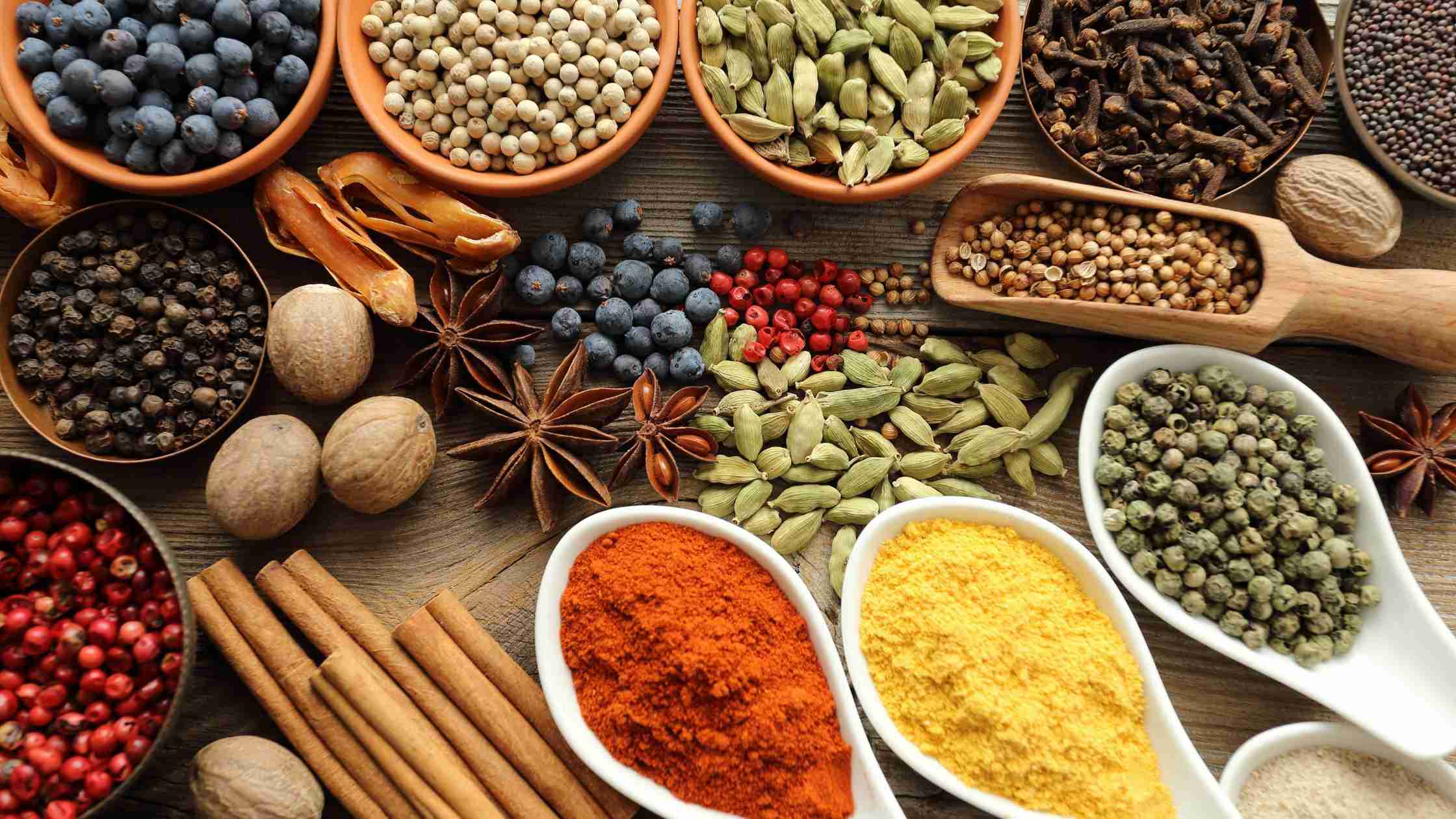
Capsaicin, found in chili peppers, is the heart of most spicy foods. When you eat something spicy, capsaicin binds to receptors on your tongue known as TRPV1 receptors, responsible for sensing temperature and pain. This triggers the heat or burning sensation, tricking your brain into thinking your mouth is on fire!
In response, your body releases endorphins, natural chemicals that act as pain relievers and give you a sense of pleasure or euphoria. This “spicy high” can be pretty addictive for some people, leading them to seek out even more fiery flavors.
The Thrill of the Heat
Beyond the chemical response, there’s also a psychological factor at play. Spicy foods bring an element of risk and excitement to eating. The initial discomfort from the heat, followed by the rewarding feeling of overcoming it, creates a thrill that some people find irresistible.
This is similar to the way people enjoy roller coasters or horror movies. It’s about flirting with danger in a controlled way, knowing there’s no actual harm but still experiencing a rush of adrenaline.
Genetics and Spicy Preferences
Not everyone enjoys spicy food, and that could be due to genetics. Some people are born with more sensitive TRPV1 receptors, meaning they feel the heat more intensely. Others have fewer receptors or become desensitized over time from repeated exposure to spicy foods, making it easier for them to handle the heat.
Evidence suggests that people with a higher tolerance for spice might also be more sensation-seeking in other areas of life, like extreme sports or adventurous travel.
Overview of nutritional principles behind cravings for spicy food:
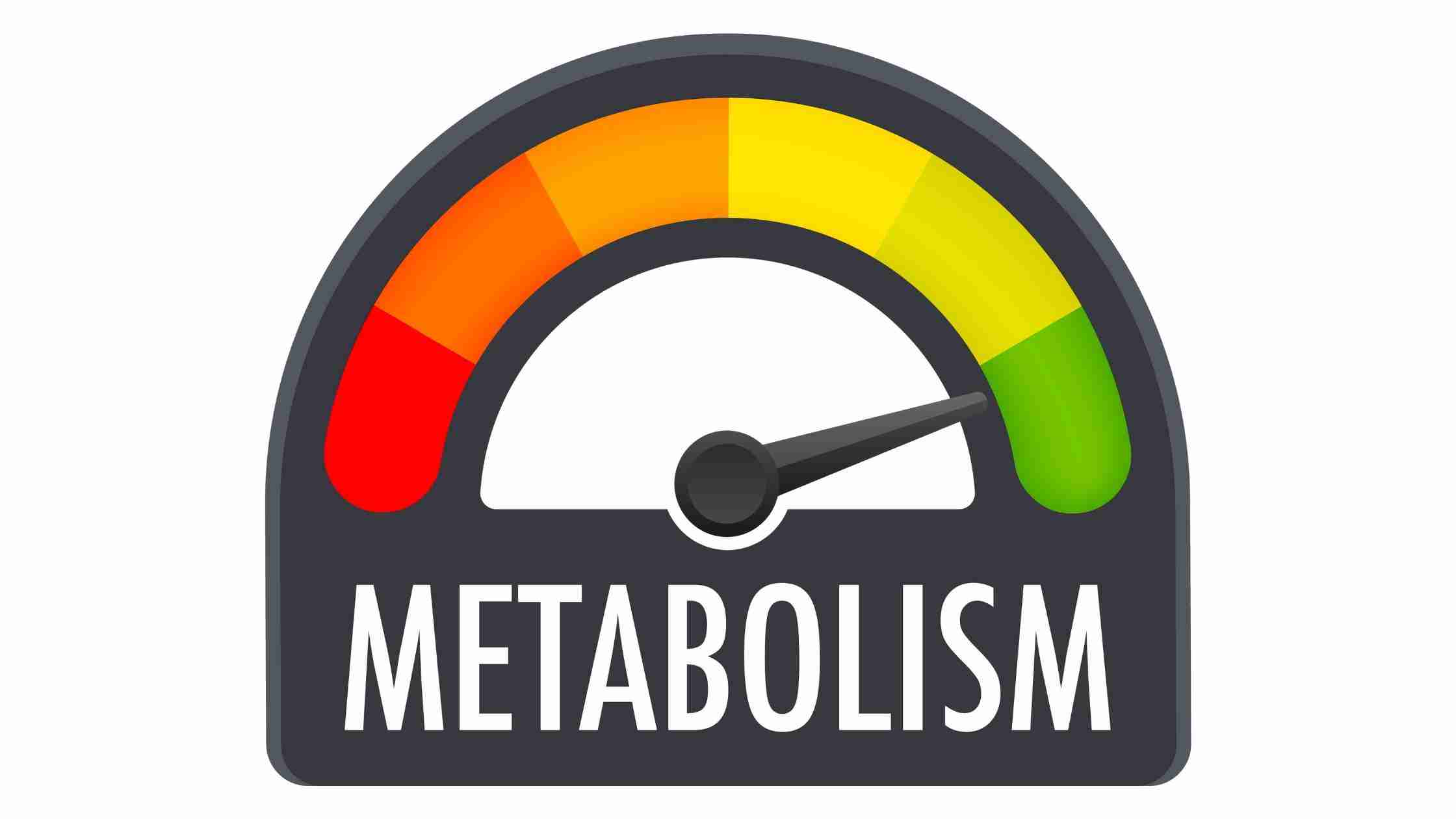
- Thermogenesis & Metabolism Boost: Capsaicin in spicy foods increases body heat, boosts metabolism, and aids in fat burning.
- Endorphin Release: Spicy foods trigger endorphin release, creating a pleasurable, pain-relieving sensation that leads to repeated cravings.
- Improved Digestion: Spices stimulate stomach acid and enzymes, improving digestion and nutrient absorption.
- Anti-inflammatory Properties: Capsaicin has anti-inflammatory effects, which may reduce pain and inflammation.
- Hydration & Electrolyte Balance: Spicy food induces sweating, helping cool the body while promoting increased water intake and hydration.
- Gut Microbiome Influence: Spicy foods may enhance gut bacterial balance, supporting digestive and overall health.
- Nutritional Deficiencies: Cravings may indicate a need for vitamins A and C, which are commonly found in spicy foods.
- Cultural & Environmental Factors: Cultures in warmer climates use spices for preservation and health, reinforcing a craving for spice.
Journaling and Mindfulness Approach
Cravings for heat and spice can be intriguing, and by using mindful journaling, you can explore the deeper reasons behind these urges. But first, it’s essential to focus on nourishing your brain. Before diving into why you crave certain foods, ensure you meet your nutritional needs.
Our brain often signals cravings because it’s missing essential nutrients. Focus on balanced meals with the right vitamins and nutrients to support your body and mind.
Once your body is nourished, try mindful journaling before eating. This practice, a crucial part of Cognitive Behavioral Therapy (CBT), helps you slow down and observe your emotions, hunger signals, and the reasons behind your cravings. You are writing down your thoughts before a meal can create space for reflection. Ask yourself, “Why am I craving heat and spice? Is it habit, taste, or something emotional?”
Tools like the Eating Enlightenment App can guide you through this journaling process. This app offers prompts and strategies to help you connect with your cravings, making mindful eating easier to integrate into your routine.
Incorporating mindful journaling into your eating habits can help you understand cravings better and make more conscious, healthful choices.
Trauma and Inner Parts
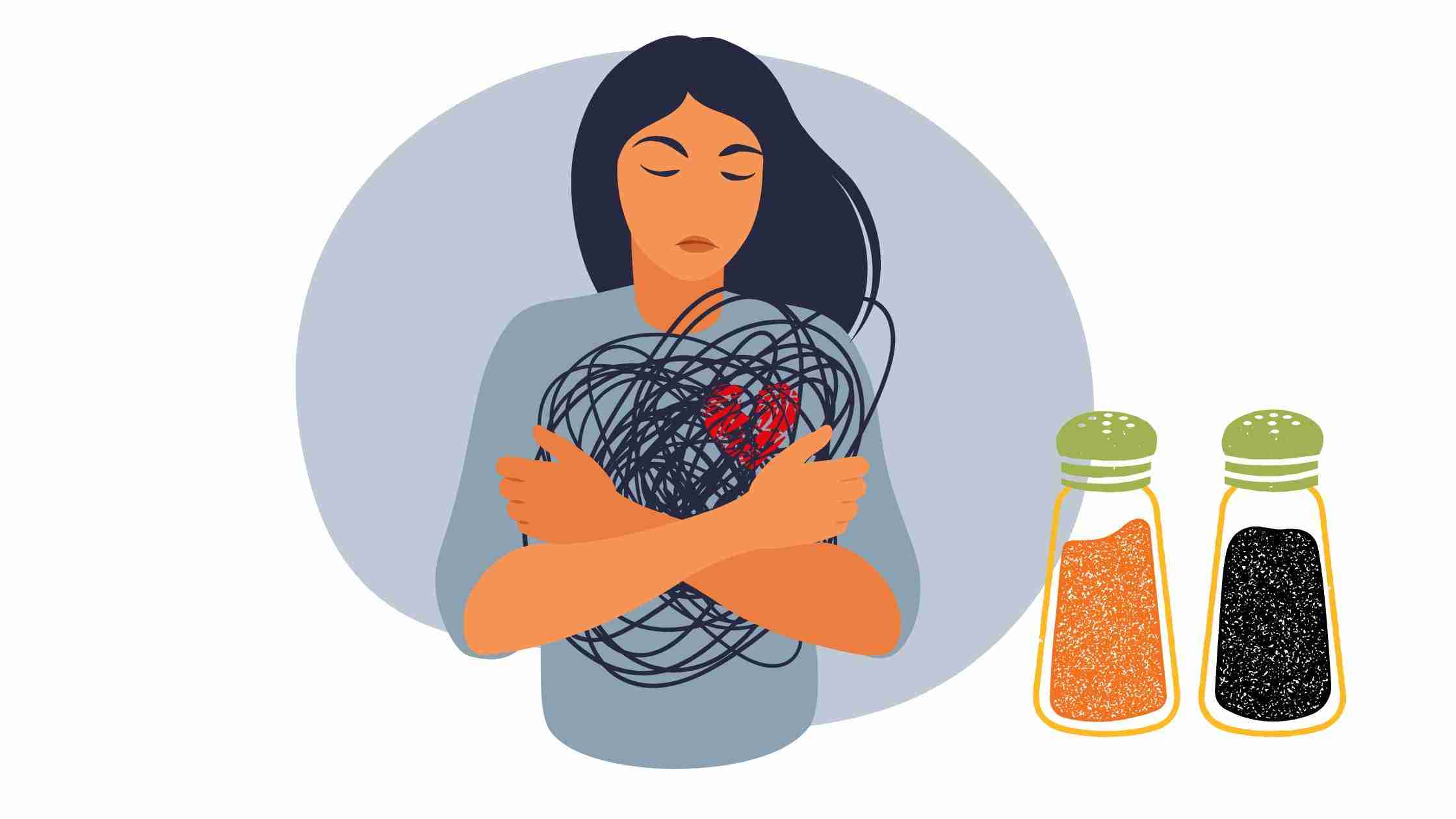
Cravings for heat and spice can be linked to deeper emotional layers, including trauma. Intense flavors may serve as coping mechanisms for unresolved pain, providing distraction or comfort.
Before addressing trauma, focus on nutritional balance and mindful CBT journaling. This allows for clarity in understanding cravings. Tools like the Eating Enlightenment Course can help you reflect on whether cravings are tied to emotions or past experiences.
As journaling deepens, it can evolve into Internal Family Systems (IFS) work, where you explore the different “parts” of yourself linked to cravings. This mindful practice can uncover and heal trauma, helping you understand your inner parts and their relationship to food.
Building a Tolerance for Spice
If you want to enjoy spicy food but find it too painful, the good news is you can build up your tolerance. Start with milder forms of spice and slowly increase the intensity.
Over time, your body will adapt, and you’ll likely find that foods you once thought were too hot are manageable—and maybe even delicious!
Conclusion:
The craving for heat and spice in meals is a fascinating blend of biology, psychology, and culture. Some people are naturally drawn to the endorphin rush that spicy food provides, while others appreciate the cultural or practical reasons behind its use.
Whether you’re a heat lover or just starting to explore the world of spice, spicy food offers more than just a burst of flavor—it’s a whole experience!