


If you’ve recently made the courageous decision to quit drinking, first of all, take a moment to celebrate that monumental step. But you’re not alone if you’re trading those late-night stumbles to the fridge for wine with sudden cravings for cookies, cake, or candy. Many people are caught off guard by an unexpected sweet tooth during their sobriety journey, wondering why they’re battling sugar instead of celebrating progress.
This phenomenon of craving sweets after quitting alcohol is more common than you think. It can feel confusing, even frustrating, especially when trying to reset your health and build a balanced lifestyle. Yet, these sugar cravings aren’t random. They’re your body’s way of adjusting to new rhythms and unmet needs, physically and emotionally. Although it may feel like yet another challenge to overcome, there’s good news here: cravings can be understood and, better yet, managed.

This post dives deep into the seven reasons you might find yourself craving sweets after quitting alcohol and provides thoughtful, practical steps to help you regain balance. From nutritional insights to emotional patterns, understanding the “why” behind these cravings can empower you to respond with curiosity and compassion rather than frustration. One valuable tool on this path is journaling. By taking a few minutes to reflect and write, you can uncover patterns, address the root causes of your cravings, and develop healthier ways to nourish your body and mind.
Keep reading to unlock these insights and discover how to turn this sugar hurdle into an opportunity for growth, healing, and a deeper connection with yourself. You’ve already overcome so much, and with a bit of clarity, those cravings will no longer feel like a mystery.
#1 Your Body Is Looking for a Substitute Reward
Alcohol stimulates your brain’s reward system, releasing a surge of dopamine, the “feel-good” chemical. Once you quit drinking, your brain struggles to adjust and starts looking for another quick dopamine fix. Enter sugar, which can act as an emotional reward and replacement for the rituals lost when you stop drinking.
This craving for sweets isn’t about weakness; it’s your brain redirecting its reward pathway. You might reach for chocolate because sugar provides a similar, albeit temporary, boost.
To redirect these cravings, start by taking a moment to reflect. Use journaling prompts like, “What do I feel I’m missing when I crave sweets? Is it comfort, connection, or relaxation?” Experiment with non-sugary rewards like a soothing bath, a favorite hobby, or quality time with loved ones. Replacing the habit with something meaningful to you can help your brain adjust to healthier patterns.
#2 Blood Sugar Imbalance
Alcohol is notorious for destabilizing your blood sugar levels. It suppresses glucose production in the liver, creating fluctuations that leave your body craving quick, sugary energy once you quit. When your system adjusts to functioning without alcohol, sugar cravings can surge as your body tries to restore balance.
To manage this, prioritize stabilizing your blood sugar by eating balanced meals. Include protein, healthy fats, and fiber daily to sustain energy levels. Tracking your meals in a food journal can help uncover patterns. For instance, ask yourself, “What am I eating during the day that’s leaving me hungrier or more prone to cravings later?”
Replace processed sweets with nutrient-dense snacks like fresh fruit, yogurt, or a small handful of nuts. These options provide energy while nourishing your body and helping maintain steady glucose levels.
#3 Gut Microbiome Changes
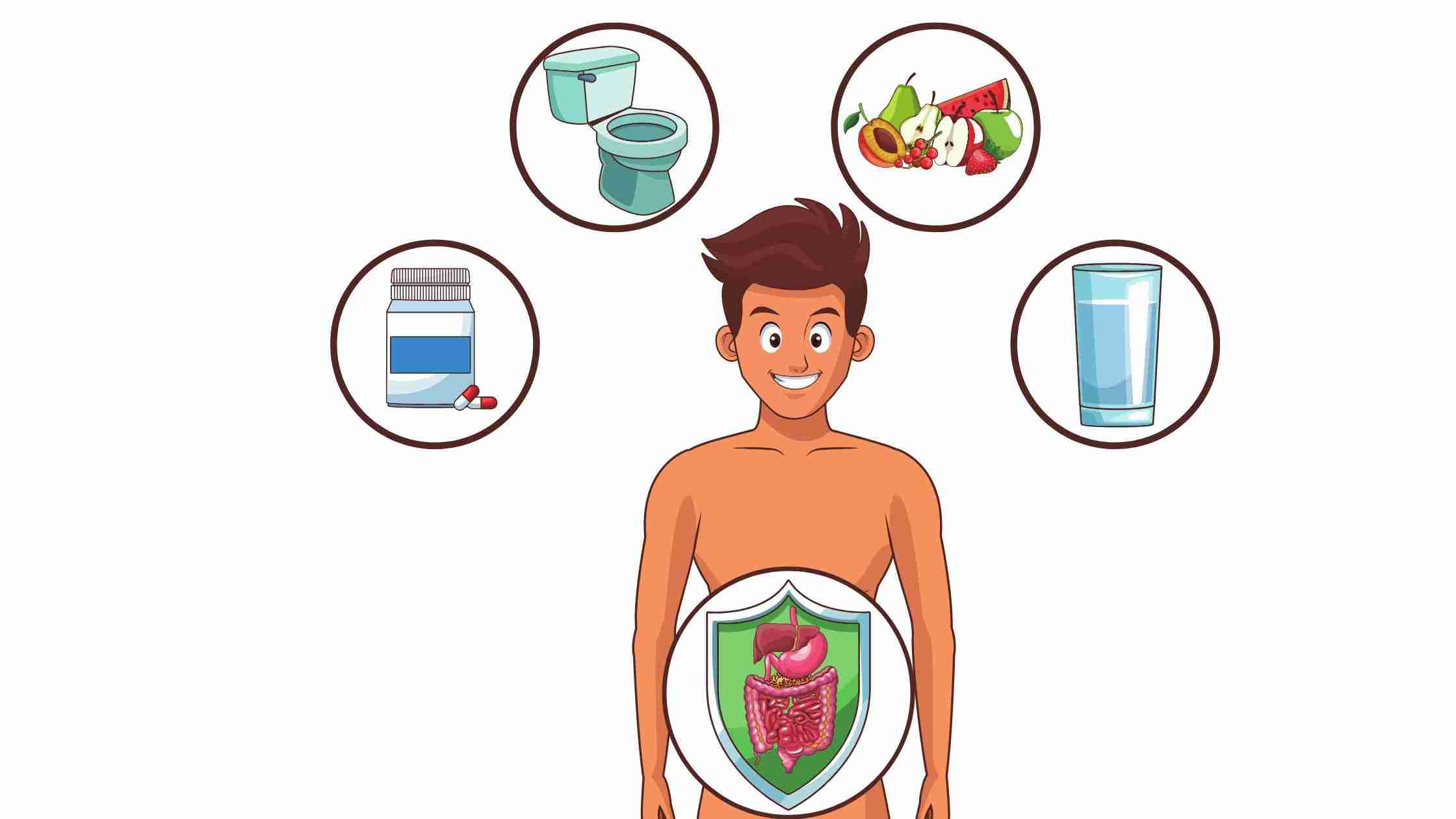
Alcohol has profound effects on your gut microbiome, often disrupting the balance of good and bad bacteria. When you quit drinking, your gut starts adjusting, and the microbes that previously thrived on alcohol might now demand sugar. This can intensify your cravings as your body works to restore harmony.
Probiotics and fermented foods, such as yogurt, kimchi, and kombucha, can support gut health and help reduce sugar cravings over time. Journaling is a great way to track your progress. Note how your digestion and cravings shift as you make dietary changes, asking questions like, “Do I feel better when I include probiotic-rich foods in my meals? How is my mood connected to what I eat?”
Healing your gut will take time, but nourishing it with the right foods can make the process smoother.
#4 Emotional Comfort
Emotionally, alcohol often acts as a buffer against stress, sadness, or anxiety. Without it, you might reach for sweets as a replacement coping mechanism. Sugar provides a dopamine rush that temporarily lifts your mood but doesn’t address the more profound emotional need.
Pause when cravings strike, and use journaling to reflect on the emotions driving those urges. Ask yourself, “What emotion am I trying to soothe right now? How can I meet this need differently?” Deep breathing, grounding exercises, or a quick walk can also help manage emotional stress without turning to food.
When you take a moment to pause and reflect, you create space for a healthier, more intentional response to your body’s signals.
#5 Habitual Routines
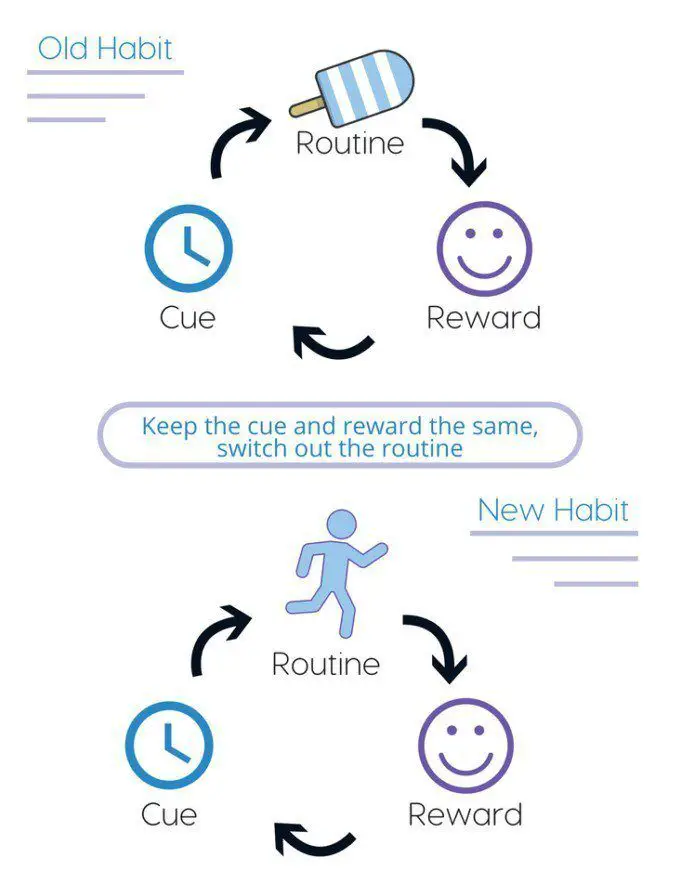
For many, drinking is embedded in daily rituals, like having a glass of wine after dinner or during social gatherings. When these habits disappear, they leave a noticeable routine gap, which sweets can quickly fill.
To break the cycle, start by using journaling to identify patterns, e.g., “What time of day do my sugar cravings hit? Are these moments tied to a past drinking habit?” Once you notice these connections, you can intentionally replace them.
Instead of reaching for candy, create new rituals. Try pouring a relaxing herbal tea, taking a short mindfulness break, or engaging in a calming activity like reading or stretching.
#6 Lack of Nutritional Awareness Post-Alcohol
Years of alcohol consumption can lead to deficiencies in key nutrients such as magnesium and B vitamins, which are essential for energy metabolism and overall bodily function. Without these nutrients, your body’s signals might push you toward sugar to compensate for the missing fuel.
Nutritional awareness becomes crucial here. Record your daily intake in a journal, asking questions like, “Am I including various nutrient-rich foods today? What meals leave me feeling satisfied?” Build meals with whole foods like leafy greens, beans, nuts, and whole grains to replenish these deficiencies.
Tracking your food isn’t about imposing rules on yourself but about understanding your body’s needs to meet them more effectively.
#7 The Body’s Healing Process
Quitting alcohol is an event that puts your body through a profound healing process. It requires extra energy to rebuild and detoxify during this time, which might mistakenly manifest as a craving for sugar. These cravings often indicate that your body is hard at work repairing itself.
Reframe these moments by honoring your progress. Use journaling to acknowledge the healing your body is going through. Ask yourself, “What is my body asking for as it repairs? How can I support this process today?” Energy-boosting snacks like whole fruits with peanut butter or a bowl of oatmeal can provide nourishment without a sugar crash.
Celebrate small wins and note, “How does my energy feel compared to last week?” Tracking these milestones in your journal can offer encouragement on tough days and reinforce positive progress.
Understanding Cravings and the Binge-Diet Cycle
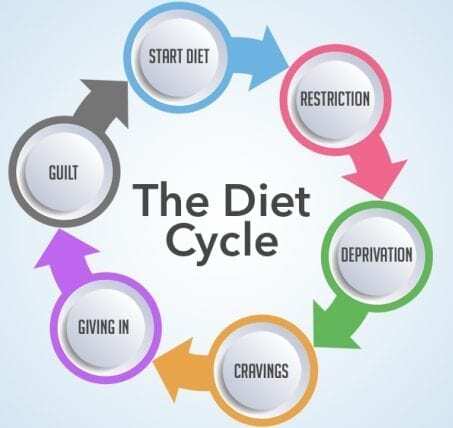
Craving sweets after quitting alcohol can feel confusing and frustrating as if one habit has been swapped for another. While occasional cravings during sobriety are common, persistent and overwhelming urges might hint at a deeper cycle, such as binge eating behavior.
Understanding the connection between sugar cravings and the binge-diet loop offers clarity, empowering you to break patterns and rebuild a better relationship with food. You can address these cravings’ physical and emotional roots by exploring compassionate strategies like the Eating Enlightenment philosophy.
Could It Be a binge diet Cycle?
If you experience uncontrollable cravings followed by guilt and restriction, this may reflect a binge-diet loop. Deprivation, like skipping meals or avoiding sweets entirely, often triggers physical hunger or emotional emptiness. Over time, these unmet needs can build into intense binge episodes, often followed by self-criticism and renewed restriction, perpetuating the cycle.
Key signs include eating in secret or feeling out of control, large sugar binges after avoidance, and repeated guilt paired with vows to “be stricter.” Such cycles highlight unmet physical or emotional needs. Instead of focusing on willpower, approaches like Eating Enlightenment emphasize resolving the underlying causes.
The Eating Enlightenment Approach to Cravings

Step 1: Nutritional Journaling
Start by focusing on the basics of nourishment. Alcohol can disrupt blood sugar stability, leading to cravings for quick fixes like sugar. Nutritional journaling helps you identify gaps. Ask yourself, “What does balance look like in my meals today?”
Track what you eat and notice if you’re skipping meals, avoiding certain foods, or lacking satisfying components like protein or fiber. Even minor adjustments, such as adding more balance to breakfast or lunch, can ease later cravings.
Step 2: Mindfulness Journaling
Bring awareness to emotional or situational triggers behind your cravings. Reflect when they strike by journaling prompts like, “What happened emotionally before I craved sweets?” Were you stressed, bored, or unsettled? Mindfully pausing to name these triggers can help you choose intentionally rather than react impulsively.
Building habits like deep breathing during cravings creates space for thoughtful responses, turning urges into opportunities for self-discovery.
Step 3: Inner Part Exploration
Go deeper by exploring internal conflicts or unmet needs driving your cravings. Through journaling, ask, “What does my craving want to tell me? What am I avoiding or suppressing?” For example, sweets might represent comfort for loneliness or rebellion after saying “no” all day.
Approach these parts with compassion rather than judgment. Understanding these cravings can help you begin meeting those needs directly, reducing the reliance on sugar as a temporary solution.
Conclusion
Craving sweets after quitting alcohol is a natural response to the significant changes your body and mind are experiencing. Whether it’s your brain seeking a replacement reward, blood sugar fluctuations from years of drinking, gut microbiome imbalances, or emotional triggers, sugar cravings are part of your sobriety story—but they don’t have to control it. You can manage these cravings effectively with a little understanding, balance, and self-compassion.
Reflect on the seven reasons we’ve explored together. They highlight the physiological and psychological factors at play, emphasizing that your cravings are not a sign of failure but signals about what your body and emotions need. By bringing awareness to these patterns, balancing your diet, and exploring the feelings behind your cravings, you can empower yourself to break free from the cycle and create lasting, healthier habits.
Journaling can be a powerful tool on this path. It allows you to track your meals, identify emotional triggers, and even dialogue with the inner parts of yourself driving these cravings. Remember, this is a process, not a quick fix. Progress might be slow, but every small step is meaningful and moves you closer to healing.
Download the free Eating Enlightenment Journal App today to make this process even easier. It’s designed to help you track your eating patterns, understand your cravings, and build mindful habits that support your goals. You can also take the Eating Enlightenment quiz to clarify your relationship with food and identify areas for growth.
This is your opportunity to turn cravings into moments of self-discovery and growth. By acknowledging these challenges with curiosity and compassion, you’re not just managing your sugar cravings—you’re paving the way toward a balanced, joyful relationship with yourself and your health. Take that first step today, and trust in the power of your commitment and self-awareness to guide you forward. You’ve got this!