

Have you found yourself pouring yet another glass of milk out of the blue or suddenly craving a creamy latte at odd hours of the day? You’re not alone. Milk cravings can feel unexpected, even puzzling, and might leave you wondering Why you want milk so much. Is my body trying to tell me something?
The truth is that cravings are often our body’s way of sending us important messages. From nutritional gaps and emotional connections to even your daily habits, there’s usually more to cravings than meets the eye. When it comes to milk, these urges might offer fascinating insights into your overall well-being.
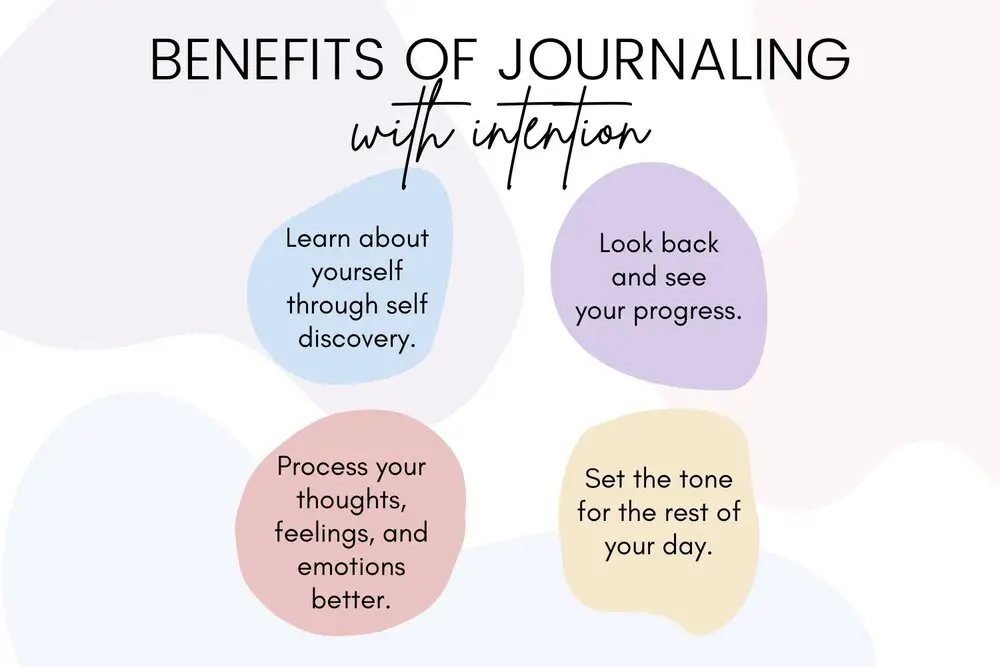
Consider leaning into curiosity instead of judgment to help unravel the mystery behind your cravings. What’s triggering this desire? Journaling can be a potent tool—an easy yet effective way to gently explore your emotions, dietary patterns, and stress levels. When you write about what you’re feeling or experiencing during a craving, you might uncover clues you didn’t realize were there.
This article will guide you through seven potential reasons behind your milk cravings. Whether it’s a hint at a nutritional deficiency, a comfort habit, or something more profound, there’s always an opportunity to learn more about yourself.
Grab a notebook (or open your favorite journaling app) and get ready to look at these cravings through an entirely new lens. You might be surprised by what you discover—and how it could lead you toward a more balanced, intuitive connection with your body and mind.

The 7 Reasons Behind Your Milk Cravings
Reason#1: Calcium or Vitamin D Deficiency
Milk contains calcium and vitamin D, essential for healthy bones and muscle function. If you’re craving milk, it might be because your body lacks either of these nutrients.
Calcium, for instance, strengthens your bones and teeth, while vitamin D helps your body absorb that calcium effectively. Without them, your body sends subtle signals, including craving milk to meet your nutritional needs.
Research supports the strong connection between nutrient deficiencies and cravings. A long-term calcium or vitamin D deficit can lead to issues like weakened bones or chronic fatigue. To explore this further, try journaling with prompts like, “Am I eating enough sources of calcium and vitamin D? What changes could I make to close the gap?”
Addressing this is simpler than you think. In addition to milk, try adding calcium-rich foods like fortified almond or soy milk, kale, or broccoli to your meals. For vitamin D, a little regular sunshine or vitamin D-fortified foods can help. Tracking these habits in a food journal can keep you on track and prevent similar cravings in the future.
Reason#2: Comfort and Nostalgic Associations

For many people, milk is associated with warm, comforting memories. Perhaps a glass of warm milk before bedtime or cereal at the breakfast table reminds you of home and simpler times. During moments of stress or uncertainty, your body may crave milk as a symbolic return to comfort—a way to feel safer or more grounded.
This type of craving isn’t about physical hunger—it’s emotional. Next time you experience a milk craving, pause and reflect. Ask yourself, “Am I seeking comfort, connection, or relief from stress? Is this craving about more than just nutrition?” Journaling about your emotions during these moments can help you understand the deeper layers behind your cravings.
If you identify with this emotional aspect, try finding other ways to soothe yourself. Warm baths, cozy blankets, or a favorite book may deliver the same feeling of comfort without food being the sole remedy. Build self-care routines and nurture yourself in ways that honor your emotions beyond the glass of milk.
Reason#3: Protein or Fat Cravings

Milk is an excellent source of protein and fat, two nutrients that keep your body energized and satisfied. If your diet lacks adequate macronutrients, your body may naturally crave milk quickly to replenish what it’s missing.
A lack of protein, for instance, can leave you feeling sluggish or constantly hungry. Likewise, healthy fats stabilize energy levels and support hormone function.
If you find yourself craving milk, reflect on your eating patterns. Are you skipping meals or choosing snacks without much protein? A helpful journaling question would be, “Am I giving my body enough nutrients to fuel its energy needs?”
To address this, increase the protein in your meals by including protein-dense foods like eggs, lentils, or Greek yogurt. For healthy fats, choose avocados, nuts, or seeds. These options can be satisfying alternatives that keep you fuller for longer, preventing nutrient-driven cravings.
Reason#4: Blood Sugar Imbalances
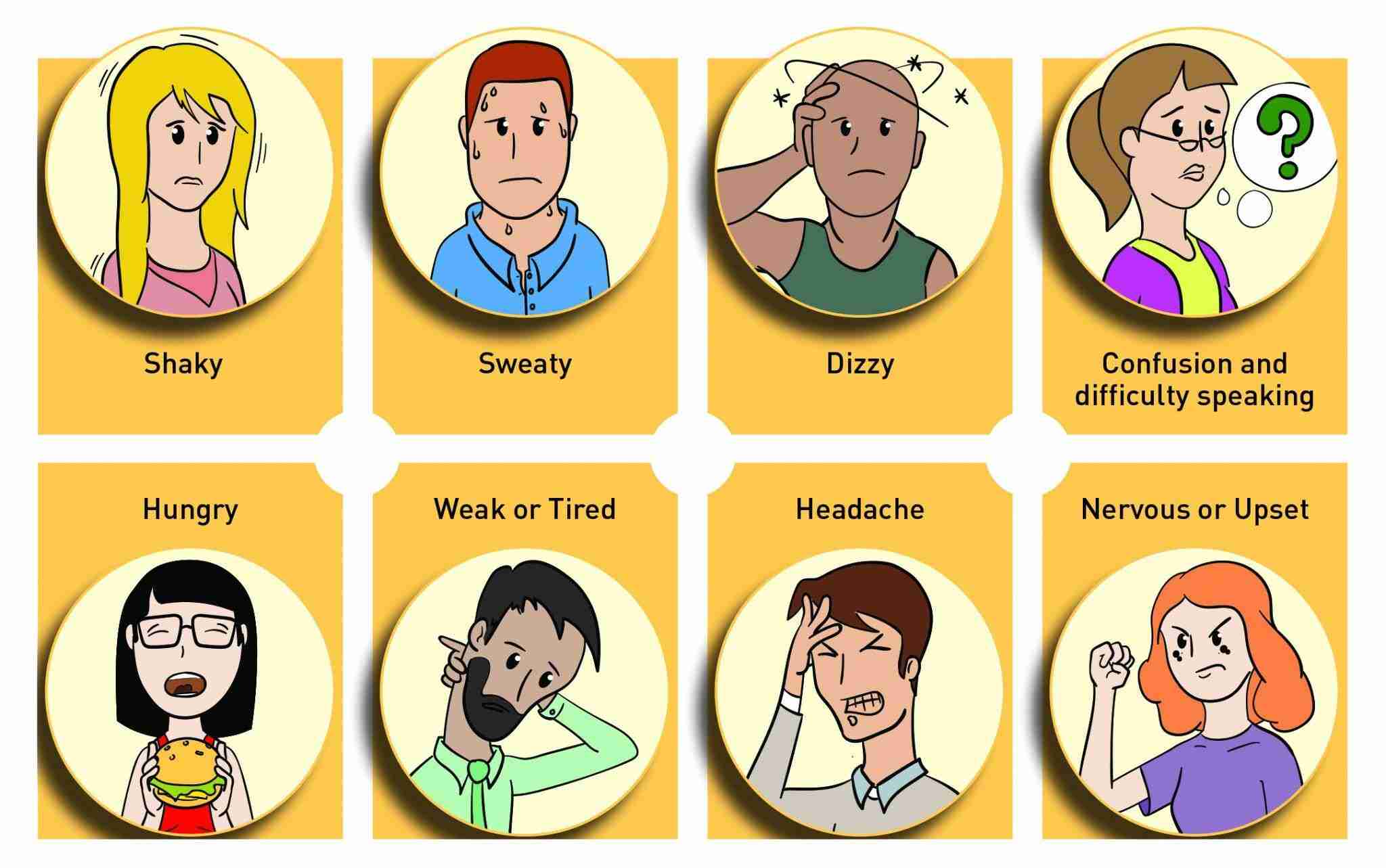
Sometimes, milk cravings are your body’s way of signaling low blood sugar. Milk contains natural sugars (lactose) paired with protein, making it an ideal quick fix for stabilizing energy levels when your blood sugar dips too low.
If you reach for milk after long hours without food or after a sugar high from a previous meal, it’s worth examining your nutritional balance. Try journaling about your food habits, asking questions like, “What did my last meal look like? “Was it balanced, or have I been craving quick carbs without enough protein or fiber?”
Stabilize blood sugar by eating balanced meals with whole grains, proteins, and healthy fats. For example, pair snacks like apple slices with almond butter or hummus with veggies to keep your energy steady throughout the day. By reflecting on and fine-tuning your meals, you can avoid those sudden dips that lead to cravings.
Reason#5: Hormonal Fluctuations

Your hormones significantly influence your cravings. During hormonal shifts—like PMS or high-stress periods—your brain may crave milk as comfort food to support serotonin or dopamine production, which is associated with emotional balance.
If you notice these cravings during specific times, like just before your period or in peak stress episodes, your hormones might influence your body’s needs. Journaling helps bring clarity—ask yourself, “Could this craving relate to where I am in my menstrual cycle or current stress levels? How can I support my body better right now?”
Focus on creating an overall supportive environment for your hormones. This includes eating nutrient-rich meals, practicing regular physical activity, and prioritizing rest. Holistically supporting your body can help stabilize these cravings over time.
Reason#6: Dehydration and Electrolyte Needs
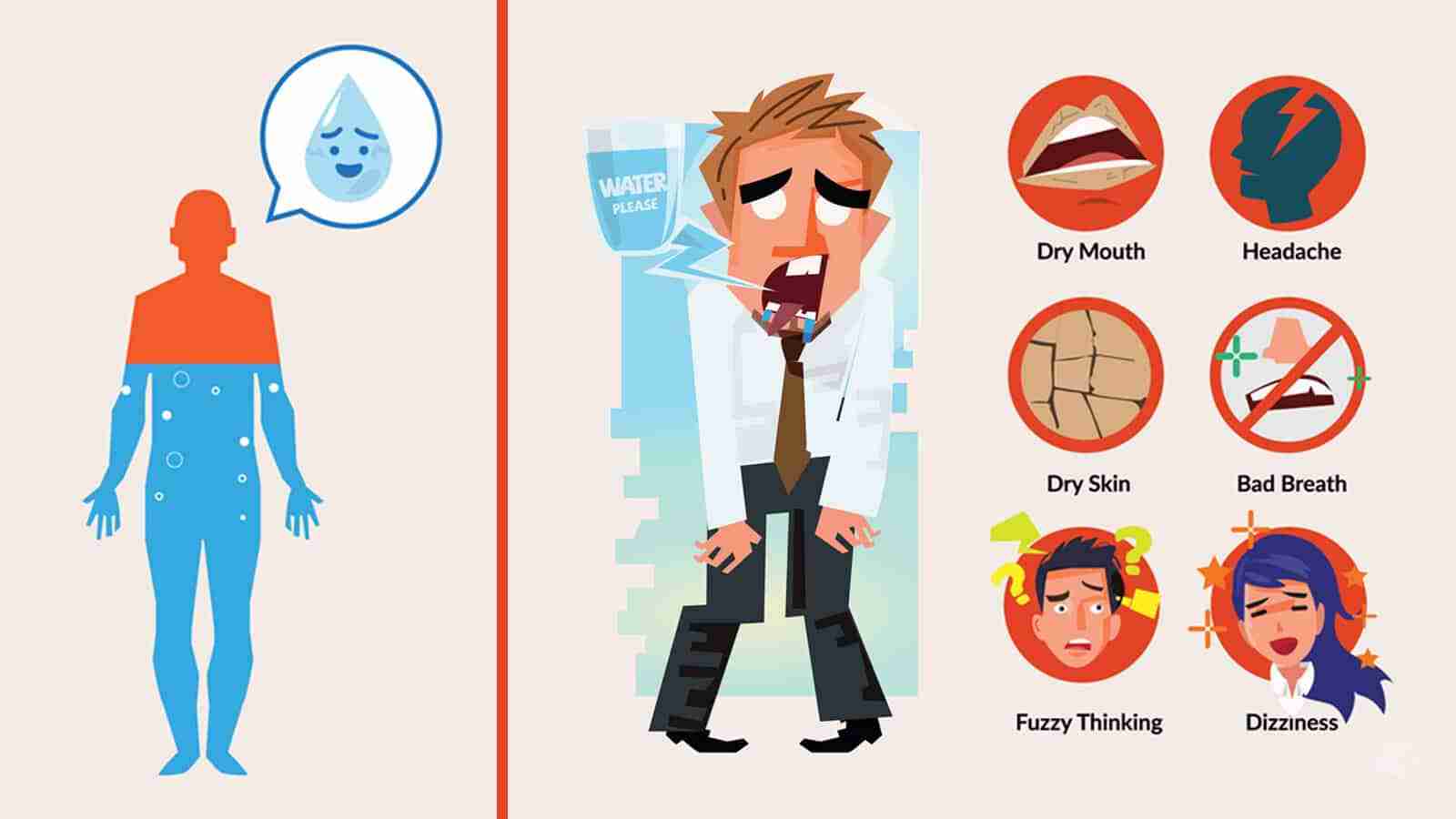
Milk is a natural source of electrolytes like potassium and sodium, making it an excellent choice for hydration. If you’re dehydrated or sweating excessively (say, after a workout), your body might crave milk to replenish lost fluids and balance electrolytes.
Take note of how often you’re hydrating. Journaling can help you explore questions like, “Am I mistaking thirst for hunger? How much water have I consumed today?” Pay attention to this common overlap—confusing thirst with other cravings is easy.
Focus on meeting your hydration needs regularly by drinking water throughout the day and incorporating natural electrolyte sources like coconut water or bananas. This will keep your hydration levels steady and might reduce cravings linked to dehydration.
Reason#7: Habit or Routine
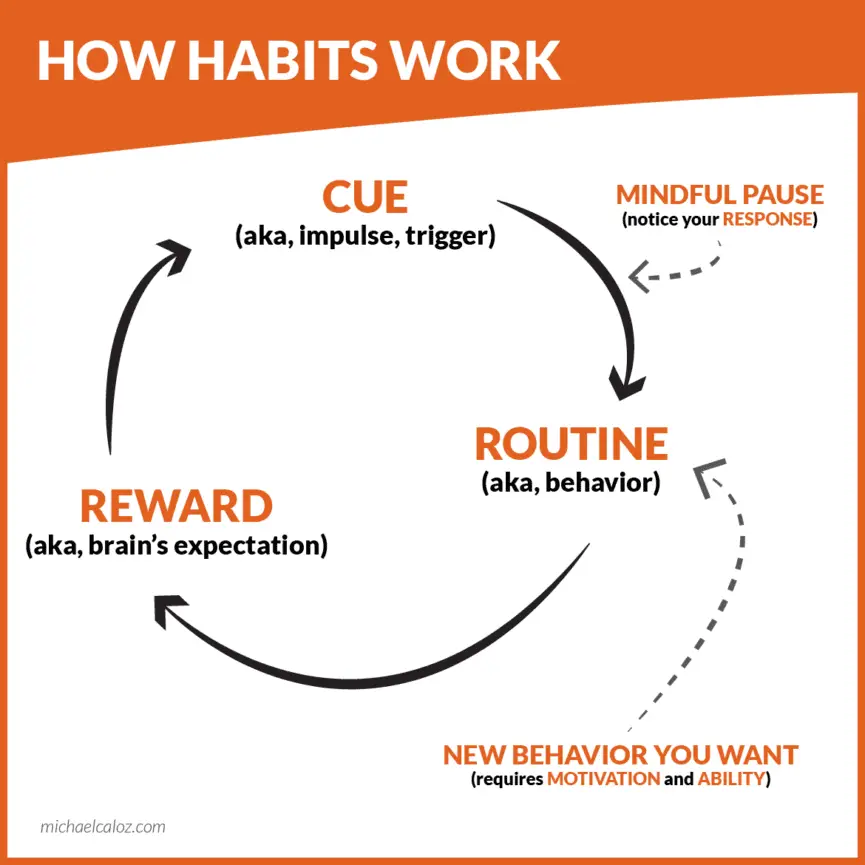
Finally, milk cravings might be tied to your habits. Perhaps you’ve always enjoyed a glass of milk with cookies before bed or paired it with your breakfast cereal every morning. Over time, these habits can feel like natural cravings, even when no more profound physiological need exists.
To better understand your routines, ask yourself, “Am I craving milk because it’s part of my daily habits or rituals? If I change the habit, would the craving fade?” Journaling can provide valuable insights into which cravings are tied to routine rather than necessity.
If you’d like to break the habit, try swapping milk with alternatives like herbal teas, nut-based milk, or sparkling water infusions that still feel satisfying. Mixing up your routine can help reduce cravings and create space for new, healthier rituals.
Milk Cravings and Binge Eating Disorder

Sometimes, milk cravings go beyond simple dietary preferences and point to deeper patterns associated with binge eating disorder (BED).
At its core, BED often stems from restrictive eating habits that trigger a cycle of intense cravings, leading to emotional eating episodes. Imagine this loop: restriction → intense cravings → a milk binge → guilt → return to restriction. This cycle can feel overwhelming and may erode your relationship with food.
To break the cycle, start by reflecting with this journaling prompt: “Does my milk craving feel urgent or compulsive? How do I feel emotionally before and after consuming milk?” These moments of awareness can make a big difference.
The Eating Enlightenment Approach
- Nutritional Journaling
Identify gaps in your diet, such as a lack of calcium or protein, and ensure steady meal patterns. Ask yourself, “What did I eat today, and how did it make me feel physically? Was there satisfaction or imbalance?” - Mindfulness of Triggers
Reflect on what emotional or situational factors might spark your cravings. Ask, “What was happening when I started to crave milk? How can I pause and connect with this moment?” - Healing Inner Parts
Explore the deeper emotional needs driving your cravings. Journaling can help, starting with the question, “What does this craving say about my unmet needs or unprocessed emotions? How can I nurture these parts of myself?”
This mindful, three-step path fosters awareness and healing, ultimately creating a healthier relationship with cravings and food.
Practical Tips to Address Milk Cravings
- Balance your diet with sufficient vitamins, fats, and proteins through whole foods.
- Hydrate throughout the day to alleviate thirst-driven cravings.
- Reflect on emotional patterns and use self-care strategies to soothe discomfort.
- Explore Alternatives, such as fortified plant-based pints of milk, natural yogurts, or whole-food snacks.
- Seek Professional Guidance if cravings feel overwhelming or part of a larger cycle of disordered eating habits.
Call to Action:

Understanding why you crave milk is more than just curiosity—it’s a chance to listen to your body and uncover its needs. Milk cravings can reveal valuable insights into your physical and emotional well-being, from nutrient deficiencies to emotional comfort.
Addressing these cravings with curiosity and intention, whether by balancing meals, reflecting on triggers, or exploring habits, is a meaningful step toward a healthier relationship with food and yourself.
We invite you to try the Eating Enlightenment Journal App to simplify this process. With tools to track your cravings, identify emotional triggers, and reflect on your eating patterns, the app guides you in building mindful eating habits. Discover expert prompts and personalized insights into your dietary needs while unlocking the deeper layers behind your cravings.
Download the Eating Enlightenment Journal App today and learn how to nourish your body and emotions. Start your mindful eating journey here!
Cravings are messengers of your body and mind. By learning to journal and observe these signals with curiosity, you unlock the power to nourish your nutritional and emotional needs. Start your transformation today!