


Cravings for red meat or protein-heavy foods are common and often reflect your body’s needs or habits. These cravings can stem from various physical, emotional, or nutritional factors.
Let’s break it down in a simple, easy-to-understand way.
Nutrient Deficiencies
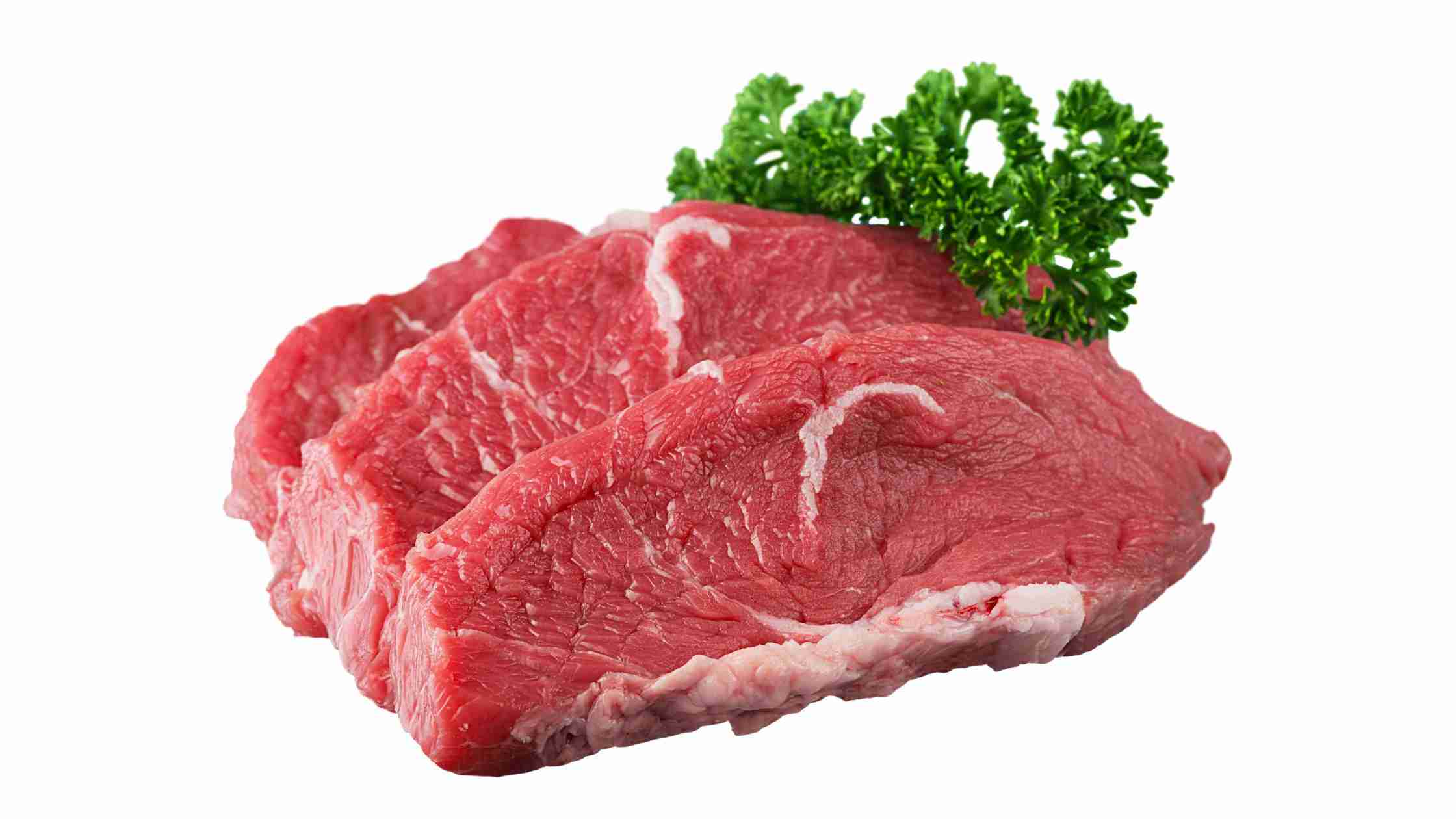
One key reason you may crave red meat is that your body is low in specific nutrients, particularly iron, zinc, and vitamin B12.
Red meat is a rich source of these essential vitamins and minerals. If your diet lacks them, your body may signal a craving for meat to replenish its stores.
Iron is essential for maintaining energy levels, and a deficiency can cause fatigue, which might make your body seek out iron-rich foods like beef or lamb.
Increased Protein Demand
If you’ve been working out more than usual or are undergoing physical stress, you may need more protein for muscle repair and recovery.
Protein is essential for building and maintaining muscle tissue, so when your body requires more of it, you might start craving protein-heavy foods like steak, chicken, or eggs.
Hormonal Changes
Hormonal shifts can also influence cravings. For example, during certain phases of the menstrual cycle or after intense physical activity, your body may need more calories and nutrients, including protein and fat. This can trigger a craving for rich, satisfying foods like red meat, which provides both.
Emotional Cravings and Comfort
Sometimes, cravings for red meat aren’t about nutrients or physical needs but emotions. Red meat and hearty protein meals are often considered comfort foods, making them appealing when you’re stressed, tired, or need emotional grounding. Craving a steak or a burger could be your body’s way of seeking comfort during tough times.
Cultural and Habitual Factors
Habits and culture can also influence cravings. If you’ve grown up in a household or region where red meat is a staple, you may naturally gravitate toward it when you’re hungry or need a satisfying meal.
The body gets used to specific patterns, and if red meat is part of your usual diet, you may crave it out of routine.
How to Balance Cravings

While enjoying red meat in moderation is okay, balance is critical. Consider diversifying your protein sources with lean meats, fish, plant-based proteins like beans, tofu, or lentils. This can help ensure you get your various nutrients without over-relying on red meat, which can be high in saturated fats.
Understanding Cravings for Red Meat or Protein-Heavy Foods (Nutritional Principles)
- Vitamin B12 Needs:
- Red meat is an excellent source of vitamin B12, vital for nerve function and red blood cell production.
- A craving for protein-heavy foods could signal low B12 levels, especially in individuals who don’t consume enough animal products.
- Zinc Deficiency:
- Zinc, abundant in red meat, is essential for immune health and cell repair.
- People lacking zinc may experience cravings for protein-heavy foods to meet these needs.
- Protein Requirements:
- If your body needs more protein (due to physical activity or muscle repair), it may crave protein-dense foods like red meat.
- Protein is necessary for tissue repair and muscle growth, especially after exercise.
- Calorie and Fat Requirements:
- Red meat contains healthy fats and is calorie-dense.
- Your body may crave it to meet increased energy demands, especially after intense activity or during hormonal shifts (e.g., menstrual cycles).
- Satiety and Emotional Comfort:
- Protein and fat-rich foods, like red meat, offer greater satiety, making them ideal for those feeling emotionally or physically drained.
- Red meat may also serve as a comfort food, satisfying emotional cravings for warmth or heaviness in meals.
- Balanced Diet Approach:
- While red meat provides essential nutrients, it is essential to balance it with other sources like lean proteins, fish, and plant-based options.
- This promotes overall health without overconsumption of saturated fats.
Mindful Journaling

Cravings for red meat or protein-heavy foods often reflect physical or emotional needs. Start by focusing on nutritional principles—ensuring your body gets enough protein, iron, and essential nutrients to support brain health.
Once nourished, use mindful journaling before meals to explore your cravings. Ask yourself if the craving is driven by hunger, stress, or emotional comfort. This practice is vital to Cognitive Behavioral Therapy (CBT), helping you understand the reasons behind your food choices.
The Eating Enlightenment App can guide you through this process, offering tools for mindful journaling to develop healthier eating habits and greater self-awareness.
Healing Trauma and Inner Parts to Stop Sour Food Cravings and Understand Red Meat Cravings
Cravings for certain foods, such as sour foods or red meat, can often be linked to unresolved trauma and emotional needs. Trauma affects how our body and mind respond to hunger and cravings, usually seeking comfort through intense or familiar tastes. For some, cravings for red meat or protein-heavy foods may stem from emotional responses or a sense of imbalance caused by past trauma.
Focus on Nutrition First
Ensure your body is nutritionally balanced before addressing deeper emotional layers. Cravings for red meat can be your body’s way of signaling a need for iron, protein, or vitamin B12. Focusing on a well-rounded diet that meets these needs helps calm the brain, allowing for a more explicit exploration of emotional cravings.
Start with Mindful CBT Journaling
Use mindful Cognitive Behavioral Therapy (CBT) journaling to begin healing your relationship with food. Journaling before meals helps you reflect on whether your cravings are tied to hunger, stress, or emotional pain. This practice increases awareness, giving insight into whether physical needs or emotional coping mechanisms drive cravings for red meat or sour foods.
Evolving into IFS Journaling: Healing Inner Parts
As you deepen your journaling practice, it can evolve into Internal Family Systems (IFS) journaling. In IFS, you explore different “parts” of yourself—each part may have a role, such as seeking comfort through food or trying to fill emotional voids. For example, a “part” of you may crave red meat when you feel insecure or ungrounded. Through journaling, you can begin to understand and heal these parts by giving them space to be heard and integrated.
Healing Trauma and Inner Parts
Healing trauma is a slow, compassionate process. By exploring the parts of you connected to food cravings, you can begin to heal the trauma that fuels these cravings. A vital part of this healing involves nurturing these parts, addressing their fears, and helping them find new, healthier ways to feel safe and satisfied.
For guidance on this healing journey, the Eating Enlightenment Course offers practical tools to help you combine nutrition, CBT, and IFS journaling to understand better and heal the emotional roots of your cravings. Through mindful exploration and self-compassion, you can transform how you relate to food and nourish your body and mind.
Conclusion
Cravings for red meat or protein-heavy foods are often your body’s way of signaling a need for nutrients, energy, or comfort.
You can healthily address these cravings by paying attention to these signals and ensuring your diet is well-rounded.