


Hormones significantly drive food cravings, influencing our eating habits in ways we may not even realize. From the fluctuations that occur during PMS to the stress-induced spikes in cortisol, these chemical messengers can make us reach for sugary, salty, or high-fat foods.
Understanding how hormones affect your appetite and cravings can help you manage your eating habits more effectively, whether you’re dealing with hormonal shifts due to your menstrual cycle, stress, or other factors. Let’s explore how hormones impact food cravings and what you can do about it.
Hormones and Cravings: Science
Hormones regulate various physiological processes, including appetite and food cravings. The complex relationship between hormones and cravings is rooted in the body’s effort to maintain balance and respond to internal and external stimuli.
For instance, the hormone ghrelin, often called the “hunger hormone,” signals the brain when it’s time to eat. At the same time, leptin helps regulate energy balance by suppressing hunger once the body has sufficient energy reserves. During stress, the body releases cortisol, increasing cravings for high-calorie comfort foods as a survival response.
Similarly, hormonal fluctuations during the menstrual cycle, mainly changes in estrogen and progesterone, can lead to increased cravings for sweet or salty foods, especially in the luteal phase (the second half of the cycle).
These hormonal shifts are natural, but understanding their influence on cravings can be crucial in managing diet and maintaining overall health. By recognizing the hormonal drivers behind cravings, individuals can adopt strategies to mitigate the impact, such as stress management, mindful eating, and a balanced diet.
Food Cravings
Food cravings are intense desires to consume specific foods, often driven by physiological, psychological, and hormonal factors.
Hormones like ghrelin and leptin regulate hunger and satiety, while fluctuations in hormones such as cortisol (during stress) and estrogen or progesterone (during the menstrual cycle) can intensify cravings. Cravings are often for high-calorie, sugary, or salty foods, which can provide quick energy or comfort.
Understanding the hormonal and emotional triggers behind cravings can help in managing them and making healthier food choices.
Stress Eating and Cortisol
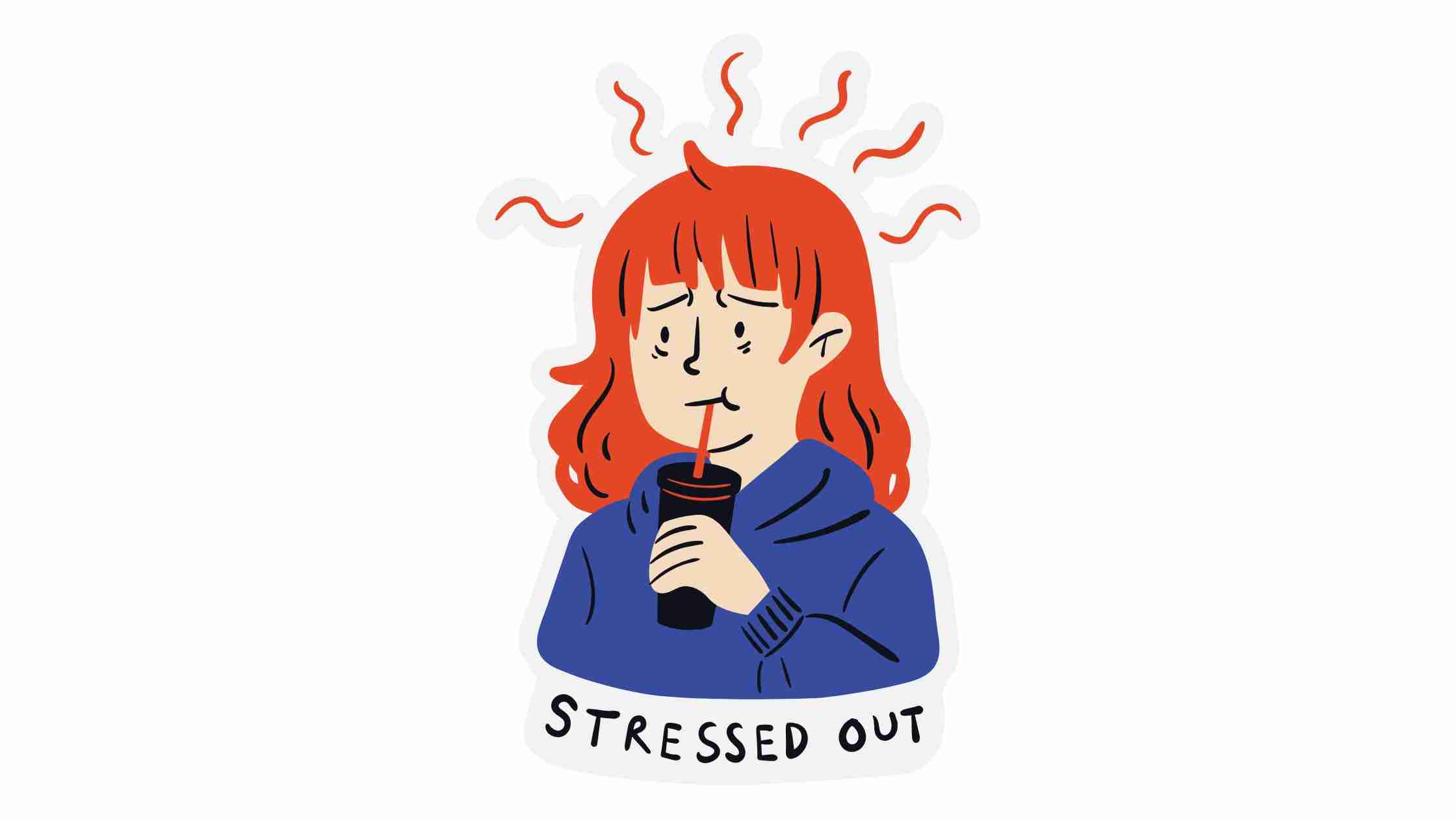
Stress eating, often called emotional eating, is closely linked to the hormone cortisol. When stressed, your body releases cortisol, increasing your appetite and triggering cravings for high-calorie, comfort foods like sweets and snacks.
This is part of the body’s natural “fight or flight” response, where it prepares for potential energy needs during stressful situations. While occasional stress eating is everyday, chronic stress and elevated cortisol levels can lead to overeating and weight gain.
Managing stress through healthy coping mechanisms, like exercise or relaxation techniques, can help reduce stress-related cravings.
Tips for Managing Hormone-Driven Cravings

Managing hormone-driven cravings involves adopting strategies that help balance your hormones and control urges. Here are some practical tips:
- Eat balanced meals: Focus on a diet rich in protein, fiber, and healthy fats to stabilize blood sugar levels and reduce intense cravings.
- Stay hydrated: Sometimes thirst can be mistaken for hunger, so drink plenty of water throughout the day to avoid unnecessary cravings.
- Manage stress: Practice stress-reducing activities like meditation, deep breathing, or exercise to keep cortisol levels in check and prevent stress eating.
- Get enough sleep: Poor sleep disrupts hunger hormones like ghrelin and leptin, increasing cravings, especially for unhealthy foods.
- Practice mindful eating: Pay attention to your eating and recognize when cravings are driven by emotions or stress rather than hunger.
By understanding your body’s hormonal patterns and adopting these practices, you can manage cravings more effectively.
Mindful Journaling:
Mindful journaling before eating helps you become more aware of why you’re reaching for food. By writing down your thoughts and feelings, you can recognize whether you’re starving or eating due to emotions like stress or boredom. This practice allows you to pause and make more thoughtful food choices.
Mindful journaling is also crucial to cognitive behavioral therapy (CBT) in managing eating habits. It helps you identify the emotional triggers behind cravings and change negative thought patterns around food.
The Eating Enlightenment App supports this process by offering prompts and tools to help track emotions and eating patterns, making it easier to develop healthier habits.
Healing Trauma:

Healing trauma and addressing inner emotional parts can play a crucial role in managing food cravings. Often, emotional eating is tied to unresolved trauma or unmet emotional needs, where food becomes a way to self-soothe. By exploring and healing these deeper wounds, you can reduce the urge to use food as a coping mechanism.
One way to start healing is through practices like Inner Child Work or Parts Therapy, where you connect with the vulnerable parts of yourself that may be driving your cravings. By recognizing and comforting these inner parts, you can reduce their hold over your eating habits and address the root causes of emotional eating.
The Eating Enlightenment Course is designed to guide you through this healing process. It helps you connect with your inner emotional world, providing tools and techniques to heal trauma and develop a healthier relationship with food.
Conclusion:
Hormones significantly drive food cravings, whether due to PMS, stress, or other factors. Hormonal fluctuations influence appetite and cravings for certain foods, particularly those high in sugar or fat.
By understanding how hormones like cortisol, estrogen, and ghrelin impact your eating habits, you can better manage these cravings through mindful eating, stress reduction, and balanced nutrition. Addressing the root causes of these cravings helps you make healthier food choices and maintain long-term well-being.