


Have you ever daydreamed about a cold, creamy fruit smoothie out of nowhere? Maybe it hits you as you walk past a smoothie shop, or perhaps the thought sneaks up mid-afternoon when your energy dips.
Suddenly, all you can think about is the vibrant taste of a perfectly blended mix of strawberries, bananas, and maybe even a splash of mango. Why do these cravings strike? What is it about fruit smoothies that your body (and mind) seem to be calling out for?
Cravings like this are more than random desires—they often reveal clues about what your body or emotions need.
Whether it’s a signal for nutrients, a lifestyle cue, or even an emotional comfort you’re seeking, cravings for fruit smoothies can reveal more than meets the eye.
This post will guide you through eight fascinating reasons for wanting these refreshing treats.
From their nutritional benefits to hidden emotional triggers, we’ll explore how these cravings can shape your choices and, ultimately, your well-being. Keep reading—you might discover that your smoothie craving is telling you more than you think.
#1 You Need More Hydration
Sometimes, your craving for fruit smoothies is simply a cue for hydration. The combination of fruits and liquids—water, milk, or juice—makes smoothies an easy and delicious way to replenish fluids. Think about those hot days when nothing seems to quench your thirst, like the idea of a chilled berry smoothie. It’s your body signaling a need for fluids, especially if you’ve been exercising, spending time in the sun, or simply not drinking enough water.
To explore this further, try journaling your daily water intake. Notice if your smoothie cravings peak on days you’re less hydrated. Could your craving be thirst in disguise? Keep a water bottle handy and prioritize hydration—your smoothies can be an option for enjoyment, not just rehydration.
#2 A Nutrient Deficiency Is Calling for Balance
Fruits contain essential vitamins like vitamin C, potassium, and fiber. A craving for smoothies might mean your body is looking for these nutrients. Have your recent meals been less colorful or nutrient-dense? Think about the appeal of a vibrant strawberry-banana or mango-spinach smoothie—it’s your body’s way of reaching for some much-needed replenishment.
For instance, if strawberries are calling your name, your body may need extra vitamin C for immunity. Or a banana-heavy craving could be a request for potassium to support muscle function and hydration. Take note of what you’re craving in your smoothie and log recent meals in a journal. When you connect patterns, you may discover the missing ingredients your body is trying to receive.
#3 The Sweetness Symbolizes Comfort
Fruit smoothies carry a natural sweetness that’s comforting. If you’re juggling stress, fatigue, or emotional overwhelm, something is soothing about their creamy, fruity taste. This craving might be less about nutrients and more about comfort—a sweet hug in liquid form.
Pause and reflect on your emotional state when you crave a smoothie. Are you looking for reassurance or a peaceful moment in a hectic day? Journaling how your smoothie makes you feel can help you identify when the craving is an emotional cue. With this awareness, you can enjoy your smoothie with intention or explore other soothing activities, such as walking, breathing exercises, or calling a friend.
#4 You’re Seeking an Energy Boost

Fruit smoothies, with natural sugars and carbs, are excellent for quick energy. If you’ve been feeling sluggish or fatigued, that craving for a mango-pineapple-green smoothie could be your body’s way of asking for a pick-me-up. Fruits like these deliver a clean energy source that is less volatile than processed sugar, especially when combined with fiber, greens, or protein.
Think about when your craving arises—mid-afternoon, perhaps? Log this in your journal and explore whether your smoothie craving aligns with energy dips. You could experiment with adding protein-rich ingredients like Greek yogurt or seeds to your smoothies for balanced energy that lasts longer, all while savoring that revitalizing sweetness.
#5 Seasonal Influences
Smoothies carry the essence of summer. Cravings for them often spike when warmer weather rolls in, bringing a desire for cooling and fresh flavors. From tropical mango concoctions to luscious berry blends, smoothies feel right at home amidst sunny skies.
Perhaps your smoothie cravings aren’t just about temperature but also about seasonal availability. A craving for a strawberry smoothie in June? That’s your connection to nature’s rhythm. Journal about how the season influences your preferences.
Then, lean into these cravings by prioritizing seasonal fruits and enjoying smoothies as a celebratory nod to the times of the year.
#6 Recent Dietary Shifts
If you’ve recently set new health goals or cut out less nourishing foods, you may notice a shift toward cleaner cravings. Reducing processed snacks could amplify your desire for fruit smoothies, which provide natural sugars and nutrients instead. Your body might also be adapting to finding satisfaction in healthier options.
For example, replacing soda or sugary desserts with smoothies can create new satisfaction pathways. Observe how this new craving fits into your broader eating patterns. Journaling about your meal changes can help determine how cravings align with your need for more variety or specific nutrients.
#7 Psychological Association with Health
For many, smoothies symbolize health—a visual cue tied to self-care and nourishment. A craving for fruit smoothies could represent your desire to reconnect with healthier habits, especially after eating less mindfully.
Take a moment to reflect on what smoothies mean to you. Do they make you feel healthier or more intentional about your choices? Write about this connection in your journal—understanding these psychological associations can give you insight into how your mind and body work together to prioritize well-being.
#8 Your Gut Health Is Encouraging You

Your microbiome might also influence your cravings. High-fiber fruits and probiotic-rich smoothie ingredients like yogurt promote gut health. If your cravings center around berries or yogurt-based smoothies, your gut bacteria may signal their need for sustenance.
Here’s where mindfulness becomes fascinating. Tune into how your gut feels before and after enjoying a smoothie—lighter, calmer, or “better.” Write down your observations. Following these cravings might support your digestive health and create a foundation for better immunity and mood regulation.
7 Myths About Fruit Smoothie Cravings Debunked
Cravings for fruit smoothies can feel like a refreshing mystery. Are they a call for health, sugar, or some deeply buried emotional connection to a strawberry-banana blend? Before we jump to conclusions, it’s time to bust some common myths and give smoothies the honest spotlight they deserve.
1. Myth: Craving Smoothies Means You’re Always Dehydrated
Debunked: While smoothies are hydrating (thank you, water and juicy fruits), they’re not just thirst-quenchers. Craving one might signal a need for electrolytes, vitamins, or even just a tangy burst of flavor. Sometimes, your body wants something refreshing—it’s not always screaming, “Water! Stat!”
2. Myth: Smoothie Cravings Are All About Sugar Addiction
Debunked: Yes, smoothies are sweet, but no—they’re not sugar bombs unless you make them that way. Cravings for smoothies are often tied to your body seeking natural sugars paired with fiber and hydration. Bananas, berries, and mangoes offer far more nutrition than your average candy bar!
3. Myth: You Only Crave Smoothies in Summer
Debunked: Sure, a tropical mango smoothie hits differently at poolside, but smoothie cravings aren’t just about the season. Whether it’s winter and you’re dreaming of a cinnamon-apple blend or spring calls for pineapple-kale perfection, your body doesn’t run its cravings on the calendar.
4. Myth: Green Smoothie Cravings Mean You’re Super Healthy
Debunked: Craving a green smoothie doesn’t automatically make you a beacon of wellness. It’s not a secret handshake from the health gods—more likely; your body’s after fiber, magnesium, or nutrients from those hidden [leafy vegetables]. Blame your biology, not your presumed superiority.
5. Myth: A Craving Is Always Emotional
Debunked: Cravings can indeed reflect emotional needs (comfort, anyone?), but they’re not always psychological. Sometimes, a craving is simply a biological drive for what your body’s missing. If you’re fantasizing about a banana-spinach-chia seed combo at 3 PM, it might be your energy levels, not nostalgia for childhood snack time.
6. Myth: Smoothies Can Replace Any Meal
Debunked: Smoothies are magical, but they’re not a nutritional cure-all. Craving smoothies doesn’t mean they’re the ideal meal swap. Sure, they’re packed with nutrients, but you’ll be hungry again in an hour without protein, healthy fats, or enough calories. Add some Greek yogurt, nuts, or oats to make it a satisfying meal.
7. Myth: All Smoothie Cravings Mean You’re a Health Nut
Debunked: Relax, you’re not an instant wellness guru just because smoothies are on your mind. Maybe it’s about that delightful strawberry taste or the blend of refreshing flavors. Craving smoothies doesn’t always mean you’re strapping on yoga gear—it’s about balance, not image.
The Deeper Layer of Cravings

Have you noticed specific cravings persist despite attempts to ignore or suppress them? Cravings, even for something seemingly healthy like smoothies, can hint at deeper reasons. While some cravings stem from nutritional or hydration needs, others might reflect emotional layers, habits, or patterns like binge eating disorder (BED). If you frequently crave calorie-rich smoothies or indulge uncontrollably, it might signal something beyond mere hunger.
Smoothie cravings often intersect with cycles of restriction and bingeing, known as the binge-diet cycle. Restricting food can lead to a sense of deprivation, triggering intense cravings. Over time, these cravings may grow into overcompensation, like turning to high-sugar smoothies for comfort. Recognizing how smoothie cravings fit into this cycle can be the first step toward change, and Eating Enlightenment offers a way to explore and heal these patterns.
The Eating Enlightenment Journey
1. Nutritional Journaling
Persistent cravings often stem from deprivation or imbalanced meals. Journaling your eating patterns can help uncover gaps. Are you eating frequently enough? Are meals balanced with carbs, fats, and proteins? For example, skipping meals or cutting out filling foods may make your body yearn for the quick energy of a smoothie.
Prompt: Is my eating consistent and balanced? What nutrients might I be missing?
2. Mindful Trigger Awareness
Once your nutrition stabilizes, explore the emotional or situational triggers behind cravings. Journaling helps identify patterns, such as craving smoothies after stressful events or during afternoon slumps. Pausing to ask, “What do I need right now?” can help you find alternative solutions, such as hydrating or resting.
Prompt: What was happening just before my smoothie craving? What emotion might I be responding to?
3. Healing Through Inner Reflection
Cravings can reveal emotional wounds or unmet needs, such as seeking comfort in smoothies. Journaling through “parts work” can help you explore feelings tied to these cravings. Ask yourself, What part of me feels comforted by this smoothie? Over time, this reflection can help you address emotional needs more directly.
Prompt: What deeper need might this craving reflect? How can I support it compassionately?
Practical Tips for Healthy Satisfaction

- Enhance Your Smoothie: Add protein or greens to make smoothies more filling and balance blood sugar.
- Use Whole Ingredients: Opt for homemade blends with fresh fruit and simple bases over store-bought sugary options.
- Journaling: Capture when and why cravings arise and how they make you feel.
Closing Thoughts
Craving fruit smoothies isn’t just about the fruit—it’s your body communicating with you. Whether it’s hydration, nutrients, or emotional comfort, these cravings hold valuable insights. By exploring their reasons, you can make informed, nourishing choices.
Smoothies can be a powerful tool for self-care, providing both nutrients and comfort, and understanding the why behind your cravings transforms them into opportunities for mindful living.
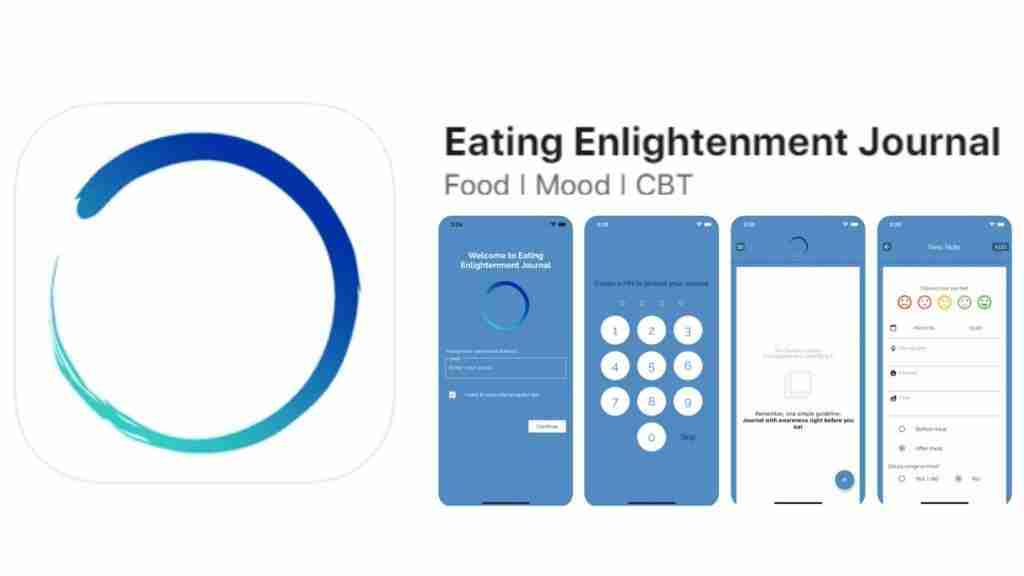
To make tracking easier, try the free Eating Enlightenment Journal App. It helps uncover patterns and address cravings with balance and compassion. Journaling has also helped me find emotional needs and make better choices—it’s a game-changer!
Take the next step. Download the Eating Enlightenment Journal App and turn your cravings into a path for growth and self-discovery. Keep listening, and enjoy your smoothies!