


Gas in the stomach can be uncomfortable and sometimes embarrassing. But it’s a common issue many people face. For health enthusiasts and those seeking better digestive health, understanding the root causes of gas can be the first step towards finding relief.
In this blog post, we’ll explore the reasons for gas in the stomach and offer practical tips to manage it effectively. By the end of this article, you’ll have a better grasp of how to maintain a healthier digestive system.
Common Causes of Gas in the Stomach

Dietary Habits and Gas
One of the main culprits behind stomach gas is our diet. Foods high in fiber, like beans, lentils, and certain vegetables, are known to produce gas. While fiber is essential for our health, it can sometimes lead to bloating.
Additionally, carbonated drinks such as soda and sparkling water introduce extra air into the stomach, causing discomfort. Chewing gum and eating too quickly can also result in air swallowing, contributing to gas build-up.
Digestive Processes
The natural digestive process involves breaking down food, which creates gas as a byproduct. The stomach and intestines produce gas during digestion, and when it accumulates, it can cause bloating and discomfort.
Certain foods, like dairy products, can be hard to digest for some people, leading to gas. This is especially true for those who are lactose intolerant.
Gut Bacteria and Gas Production
Our gut is home to trillions of bacteria that play a crucial role in digestion. These bacteria help ferment undigested food particles, producing gas in the process. An imbalance in gut bacteria can lead to excessive gas production.
Probiotics can sometimes help balance gut bacteria. However, introducing them too quickly might initially increase gas production until the gut adjusts.
Dietary and Lifestyle Changes to Reduce Gas
Modify Your Diet
To reduce gas, consider modifying your diet. Start by identifying and eliminating foods that trigger gas. This might include beans, certain vegetables, and dairy products. Keeping a food diary can help identify these triggers.
Instead of high-fiber foods, opt for easily digestible options. Cooked vegetables are generally easier to digest than raw ones. Also, reduce your intake of carbonated beverages and replace them with still water or herbal teas.
Eating Habits Matter
Your eating habits play a significant role in gas production. Eating slowly and chewing food thoroughly can reduce the amount of air swallowed, decreasing gas formation. Avoid using straws, as they can introduce extra air into your stomach.
Smaller, more frequent meals can also help. Large meals can overload your digestive system, leading to increased gas production.
Stay Active
Regular physical activity can aid digestion and reduce gas. Exercise helps move gas through the digestive tract, preventing it from building up and causing discomfort. Even a short walk after meals can make a difference.
Engaging in activities like yoga can be especially beneficial. Certain yoga poses can help release trapped gas and promote better digestion.
Medical Conditions Related to Excessive Gas
Lactose Intolerance
Lactose intolerance is a common condition where the body cannot digest lactose, a sugar found in dairy products. This leads to gas, bloating, and discomfort after consuming dairy. If you suspect lactose intolerance, consider eliminating dairy from your diet or using lactose-free products.
Irritable Bowel Syndrome (IBS)
IBS is a chronic condition affecting the digestive system, leading to symptoms like gas, bloating, and abdominal pain. Managing IBS often involves dietary changes, stress management, and sometimes medication.
Small Intestinal Bacterial Overgrowth (SIBO)
SIBO occurs when there is an abnormal increase in bacteria in the small intestine. This can lead to excessive gas, bloating, and other digestive issues. Treatment typically involves antibiotics and dietary changes.
How the Right Medications Can Help Reduce Stomach Gas: Discover the Benefits

In some cases, lifestyle changes and natural remedies may not be enough to reduce excessive gas. This is where the right medications can play a crucial role in managing symptoms and providing relief.
For example, over-the-counter products like simethicone can help break down gas bubbles in the digestive tract, reducing bloating and discomfort. Probiotics are another option that can help balance the bacteria in the gut and improve digestion.
Prescription medications like antispasmodics or low-dose antidepressants may also be prescribed for certain conditions such as IBS or functional dyspepsia. These medications work by relaxing muscles in the digestive tract and reducing pain and discomfort.
It’s important to work with a healthcare professional to determine the best medication plan for you. They can help identify any underlying conditions and prescribe the appropriate medications to help manage your symptoms, allowing you to live a more comfortable and fulfilling life. Remember, relief is possible with the right combination of lifestyle changes and medications. Don’t be afraid to seek support and advocate for your health. You deserve to feel your best!
Modifying your dietary and beverage preferences
write a unique answer about Modifying your dietary and beverage preferences for the blog post
Making changes to your diet and beverage choices can not only help reduce stomach gas but also improve overall digestive health. Start by keeping track of foods that seem to trigger gas or discomfort for you. This may include high-fat or spicy foods, dairy products, carbonated drinks, and artificial sweeteners.
It’s also important to make sure you’re getting enough fiber in your diet, as it can help regulate bowel movements and reduce constipation which can contribute to gas buildup. However, adding too much fiber too quickly can also cause bloating and gas, so it’s important to increase intake gradually.
In addition to dietary changes, it’s important to pay attention to how you eat. Eating too quickly or not chewing food thoroughly can lead to excess air swallowing and ultimately contribute to gas. Try to slow down and take your time while eating.
It’s also worth noting that some people may benefit from avoiding specific types of carbohydrates, known as FODMAPs, which are often poorly absorbed in the small intestine and can cause gas and bloating. A low FODMAP diet may be recommended by a healthcare professional for those with conditions such as IBS.
Tips for Preventing Gas and Improving Digestive Health
Eat Mindfully
Mindful eating can significantly reduce gas production. Focus on your food, chew slowly, and avoid distractions like TV or smartphones during meals. This practice not only aids digestion but also enhances the overall eating experience.
Stay Hydrated
Drinking plenty of water helps move food through the digestive system and reduces the likelihood of gas and bloating. Aim to drink at least eight glasses of water a day. Herbal teas, especially those containing ginger or peppermint, can also help soothe the digestive system.
Include Probiotics in Your Diet
Probiotics are beneficial bacteria that support a healthy gut. They can be found in fermented foods like yogurt, kefir, sauerkraut, and kimchi. Regular consumption of probiotics can help balance gut bacteria and reduce gas.
When to Seek Medical Advice
Persistent Symptoms
If you experience persistent gas, bloating, or abdominal pain, it’s essential to seek medical advice. These symptoms could indicate an underlying medical condition that requires treatment.
Severe Discomfort
Severe discomfort or pain should not be ignored. If gas is accompanied by other symptoms like weight loss, blood in stool, or fever, consult a healthcare professional immediately.
Regular Check-ups
Regular check-ups can help identify and address digestive issues early. If you have a history of digestive problems, staying proactive about your health can prevent complications.
What is the primary reason for stomach gas?

- Swallowed Air: Eating or drinking too quickly, chewing gum, or smoking can cause you to swallow air, which can build up in the stomach and intestines, leading to gas.
- Dietary Choices: Consuming foods that are high in fiber, such as beans, lentils, broccoli, and whole grains, can increase gas production. Certain sugars and starches in these foods aren’t fully digested until they reach the colon, where they are broken down by bacteria, producing gas.
- Food Intolerances: Intolerance to certain foods like lactose (found in dairy products) or gluten (found in wheat, barley, and rye) can lead to excessive gas. The body’s inability to properly digest these substances causes gas and bloating.
- Artificial Additives: Sugar substitutes found in many sugar-free foods and drinks, such as sorbitol, mannitol, and xylitol, can also contribute to gastrointestinal gas and discomfort.
- Gut Bacteria Imbalance: An imbalance of gut bacteria, often caused by antibiotics or dietary changes, can disrupt normal digestion and lead to increased gas production as harmful bacteria overproduce.
- Medical Conditions: Certain medical conditions, such as irritable bowel syndrome (IBS), gastroesophageal reflux disease (GERD), and small intestinal bacterial overgrowth (SIBO), can be underlying causes of excessive gas production.
- Constipation: When stool builds up in the colon, it can cause a blockage that traps gas and leads to bloating and discomfort.
How can gas in the stomach be eliminated?
Eat Slowly: Take your time when eating and drinking. This can help reduce the amount of air you swallow, which can lessen gas buildup.
Mind Your Diet: Identify and limit foods that cause gas for you. Common culprits include beans, cabbage, onions, and carbonated drinks. Experiment with your diet to find what works best for your body.
Stay Active: Regular physical activity can help stimulate digestion and move gas through your system more efficiently. Even a gentle walk after meals can make a difference.
Hydrate Wisely: Drinking plenty of water can aid in digestion and help prevent constipation, which can contribute to gas. Aim to sip water throughout the day rather than during meals.
Try Probiotics: Incorporating probiotics into your diet can promote a healthy balance of gut bacteria, which may reduce gas production. Foods like yogurt, kefir, and fermented vegetables are good sources.
Over-the-counter remedies: Sometimes, over-the-counter products like simethicone or activated charcoal can provide relief from gas. Always check with a healthcare provider before starting any new medication.
Practice Relaxation Techniques: Stress and anxiety can impact your digestive system. Techniques like deep breathing, meditation, and yoga can help calm your mind and improve digestion.
Chew Thoroughly: Make sure to chew your food well. Proper chewing breaks down food particles and promotes better digestion, reducing the likelihood of gas.
Avoid Gum and Smoking: Chewing gum and smoking can cause you to swallow extra air, leading to gas buildup. Consider reducing or eliminating these habits.
Conclusion
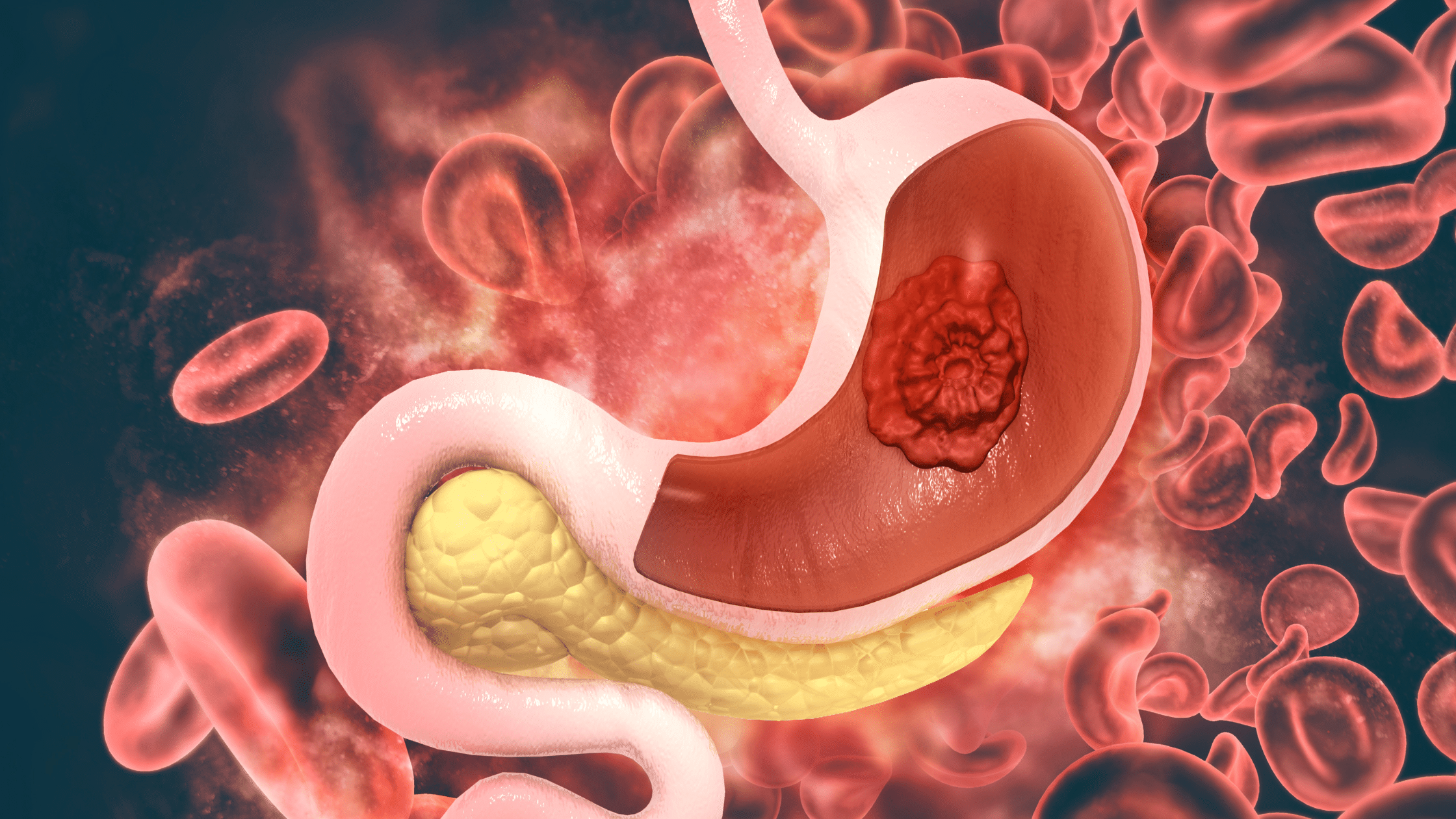
Gas in the stomach is a common issue that many people face. Understanding its causes and making dietary and lifestyle changes can significantly reduce discomfort and improve digestive health. Remember, your digestive health plays a crucial role in your overall well-being.
Taking proactive steps to manage gas can lead to a healthier, more comfortable life. If you experience persistent or severe symptoms, don’t hesitate to seek medical advice. Your digestive health is worth it.
Thank you for taking the time to read this guide. We hope you found it helpful and informative. For more personalized advice and support, feel free to reach out to our community of digestive health experts.