


Sugary cereals have been a breakfast staple for decades, enjoyed by kids and adults alike. With their sweet taste and crunchy texture, they are often eaten in the morning and as an easy snack throughout the day.
But how healthy are these sweet and crunchy cereals? What nutritional value do they offer?
In this blog post, we will explore the dietary principles of sugary cereals, their role in mindful eating, and how to enjoy them without compromising your health.
What Are Sugary Cereals?

Sugary cereals are breakfast cereals sweetened with added sugars, often made from grains like corn, wheat, or rice. They are commonly found in colorful packaging and are marketed primarily to children, though many adults also enjoy them. The appeal lies in their sweetness, crunchiness, and convenience, making them a leisurely breakfast or snack option for people of all ages.
Sugary Cereals as a Snack Option
Sugary cereals are often eaten as snacks apart from breakfast. Their sweetness and crunch make them a go-to option for quick munching. However, it’s important to note that they offer little balanced nutrition when eaten as a snack. Consuming sugary cereals between meals can lead to increased sugar intake, which may contribute to weight gain, cavities, and other health issues if not moderated.
The Health Impact of Regularly Consuming Sugary Cereals
Eating sugary cereals regularly can lead to several health problems. The high sugar content is linked to obesity, insulin resistance, and increased risk of type 2 diabetes. Moreover, frequent consumption of highly processed foods like sugary cereals can displace healthier options from your diet, such as whole grains, fruits, and vegetables, which are essential for maintaining good health.
Nutritional Breakdown of Sugary Cereals

Sugary cereals are often marketed as a fun, convenient, and tasty breakfast option. However, their nutritional profile tends to be mixed. Some cereals offer vitamins and minerals, while others are packed with empty calories and added sugars.
1. High in Added Sugars
Most sugary cereals contain significant amounts of added sugars. On average, a single serving of sugary cereal can contain 10-15 grams of sugar, almost half the recommended daily intake for adults (25-36 grams per day). Excess sugar consumption has been linked to various health problems, including obesity, type 2 diabetes, and heart disease.
2. Refined Carbohydrates
Sugary cereals are made from refined grains like corn, wheat, or rice. Refined carbohydrates are stripped of most of their fiber and nutrients, which can lead to a rapid spike in blood sugar levels, followed by a crash. This can result in cravings for more sugary foods and a lack of sustained energy.
3. Fortified with Vitamins and Minerals
Manufacturers often fortify sugary cereals with vitamins and minerals such as iron, vitamin D, and B vitamins to offset the lack of natural nutrients in processed cereals. While fortification does add some nutritional value, it is essential to remember that these added nutrients are not as beneficial as those naturally occurring in whole foods.
4. Low in Fiber and Protein
Fiber and protein are two essential nutrients that help satisfy you. Unfortunately, most sugary cereals are low in both. A lack of fiber can negatively impact digestion. At the same time, insufficient protein can lead to hunger shortly after eating, making sugary cereals a less-than-ideal option for those looking for a nutritious, long-lasting meal.
5. High Caloric Density
Sugary cereals can be deceptively high in calories, especially when eaten in large portions. A typical serving size is often much smaller than what most people pour into their bowl, leading to more calories and sugar than intended.
The Role of Mindful Journaling in Eating Sugary Cereals

Given the high sugar content and low nutritional value of most sugary cereals, mindful eating is crucial to ensuring you enjoy them in moderation. One effective tool for practicing mindful eating is mindful journaling, a technique that helps you become more aware of your eating habits and make more conscious food choices.
Ready to take control of your eating? Download the Eating Enlightenment App today and embark on your journey toward a healthier, more mindful you!
How Mindful Journaling Can Help:
- Track Your Portions: Mindful journaling encourages you to write down how much cereal you consume, helping you stay aware of portion sizes. You can prevent overindulgence by recognizing when you’ve had enough.
- Notice Hunger and Fullness Cues: Writing down how you feel before and after eating sugary cereals can help you determine whether you’re truly hungry or eating out of habit or emotional triggers. This awareness can lead to healthier snacking habits.
- Identify Patterns: Keeping a food journal can reveal patterns in your eating habits. Are you reaching for sugary cereals when stressed, bored, or tired? Recognizing these patterns can help you make more intentional choices.
- Balance Your Intake: Journaling can help you stay balanced by ensuring that sugary cereals are a tiny part of a healthy diet. By tracking what else you’re eating throughout the day, you can ensure you’re getting enough fiber, protein, and healthy fats from other sources.
Healthier Alternatives to Sugary Cereals
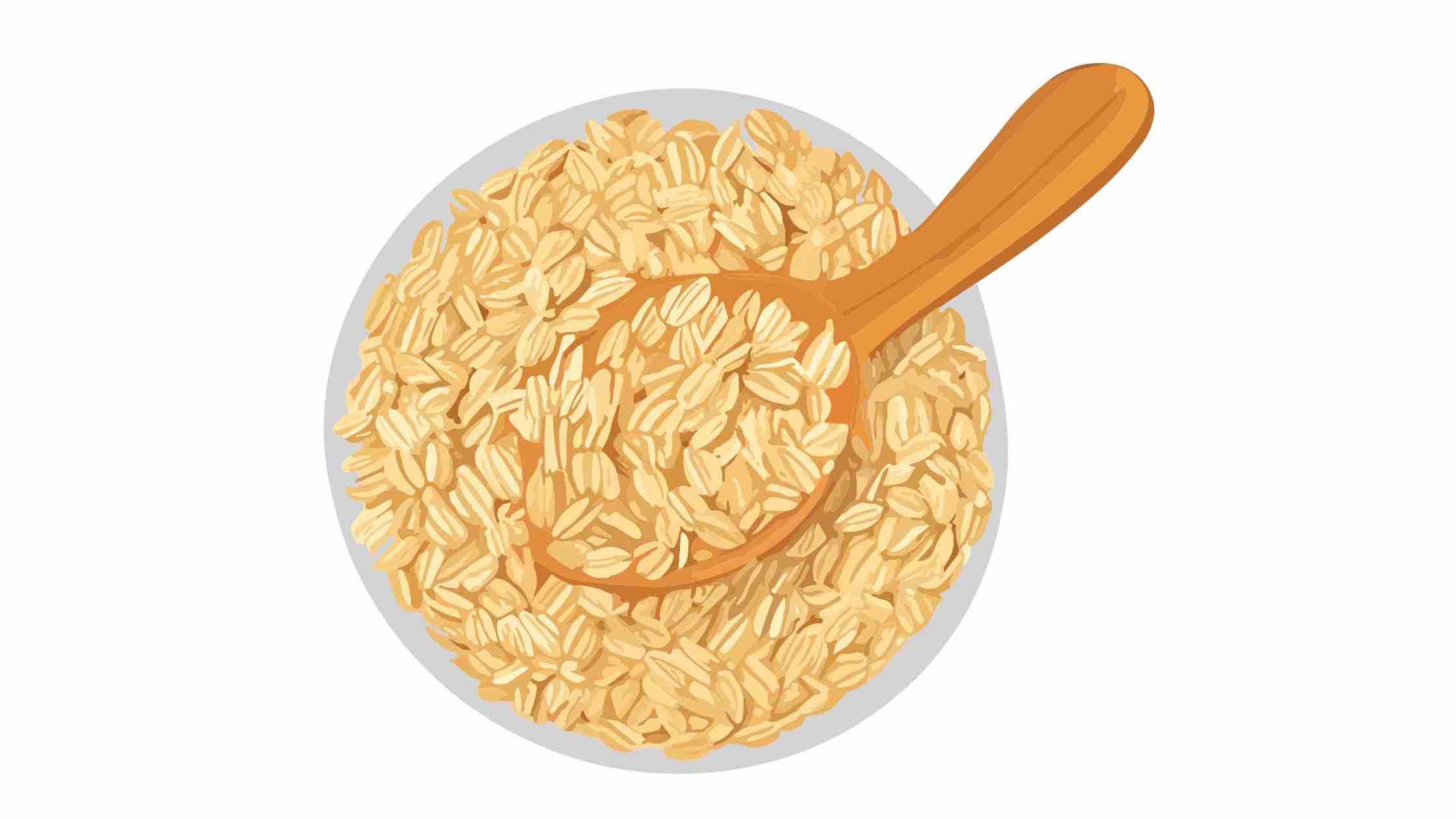
If you’re a fan of sugary cereals but want to make healthier choices, consider mixing them with unsweetened, whole-grain cereals to reduce your sugar intake.
You can also top your cereal with fruits, nuts, or seeds to add fiber, protein, and healthy fats, making your breakfast more balanced. Alternatively, look for cereals with whole grains and less added sugar to enjoy the crunch without the sugar overload.
Conclusion: Are Sugary Cereals a Healthy Choice?
While sugary cereals can be a fun and convenient treat, there are more nutritious options than sugary cereals, especially if consumed regularly or in large portions.
They are high in added sugars and refined carbohydrates, with little fiber or protein to support sustained energy levels. However, practicing mindful eating and keeping track of your consumption through journaling allows you to enjoy sugary cereals in moderation without derailing your health goals.
For those who love sugary cereals, try balancing them with healthier options, such as whole grains, fruits, and nuts, to improve the nutritional value of your meal. Always read labels carefully to make informed choices about the cereals you add to your diet.
FAQs About Sugary Cereals

1. Are sugary cereals bad for you?
Sugary cereals are not inherently “bad,” but “they are often high in added sugars and low in essential nutrients like fiber and protein. Consuming them in moderation is vital, and they should not be relied on as a primary source of nutrition.
2. Can sugary cereals be part of a balanced diet?
Yes, sugary cereals can be part of a balanced diet when eaten occasionally and in moderation. Pairing them with healthier foods like yogurt, nuts, or fruit can help improve their nutritional value.
3. What are some healthier alternatives to sugary cereals?
If you’re looking for healthier breakfast options, consider whole-grain cereals with no added sugar, oatmeal, or homemade granola. Adding fresh fruit, seeds, and nuts can also enhance the nutritional profile of your breakfast.
4. How can I reduce sugar intake from cereals?
You can reduce sugar intake by choosing cereals with less added sugar (aim for 5 grams or less per serving). You can also mix sugary cereals with unsweetened varieties to reduce sugar while enjoying the flavors you love.
5. Why are sugary cereals fortified with vitamins and minerals?
Since many sugary cereals are made from refined grains lacking naturally occurring nutrients, manufacturers often fortify them with essential vitamins and minerals like iron, calcium, and vitamin D to provide nutritional value. However, getting most of your nutrients from whole, unprocessed foods is still important.