


Rice is a staple in many diets around the world. It’s a food that brings comfort and sustenance. Recently, there has been a lot of buzz about using rice hacks to lose weight. But can rice help you shed those extra pounds?
This post will explore the truth behind this claim and guide those on their weight loss journey.
Rice is loved globally and forms the foundation of countless meals. Given its popularity, it’s unsurprising that many people are curious about its role in weight loss.
There are claims that specific rice hacks can help you lose weight. But how much of this is fact, and how much is fiction? We’re here to break it down for you.
Debunking the Myth
It’s essential to start by understanding what science says about rice and weight loss. Some believe that simply eating rice in a certain way can lead to weight loss.
However, there are no scientific studies to back this claim. Weight loss usually requires a combination of diet, exercise, and lifestyle changes.
Rice is neither a magic bullet for weight loss nor a diet villain. It’s a source of carbohydrates, which are essential for energy.
However, consuming too many carbohydrates without balancing them with other nutrients can lead to weight gain. Therefore, claims that rice alone can make you lose weight are misleading.
To lose weight, you need to create a calorie deficit. This means burning more calories than you consume. While you can include rice in your diet, it should be part of a balanced approach to eating.
Understanding that no single food will lead to weight loss is vital.
Exploring Rice Types
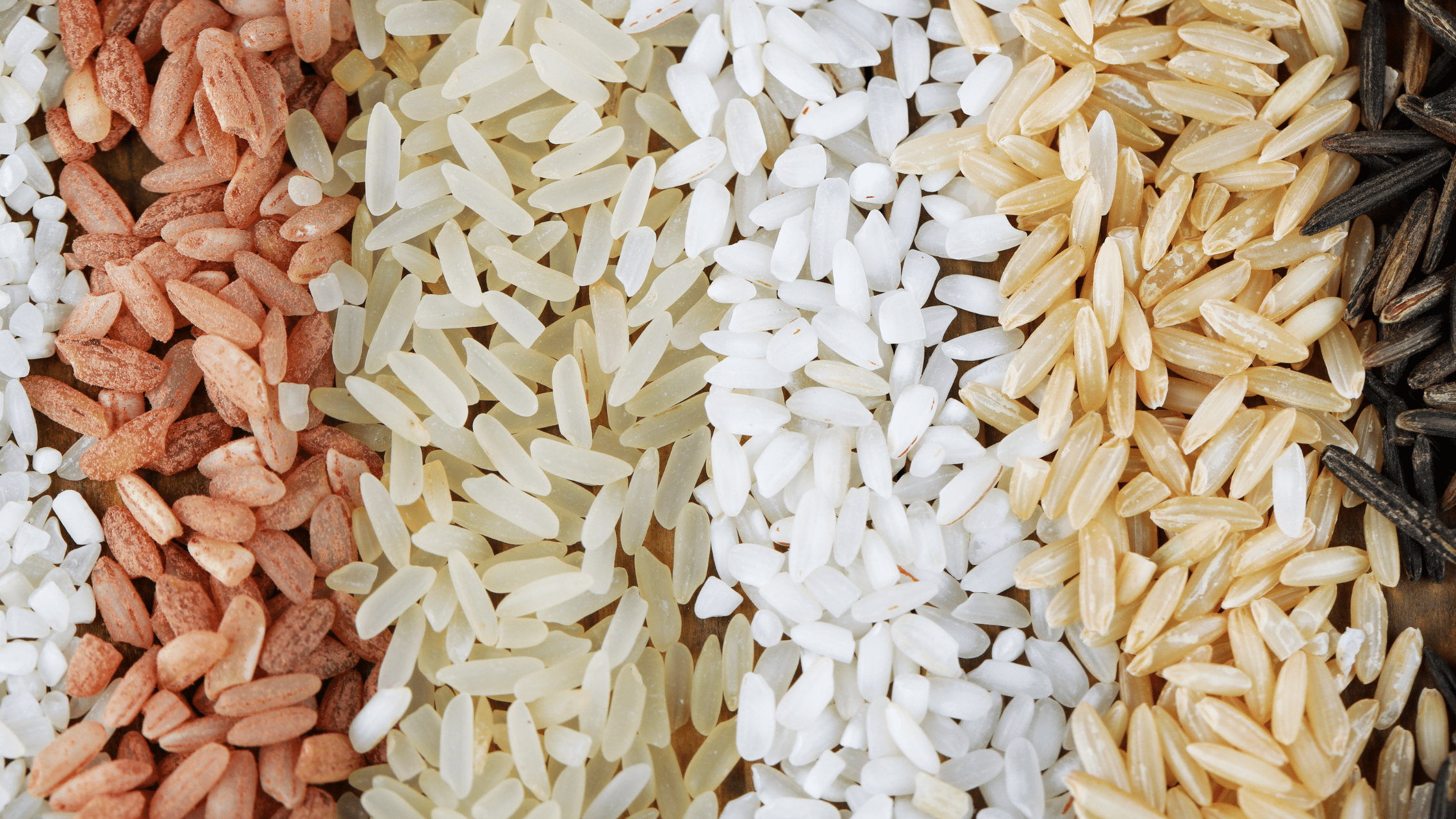
Not all rice is created equal. There are several types, each with a unique nutritional profile. Understanding these differences can help you make better diet choices.
Brown Rice vs. White Rice
Brown rice is a whole grain. It contains the bran, germ, and endosperm, which makes it richer in nutrients than white rice, which has had the bran and germ removed. Brown rice is high in fiber, which can help you feel full longer. It also has a lower glycemic index, meaning it won’t spike your blood sugar as much as white rice.
Specialty Rice Types
Specialty rice types include black, red, and wild rice. These varieties are packed with antioxidants and have unique health benefits. They provide more fiber and nutrients than regular white rice, making them healthier for those looking to lose weight.
Including various rice types can provide different nutrients and keep your meals interesting. It’s about finding a balance that works for you and supports your health goals.
The Role of Portion Control
Portion control is crucial in any diet. Even the healthiest foods can contribute to weight gain if eaten in large quantities. Here are some practical tips to manage your portion sizes:
- Use Smaller Plates: This can trick your brain into thinking you’re eating more than you are.
- Measure Your Servings: Instead of eyeballing it, use measuring cups to ensure you eat the right amount.
- Mindful Eating: Eat slowly and savor each bite. This helps you recognize when you’re full and prevents overeating.
Remember, it’s not about eliminating rice from your diet. It’s about enjoying it in moderation and balance with other foods.
Healthy Rice Alternatives
If you’re looking to diversify your diet, consider these healthy alternatives to rice:
- Quinoa: High in protein and fiber, quinoa is an excellent substitute for rice. It’s also rich in vitamins and minerals.
- Cauliflower Rice: Cauliflower rice is a popular alternative that is low in carbs and calories. It’s easy to make at home and can be used like regular rice.
- Barley: This grain is high in fiber and can help keep you full. It also has a chewy texture that adds variety to your meals.
Experimenting with these alternatives can help you find new favorites and keep your diet interesting.
Does eating rice aid in losing weight?

Rice, a staple food for many worldwide, often gets a mixed reputation regarding weight loss. However, if approached mindfully, rice can be part of a balanced diet that supports healthy weight management.
It’s essential to consider the type of rice and how it fits into your overall eating habits. Whole grains like brown rice have more fiber than white rice, which can help you feel fuller longer and support digestive health.
This can be beneficial if you’re trying to manage your weight. Fiber slows digestion, helping regulate blood sugar levels and reduce cravings, leading to more mindful eating choices throughout the day.
Portion control is another crucial factor. When paired with plenty of vegetables, lean protein, and healthy fats, a serving size of rice can contribute to a satisfying and nutritious meal without excess calories.
Eating rice as part of a balanced meal helps you get various nutrients that support your body’s needs.
Integrating rice into your diet doesn’t have to mean strict rules or deprivation. Instead, focus on enjoying a diverse range of foods in moderation and how different foods make you feel.
Embrace the journey towards discovering what works best for your body, acknowledging everyone’s unique path to wellness.
Can I eat solely rice and lose weight?
We do not recommend eating solely rice to lose weight. While rice can be a nutritious part of your diet, relying on it alone can lead to nutritional imbalances. Our bodies need various nutrients from different food groups to function well and maintain overall health.
Rice primarily provides carbohydrates, which are essential for energy. However, your body also requires proteins, fats, vitamins, and minerals to thrive.
A diet that includes a range of foods—vegetables, fruits, lean proteins, and healthy fats—supports your physical, emotional, and mental well-being.
Instead of focusing on a single food, consider adopting a balanced and mindful eating approach. Aim for meals that are diverse, nutrient-rich, and satisfying.
Doing so nurtures your body and mind, promoting long-term health and personal growth. Remember, the journey towards wellness is about finding what nourishes you on all levels, not just following restrictive diets.
Embrace this holistic path and trust in discovering a balanced relationship with food. Let each meal be an opportunity to nourish your body and spirit, fostering a healthier, more fulfilling lifestyle.
What is the hack for white rice?

White rice can be a comforting and versatile part of many meals. However, consider a few simple adjustments to enhance its nutritional value and support your well-being.
Firstly, think about portion control. Pairing a moderate serving of white rice with abundant vegetables and lean proteins can create a balanced and nourishing meal. This approach not only adds nutrients but also makes the meal more satisfying.
Rinsing white rice before cooking can reduce some starch, making it lighter and easier to digest. Cooking it in broth or adding herbs and spices can infuse it with additional flavor and nutrients, turning a primary side into something more nutritious and enjoyable.
Another helpful tip is to cool cooked white rice before eating or reheating it. This process increases the resistant starch content, which acts like fiber in your body, promoting better digestion and helping you feel fuller.
Describe the seven-day rice diet.
- Day 1: Introduction to Whole Grains
- Start with brown rice and pair it with fresh vegetables.
- Focus on simple, unprocessed foods to ease into the diet.
- Day 2: Incorporate Lean Proteins
- Add lean protein sources like grilled chicken or tofu alongside your rice.
- Continue to include plenty of vegetables for balance.
- Day 3: Emphasize Variety in Vegetables
- Experiment with different types of vegetables, both cooked and raw.
- Consider adding some healthy fats, like avocado or olive oil.
- Day 4: Include Fruits
- Introduce fruits into your meals and snacks.
- Enjoy a mix of rice, vegetables, proteins, and fruits to keep meals interesting.
- Day 5: Boost Fiber Intake
- Integrate higher-fiber options such as lentils or beans with your rice.
- This can help support digestive health and keep you feeling satisfied.
- Day 6: Hydrate and Detoxify
- Drink plenty of water and herbal teas to stay hydrated.
- Focus on light, easily digestible meals to give your digestive system a break.
- Day 7: Mindful Eating
- Practice mindful eating, paying attention to hunger and fullness cues.
- Reflect on how different foods make you feel and adjust portions and combinations accordingly.
Throughout the week, remember the importance of balance and variety. While rice is a central component, integrating a range of vegetables, proteins, and fruits ensures you receive a spectrum of nutrients. This approach nurtures body and mind, supporting holistic well-being and personal growth.
Conclusion
The idea that rice alone can help you lose weight is a myth. However, rice can be part of a balanced diet that supports weight loss. The key is to pay attention to portion sizes and choose healthier types of rice.
Weight loss is a personal and unique journey. It’s about finding what works best for you and making sustainable changes. Remember, there are no quick fixes or magic foods. A balanced diet, regular exercise, and a healthy lifestyle are the foundations of effective weight management.
Consider booking a session with a nutritionist or dietitian if you want personalized advice. They can help tailor a plan that suits your needs and goals. Your health and well-being are worth the effort. Keep striving for balance and find what works best for you.