


Chlamydia is often referred to as a ‘silent’ infection for a reason—it can lurk in your body without any noticeable symptoms, making it easy to overlook until more serious complications develop.
This stealthy nature can pose significant risks, especially for women, who may suffer long-term health issues if the infection goes untreated.
Understanding chlamydia is crucial for protecting your health and well-being. In this blog post, we will delve into what chlamydia is, how it specifically affects women, and the critical symptoms you should be aware of.
By being informed, you can take proactive steps to recognize the signs early and seek appropriate treatment, thereby preventing potential complications.
What is Chlamydia?
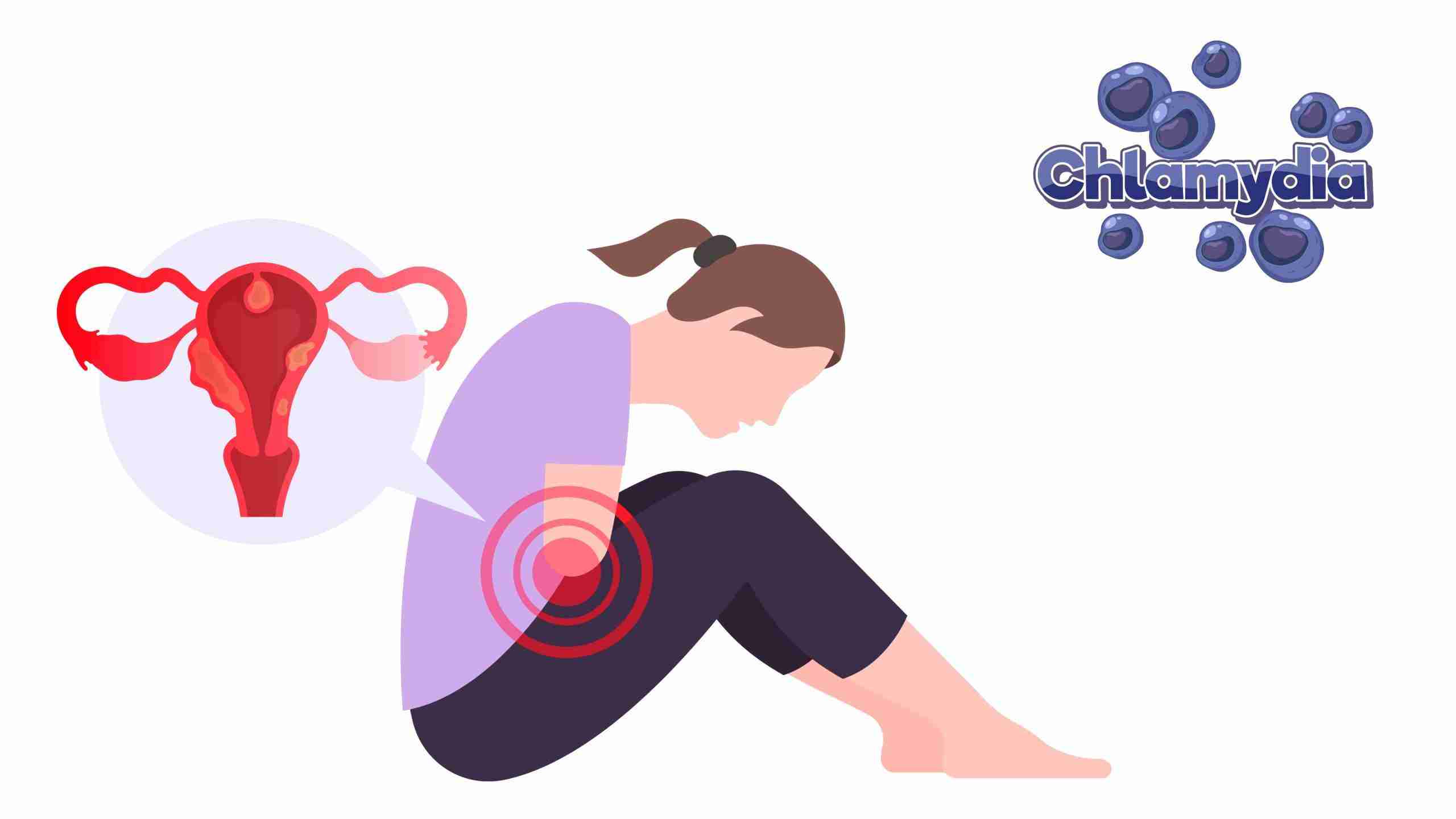
Chlamydia is a common sexually transmitted infection (STI). It is caused by the bacterium called Chlamydia trachomatis.
This infection spreads through sexual contact with an infected person. Chlamydia can affect anyone, but young women are at higher risk.
Why You Should Care About Chlamydia
Chlamydia often has no symptoms. This makes it easy to overlook.
If left untreated, it can lead to serious health problems. These include pelvic inflammatory disease (PID), infertility, and ectopic pregnancies. Early detection is key to preventing these complications.
How Common is Chlamydia?
Chlamydia is one of the most common STIs in the United States. According to the Centers for Disease Control and Prevention (CDC), there were over 1.8 million cases reported in 2019. The actual number is likely higher, as many cases go unreported.
Symptoms of Chlamydia in Women
Vaginal Discharge
One of the most common symptoms of chlamydia is an unusual vaginal discharge. This discharge may be yellowish or have a strong odor. It’s easy to confuse this with other infections like yeast infections.
Painful Urination
Women with chlamydia may experience a burning sensation while urinating. This symptom is similar to a urinary tract infection (UTI). If you notice this, it’s a good idea to get tested.
Pain During Intercourse
Pain during or after sex can be a sign of chlamydia. This pain is often due to inflammation in the pelvic area. If you experience this, don’t ignore it. Get checked by a healthcare provider.
Which is among the initial indications of chlamydia?

One of the early indicators of chlamydia is a mild discomfort or burning sensation during urination. This symptom can often be subtle and easily overlooked, as it may resemble a common urinary tract infection.
It’s important to pay attention to such signals and seek medical advice if they persist. Early detection and treatment are key to preventing further health complications and supporting your overall well-being.
How long does chlamydia take to manifest in females?
Chlamydia can take about one to three weeks to manifest in females after exposure. It’s a condition that often develops quietly, without immediate or obvious symptoms. This silent progression underscores the importance of regular health check-ups and screenings.
What is the duration of a woman’s unknowing chlamydia infection?
A woman can unknowingly carry a chlamydia infection for several months, or even years, without presenting noticeable symptoms.
This silent persistence highlights the importance of proactive health measures, such as regular screenings and check-ups.
ALSO READ – 5 Healthy Foods for Women During Menopause
Other Symptoms to Watch For
Lower Abdominal Pain
Lower abdominal pain can be a sign of a more serious infection. This pain is often dull and persistent. If you experience this, it’s important to get medical advice.
Bleeding Between Periods
Unusual bleeding between menstrual cycles can be a sign of chlamydia. This can also occur after sexual intercourse. If you notice this, it’s important to see a doctor.
Rectal Pain and Discharge
Chlamydia can also infect the rectum. This can cause pain, discharge, and even bleeding. If you notice these symptoms, don’t hesitate to seek medical care.
The Importance of Regular Testing

Early Detection
Regular testing is crucial for early detection. Many women don’t show symptoms, making regular screening important. The CDC recommends yearly testing for sexually active women under 25.
How to Get Tested
Testing for chlamydia is simple. You can visit your healthcare provider for a swab test or a urine test. Some clinics offer free or low-cost testing. Please don’t put it off; testing is quick and easy.
Confidential and Safe
Many women worry about the confidentiality of STI tests. Rest assured, your test results are private. Discuss any concerns with your healthcare provider.
Treatment Options
Antibiotics
Chlamydia is treatable with antibiotics. Your doctor will prescribe a course of medication. It’s important to take all the prescribed medication, even if symptoms disappear.
Partner Notification
If you test positive, it’s important to inform your sexual partners. They should also get tested and treated to prevent the spread of the infection.
Follow-Up Care
After treatment, you should have a follow-up test. This ensures the infection is completely gone. Regular check-ups are important for maintaining your sexual health.
Preventing Chlamydia
Use Protection
Using condoms during sexual activity greatly reduces the risk of chlamydia. Make sure to use them correctly every time.
Limit Sexual Partners
Limiting the number of sexual partners reduces your risk of infection. Having multiple partners increases your chances of contracting chlamydia.
Open Communication
Talk openly with your partner about sexual health. Discussing STI testing and protection methods can help both of you stay safe.
Living a Healthy Lifestyle

Balanced Diet
Eating a balanced diet boosts your immune system. This helps your body fight off infections like chlamydia.
Regular Exercise
Regular exercise keeps your body strong and healthy. It also improves your overall well-being.
Mental Health
Taking care of your mental health is just as important as physical health. Stress can weaken your immune system, making you more susceptible to infections.
Conclusion

Chlamydia is a common but serious infection. Understanding the symptoms and taking steps to prevent it is crucial.
Regular testing and open communication with your partner can help you stay healthy. Remember, your health is in your hands. Take action today and protect yourself for a healthier tomorrow.
If you have any questions or need more information, don’t hesitate to contact a healthcare provider. Stay informed, stay healthy, and take care of yourself.
FAQs:
What is the duration of chlamydia infection before symptoms appear?
Chlamydia symptoms can take several weeks to become noticeable after infection. Often, they remain silent, making early detection through regular health checks crucial.
What is the female chlamydia cause?
Chlamydia in females is caused by the bacterium Chlamydia trachomatis, transmitted through sexual contact. Awareness and regular screenings help in early detection and treatment.
What puts female chlamydia at risk?
Unprotected sexual contact increases the risk of chlamydia in females. Regular health screenings and safe practices empower you to take control of your well-being. Embrace proactive measures for a holistic, healthier life.