


Living with gout can be a constant balancing act, especially when it comes to dietary choices. Cheese, a popular dairy product, often sparks debate and confusion among those managing this condition.
In this blog post, we’ll explore the relationship between cheese consumption and gout, aiming to separate myths from reality and provide clear, supportive guidance.
The Eating Enlightenment Food Journal App can be invaluable on this journey. Helping you monitor cravings, emotional eating, and binges empowers you to make informed decisions that support your health and well-being.
Supporting Research: Recent studies have shown that low-fat dairy products, including cheese, may actually help reduce the risk of gout flares. According to research published in the New England Journal of Medicine, low-fat dairy intake is associated with a decreased risk of developing hyperuricemia, a condition characterized by high levels of uric acid, which is a precursor to gout. The Arthritis Foundation also notes that low-fat dairy products, such as low-fat cheese, can help lower uric acid levels and increase its excretion, thus reducing the likelihood of gout attacks.
For further details, you can check out the original study here and the Arthritis Foundation’s recommendations here.
What is gout, and what are its symptoms?

Gout is a type of arthritis caused by high blood uric acid levels. When uric acid crystallizes, it can cause joint joint pain and inflammation.
Gout symptoms include pain, swelling, and redness in the joints. The most common is intense joint pain that comes on suddenly and can last for days or weeks.
If you have gout, you might also experience:
- Joint stiffness
- Difficulty moving the joint
- Tenderness
- Redness
- Warmth
In some cases, gout can also cause fever and chills. If you experience these symptoms, seeing a doctor as soon as possible is essential.
What are the causes of gout, and how is it diagnosed?
There is no definitive cause for gout, but certain foods and drinks are known to trigger attacks. Alcohol, red meat, and seafood are the most common culprits. For people with gout, it is essential to avoid these foods as much as possible, generally speaking.
If you suspect you have gout, please get your symptoms diagnosed by a doctor. Blood tests may also be ordered to check for high uric acid levels.
Gout is still relatively rare, affecting about 1-2% of the population. However, it is becoming more common as people eat more processed foods and sugary drinks.
How does cheese factor into all of this, and is it bad for people with gout?
As mentioned earlier, cheese is a dairy product typically associated with gout. This is because some cheeses are high in purines, which are known to trigger gout attacks.
However, we must also remember that lactose intolerance plays a significant role in the perception of gout and cheese.
The majority of people are lactose intolerant, so if these people have cheese, then they will show similar symptoms to gout.
This is probably a big reason why cheese is commonly believed to be associated with gout.
However, not all cheeses are created equal.
Some cheeses are lower in purines than others and may not trigger an attack.
For example, cottage cheese is relatively low in purines and is often recommended for people with gout. On the other hand, goat cheese and blue cheese are higher in purines and should be avoided if possible.
Generally, aged cheeses are best compared to fresh ones. Cheeses have had time to break down their purines, making them less likely to trigger an attack.
Furthermore, many cheeses are loaded with sugar and heavily processed. These cheeses are the worst for gout.
If you decide to eat cheese, it is essential to do so in moderation. Overeating cheese can still lead to gout attacks, even if the cheese is low in purines, fresh, and relatively unprocessed.
But wait, is cheese good for gout?

There’s some evidence that low-fat cheeses and dairy products help with gout!
For example, according to the Arthritis Foundation, low-fat milk will not only help to reduce uric acid levels and the risk of a gout flare, but studies have also shown that it will aid in the excretion of uric acid in urine.
So there you have it!
Cheese is not necessarily bad for people with gout, but eating it in moderation and choosing the suitable types is essential.
With a little effort, you can still enjoy this dairy product without worrying about triggering a gout attack. If you have gout, evidence suggests you should consume the suitable types of cheeses!
List of cheeses good and bad for gout

Above, we listed three criteria to help you evaluate whether cheese is good or bad for gout.
- Low or high in purines
- Fresh or aged cheese
- Degree of processing (low fat, low sugar = good)
But we want to emphasize that you can have low-fat dairy products, even with gout flares.
While it’s undoubtedly true that cheeses loaded with sugar and fat will exacerbate gout, the opposite is true, too. The low-fat cheeses will generally be safe and help lower uric acid levels
Fortunately, there are also several low- or no-fat versions of famous cheeses available, including:
- Cream cheese (Neufchatel)
- Mozzarella
- Parmesan
- Cheddar
- Feta
- American
As for the cheeses and dairy products, should you avoid them?
- Whole fat milk
- Full-fat ice cream
- Goat cheese
- Havarti
Again, contrary to popular opinion, gout sufferers should opt for low-purine and low-fat dairy products, such as milk, cheese, and yogurt. As we said earlier, these dairy foods decrease uric acid levels and contribute to a healthy diet.
They are an excellent choice for a diet to manage or cure gout because they are low in purines. Reduced-fat dairy items are lower in saturated fat than their full-fat counterparts.
Now that we’ve encouraged you to eat low-fat dairy products if you have gout (and are lactose-persistent) let’s discuss what you should avoid.
Gout Diet Recommendations

Avoid sweets and sodas.
Sweets, treats, and sodas are loaded with sugar, which is terrible for gout.
These sugary drinks can lead to weight gain, which is a risk factor for developing gout.
Plus, the high fructose corn syrup in many sodas is also associated with gout attacks.
So, if you want to avoid triggering a gout attack, avoid these sugary beverages.
Limit alcohol consumption
While you don’t have to avoid alcohol altogether, it is essential to limit your intake.
Alcohol is a significant risk factor for gout, and even moderate drinking can increase the risk of developing this condition.
If you do drink, stick to one or two drinks per day and avoid hard liquor.
And, of course, if you’re currently experiencing a gout attack, it’s best to abstain from alcohol entirely until the flare-up has subsided.
Cut back on red meat.
Red meat is high in purines, increasing uric acid levels and triggering a gout attack.
If you love steak and other red meats, eat them less often or reduce the portion size.
Plenty of other protein-rich foods, such as chicken, fish, tofu, legumes, and eggs, are low in purines. You can also research the best protein supplements for other ways to increase your protein intake instead of relying on red meat.
These options are all safe for people with gout and can be enjoyed without fear of triggering gout flare-ups.
Eat lots of fruits

While fruits contain sugar, the processed high fructose corn syrup cannot cause gout flare-ups.
Fruits are packed with vitamins, minerals, and antioxidants that can help reduce the risk of gout.
So load up on fresh or frozen fruits like cherries, blueberries, strawberries, oranges, and grapefruit.
In moderately dried fruits like raisins, apricots, and dates.
Just be in moderation and avoid fruit juices, which often contain added sugar, stimulating uric acid production.
Drink more water
Gout can arise from the buildup of urinated acid. A little water might ease the problem. We’ve all heard the standard 8 cups a day, and that’s a good gout diet guideline.
Is peanut butter bad for gout?
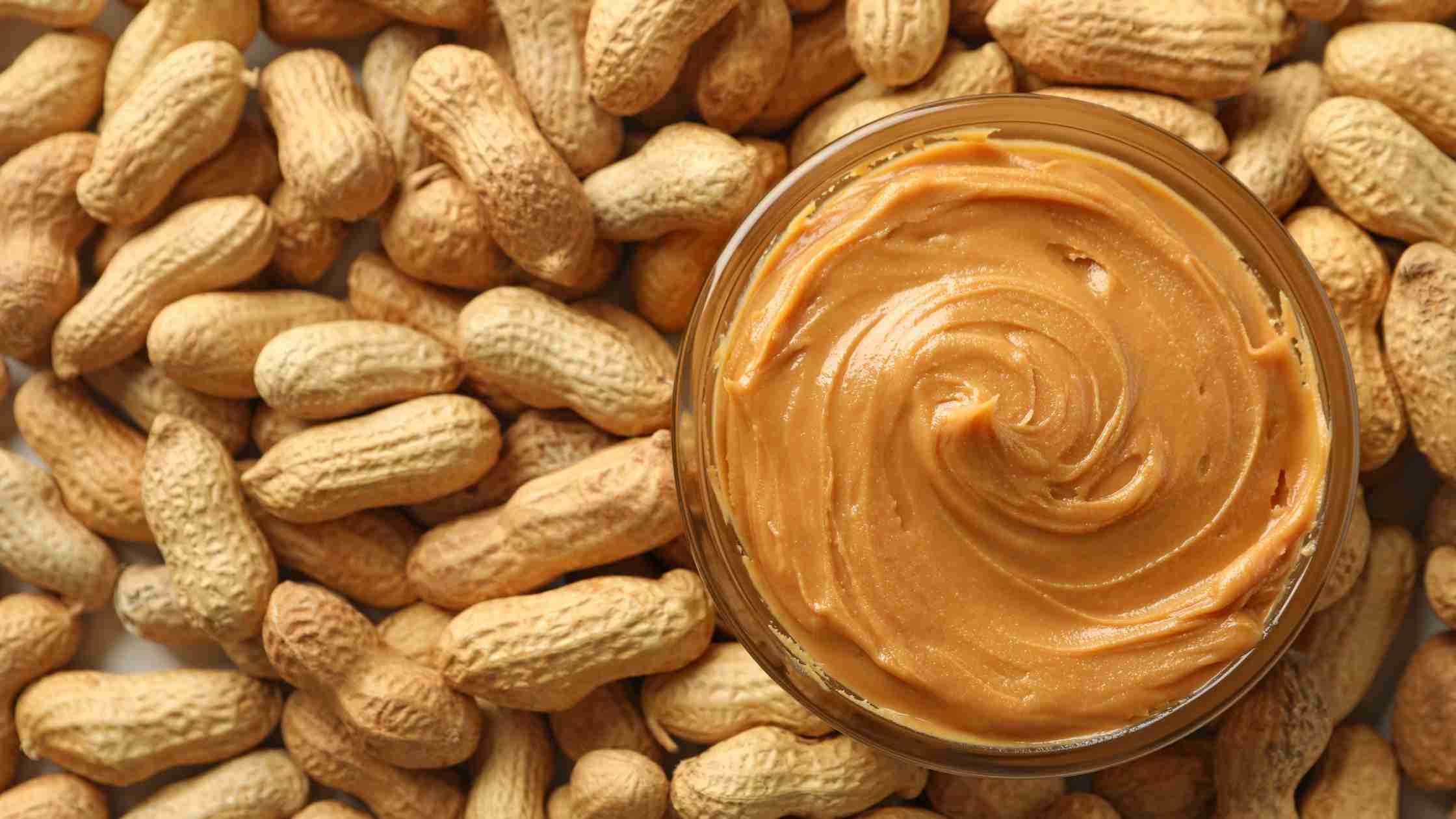
The jury is still out on whether or not peanut butter is bad for gout. Some studies suggest it may help against gout, while others find it has no effect.
So far, there is no definitive answer to whether peanut butter is bad for gout. However, if you are concerned about triggering a gout attack, it is best to avoid this food altogether.
Plenty of other protein-rich foods, such as chicken, fish, tofu, legumes, and eggs, are safe for people with gout. So load up on these instead of peanut butter. Be sure to drink plenty of water to check your uric acid levels.
Is butter rancid for gout?
Butter is high in saturated fat, which can increase the risk of gout. Additionally, butter is a dairy product, and some people with gout are sensitive to it.
If you are concerned about triggering a gout attack or are at risk of gout, it is best to avoid this food altogether.
Plenty of other fat-rich foods, such as nuts, olive oil, avocados, and eggs, are safe for people with gout. Again, drink plenty of water to check your uric acid levels.
Summary
If you’re looking to avoid triggering a gout attack or simply to gout risk, it’s best to steer clear of sweets and sodas, alcohol, red meat, and butter.
Instead, enjoy plenty of fruits and vegetables, lean protein sources like chicken and fish, and healthy fats like nuts and olive oil. And be sure to drink plenty of water to keep your uric acid levels in check!
You can even research the best supplements and find one that’s great for you.
Do you have gout? What foods do you avoid to manage it? Let us know in the comments below!