

After the gallbladder removal, unexpected sweet cravings can feel overwhelming and puzzling. If you’re experiencing this, you’re not alone, and it’s completely understandable to wonder why your body seems to be steering you toward sugary treats. Surgery represents a significant shift for your body—not just physically but emotionally, too.
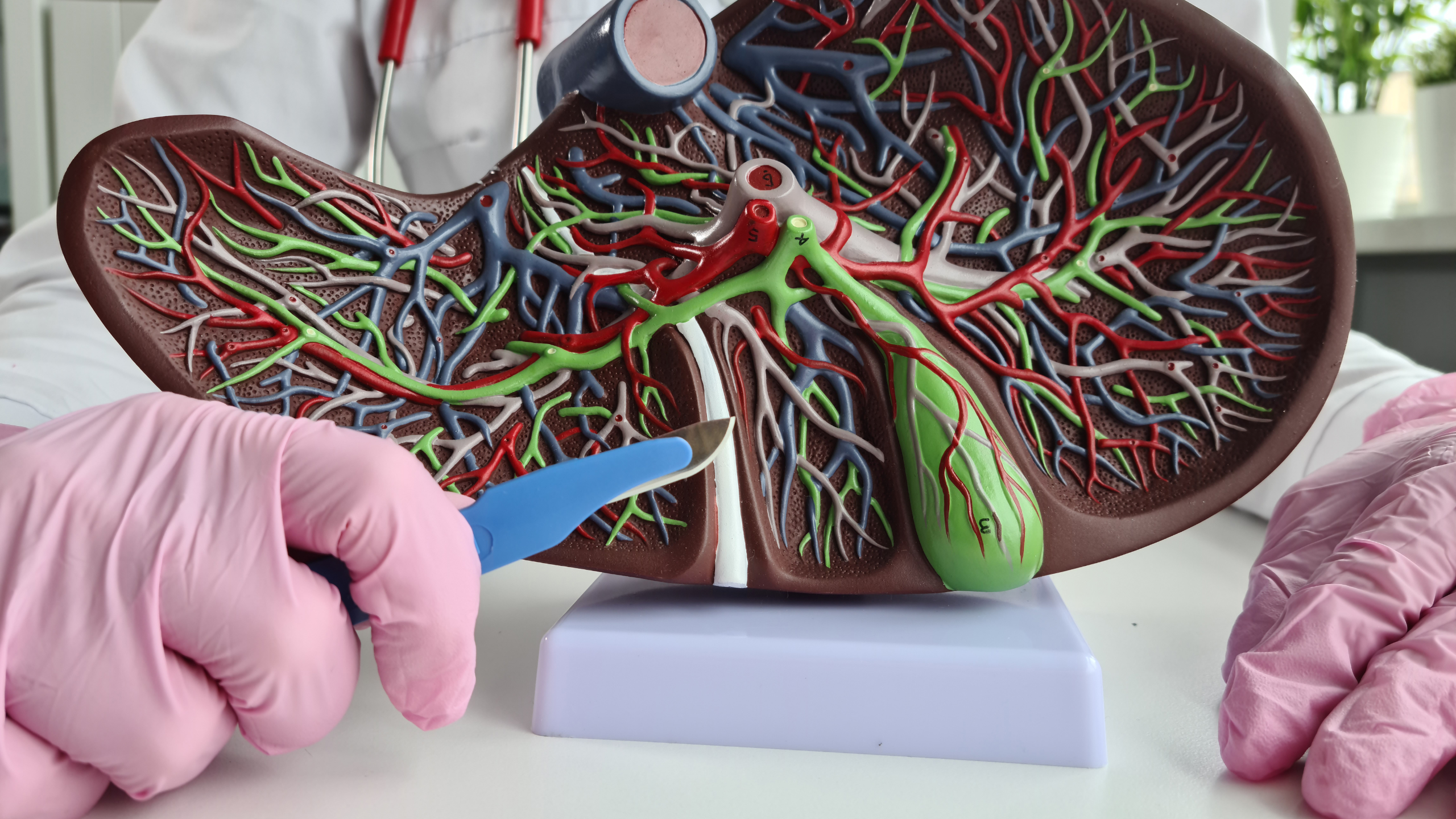
Understanding these cravings helps to understand the role your gallbladder once played. This tiny organ worked behind the scenes, storing and releasing bile to help digest fatty foods. Without it, your digestion changes significantly, impacting how your body absorbs nutrients and signpost hunger. These shifts can create subtle imbalances, leaving your body searching for quick energy fixes like sugar.
But here’s the hopeful part. Sweet cravings aren’t just mysterious impulses you have to endure. They’re signals; you can find ways to take back control when you uncover the “why” behind them. That’s where guidance, empathy, and the right tools come in.
At Eating Enlightenment, we believe understanding your cravings starts with curiosity and self-compassion. By journaling about what you eat, how you feel, and when cravings strike, you can uncover patterns grounded in your body’s needs and emotions.
Together, we’ll explore the reasons behind sweet cravings and steps to find balance again. You deserve to feel at ease with your body, and this post will help you discover how to make that happen.
Reason 1: Changes in Digestion
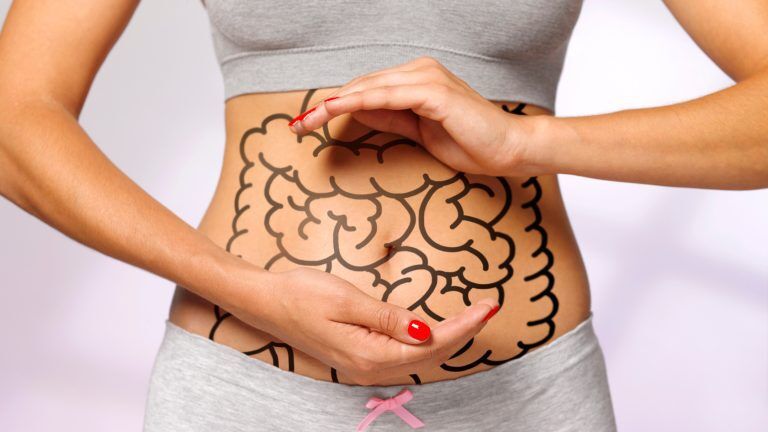
After gallbladder removal, your body has to adapt to a new way of digesting food. Without a gallbladder to store bile and release it as needed, it flows continuously into your digestive system. This can make fat digestion less efficient and leave your body craving quick energy sources like sugar. These changes can also cause fluctuations in blood sugar levels, leading to those intense sweet cravings.
To help manage this, try eating small, frequent meals throughout the day. Focus on balanced macronutrients by including proteins, healthy fats, and complex carbohydrates at each meal to stabilize your energy. Fiber-rich foods like vegetables, legumes, and whole grains can slow sugar absorption, keeping your blood sugar levels steady.
Journaling can be an invaluable tool for better understanding how your body reacts to different foods. Write about what you eat and how you feel afterward. One helpful prompt is, “What foods make me feel energized and balanced after eating? How do I feel after consuming sweets?”
Reason 2: Hormonal Shifts
Surgery, especially one that affects digestion, can influence hormones as the body works to rebalance itself. Gallbladder removal has been linked to changes in hormones like insulin, which regulates blood sugar, and ghrelin, which affects hunger and satiety. When these hormones are disrupted, the body may crave sugar to compensate for energy dips or confusing hunger signals.
To prevent hormonal spikes and crashes, prioritize low-glycemic foods like berries, nuts, and whole grains to keep your insulin levels in check. Pairing carbohydrates with protein or healthy fats can help stabilize blood sugar and curb those sweet cravings. Journaling about your cravings can help you identify their triggers. Consider asking yourself, “Am I truly hungry, or is this craving tied to a specific emotion or time of day?”
Reason 3: Emotional and Psychological Factors
Facing surgery and recovery can bring significant emotional stress, and food cravings often emerge as a coping mechanism. Sugar temporarily boosts dopamine, the “feel-good” chemical in your brain, which may create a soothing effect in the moment. However, this cycle can quickly lead to repeated cravings as your brain links sugar to comfort.
Replacing this habit with mindful practices can make a big difference. Techniques like deep breathing, meditation, or gentle yoga can help regulate your emotions without turning to food. When cravings arise, try indulging in naturally sweet snacks like fruits or herbal teas instead of processed sweets. Use your journal to recognize emotional triggers by asking, “What emotions do I feel when I crave sweets? How can I address these feelings without food?”
Reason 4: Dietary Adjustments Post-Surgery
After surgery, changing your eating habits to meet your new digestive needs can feel like a challenge. These dietary shifts may unintentionally leave you lacking key nutrients, leading to imbalances that strengthen sugar cravings. If your meals aren’t satisfying enough, your body may signal for quick fixes like sugar to fill the gaps.
\The solution is to focus on creating nutrient-dense, satisfying meals. Gradually incorporate whole foods like lean proteins, healthy fats, and complex carbohydrates. Avoid highly processed foods that can spike your blood sugar, and opt for natural sweeteners like honey or date syrup to satisfy a craving more healthfully. Journaling can guide this process. Use this prompt to reflect on your meals: “What foods leave me feeling full and satisfied? Are there healthier alternatives to my usual sweet treats?”
Reason 5: Habitual Patterns
If sweets were your go-to comfort food before surgery, those habits will likely carry over into your recovery. These patterns may intensify after surgery due to the emotional and physical stress you’re experiencing. Your brain’s memory centers often associate foods like sweets with feelings of relief, making it difficult to break the cycle.
Breaking old habits starts with identifying your triggers. When do your cravings strike? Is it after dinner, watching TV, or during stressful moments? Replacing these habits with healthier routines, such as walking, drinking herbal tea, or journaling, can help rewire your response to cravings. Reflect on this question in your journal, “What situations or environments trigger my sweet cravings? How can I create new, healthier habits?
Cravings and Binge Eating Disorder

After gallbladder removal, it’s common to experience changes, including unexpected cravings for sweets. These cravings often stem from physiological adjustments but may signal a deeper pattern, such as the binge-diet cycle. This cycle typically starts with dietary restrictions for better digestion or weight management. Over time, heightened cravings lead to bingeing, which is often followed by guilt and shame, perpetuating the loop.
Binge Eating Disorder (BED) provides valuable insights into understanding this cycle. It’s often tied to emotional and psychological factors, and the stress of surgery can make these tendencies harder to manage. Cravings for sugary foods may provide brief comfort by filling emotional voids or triggering dopamine release. If you find these cravings overwhelming or challenging to control, seeking professional support can be a helpful step.
Journaling is a practical way to regain control. You can uncover patterns that fuel cravings by noting your eating habits and emotions. Ask yourself, “Am I eating out of hunger, habit, or emotion? What patterns do I notice in my eating behavior?” Recognizing these triggers can help you break free from the cycle.
The Eating Enlightenment Approach

Healing cravings requires more than willpower; it involves understanding your mind, body, and emotions. The Eating Enlightenment approach guides you through three empowering steps to rebuild healthy eating habits.
Step 1: Nutritional Journaling
First, eat balanced meals with fiber, protein, and healthy fats. Nutritional journaling helps ensure your body gets the nutrients it needs to stabilize blood sugar and reduce cravings. Reflect with prompts such as, “Am I eating regularly and getting enough nutrients to stabilize my cravings?”
Step 2: Mindfulness of Triggers
Next, explore the triggers behind your cravings. Journaling allows you to identify moments or emotions that spark these urges. Ask yourself, “What was happening when I felt the craving? How did I respond?” This mindfulness helps distinguish between true hunger and emotionally driven cravings, empowering you to make better choices.
Step 3: Healing Inner Parts
Finally, the deeper emotional needs that cravings mask are addressed. Cravings can reflect inner calls for love, safety, or peace. Journaling offers a safe space to explore these feelings. Use prompts like, “What inner feelings surface when I crave sweets? Is there a deeper need for love, safety, or peace?” Addressing these needs helps resolve underlying issues and reduces cravings over time.
Conclusion
Understanding why you may crave sweets after gallbladder removal illuminates the interconnected physical, emotional, and psychological adjustments your body undergoes post-surgery. Each factor plays a role, from changes in fat digestion that lead to fluctuations in blood sugar to stress and emotional triggers that amplify cravings. Recognizing these cravings as signals rather than setbacks can empower you to take steps toward a healthier, more balanced approach to eating.
One of the most effective ways to manage these cravings is through mindful eating and maintaining a balanced diet rich in proteins, healthy fats, and fiber. This will stabilize your energy levels and reduce sugar impulses. Journaling your food intake and emotions can further help uncover patterns and triggers, offering valuable insights into what you eat and why.
If you’re ready to take control of your cravings and foster a healthier relationship with food, the Eating Enlightenment Journal App is a fantastic place to start. This free tool allows you to track your eating habits, explore your emotions tied to cravings, and build awareness of your body’s unique needs. You can create a path toward lasting balance and well-being by identifying patterns and making intentional changes.
If you’re struggling with post-surgery cravings, remember you’re not alone. Start your journey to understanding and healing today with the Eating Enlightenment Journal App and take the first step toward sustenance, self-awareness, and empowerment. Download the app now and reclaim your relationship with food.