

Does it feel like your sweet tooth suddenly takes over, demanding all your attention and willpower? You’re not alone. Sugar cravings can sneak out of nowhere or linger for days, leaving you wondering, “What’s happening with me lately?” Maybe it hits you in the afternoon slump, or perhaps it’s those late-night urges that feel impossible to ignore. Either way, these cravings can be frustrating, confusing, and even overwhelming at times.
The truth is, sugar cravings don’t just show up for no reason. Whether it’s a shift in your diet, changes in your routine, stress levels through the roof, or even something as subtle as seasonal transitions, your body and emotions are always trying to tell you something. And understanding what lies beneath the craving isn’t about judgment—it’s about listening and connecting.

This is where journaling can be a game-changer. By noting what you eat, how you feel, and the patterns you see over time, you give yourself the space to discover what those cravings are really about. Are they tied to a nutrient imbalance, your stress levels, or even a comforting habit? Awareness is your first step toward relief.
This post will explain nine reasons behind sugar cravings, helping you uncover patterns and learn what your body might ask. By the end, you will have new insights—not just about the cravings themselves but also about how to soothe them with clarity, mindfulness, and kindness.
#1. Blood Sugar Imbalances
One of the most common reasons for sugar cravings is fluctuating blood sugar levels. When your blood sugar drops too low—from skipping meals or eating too many refined carbs—your body sends an urgent call for quick energy. And what’s more tempting than sugar for a fast pick-me-up? Unfortunately, this creates a vicious cycle. Consuming sugar causes a rapid spike in blood glucose, followed by a steep crash, leaving you craving even more.
What to do: Balance your meals with protein, fiber, and healthy fats to maintain steady energy. Use a meal journal to track your eating and how you feel afterward.
Journaling prompt: “Track what you eat and how your energy feels after meals. Are there patterns where sugar cravings hit after certain foods or skipped meals?” Seeing these trends makes making adjustments that leave you grounded rather than reaching for sweets easier.
#2. Lack of Essential Nutrients

Did you know nutrient deficiencies could be making your sugar cravings worse? Low magnesium levels, for example, can intensify cravings because magnesium helps regulate blood glucose and energy production. Similarly, chromium plays a role in maintaining steady blood sugar levels. Your body might call for sugar to compensate when these nutrients are missing.
What to do: Eat foods rich in magnesium and chromium, such as leafy greens, whole grains, nuts, and seeds. Consider getting your nutrient levels checked if cravings persist.
Journaling insight: Use your journal to list the variety of foods you eat. Are you missing key nutrients? Looking at the bigger picture will help you gradually simplify and improve your meals.
#3. Poor Sleep Habits
Sugar cravings and sleep deprivation go hand in hand. When you don’t get enough rest, it disrupts the hunger hormones leptin and ghrelin. Ghrelin, which signals hunger, increases, while leptin, which tells you to stop eating, decreases. Additionally, sleep deprivation messes with insulin regulation, making sugary foods even more appealing as a quick boost to your energy-depleted body.
What to do: Prioritize a consistent sleep schedule and aim for 7-9 hours of restful sleep. Wind down with relaxing rituals, such as journaling your reflections before bed.
Journaling prompt: “How rested do you feel upon waking? Notice if your sugar cravings are stronger on days after poor sleep. What could support better rest?” Gaining this awareness will empower you to make small, impactful changes.
#4. Stress and Emotional Triggers

Stress is another major driver of sugar cravings. When stressed, your body releases cortisol, a hormone designed to help you handle threats. However, cortisol also increases your desire for quick energy sources like sugar. Emotionally, it’s easy to reach for sugary comfort foods when feeling overwhelmed, sad, or anxious.
What to do: Practice mindfulness when cravings strike. Instead of reacting immediately, pause. Use journaling to process your emotions and recognize if stress is the root cause.
Mindfulness journaling prompt: “When a craving hits, explore the emotions you’re experiencing. Write, ‘I am feeling…’ and see what unfolds.” With repeated practice, this exercise builds a habit of checking in with yourself instead of turning straight to sugar.
#5. Hormonal Changes
Hormonal fluctuations during the menstrual cycle, pregnancy, or menopause can significantly impact sugar cravings in women. Changes in estrogen and progesterone levels can amplify the desire for sweets, especially during the cycle’s luteal phase. For others, imbalances like insulin resistance might play a role.
What to do: Keep a dedicated section in your journal to track sugar cravings against your hormonal cycles. Over time, you may notice patterns that help guide lifestyle or dietary adjustments.
Journaling note: Record cravings alongside your menstrual cycle or other hormonal events to uncover consistent links. If patterns are clear and persistent, consider consulting with a healthcare professional.
#6. Habitual Craving Cycles

Sugar can be addictive, and habits play a decisive role. You might not realize that grabbing a chocolate bar mid-afternoon or reaching for dessert after dinner has become more of a routine than a physical need. Sweet treats light up the brain’s reward center, creating a feedback loop that keeps you returning for more.
What to do: Break the cycle by substituting sugary rewards with healthier habits, such as a piece of fruit, a brisk walk, or even a journaling session!
Journal prompt for awareness: Reflect on your routines. “When do I typically crave sugar? Is it tied to specific times, places, or activities? How can I gently interrupt this habit?”
#7. Dehydration
Sometimes, sugar cravings aren’t about sugar—they’re about hydration. When dehydrated, your body can trick you into thinking you’re hungry or craving sweets, as sugary foods can provide a quick burst of energy.
What to do: Drink plenty of water throughout the day and pay attention to how you feel. Adding an extra glass of water before meals might be a simple, effective way to cut down on cravings.
Practical journaling tip: Track your daily water intake alongside your cravings to see if staying hydrated helps reduce them.
#8. Lifestyle Changes or Irregular Routines
Life transitions—like moving, a job change, or even boredom—can disrupt your routines. These shifts may leave you more vulnerable to turning to sugary foods for comfort or energy during uncertain times.
What to do: Build mindfulness into your day. Acknowledge when changes are causing stress or inattentive eating, and seek stability wherever possible.
Journaling prompt: “What life changes am I experiencing right now, and how are they affecting my eating habits? Are my sugar cravings tied to emotions like uncertainty or boredom?”
#9. Medical Conditions or Side Effects of Medications

Certain medical conditions, such as diabetes, polycystic ovary syndrome (PCOS), or thyroid disorders, may increase sugar cravings due to imbalanced blood sugar levels. Similarly, some medications can influence appetite and cravings as a side effect.
What to do: If sugar cravings seem extreme or accompanied by other symptoms, consult a healthcare provider. They can help identify any underlying conditions or recommend adjustments.
Key journaling takeaway: Reflect on when the cravings began. “Have cravings started since beginning a new medication or diagnosis? What trends can I uncover?” Your journal can be a helpful log to guide conversations with your doctor.
Are Your Sugar Cravings a Sign of Something Deeper?
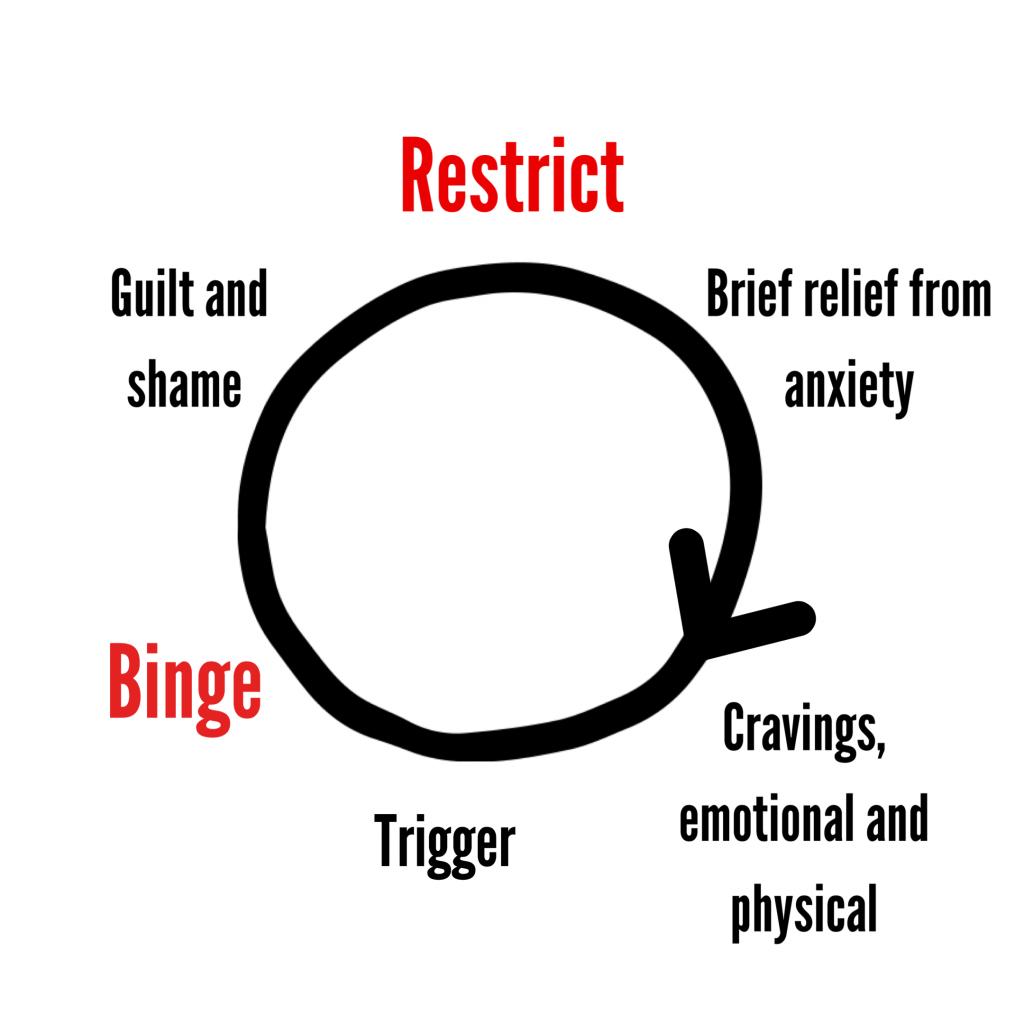
Have sugar cravings pushed you toward sweets, even when you’ve promised to resist? Occasional cravings are usual, but frequent, intense urges may signal something more profound than a sweet tooth—they could point to a pattern of binge eating behavior. Don’t blame yourself—these cravings aren’t about a lack of willpower but could reflect underlying emotional or physiological needs.
Binge Eating Disorder (BED) often involves the binge-diet cycle, where restrictive eating or skipping meals leads to intense sugar cravings. This creates a cycle of overeating to soothe the craving, followed by guilt and a renewed commitment to restriction, which only fuels the pattern. Rather than a failure of discipline, this cycle stems from deeper triggers. It’s possible to break free with understanding and small, compassionate steps.
Managing Sugar Cravings with the Eating Enlightenment 3-Step Process
Instead of battling your cravings, what if you met them with curiosity? The Eating Enlightenment process provides a gentle, three-step approach to address cravings by understanding their root causes.
Step 1. Establish a Nutrition Foundation Through Journaling
Physical hunger often drives sugar cravings. If meals lack protein, healthy fats, or fiber—or you’re simply not eating enough—the body craves sugar for quick energy. Journaling meals can uncover any gaps. For instance, recurring cravings might stem from a light breakfast or a lunch that doesn’t sustain your energy.
Journaling prompt: “How do I feel physically and emotionally after meals? Do I feel full and energized, or am I still craving more?”
Step 2. Build Awareness of Emotional Patterns
Sugar cravings often mask emotional needs like stress or boredom. Journaling offers a way to pause and reflect. Ask yourself what you were doing or feeling before the craving hit. Recognizing triggers can help you respond intentionally, rather than reflexively reaching for sweets.
Journaling prompt: “What triggered my craving? What emotion am I feeling right now, and how can I meet this need in another way?”
Step 3. Journal Your Inner Parts
Cravings can reflect unresolved inner dynamics, such as an “inner critic” that pushes for perfection or an “inner comfort-seeker” longing for safety. Journaling can help you explore and nurture these parts without turning to sugar for comfort.
Example reflection question: “What is this craving revealing about my needs? How can I address them in a healthier way?”
Practical Tips to Reduce Sugar Cravings

Understanding your sugar cravings is more than just identifying a love for sweets—it’s a gateway to deeper self-awareness and balance. Throughout this post, we’ve uncovered nine reasons for those cravings, from physiological factors like blood sugar imbalances and nutrient deficiencies to emotional and lifestyle triggers. Each craving is your body and mind’s way of communicating its needs. By tuning into these signals, you can begin to regain control, develop healthier habits, and nurture yourself in meaningful ways.
Mindfulness and awareness are at the heart of managing cravings. Simply pausing to reflect, journal, and gently explore what’s driving your cravings can open the door to sustainable changes. Whether it’s nourishing your body with balanced meals, noticing emotional patterns, or understanding the inner voices that influence your food choices, these steps create a path toward lasting freedom from sugar’s grip.
Now, it’s your turn to take that first empowering step. Download the free Eating Enlightenment Journal App to begin your discovery. This app is designed to make your health journey approachable and insightful. It helps you track what you eat, uncover patterns, and align your habits with your body’s needs. Imagine viewing your cravings and having the tools to address them compassionately—we’ve made that possible.
Why wait? Your well-being deserves your attention now. Start by trying the app or gift yourself the opportunity for a complimentary session to explore your Eating Enlightenment path further. This isn’t about perfection or quick fixes—it’s about building a supportive and compassionate relationship with food and, most importantly, with yourself.
Navigate this with kindness, one step at a time. You’re not alone on this road. Eating Enlightenment is here to guide and empower you to feel balanced, free, and whole. You’ve got this.