

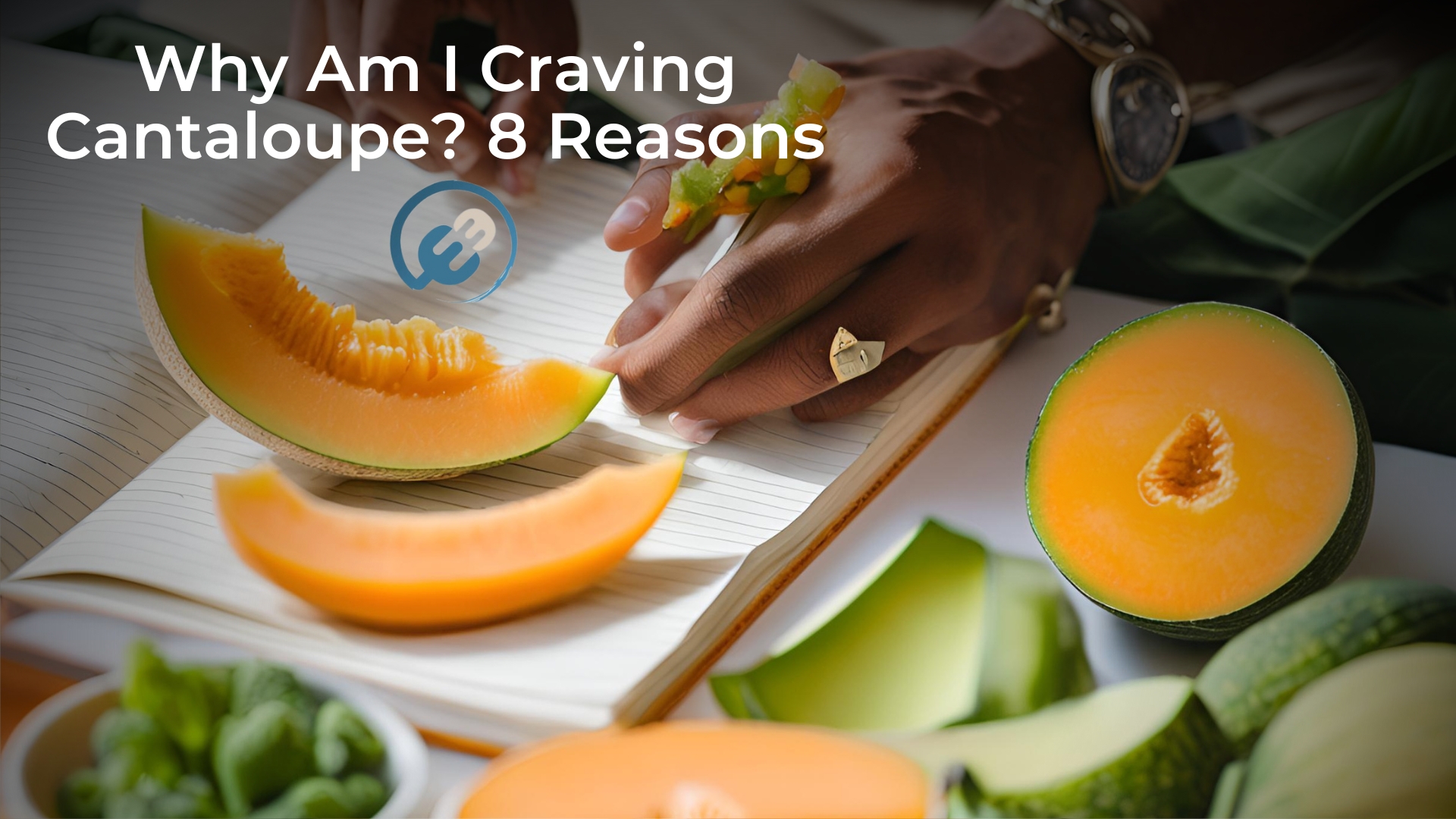
Have you ever found yourself standing in the produce aisle, irresistibly drawn to the cool, orange glow of a ripe cantaloupe?
Maybe you suddenly craved its sweet, juicy flavor out of nowhere, leaving you wondering—why now? I’ve been there too, peeling back the slightly rough rind with eager anticipation, feeling like my body was telling me something, though I had no idea what. It’s fascinating how a simple food craving can powerfully grab hold of us.
This post is all about unraveling that mystery. Why cantaloupe? What could your body, emotions, or even habits be trying to communicate through this craving? Together, we’ll dig into eight reasons you can’t stop thinking about this summer delight.
From surprising nutritional benefits to emotional triggers and seasonal influences, there’s more to a crave-worthy cantaloupe than meets the eye.
Along the way, we’ll explore ways to decode your cravings with compassion, using tools like journaling so you can not only satisfy your taste buds but also truly understand what’s fueling your body’s signals.
By the time you finish reading, you’ll have a fresh perspective on what that cantaloupe craving might mean—and some great excuses to enjoy more of this incredibly hydrating and delicious fruit. Shall we?
Reason #1. Hydration Needs
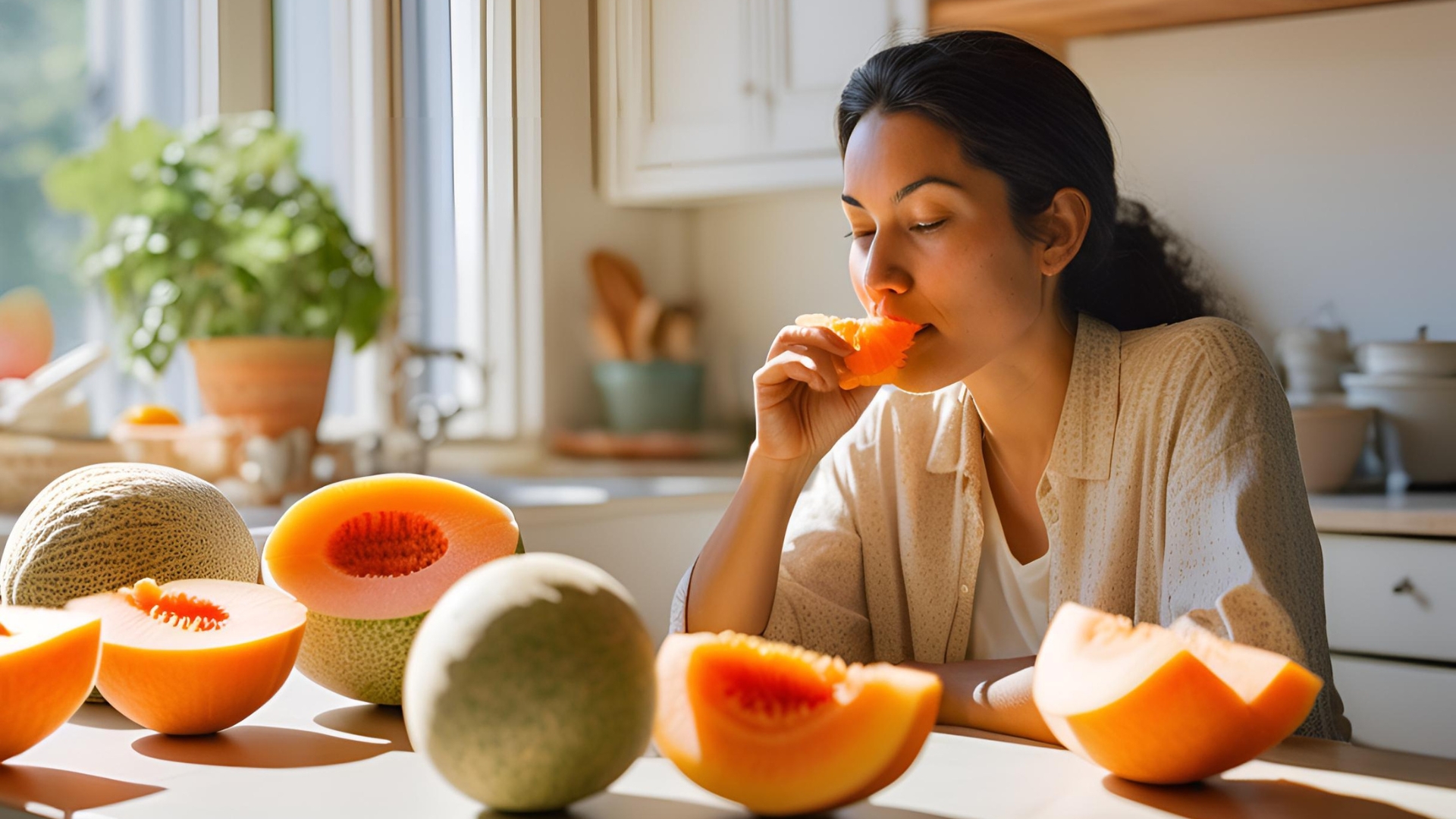
Cantaloupe’s high water content—nearly 90%—makes it an ideal choice when your body craves hydration. If you’ve been rushing around, forgetting to drink water, or basking in the summer sun, those cravings for cantaloupe could be your body’s way of saying, “I need water!” Hydration is vital in keeping your cells powered and your body balanced.
To stay ahead, try keeping a water bottle nearby and pairing cantaloupe with hydrating meals like salads or smoothies for an extra boost. Before you eat, take a moment to reflect, “Am I drinking enough water daily? How do I feel after eating cantaloupe?” Journaling this could help you understand your body’s accurate signals.
Reason #2. Need for Vitamins A and C
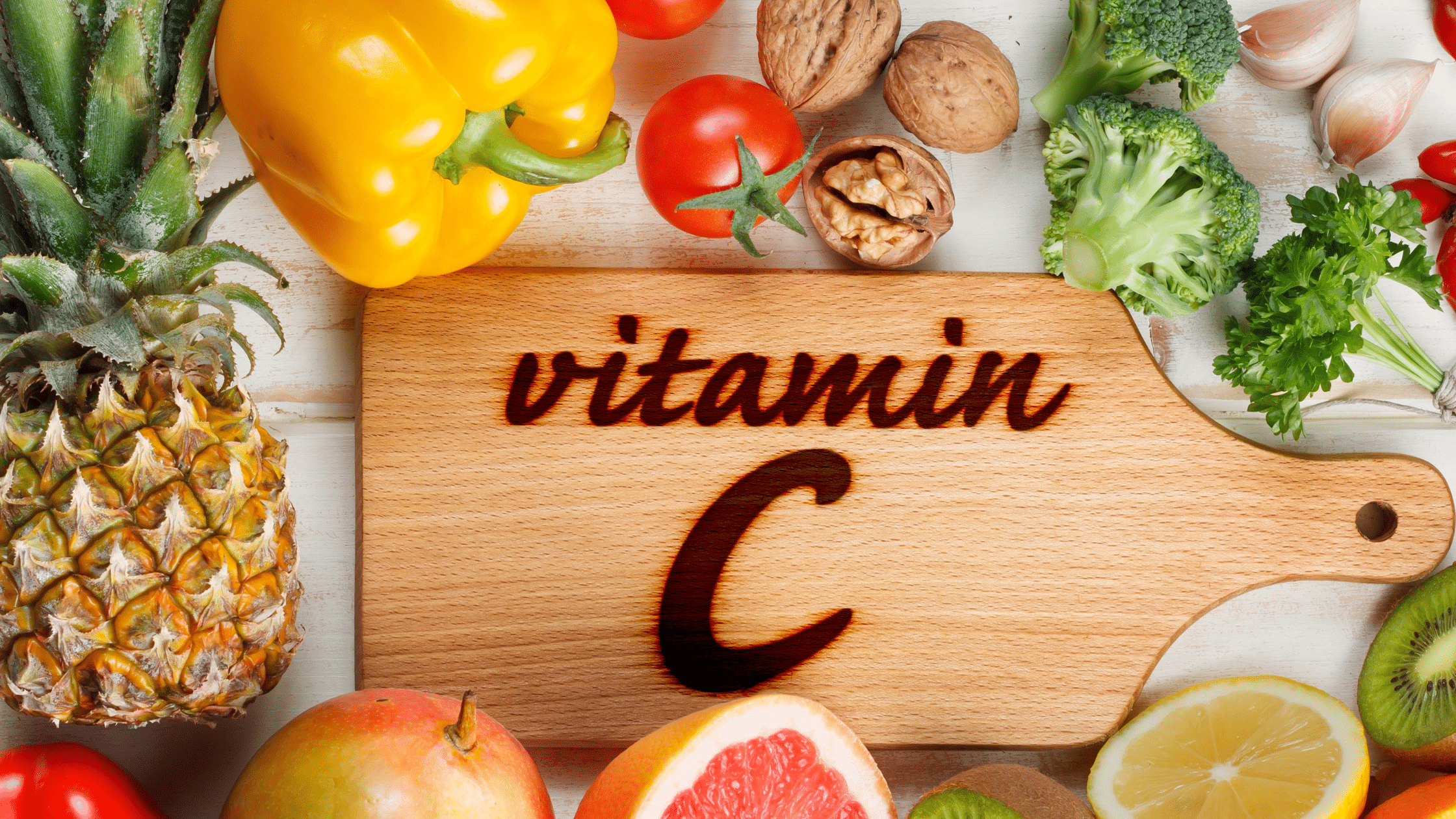
Cantaloupe is a powerhouse for vitamins A and C, both critical nutrients that might drive your cravings. Vitamin A supports your vision and immune system, while vitamin C aids in tissue repair, boosts your skin’s health, and provides antioxidant protection.
If you feel low on energy or notice slow recovery after workouts, these vitamin-packed cantaloupe cravings may be your body’s natural response. Use a journal to note when you feel exhausted and see if replenishing these nutrients shifts your energy levels.
Reason #3. Potassium Deficiency

With its remarkable potassium content, cantaloupe might be your body’s remedy for balancing electrolytes and supporting muscle function. Potassium is essential for heart health, muscle contractions, and fluid balance.
If you’ve been experiencing cramps or a lack of focus, your body could signal a need for more potassium. Pause and ask yourself, “Have I been eating foods with enough potassium? How does my body respond to cantaloupe today?” Documenting these moments in your journal can help you pinpoint where adjustments might be needed in your diet.
Reason #4. Hormonal Changes

Hormones can surprisingly influence food cravings, and cantaloupe is no exception. During hormonal fluctuation—such as menstruation, pregnancy, or heightened stress—your body might instinctively seek nutrient-dense, hydrating, and sweet foods like cantaloupe for comfort.
Reflect on your current life stages and emotions by journaling, “Are my cravings linked to a specific event or period? What patterns am I noticing as I relate to food?”
Reason #5. Seasonal Influences
There’s something about biting into a ripe, juicy cantaloupe that screams summer. If you’re suddenly craving it, nostalgia for sunny afternoons, picnics, or warm memories by the pool might be taking hold. There’s joy in food that feels tied to a specific time of year.
Your body might also crave seasonal foods because they’re fresh and packed with nutrients at their peak. Ask yourself, “What does cantaloupe remind me of? How do these memories shape my food cravings?” Writing out these reflections can uncover a deeper connection between seasons, your mood, and your dietary preferences.
Reason #6. Sweet Comfort Food

Sometimes, the craving for cantaloupe doesn’t stem from a physical need but an emotional one. Its natural sweetness satisfies without the processed sugars of pastries or candies, making it a wholesome source of comfort during emotional times.
If stress, sadness, or boredom has contributed to your cravings, consider a journaling prompt like, “What emotions am I experiencing when I crave cantaloupe? What other positive moments can I create to meet these feelings?” This reflective step can help you uncover and address emotional eating patterns.
Reason #7. Dietary Imbalances or Restrictions

If you’ve been cutting back on certain food groups or following a restrictive diet, your body might turn to cantaloupe for its natural sweetness and filling hydration. This may be a sign that your diet is low on fresh fruits or that you’re not eating a balanced mix of nutrients to keep cravings in check.
Remember to journal your recent eating patterns and ask, “What are my current eating habits? How does cantaloupe fit into my diet?” Reviewing this can help you regain your focus on balance and sustainability.
Reason #8. Mindful Connection to Cravings
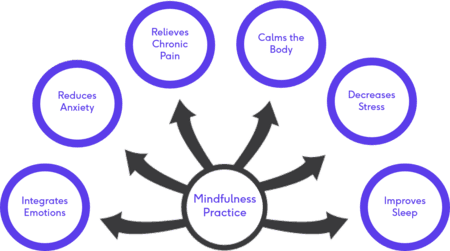
Food cravings can allow you to practice mindfulness and engage with your body’s deeper signals. For example, craving cantaloupe might be your body’s way of pulling your attention into the present moment.
Instead of automatically reaching for that fruit, slow down and use this as an intentional process. Write down, “What do I need in this moment? Am I seeking nourishment, comfort, or connection?” This simple exercise can transform your craving into an insight into your needs.
The Binge Eating Disorder Connection

Picture this: it’s late at night, and you’re standing by the fridge, reaching for anything that will ease the day’s heaviness. You feel a strong pull toward that ice cream tub or those leftover cookies.
But as indulgent as it feels in the moment, it’s often followed by a pang of guilt afterward. If this scenario sounds familiar, you might be experiencing more than just an ordinary craving. Intense or uncontrollable urges to eat might be a sign of Binge Eating Disorder (BED), a condition far deeper than simple willpower.
BED is a recognized eating disorder characterized by episodes of consuming large quantities of food, often at a rapid pace, and feeling an overwhelming sense of loss of control during those moments.
The emotional aftermath—shame, regret, and sometimes unrelenting self-criticism- sets BED apart. For many, these behaviors aren’t random but part of a more significant and more troubling cycle known as the binge-diet cycle.
The Binge-Diet Cycle

The binge diet cycle often starts with restriction. Maybe you’ve been cutting out carbs or skipping meals in the belief that self-control will lead to a picture-perfect result—the ideal body, better health, or to “make up” for overeating the day before. However, the tension builds like a ticking clock when your body and mind are deprived of nourishment or satisfaction.
Sooner or later, this deprivation can trigger a psychological rebellion. Cravings become unstoppable. Suddenly, you’re eating the foods you swore you would avoid, and it happens quickly, sometimes without full awareness.
The next act of this cycle is the binge—an episode where the balance tips entirely out of your control. And while the physical fullness might pass, the emotional burden of guilt often stays, weighing on you as you resolve to “try harder” next time, only to restrict again. And so the cycle repeats.
Interrupting this cycle might feel daunting, but it’s possible. One of the first steps to breaking free is reflecting deeply on whether a restriction is fueling your cravings. A powerful journaling prompt is, “Am I restricting certain foods? How does this affect my cravings?” Realizing how you’re feeding into the cycle often clarifies where to carve out a better path forward.
The Eating Enlightenment Approach
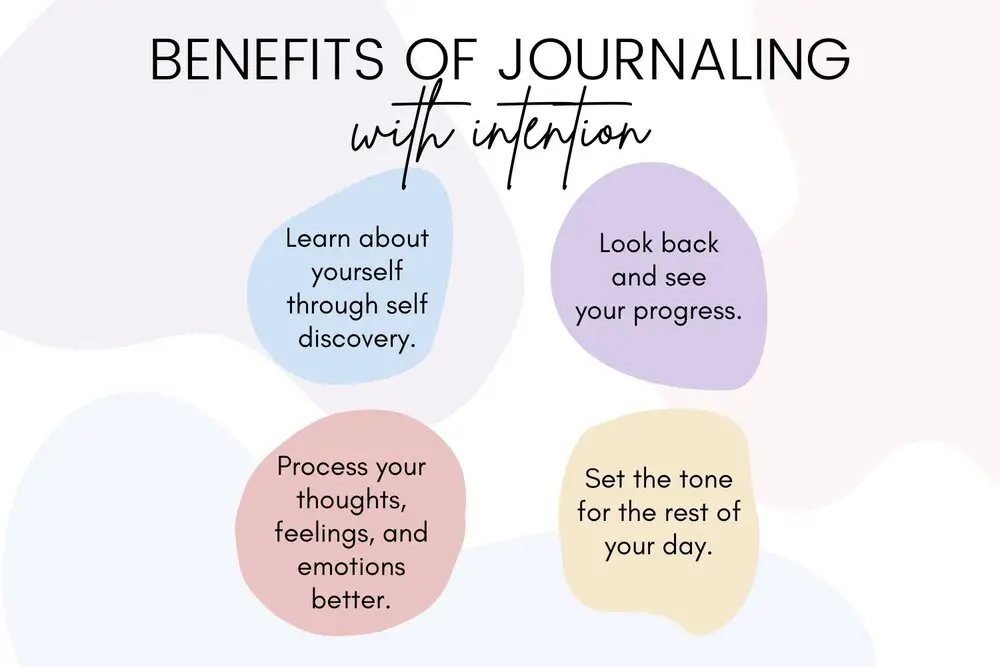
Recognizing the binge-diet cycle is just the beginning. Healing from binge eating requires not just surface-level fixes but a compassionate and introspective process. That’s where the Eating Enlightenment approach comes in, guiding you through three decisive steps to reclaim control healthfully and nurturing.
- Step 1: Nutritional Journaling
Start with the basics—ensuring your body has the nutrition to thrive. Too often, binge eating stems from neglecting your physical needs. Tracking what and when you eat helps you spot any patterns of underfeeding or unbalanced meals. This isn’t about counting calories; it’s about understanding how your eating habits align with your body’s needs. Imagine journaling as a conversation with yourself—Ask, “Am I providing enough consistent energy throughout the day?” By doing so, you create a stable foundation that reduces the desperation behind cravings. - Step 2: Mindfulness of Triggers
Once your body feels nourished, it’s time to turn inward and explore what might spark your cravings. Are there specific emotions, situations, or even people that leave you reaching for comfort foods? Grab your journal and pause before the next craving takes over. Reflect with prompts like, “What emotions am I feeling right now? What is triggering this desire to eat?” Journaling allows you to recognize patterns and distance yourself from knee-jerk habits. This step isn’t about blaming yourself for the craving but understanding it, creating space between the trigger and your response. - Step 3: Inner Healing
The final and most transformative phase is looking beyond behavior and into your inner world. It’s not uncommon for binge eating to be tied to unresolved emotions, past traumas, or inner conflicts. Through deeper journaling, you can connect with those parts of yourself that crave comfort or control and begin to address unmet needs in healthier ways. Start with prompts like, “What part of me craves comfort? How can I address these needs healthily?” This practice helps you rewrite the internal dialogue that may have driven binge behaviors for years, bringing emotional relief and clarity.
Breaking the Cycle
Healing from binge eating takes time, patience, and self-compassion. These steps don’t require perfection, just progress.
You don’t have to do it all at once; begin where you are. With each journaling session, mindful meal, and moment of self-reflection, you’ll reclaim your relationship with food—one that is wholesome, fulfilling, and free from guilt.
If the binge-diet cycle resonates with you, consider starting with a small but significant action today. Allow yourself to eat without judgment, write down your feelings, or notice what triggers arise. The road to food freedom begins with awareness and connection to yourself. Are you ready to take the first step?
Conclusion:

Cravings for cantaloupe can stem from various factors, from your body’s need for hydration and essential nutrients to deeper emotional and psychological connections.
Understanding these eight reasons—from vitamin deficiencies and potassium needs to emotional eating and seasonal influences—can help you uncover the “why” behind your cravings and take a step toward a more balanced relationship with food.
Exploring one’s dietary habits and the triggers behind cravings can offer valuable insights into what one’s body and mind truly need.
A great way to start this discovery process is by using the Eating Enlightenment Journal App. This free tool empowers you to journal your eating patterns, emotions, and physical needs, guiding you toward a deeper understanding of your cravings.
With such clarity, you can make informed, compassionate choices about your nutrition and overall well-being.
Why wait? Take the first step towards a healthier, more intuitive relationship with food. Download the Eating Enlightenment Journal App today and start unlocking the wisdom hidden in your cravings. Your path to understanding begins now!