


Are you a fan of flavor? Do you sprinkle salt on everything, from morning eggs to evening pasta?
While salt can enhance the taste of our meals, have you ever wondered about its impact on your health, particularly your digestive health?
This blog post will explore the relationship between salt intake and digestive distress, specifically focusing on whether too much salt can cause diarrhea.
By the end of this article, you’ll gain valuable insights into how salt affects your body and practical tips to maintain a balanced diet.
Understanding Salt and Its Role in Our Diet

Salt, or sodium chloride, is a mineral essential for our bodies. It helps regulate fluid balance, supports muscle function, and is critical for nerve transmission.
However, modern diets often contain excessive amounts of salt. The average American consumes about 3,400 milligrams of sodium daily, significantly higher than the recommended limit of 2,300 milligrams.
Excessive salt intake can lead to various health issues, such as high blood pressure, heart disease, and kidney problems.
But what you may not know is that too much salt can also affect your digestive system. Consuming large quantities of salt can disrupt the natural balance of fluids in the body, which may lead to digestive troubles.
This link between salt intake and gastrointestinal symptoms, including diarrhea, is an area of increasing interest among health professionals. Understanding how salt impacts our digestive health is crucial for anyone looking to improve their well-being.
ALSO READ – Why deficiencies cause salt cravings
How Does Salt Affect Digestion?
The Body’s Response to High Sodium Levels
When you consume a high-sodium meal, your body responds by trying to maintain balance.
Your kidneys work to filter excess sodium from your bloodstream, but if they can’t keep up, the sodium concentration in your blood rises.
This increase can lead to dehydration, as your body draws water from your cells to help dilute the sodium.
Dehydration can then trigger a series of digestive issues, including diarrhea. When dehydrated, the body may react by expelling more water through the intestines, leading to loose stools. Proper hydration is essential to support healthy digestion.
Salt and Gut Microbiome
Another critical factor to consider is the gut microbiome, the collection of bacteria in our intestines. A balanced gut microbiome is essential for proper digestion and overall health.
Research suggests high salt intake may negatively impact this microbial balance, leading to gastrointestinal issues. Some studies have shown that excess salt can decrease the diversity of gut bacteria, which is linked to various health problems, including inflammatory bowel disease.
When the gut microbiome is disrupted, it can lead to symptoms like diarrhea, bloating, and cramping. Maintaining a healthy balance of gut bacteria is vital for preventing these uncomfortable symptoms and promoting overall digestive health.
The Impact of Processed Foods
Most of the salt consumed today comes from processed foods, such as snacks, deli meats, and fast food. These foods often contain added salt, enhancing flavor but negatively impacting digestion. High-sodium processed foods can lead to an increase in water retention, bloating, and discomfort.
When you consume these foods regularly, your body may struggle to manage the high sodium levels, leading to digestive issues. This is another reason to be mindful of salt intake and make healthier food choices.
Symptoms of Too Much Salt

Recognizing the Signs
If you’ve been indulging in salty foods and are experiencing digestive discomfort, it may be time to pay attention. Some common symptoms of excessive salt intake include:
- Thirst: Increased sodium levels can cause dehydration, leading to persistent thirst.
- Bloating: Excess salt can result in water retention, causing a feeling of fullness and discomfort in the abdomen.
- Headaches: High sodium levels can lead to headaches, which may accompany digestive issues.
- Diarrhea: Loose stools or diarrhea can indicate your body reacts to excessive salt intake.
It’s crucial to listen to your body and recognize these symptoms as signals that you may need to adjust your salt consumption.
Long-Term Effects on Digestive Health
Consistently consuming high salt levels can lead to more severe digestive issues. Chronic diarrhea, for instance, can result in nutrient deficiencies, dehydration, and electrolyte imbalances. When the body cannot properly absorb nutrients, it can lead to further health complications.
If you frequently experience digestive distress after consuming salty foods, it might be time to reevaluate your diet. Making gradual changes can significantly benefit your digestive health and overall well-being.
Practical Tips for Managing Salt Intake

Read Nutrition Labels
Reading nutrition labels is one of the most effective ways to control your salt intake. Many packaged foods contain hidden sodium. By checking the label, you can choose lower-sodium options and become more aware of your overall salt consumption.
Look for products labeled as “low sodium” or “no added salt.” This simple habit can make a significant difference in your daily salt intake.
Opt for Fresh Foods
Incorporating more fresh fruits, vegetables, and whole foods into your diet can help reduce your salt intake. Fresh foods are naturally low in sodium and rich in essential nutrients, making them a healthy choice.
Focusing on whole, unprocessed foods allows you to enjoy flavorful meals without added salt. Experiment with herbs and spices to enhance the taste of your dishes without relying on sodium.
Stay Hydrated
Proper hydration supports your body’s natural processes, including digestion. Drinking enough water can help maintain fluid balance and support kidney function, allowing your body to filter out excess sodium efficiently.
Aim to drink at least eight 8-ounce glasses of water daily or more if you’re active. Staying hydrated can help mitigate some of the adverse effects of high salt intake.
When to Seek Help
Listening to Your Body
If you’ve made dietary changes and still experience digestive issues, it may be time to consult a healthcare professional. Persistent diarrhea or other gastrointestinal symptoms can indicate an underlying health problem that requires attention.
Keep a food journal to track your symptoms and identify potential triggers. This information can be helpful when discussing your concerns with a doctor.
Working with a Nutritionist
A registered dietitian or nutritionist can provide personalized guidance on managing your salt intake and improving your overall dietary habits. They can help you create a balanced meal plan tailored to your unique needs, considering any digestive issues you may be experiencing.
Conclusion
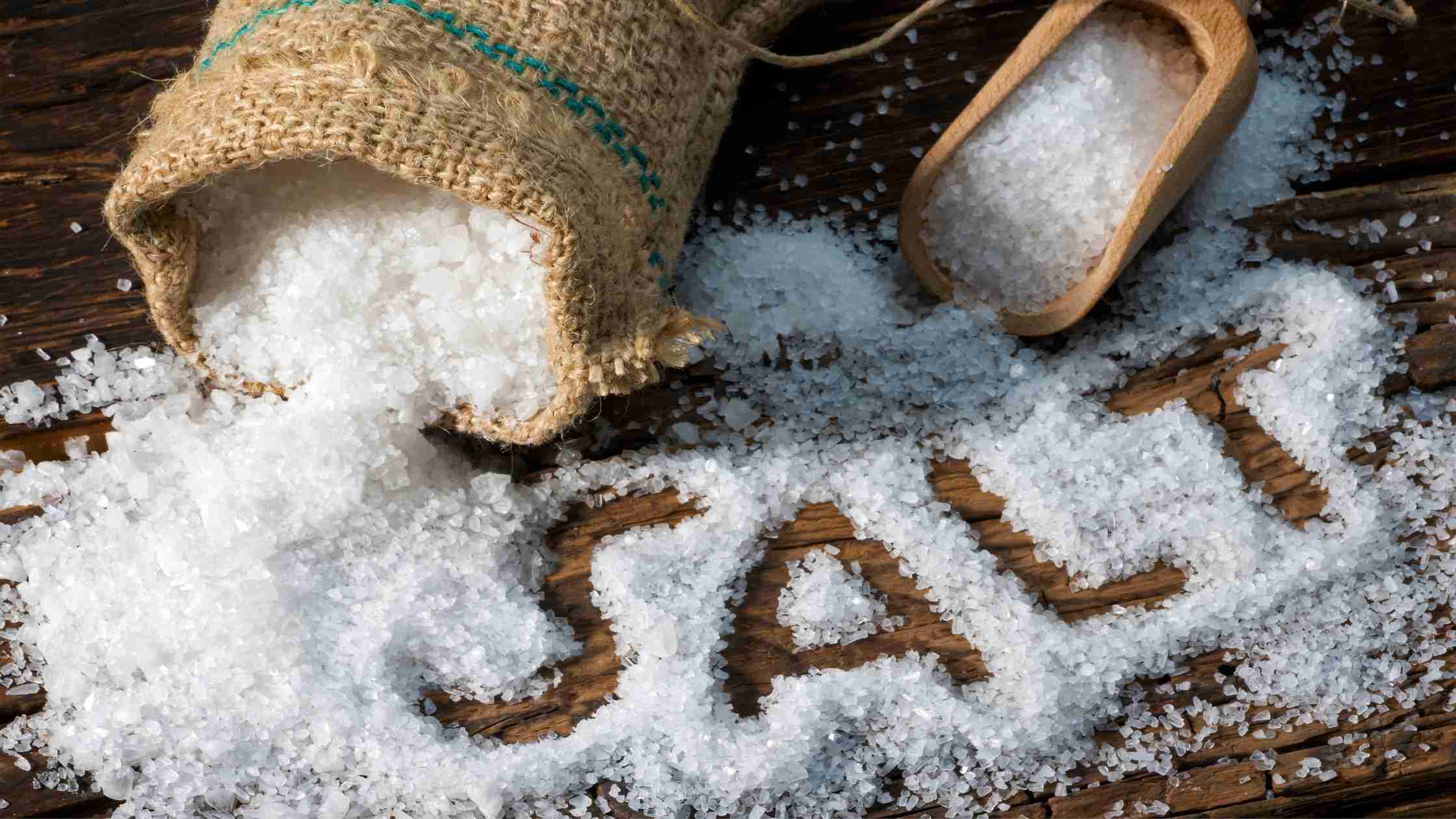
While salt plays a vital role in our diet, moderation is key. Consuming too much salt can lead to digestive issues, including diarrhea.
By understanding how salt affects your body, recognizing the symptoms of excessive intake, and making conscious dietary choices, you can support your digestive health and overall well-being.
Remember that there is always time to make positive changes in your diet. Start small and gradually incorporate healthier habits into your daily routine. By doing so, you’ll not only improve your digestion but also enhance your overall quality of life.
For those looking to explore more about maintaining digestive health and wellness, consider working with a healthcare professional who can guide you toward a healthier lifestyle. Your body will thank you!
FAQs:
What signs indicate elevated sodium levels?
Excessive thirst, swelling, and confusion are signs of elevated sodium levels. It’s essential to seek medical advice for proper evaluation. Embrace a balanced approach to hydration and nutrition.
Does salt have an impact on the bowels?
Salt can impact the bowels by drawing water into the intestines, which may lead to diarrhea or bloating. Moderation is critical for digestive health. Balance your intake with plenty of fluids and fiber-rich foods.
What signs indicate an excess of salt?
Excess salt can cause high blood pressure, bloating, and intense thirst. It’s vital to listen to your body’s signals and adjust accordingly. Nurture your well-being with balanced nutrition and mindful choices.
What should I do if I consume too much salt?
Drink plenty of water to help flush out excess salt. Choose fresh fruits and vegetables to restore balance. Embrace mindfulness in your eating habits for continued well-being.
Is muscle soreness caused by excessive salt intake possible?
Yes, excessive salt can lead to muscle soreness by causing dehydration and electrolyte imbalances. Stay hydrated and nourish your body with balanced nutrients. Support your muscles with gentle stretches and mindful hydration practices.
What is the daily maximum amount of salt?
For most adults, the maximum amount of salt is around 2,300 milligrams, equating to about one teaspoon.