


Have you ever noticed how sleepless nights leave you reaching for an extra slice of pizza or indulging in sugary snacks you’d typically avoid?
The connection between sleep and cravings is more than just coincidence—it’s a complex relationship influenced by your body’s hormones, brain activity, and emotional state.
Poor sleep doesn’t just leave you tired; it can also set off a chain reaction that intensifies your hunger and weakens your willpower.
In this blog, we’ll dive into how sleep deprivation impacts your cravings, why it leads to overeating, and, most importantly, what you can do to break the cycle.
How Sleep Affects Hunger Hormones
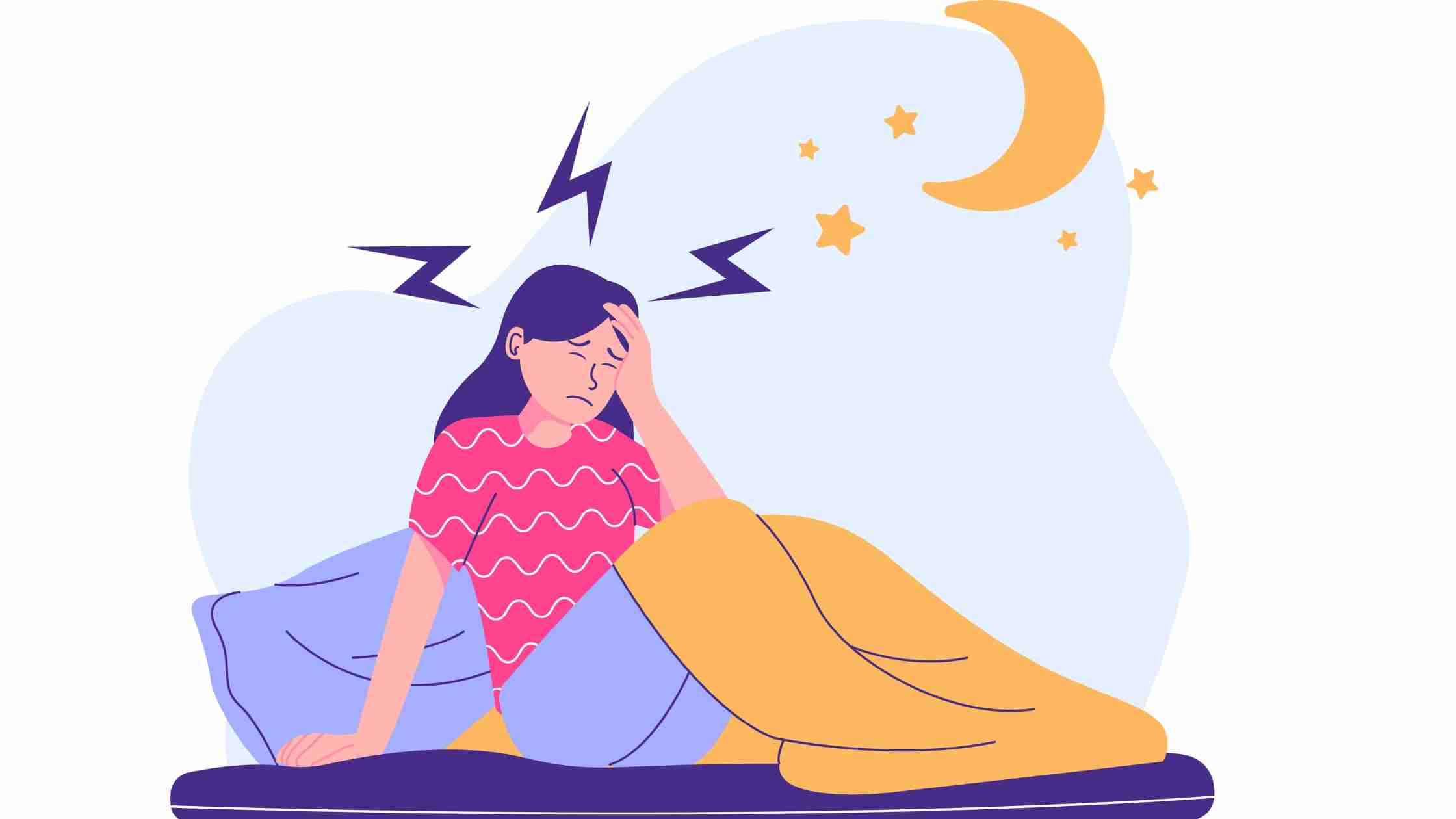
Your sleep patterns directly impact two essential hunger hormones: ghrelin and leptin. Ghrelin, the “hunger hormone,” increases when you’re sleep-deprived, making you feel hungrier.
At the same time, leptin, the hormone that signals fullness, decreases, leaving you less satisfied after eating. This imbalance can lead to overeating, especially cravings for high-calorie, sugary foods. Poor sleep tricks your body into thinking it needs more fuel than it does.
The Impact of Sleep on Cravings
Sleep significantly influences the types of foods you crave. When you don’t get enough rest, your brain becomes more sensitive to high-calorie, sugary, and fatty foods.
At the same time, your self-control and decision-making weaken, making it harder to resist unhealthy snacks. Poor sleep creates a perfect storm for overeating, driven by hormonal changes and altered brain activity. Prioritizing quality sleep can help reduce these cravings and support healthier eating habits.
Emotional Eating and Stress from Lack of Sleep

Lack of sleep doesn’t affect your body or emotions. Sleep deprivation increases stress levels, which can lead to emotional eating. When you’re tired and stressed, your brain craves comfort foods, often high in sugar or fat, to feel better.
Unfortunately, this cycle can lead to overeating and weight gain. Getting enough sleep is essential to managing stress and avoiding the temptation to eat for emotional comfort.
Mindful Journaling for Overeating
Mindful journaling is a powerful tool for addressing overeating and is often a key component of Cognitive Behavioral Therapy (CBT) for managing eating habits.
By recording your meals, emotions, and hunger levels, you gain awareness of patterns that drive overeating, such as stress, boredom, or emotional triggers. This practice helps you pause, reflect, and make more intentional food choices rather than reacting impulsively.
For those looking to integrate mindful journaling into their routine, the Eating Enlightenment App offers a convenient way to track your eating habits and emotions. It provides tools and insights to help you identify triggers and create healthier eating behaviors, all rooted in the principles of mindfulness and CBT.
Tips to Improve Sleep and Reduce Cravings

- Stick to a Sleep Schedule: Go to bed and wake up at the same time daily, even on weekends, to regulate your body’s internal clock.
- Create a Relaxing Routine: Wind down with calming activities like reading or meditating before bed.
- Limit Screen Time: Avoid screens at least an hour before sleep to reduce blue light exposure, which can disrupt your sleep cycle.
- Watch Your Diet: Avoid heavy meals, caffeine, and alcohol close to bedtime, as they can interfere with sleep quality.
- Stay Active: Regular exercise promotes better sleep, but avoid vigorous workouts late in the evening.
- Set a Sleep-Friendly Environment: Keep your bedroom calm, dark, and quiet, and invest in a comfortable mattress and pillows.
- Manage Stress: Practice stress-relief techniques like deep breathing or journaling to calm your mind before bed.
Improving your sleep can naturally reduce cravings and support healthier eating habits.
Healing Trauma: Stopping Food Cravings by Addressing Inner Parts
Food cravings often stem from deeper emotional wounds and unresolved trauma. Trauma can create emotional “parts” within us that turn to food for comfort, distraction, or a sense of control.
These parts might manifest as a “soothing inner child” or a “rebellious protector,” seeking relief through overeating or cravings for certain foods. Healing these parts requires compassion, mindfulness, and patience.
Start with Nutritional and Mindful CBT Journaling
Before diving into trauma healing, it’s essential to build a foundation. Focus on nutritional balance and mindful CBT journaling to stabilize eating patterns and identify triggers.
- Nutritional Balance: A well-balanced diet helps reduce physical triggers for cravings, like blood sugar spikes and drops.
- Mindful CBT Journaling: Log meals, emotions, and hunger cues to bring awareness to how external factors, like stress, and internal factors, like emotional triggers, impact cravings.
This practice lays the groundwork for deeper healing by helping you gain a sense of control and understanding over your eating habits.
Transitioning to IFS Journaling
CBT journaling can evolve into Internal Family Systems (IFS) journaling as mindfulness develops. IFS focuses on understanding and healing the “parts” of yourself that influence your behavior. For example:
- The Soothing Part: Food may be used to comfort feelings of sadness or loneliness.
- The Critical Part: May shame you after overeating, perpetuating the cycle.
- You can identify these parts through journaling, understand their needs, and approach them with compassion.
Healing Trauma and Inner Parts
Once you’ve stabilized your relationship with food through mindfulness and nutrition, you can focus on more profound trauma healing:
- Acknowledge Your Parts: Use IFS journaling to connect with the parts of yourself tied to food cravings. Write to them, asking what they need or what they fear.
- Practice Self-Compassion: Recognize that these parts developed as survival mechanisms. Approach them with kindness rather than judgment.
- Seek Professional Support: Trauma healing can be complex, so consider working with a therapist trained in IFS or trauma-focused care for more profound guidance.
- Take Small Steps: Trauma healing is a journey. Celebrate small victories as you build a healthier relationship with yourself and your cravings.
For those seeking to explore mindful CBT and IFS journaling, the Eating Enlightenment Course provides step-by-step guidance to help uncover the root causes of food cravings and begin your healing journey.
Conclusion

The connection between sleep and cravings is undeniable. Poor sleep disrupts the balance of hunger hormones, intensifies emotional eating, and heightens cravings for unhealthy foods, creating a cycle that can lead to overeating.
You can break this cycle and support better eating behaviors by prioritizing quality sleep and adopting healthy habits like mindful journaling and stress management. Remember, improving your sleep isn’t just about rest—it’s crucial to maintaining overall health and well-being.