

Cooking meat perfectly can be an art form, especially when dealing with unfamiliar or tougher cuts. We’ve all experienced the disappointment of a dry, chewy piece of meat, despite our best efforts.
But what if a simple, unexpected ingredient in your pantry could turn even the most challenging cuts into tender, juicy delights? Believe it or not, baking soda—yes, the same ingredient you use for baking and cleaning—might be your secret weapon.
This versatile kitchen staple is surprising in its ability to break down proteins and make meat more succulent.
In this blog post, we’ll explore how baking soda can revolutionize your cooking and ensure every meal is a mouthwatering success.
Why Tenderizing Meat Matters
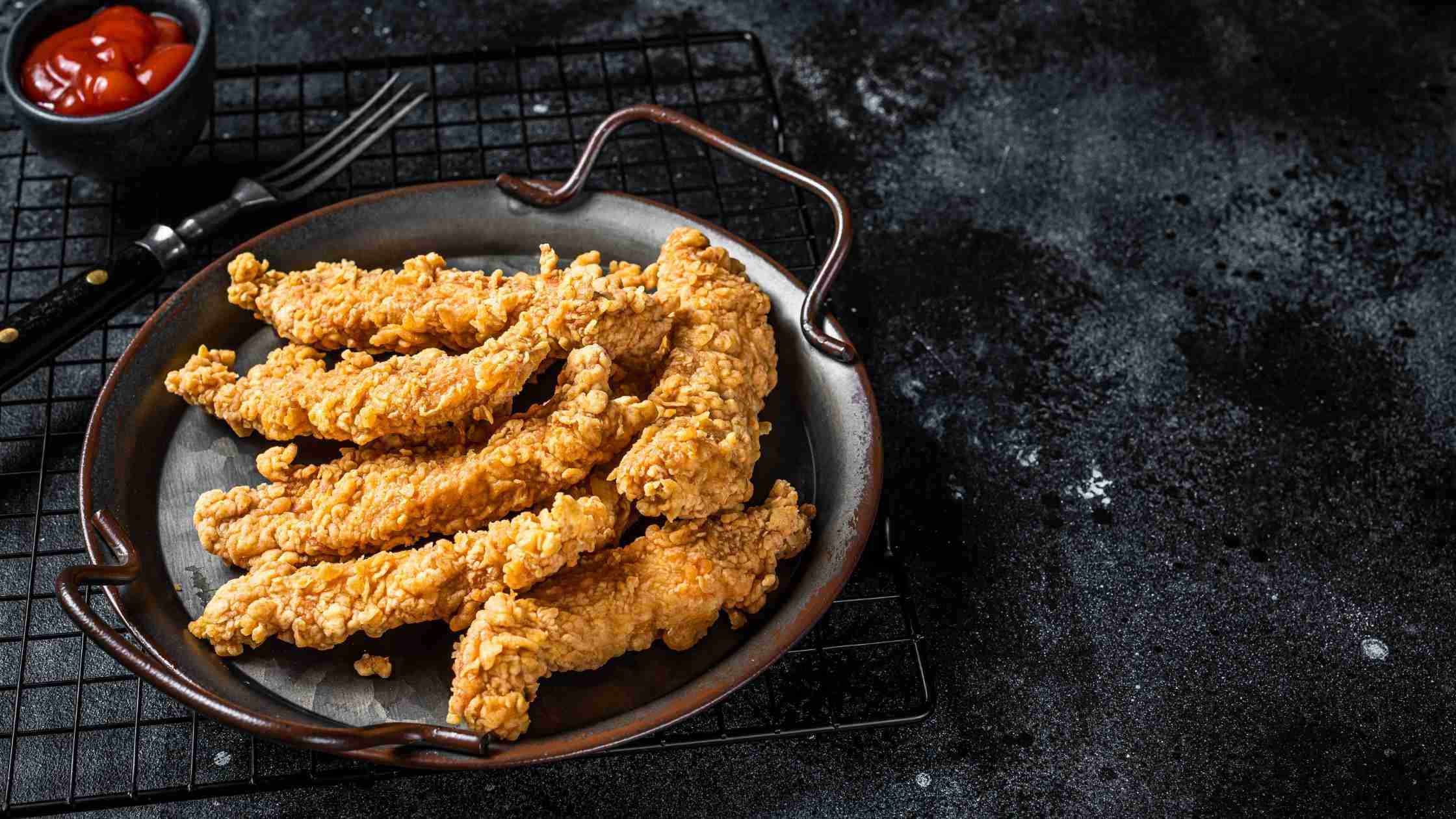
Tenderizing meat is crucial for a pleasant dining experience. Tough cuts can be off-putting, making meals harder to enjoy. Tenderizing beef breaks down tough muscle fibers, allowing flavors to seep through and making each bite more enjoyable.
Tender meat also cooks more evenly, ensuring that every part of your meat dish is cooked to perfection. Tenderizing can make a difference whether it’s steak, chicken, or pork.
Baking Soda as a Tenderizer
Baking soda is a versatile kitchen ingredient. While it’s commonly used in baking, it also has fantastic tenderizing properties. It’s an alkaline substance that can change the pH level of the meat’s surface, making it harder for proteins to bond, thus softening the meat.
The science behind this is simple. When you sprinkle baking soda on meat, it breaks down the protein molecules, leading to a more tender texture. This method has been used for generations and is a go-to for many home cooks.
How to Use Baking Soda to Tenderize Meat
Using baking soda to tenderize meat is straightforward. First, sprinkle a small amount on the surface of the meat. Rub it in gently, ensuring an even coating.
Then, place the meat in the refrigerator for 15-30 minutes. This allows the baking soda to work its magic. Afterward, rinse the meat thoroughly under cold water to remove any excess baking soda. Pat it dry with paper towels before cooking.
Benefits of Using Baking Soda Over Other Methods
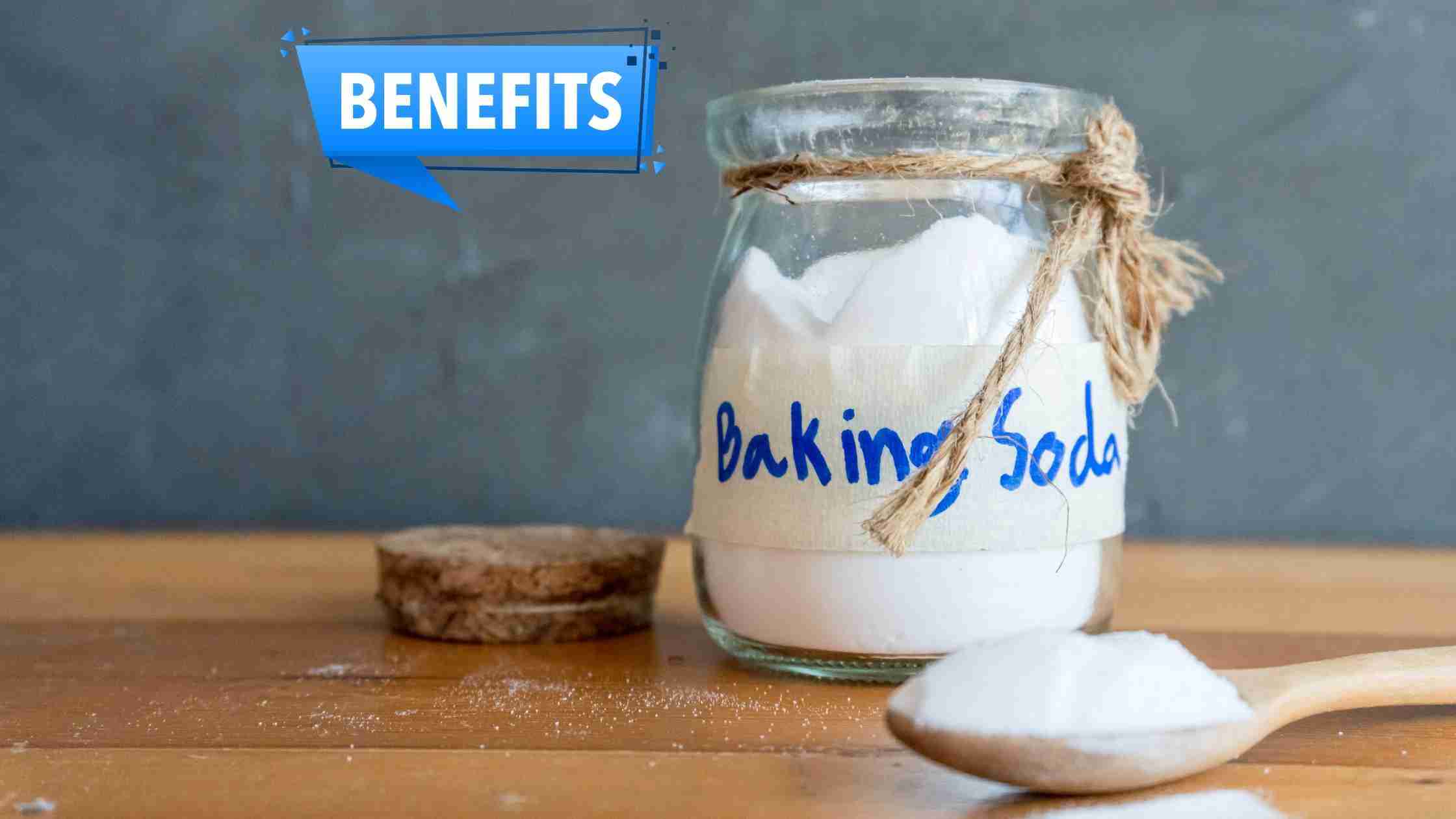
Baking soda offers several advantages over other tenderizing methods. It’s quick, effective, and readily available in most kitchens. Unlike commercial tenderizers, baking soda is a natural product without artificial additives.
Additionally, baking soda doesn’t alter the flavor of the meat. It works purely on texture, making it an excellent option for those who want to preserve the natural taste of their dishes.
Common Mistakes to Avoid
While baking soda is a powerful tenderizer, it’s essential to use it correctly. Overuse can lead to an unpleasant taste and mushy texture. Always measure the amount of baking soda carefully and avoid leaving it on the meat for too long.
Not rinsing the meat thoroughly after tenderizing can result in a soapy taste. Make sure to wash off all the baking soda before cooking. This step is crucial for maintaining the meat’s natural flavor.
Other Uses of Baking Soda in Cooking
Baking soda isn’t just for tenderizing meat. It has a multitude of uses in the kitchen. For instance, it can raise cakes, neutralize odors, and even clean kitchen surfaces.
In cooking, baking soda can help achieve a perfect golden brown crust on baked goods. It also works wonders in marinades, enhancing the flavor and texture of your dishes.
Best Types of Meat for Baking Soda Tenderizing
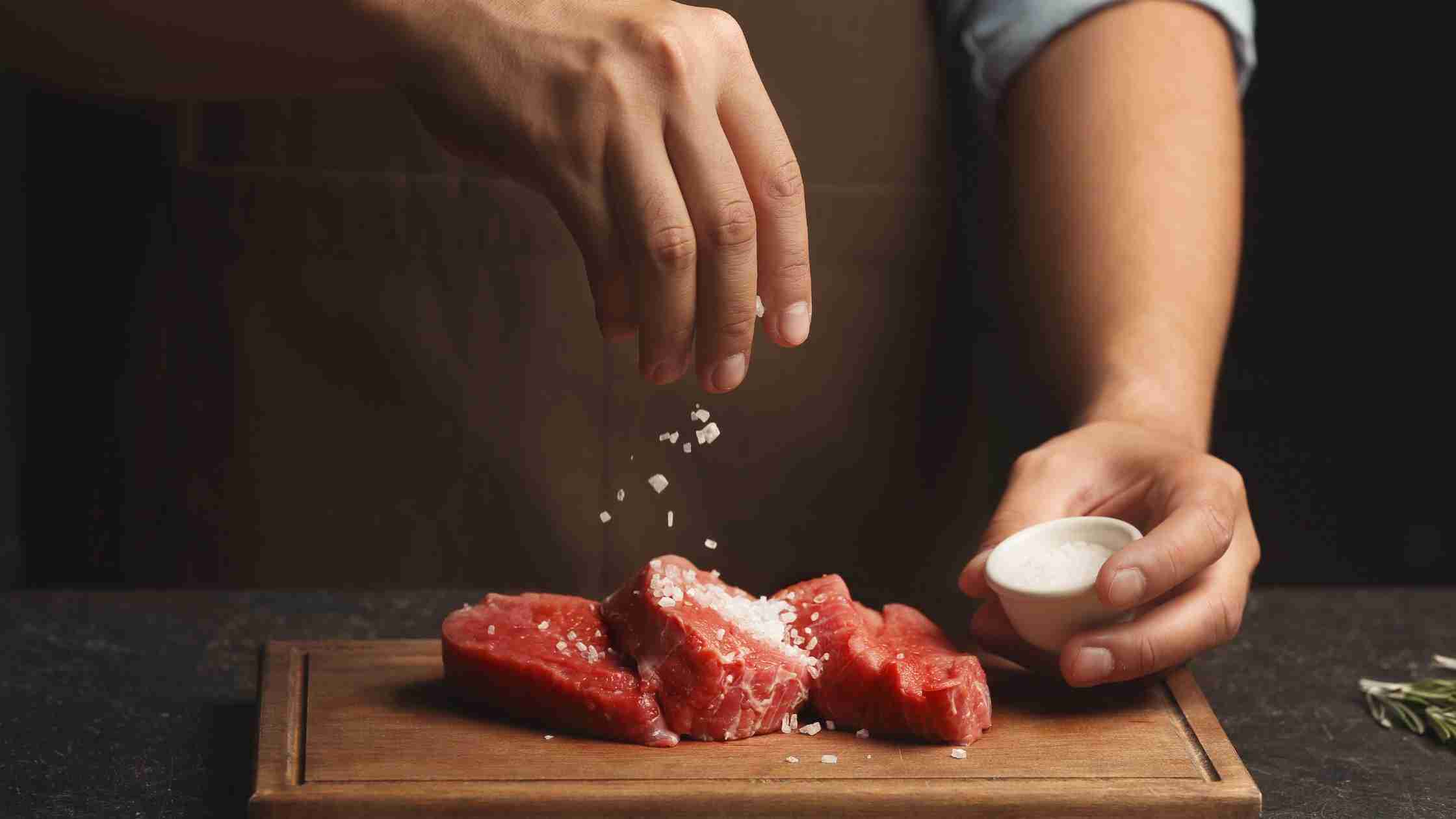
While baking soda works on various types of meat, some cuts benefit more than others. Tough cuts like flank steak, brisket, and pork shoulder are ideal candidates. These cuts typically have more muscle fibers, making them perfect for tenderizing.
Baking soda can also benefit chicken breasts and thighs, especially if you prefer a juicier texture. However, delicate meats like fish should be tenderized using other methods to preserve their structure.
Pairing Tenderized Meat with Complementary Sides
Pair it with complementary sides to make the most of your tenderized meat. Grilled vegetables, mashed potatoes, and fresh salads can enhance your meal. The key is to balance flavors and textures for a well-rounded dining experience.
For instance, a tender steak pairs beautifully with roasted asparagus and garlic mashed potatoes. The combination of flavors and textures creates a satisfying meal that will impress you.
The Nutritional Aspect of Tenderized Meat
Tenderizing meat with baking soda doesn’t just improve texture; it can also make nutrients more accessible. Breaking down muscle fibers can make it easier for your body to absorb essential vitamins and minerals from the meat.
Additionally, tenderized meat is often easier to chew and digest, making it an excellent option for individuals with dietary restrictions or health concerns. This method can contribute to a balanced and nutritious diet.
The Environmental Benefits of Utilizing Tough Cuts

Tenderizing tough cuts of meat can have environmental benefits. By using these cuts, you reduce food waste and promote sustainability. Every part of the animal can be utilized, minimizing the environmental impact of meat production.
This approach also supports ethical farming practices. By valuing all parts of the animal, you contribute to a more sustainable and responsible food system.
Cultural Significance of Meat Tenderizing Techniques
Tenderizing meat is a practice rooted in various cultures. Different regions have their methods, such as marinating, pounding, or using natural tenderizers like papaya. Baking soda is just one of many techniques that reflect culinary traditions worldwide.
Understanding these cultural practices can enrich your cooking experience. Exploring different tenderizing methods allows you to appreciate the diverse ways in which people prepare and enjoy meat.
Conclusion
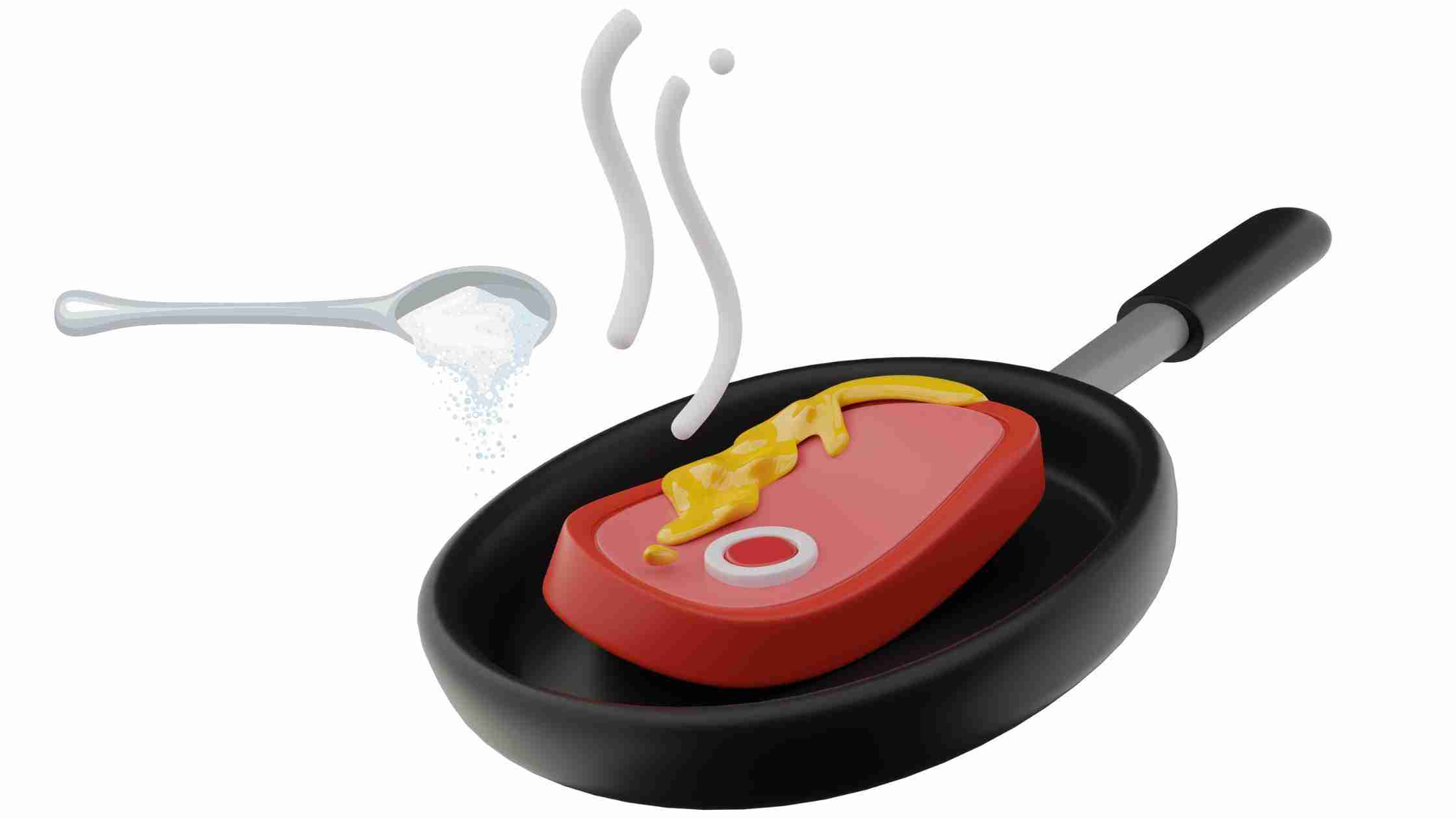
Tenderizing meat with baking soda is a game-changer. It’s simple, effective, and brings out the best in your meat dishes. Following these steps, you can elevate your cooking and enjoy tender, flavorful meals every time.
Don’t hesitate to experiment with this technique. Whether preparing a weeknight dinner or a special occasion feast, tenderizing with baking soda can make a significant difference. Give it a try and savor the results!
Ready to take your cooking to the next level? Start incorporating baking soda into your tenderizing routine today and watch your meals transform. Happy cooking!
FAQs:
Is tenderizing meat with baking soda safe?
Tenderizing meat with baking soda is safe and effective when used in moderation. It helps break down proteins, resulting in a more tender texture. Rinse the meat thoroughly before cooking to remove any excess baking soda.
How long is the meat left to become tenderized with baking soda?
Let it sit for 15 to 20 minutes to tenderize meat with baking soda. This brief time allows the baking soda to work its magic. Always rinse the meat well before cooking.
Which liquids work best for tenderizing meat?
Buttermilk, apple cider vinegar, and pineapple juice are beautiful options for tenderizing meat. Each brings a gentle acidity that breaks down proteins, enhancing tenderness. Choose the one that best complements your dish’s flavor.