


Are you getting the recommended daily allowance of vitamins and minerals? If not, you could be setting yourself up for deficiency symptoms.
Understanding the signs of vitamin deficiency is crucial for maintaining your overall well-being. Our bodies rely on a delicate balance of nutrients to function correctly, and a lack of essential vitamins can lead to various health issues.
In this blog post, we will explore the critical symptoms of vitamin deficiency and how to recognize them daily.
The Eating Enlightenment Food Journal App can be invaluable in supporting your journey towards better health.
This app helps manage cravings, emotional eating, and binges by promoting mindful eating habits and tracking your nutritional intake.
You can take proactive steps towards a more balanced and nourishing diet by identifying patterns and deficiencies.
A Vitamin deficiency symptom
Vitamin A deficiency is a severe problem in many parts of the world. It can cause blindness and death in children, and it increases the risk of disease and death in adults.
The most common symptom of vitamin A deficiency is xerophthalmia, which is a dryness and inflammation of the conjunctiva (the membrane that covers the white part of the eye).
Deficiency can also cause night blindness, which is the inability to see in low light. Other symptoms include dry skin, hair loss, and weakened immunity.
A lack of access to foods rich in vitamin A, such as meat, eggs, and dairy products, usually causes vitamin A deficiency.
It can also be caused by a lack of access to Vitamin A supplements or by a condition that prevents the body from absorbing Vitamin A.
B Vitamin Deficiency Symptoms
Vitamin B deficiencies are rare but can cause many health problems.
The most common symptom of Vitamin B deficiency is anemia, a condition in which the blood cannot carry enough oxygen to the body’s tissues.
Other symptoms include fatigue, weakness, irritability, and depression. Vitamin B deficiencies can also cause problems with the skin, hair, and nails.
A lack of access to Vitamin B-rich foods, such as meat, fish, poultry, eggs, and dairy products, usually causes vitamin B deficiencies.
They can also be caused by a lack of access to Vitamin B supplements or by a condition that prevents the body from absorbing Vitamin B.
Vitamin D: Fatigue, Bone Pain, Mood Shifts and More

Vitamin D is essential for strong bones and muscles, but it can also affect mood, energy levels, and overall health.
A D Vitamin deficiency can cause several different symptoms. The most common symptom is fatigue. You may also experience bone pain, muscle weakness, or mood shifts.
A lack of exposure to sunlight usually causes D Vitamin deficiency. It can also be caused by a diet that doesn’t include Vitamin D-rich foods, such as fish, eggs, and dairy products.
A Vitamin D deficiency can also be caused by a condition that prevents the body from absorbing Vitamin D.
If you think you may be Vitamin D deficient, seeing a doctor is essential. It can be treated with supplements and/or lifestyle changes.
Vitamin C Deficiency Symptoms
It is one of the most common vitamin deficiencies in the world. It can cause many health problems, including scurvy, a disease that causes bleeding gums, fatigue, and joint pain.
Other symptoms of Vitamin C deficiency include dry skin, easy bruising, and slow wound healing. Vitamin C deficiency can also weaken the immune system, making you more susceptible to infections.
A lack of access to Vitamin C-rich foods, such as citrus fruits, tomatoes, and leafy green vegetables, usually causes vitamin C deficiency.
Vitamins and Cancer

A growing body of evidence suggests that specific vitamins and minerals may help prevent cancer.
Vitamin A, Vitamin C, Vitamin D, and Vitamin E have all been shown to play a role in cancer prevention.
Similarly, selenium, copper, and zinc have also been shown to reduce cancer risk.
While more research is needed, the evidence suggests that vitamins and minerals may help protect against cancer.
If you want to reduce your risk of cancer, talk to your doctor about Vitamin A, Vitamin C, Vitamin D, Vitamin E, selenium, copper, and zinc supplements.
Vitamin deficiencies can lead to cancer because they weaken the immune system, making the body more susceptible to infection.
Vitamins A, C, D, and E have all been shown to play a role in cancer prevention. Similarly, selenium, copper, and zinc have also been shown to reduce cancer risk.
Iron: Fatigue, Shortness of Breath, Cold Hands and Feet, Brittle Nails and More
Iron is a mineral essential for good health. It plays a role in the production of hemoglobin, a protein that carries oxygen in the blood.
Iron deficiency can cause many symptoms, including fatigue, shortness of breath, cold hands and feet, brittle nails, and more.
Iron deficiency is usually caused by a lack of iron in the diet. It can also be caused by blood loss, such as from heavy menstrual bleeding or gastrointestinal bleeding.
Burning sensation in the feet or tongue

A burning sensation in the feet or tongue can be a symptom of Vitamin B12 deficiency. This water-soluble vitamin plays a vital role in the nervous system’s function.
Vitamin B12 deficiency can also cause fatigue, memory loss, and depression. It is usually caused by a lack of Vitamin B12 in the diet.
This is found in animal-based foods like meat, poultry, fish, eggs, and dairy products. You may be at risk for Vitamin B12 deficiency if you don’t eat animal-based foods.
Exploring supplementation is a viable option for individuals concerned about Vitamin B12 deficiency, especially vegetarians and vegans. One of the most effective supplements in combating this deficiency is dynamic lipotropic b12, which not only aids in overcoming the shortfall but also supports liver health and helps in fat metabolism. It also improves energy levels and lowers the risk of heart disease.
Folate: Fatigue, Diarrhea, Smooth Tongue and More

Folate is a water-soluble vitamin found in leafy green vegetables, legumes, nuts, and seeds. It plays a vital role in the production of red blood cells and the synthesis of DNA.
Folate deficiency can cause many symptoms, including fatigue, diarrhea, smooth tongue, anemia, and more. Folate deficiency is usually caused by a lack of folate in the diet.
Severe hair loss
Severe hair loss can be a symptom of Vitamin A deficiency. Vitamin A is a fat-soluble vitamin that plays a vital role in the immune system’s function.
It can also cause dry skin, night blindness, and increased infection susceptibility. Vitamin A deficiency is usually caused by a lack of Vitamin A in the diet.
It is found in animal-based foods like meat, poultry, fish, eggs, and dairy products.
You may be at risk for Vitamin A deficiency if you don’t eat animal-based foods. If you are experiencing severe hair loss, talk to your doctor about Vitamin A supplements.
Where to Start

Talk to your doctor if you think you may be deficient in any of the vitamins or minerals mentioned above.
They can give you a blood test to check for deficiencies and recommend supplements if necessary.
You may also get an online blood test for vitamin deficiency that can assist you in identifying your deficit.
Eating a healthy diet rich in vitamins and minerals is the best way to get the vitamins and minerals your body needs. Eat plenty of fruits, vegetables, whole grains, and lean protein.
I strongly urge you to eat iron-rich foods high in vitamins to help prevent vitamin deficiency or take a multivitamin for general health.
Vitamin Deficiency Symptom Chart Summary
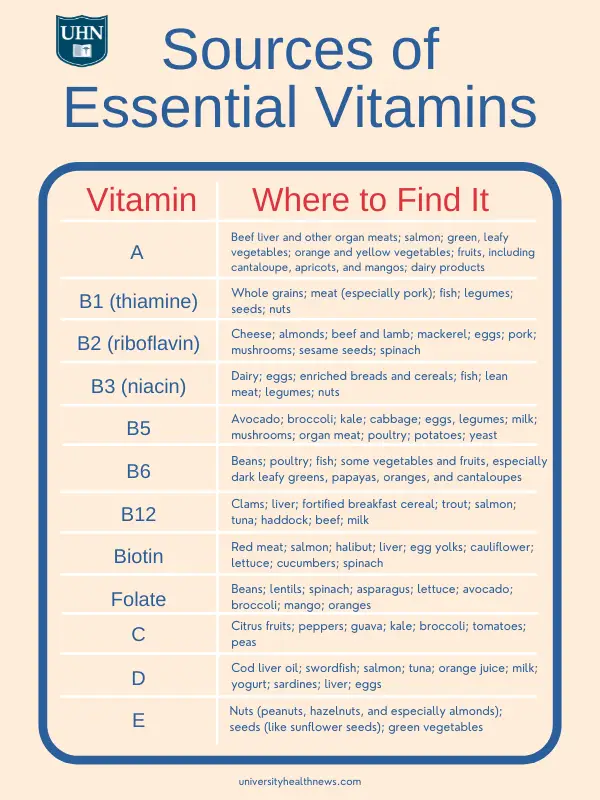
While we’ve only touched on a few possible vitamin deficiencies, this chart provides a general overview of what to look for and how to address them.
If you are experiencing any of these symptoms, you must consult your doctor and get proper testing done.
Minor tweaks or changes in your diet can often correct a vitamin deficiency before it becomes too severe.
And don’t forget to eat foods rich in vitamins and fresh fruits.
Stay healthy and happy by ensuring you get all the nutrients your body needs!
What other symptoms would you add to this list? Let us know in the comments below!