

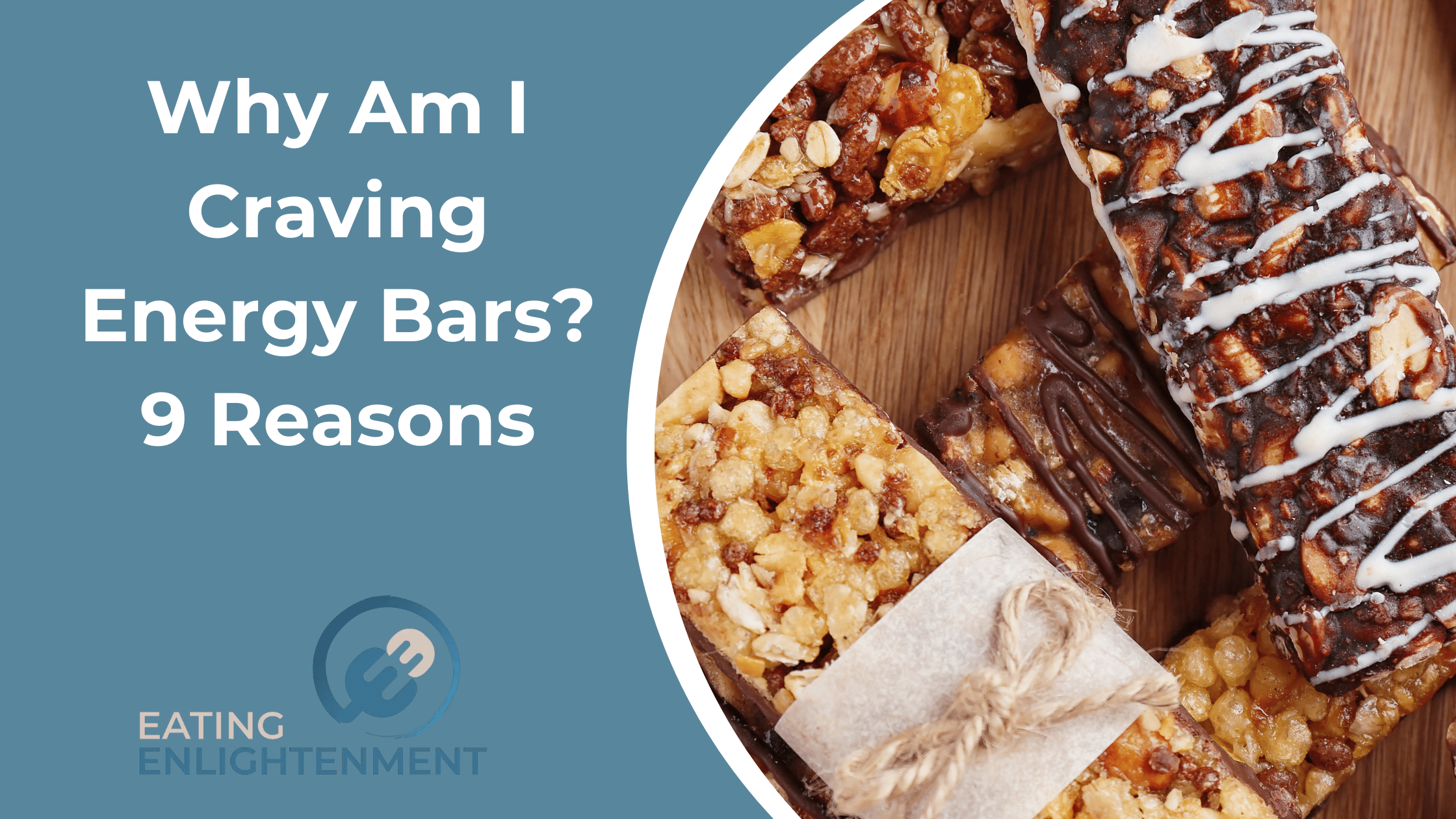
Imagine this scenario: It’s mid-afternoon, you’re swamped with emails, meetings, or errands, and your energy dips. You grab an energy bar from your bag or desk drawer without thinking. It’s quick, convenient, and just what you need to power through until dinner. But have you ever stopped to wonder—why this particular craving?
Energy bars have become staples in modern diets, promising a blend of nutrition and convenience for our increasingly hectic lifestyles. Their appeal is undeniable, from athletes to busy professionals. They seem like the perfect on-the-go food, packed with nutrients and marketed as healthful snacks. Yet, cravings for these bars often suggest what your body—and sometimes your mind—might need.
This blog dives into nine surprising reasons behind your energy bar cravings. Together, we’ll explore the science, psychology, and hidden signals at play—and how you can approach them thoughtfully. Grab your favorite journaling tool if you have one because these insights might spark a moment of self-discovery.

#1. Your Body Might Be Missing Key Nutrients
When your body lacks essential nutrients like protein, fiber, or even magnesium, it often sends signals to replenish those needs. Energy bars, usually packed with these nutrients, can seem like an ideal solution. However, relying on them too much can hide the fact that your overall diet might need a little tweaking. For instance, skipping meals or not eating well-rounded meals can create subtle deficiencies that add up over time.
Take a moment to reflect on your recent diet. Are you eating a variety of whole foods? What does your plate say about balance? Use this as an opportunity to start paying closer attention.
Mindful Tip: Begin journaling your meals and snacks for a few days to identify gaps. Ask yourself, “What did I eat today? Am I noticing a pattern in the type of nutrients I might be missing?” Recognizing these patterns is the first step toward change.
#2. You’ve Been More Active Than Usual

After intense activity—whether a workout session or running errands all day—your body craves quick energy to recover. Packed with convenient calories and carbs, energy bars often feel like a shortcut to replenishment. But while they’re helpful in a pinch, your body might benefit more from a balanced post-activity snack or meal that combines protein, healthy fats, and whole grains.
Consider how your routine has shifted recently. Increased activity without proper recovery can leave you feeling depleted and seeking the easiest energy source available.
Mindful Tip: Reflect in your journal as you notice these patterns. “How does my body feel after exercise? Do I reach for an energy bar out of hunger, habit, or convenience?” With a bit of awareness, you might create a more balanced recovery plan.
#3. The Convenience Factor
Energy bars have become synonymous with ease. No peeling, cutting, or cooking—rip the wrapper and eat. Sometimes, though, cravings can be habits disguised as hunger. If you’ve built a routine around reaching for an energy bar as your go-to snack, it might be time to reassess whether that habit serves you well.
Ask yourself if convenience is guiding your choices. Would other whole-food options, such as a handful of mixed nuts, yogurt with fruit, or veggie sticks and hummus, be equally satisfying and as easy?
Mindful Tip: Journal about your motivations. Ask yourself, “Am I reaching for this bar because I’m hungry, or is it just convenient?” Adding some variety to your snacks can break the monotony and keep cravings in check.
#4. There’s an Emotional Trigger
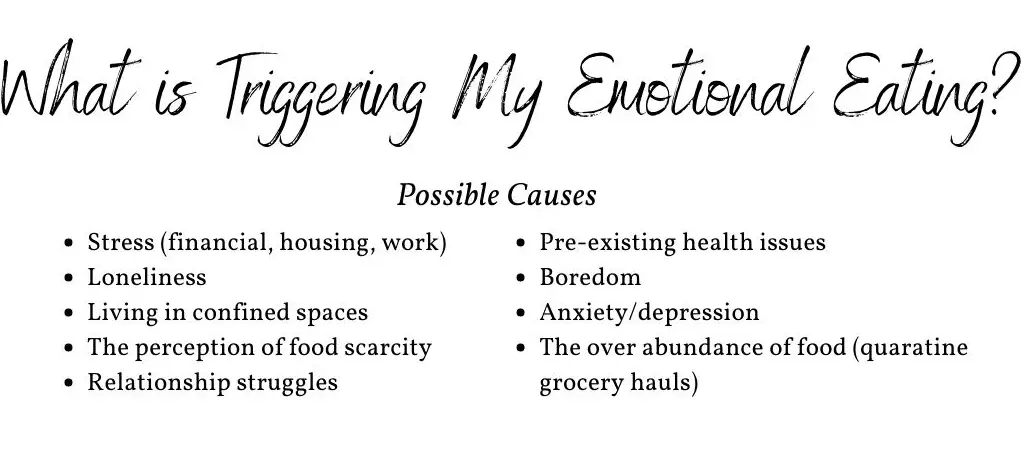
Sometimes, it’s not your stomach doing the talking—it’s your emotions. Stress, sadness, or plain boredom can send you on a snack-seeking mission. Energy bars, especially sweet or chewy ones, can provide a comforting sensory experience. But while they might lift your mood momentarily, they don’t address the underlying emotions driving the craving.
When you feel the urge to grab a bar, pause momentarily. Are you truly hungry, or is there something deeper at play? Exploring these emotions with compassion—not judgment—can make all the difference.
Mindful Tip: Journal your feelings when cravings strike. Ask yourself, “What feelings came up before I reached for the energy bar? What other ways can I care for myself right now?” Activities like deep breathing or a quick walk can often provide the comfort you’re seeking.
#5. Your Perception of Health Is Shaped by Marketing
Energy bars can seem irresistible, partly because of how they’re presented. Shiny packaging, trendy ingredients like chia seeds or collagen, and phrases like “packed with protein” or “superfood blend” create a health halo around them. It’s easy to believe you “need” one because the advertising makes it feel like a clever “healthy” decision.
Critically examining labels and claims can help you make more informed choices. Not all energy bars are created equal; many are closer to candy bars than healthy food.
Mindful Tip: Ask yourself, “What messaging about food influences my decisions? “How can I tune back into what my body truly wants?” Use journaling to identify the role marketing plays in your daily choices.
#6. Sugar Might Be Creeping in Unnoticed
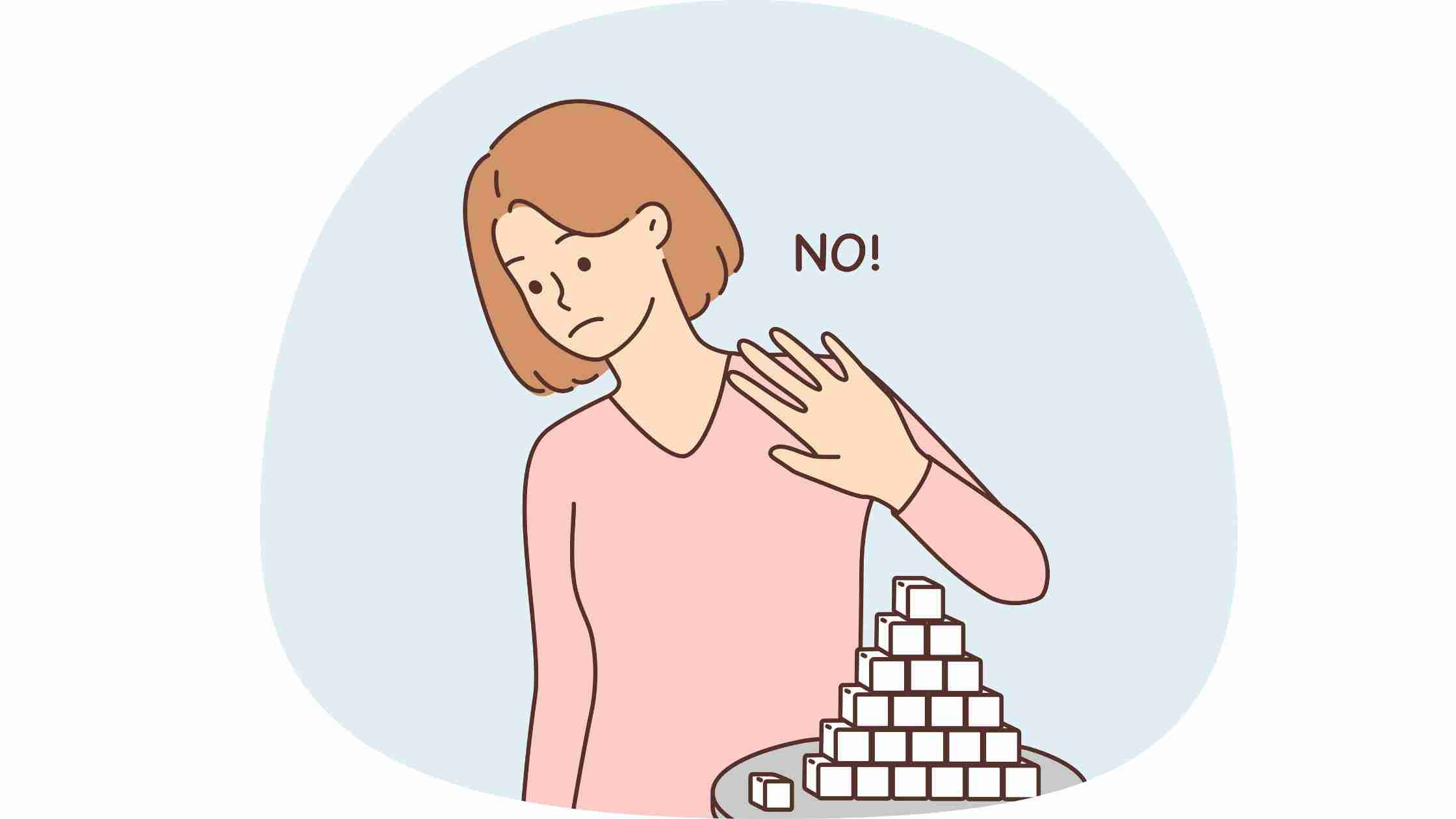
You’re likely familiar with sugar cravings—they hit hard and fast, and once you give in, it’s easy to repeat the cycle. Many energy bars have hidden sugars that provide a temporary boost but leave you craving more soon after. This can lead to a rollercoaster of energy spikes and daily crashes.
Breaking the sugar cycle takes awareness. Balancing your blood sugar by pairing snacks with protein or healthy fats can keep cravings at bay and energy levels consistent.
Mindful Tip: Track your sugar intake from energy bars and other sources for a few days. Ask, “Am I craving sweetness in other areas of my life, too?” Understanding the emotional or physical root of these cravings can guide you toward lasting change.
#7. Lack of Planning Leaves You No Better Option
When life gets hectic, meal preparation quickly falls through the cracks. Energy bars, then, become a stand-in for meals. While convenient, relying too heavily on them can prevent you from building a solid nutritional foundation.
Try carving out time for simple meal preparation, even if it’s just chopping vegetables or pre-cooking proteins to mix and match throughout the week. When nourishing meals are available, you’ll naturally rely on bars less.
Mindful Tip: Set weekly intentions with a journal prompt, “How can I better prepare meals to meet my nutritional needs? What role can planning play in reducing impulsive snacking?”
#8. Social Influences Shape Your Habits
Whether it’s a coworker offering a bar during a meeting or influencer recommendations bombarding you online, social settings and media can affect your cravings. Seeing others eat energy bars—or normalizing their constant presence—might lead you to grab one, even if you’re not particularly hungry.
Taking a moment of introspection can reveal these subtle influences on one’s food habits. Are one’s cravings truly one’s or someone else’s?
Mindful Tip: Use your journal to investigate these dynamics. Ask yourself, “Am I choosing this snack because I saw someone else have one or want one? How can I reconnect with my hunger cues?”
#9. It Might Be Connected to Deeper Patterns, Like Binge Eating
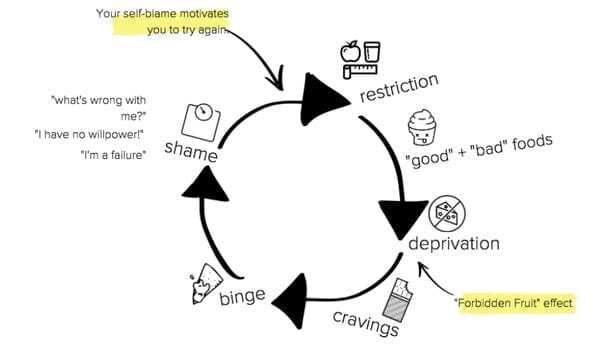
For some, energy bar cravings might reflect a more complex relationship with food. If you struggle with feelings of losing control or guilt when eating, these cravings could be part of a binge-diet cycle—restricting, bingeing, and repeating.
At Eating Enlightenment, we emphasize breaking this cycle by consistently nourishing your body, mindfully exploring triggers, and finally healing any emotional wounds underlying these patterns. Cravings are not weaknesses—they’re invitations to deeper understanding.
Mindful Tip: Write in your journal using the prompt, “What patterns do I notice in my relationship with food? Are my cravings connected to restriction, emotional triggers, or unmet needs?” With time and compassion, you can reclaim balance.
The Eating Enlightenment Approach to Managing Cravings
Cravings can feel overwhelming—a sudden urge for something sweet, salty, or quick grabbing your attention out of nowhere. But cravings aren’t enemies to fight; they’re signals from your body and mind, drawing attention to unmet needs. The Eating Enlightenment approach transforms these signals into opportunities for understanding and growth through a simple three-step journaling system.
This approach isn’t about willpower or restriction. Instead, it helps you uncover the “why” behind your cravings, creating a more intuitive relationship with food. Here’s how to channel cravings into meaningful insights.
Step 1: Build a Nutritional Foundation
Many cravings stem from unmet physical needs, such as inconsistent eating or nutrient gaps. They’re your body’s way of raising a red flag. To create a solid foundation, focus first on regular, balanced meals. Journaling helps identify areas where your nutrition may fall short.
For example, Sarah realized her afternoon sugar cravings stemmed from skipping breakfast. She saw those cravings diminish by starting her day with nutrient-rich options like oatmeal with nut butter.
Try this prompt: “What are the most common times I experience cravings? What can I do to feel more satisfied?” Journaling these reflections can help you spot patterns and make nourishing adjustments.
Step 2: Mindfulness of Emotional and Situational Triggers
Not every craving is caused by hunger. Environmental triggers or emotional needs—stress, boredom, or habit—often play a role. It is key to observe these moments without judgment.
Mark noticed his nightly chip cravings were less about hunger and more about decompressing after scrolling social media. Replacing chips with a short stretching routine gave him the relaxation he craved.
Try this: “What was happening when I felt this craving? What part of me was seeking comfort or reassurance?” Mindful journaling leads to alternative ways to meet emotional needs.
Step 3: Heal Inner Parts and Explore Emotional Roots
Deep cravings may reveal unresolved emotions or past experiences. Journaling helps uncover these “inner parts,” such as self-soothing behaviors tied to stress or perfectionism.
Lisa linked her binge eating to work-related feelings of failure. Through journaling, she dialogued with her inner critic and found ways to offer herself compassion, easing the emotional load behind her actions.
Reflect with this prompt: “Is there something deeper I’m avoiding that food is comforting? What could this craving teach me?”
9 Fun Facts About Why You Crave Energy Bars
- They’re a Sweet Tooth’s Sneaky Friend
Many energy bars, even the “healthy” ones, contain natural sweeteners like honey or dates. These ingredients trigger the same pleasure centers in your brain as traditional sugary treats, making them hard to resist. Got a craving for something sweet and chewy? That’s no accident! - A Quick Fix for Protein Deficiency
When your body is low on protein, your cravings for [energy bar brand] loaded with nuts, whey, or seeds might spike. Protein fills you up and repairs muscles, which is why it’s the star ingredient in most bars marketed to fitness enthusiasts. - Marketing Magic Makes Them Irresistible
Can colorful packaging and bold phrases like “superfood-packed” or “power snack” influence your cravings? Energy bars are masterfully branded to tap into your desire for health without compromising convenience! - They’re Packed With the Texture You Love
Crunchy almonds or creamy nut butter—have you noticed how bars cater to your favorite mouthfeel? Research shows textures like crunchy or gooey can increase the appeal of snacks. That’s why [ingredient] bars keep you coming back for more. - Your Body Might Be Calling for Magnesium
Chocolate-flavored energy bars make up for more than just their taste. That craving might mean you’re low on magnesium, an essential mineral in dark chocolate, seeds, and nuts. Time to eat up! - Convenience is King
Never underestimate the power of grab-and-go snacks. If you’re running errands or hiking, peeling open an energy bar is a lot more appealing than making anything yourself. Craving convenience? That’s precisely what bars promise. - The Perfect Post-Workout Companion
Intense physical activity boosts your hunger for quick carbs and protein to replenish energy. With balanced ratios, energy bars like [energy bar brand] become your go-to craving after a long hike, yoga session, or gym routine. - They’re a Comfort Food in Disguise
Those chocolate-coated or peanut butter energy bars might remind you of the candy or snacks you loved as a kid. Often seen as “healthier” comfort food, they offer nostalgia without the guilt. - Cultural Trends Shape Your Choices
From keto to plant-based diets, energy bars evolve with food fads. Craving that trendy matcha [ingredient] bar or the latest adaptogen blend? That’s society nudging you toward what’s in vogue—and who doesn’t want to try the latest health trend?
Conclusion

Cravings, especially for energy bars, are not flaws—they’re signals worth exploring. They can stem from unmet nutritional needs like protein deficiencies or lifestyle factors such as convenience and post-workout recovery. Sometimes, cravings are a response to emotional triggers or are influenced by marketing and social trends. Understanding the reasons behind these cravings allows you to make more mindful and balanced choices that align with your health goals.
Awareness is the first step. Consider asking yourself reflective questions about your cravings. Are they rooted in hunger, habit, or emotion? Recognizing these patterns is key to transforming your relationship with food. Tools like the Eating Enlightenment Journal App can help you take this critical step by tracking your food intake, uncovering triggers, and developing mindfulness around eating.
Take control of your cravings and start making choices that leave you feeling nourished and empowered. Download the Eating Enlightenment Journal App today and begin your personalized path to understanding and balancing your nutritional needs. Start small, stay curious, and watch how small steps lead to lasting well-being.