

Ever find yourself reaching for that crusty bread, a warm bowl of pasta, or a pile of fries, even though you’re not hungry? Maybe it’s the middle of a stressful workday, or perhaps you’ve just finished a meal, but suddenly, the thought of starchy comfort foods becomes irresistible. If this sounds familiar, you’re not alone. Cravings for starchy foods are some of the most common out there, and while they may feel random, they’re often a signal your body and mind are trying to send.
Starchy foods like bread, rice, pasta, and potatoes are essential carbohydrate-rich staples that fuel our bodies with energy and support brain function. But sometimes, these foods become more than just fuel. They transform into the quick fix we reach for during exhaustion, stress, or emotional overwhelm. These cravings often run deeper than physical hunger, reflecting everything from nutritional imbalances to emotional triggers.

If battling these cravings makes you feel frustrated or out of control, take heart—understanding their root cause is the first step toward gaining clarity and power. You’ll uncover valuable insights into the connection between your body, emotions, and habits by exploring the six reasons behind your cravings. We’ll also introduce you to Eating Enlightenment journaling, an empowering tool that helps you untangle these patterns by reflecting on your unique relationship with starchy foods.
Understanding why you’re craving starches isn’t about blame but curiosity. It’s about uncovering the story your body and mind tell you and learning how to respond with compassion. Together, we’ll look at the possible causes, from energy dips to emotions, and offer practical steps to help you regain balance and ease. Every craving holds a clue. Are you ready to find out what yours is trying to say?
Six Possible Reasons You’re Craving Starchy Foods
#1. Energy Deficiency or Skipping Meals

When you skip meals or undereat, your body struggles to maintain stable blood sugar levels. Without sufficient fuel, your energy reserves plummet, prompting your brain to crave quick energy sources—like starchy and sugary foods. These are broken down rapidly into glucose, giving your body the fast energy fix it needs.
To manage these cravings, prioritize consistent meal timing and ensure your meals are balanced with protein, healthy fats, and fiber-rich carbohydrates like whole grains or legumes. These combinations stabilize your blood sugar levels, reducing the likelihood of intense, mid-afternoon carb cravings.
Journaling Prompt: “What time do I usually experience these cravings? Did I eat enough earlier in the day to support my energy needs?”
#2. Stress and Emotional Comfort
It’s no coincidence that starchy comfort foods seem extra appealing during times of stress. High cortisol levels, the hormone your body produces in response to stress, can amplify cravings for carbohydrate-rich foods. Why? Because these foods temporarily boost serotonin, a brain chemical that promotes feelings of calm and happiness.
Taking a pause when these cravings hit is essential. Journaling can help you uncover the specific stressors that trigger your cravings. For example, an exhausting meeting or a challenging conversation may send you to the pantry. Once you’ve identified your triggers, you can explore alternative ways to manage stress, such as deep breathing, walking, or practicing mindfulness.
Journaling Prompt: “What was I feeling or experiencing emotionally right before I started craving starches? How did I respond?”
#3. Habitual Dieting or Restrictive Eating
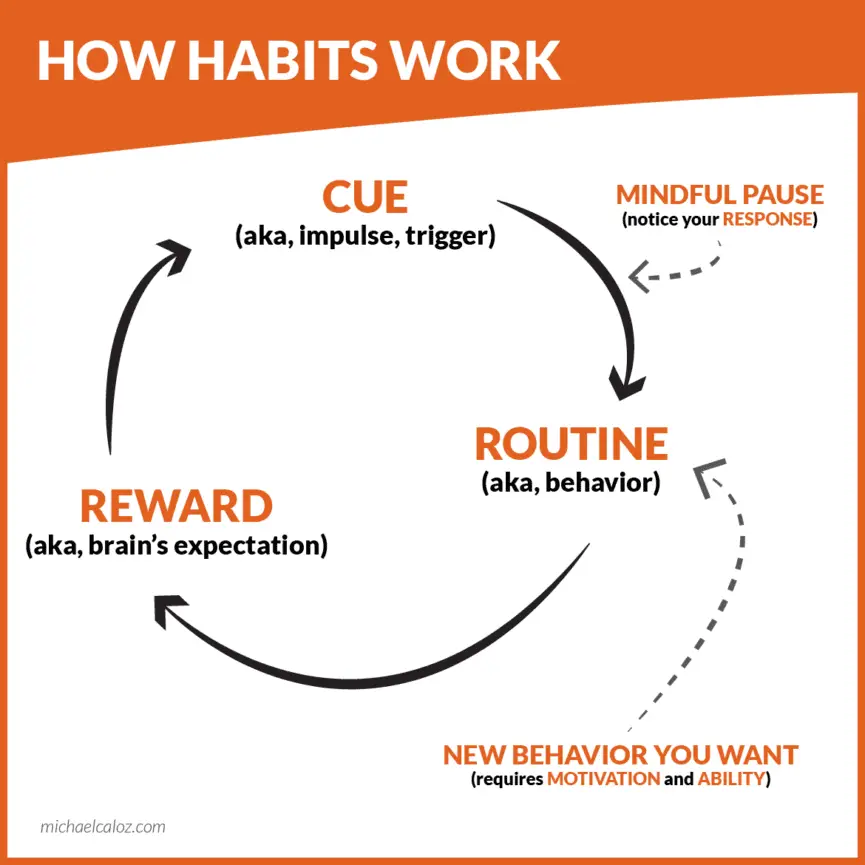
If you’ve been caught in the binge-diet cycle, cravings for starchy foods might feel intense and overwhelming. When you deprive yourself of certain foods or significantly restrict your intake, your brain pushes you toward what it perceives as “forbidden.” This often results in stronger cravings for starchy comfort foods.
The key is to reset eating patterns by nourishing your body correctly, as emphasized in the Eating Enlightenment 3-Step Process. Phase 1 involves nutrition journaling to ensure consistent, satisfying meals. By focusing on adding (not depriving), you create stability, which helps reduce reactive food cravings.
Journaling Prompt: “Am I depriving myself of foods I genuinely enjoy during meals? What would balance look like?”
#4. Hormonal Imbalances
Your hormones exert more influence on your eating habits than you might realize. For women, shifts in estrogen and progesterone levels—such as just before menstruation—can heighten carbohydrate cravings. Hormonal changes linked to pregnancy, menopause, or thyroid dysfunction can have a similar effect, leaving your body asking for quick energy sources like bread or pasta.
To support hormonal health, prioritize fiber-rich carbohydrates such as sweet potatoes, quinoa, or whole oats. These foods help keep your energy steady while nourishing your body with vitamins and minerals. Pair them with healthy fats and proteins for even more excellent stability.
Journaling Prompt: “Are there specific times during my cycle when I notice more intense starch cravings?”
#5. Lack of Sleep

Not getting enough sleep can wreak havoc on your cravings. Poor sleep amplifies ghrelin, the hormone that signals hunger and decreases leptin, which helps you feel full. The result? A spike in cravings for energy-dense foods, including starchy ones, as your body tries to fight off fatigue.
Improving sleep hygiene is an essential first step in managing these cravings. The Eating Enlightenment philosophy encourages a holistic wellness approach, including adequate rest. Going to bed at consistent times, limiting screen use before bedtime, and creating a calming nighttime routine can help.
Journaling Prompt: “How much sleep am I getting regularly? Do my cravings intensify after bad sleep?”
#6. Nutrient Deficiencies
Your body’s cravings often signal what it needs—but sometimes, these signals get crossed. A deficiency in magnesium, B vitamins (like B6 or B12), or fiber can lead to cravings for starchy foods. For instance, magnesium regulates energy and blood sugar levels; without enough, your body might crave carbohydrates intensely.
Aim for nutrient-dense foods like lentils, chickpeas, leafy greens, or almonds to address potential deficiencies. Journaling your food intake provides insight into your eating habits and can help you spot patterns where more nutrient-dense options can be added.
Journaling Prompt: “How often do I eat nutrient-dense whole carbs, like sweet potatoes or lentils, versus processed starches?”
The Role of Starchy Foods in Your Diet
1. Regulating Blood Sugar Levels
Starchy foods play a significant role in stabilizing your blood sugar levels. Foods rich in fiber, such as whole grains or legumes, take longer to break down into glucose, releasing energy steadily and preventing sugar spikes. This regulation is crucial for maintaining balanced energy throughout the day and reducing the risk of diabetes caused by erratic blood sugar patterns.
2. Providing Sustained Energy
Ever wonder why athletes or physically active individuals rely on carb-heavy meals? Starches provide a reliable, slow-releasing source of energy that keeps you going for hours. Unlike sugary snacks that lead to quick energy bursts followed by crashes, complex carbohydrates fuel your body steadily during workouts, meetings, or simply juggling a busy day.
3. Supporting Cognitive Functions
Your brain runs almost exclusively on glucose, and starchy foods are a primary contributor. Complex carbohydrates ensure your brain gets a steady stream of glucose, critical for focus, memory, and overall mental performance. This is one reason you may feel foggy or irritable when you skip meals or restrict carbs too heavily.
Cravings and Signs of Binge Eating Disorder
Is Your Craving for Starches Telling a Bigger Story?
Cravings for starchy foods like bread or pasta can sometimes signal more than physical hunger. For some, these cravings may point to patterns linked to Binge Eating Disorder (BED)—a condition marked by recurring episodes of eating large amounts of food, often with a loss of control, followed by guilt or shame. Starches frequently become targets during binges for their quick energy and comfort. Yet, this relief is fleeting, and the binge-diet cycle continues.
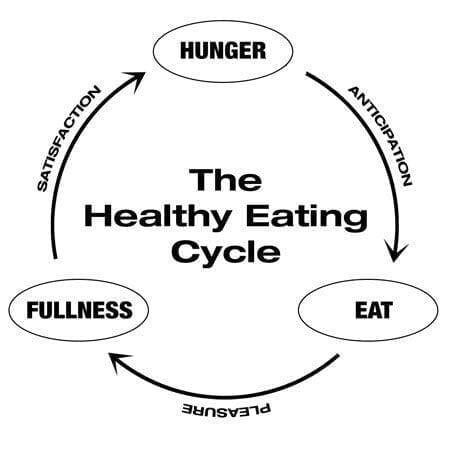
The Binge-Diet Cycle
This cycle often follows a predictable loop:
- Restriction → Limiting food creates deprivation.
- Cravings → Intense hunger for energy-dense foods builds.
- Binge → Overindulgence provides temporary relief.
- Guilt → Shame leads to renewed attempts at restriction.
This cycle harms both your physical energy and emotional well-being, undermining trust in your body. Recognizing this pattern is the first step toward breaking free.
Healing Through the Eating Enlightenment Philosophy
The Eating Enlightenment approach encourages addressing cravings with mindfulness and self-compassion, using journaling as a powerful tool to identify unmet needs. Asking, “What is my body trying to tell me with this craving?” can open the door to healing.
The Eating Enlightenment Approach
Step 1 – Nutritional Journaling
Eat balanced meals to stabilize your physical foundation. Journaling what, when, and how you eat helps identify gaps that may cause energy crashes.
Prompt: “What about my eating today supported my energy? Where did I feel off?”
Step 2 – Mindfulness of Emotional and Psychological Triggers
Once balanced eating is established, explore the emotional side of cravings. Journaling your feelings and daily events can help uncover stress or triggers behind your cravings.
Prompt: “What was happening before this craving? Did a specific emotion arise?”
Step 3 – Healing Trauma and Internal Triggers
Dive deeper into connections between cravings and inner emotional wounds, like perfectionism or rebellion. Journaling can help you reframe cravings as signals, not failures.
Prompt: “What part of me is speaking through this craving? How can I meet that need differently?”
Empowering Reminder: Each journaling session brings clarity and builds self-compassion, reducing the grip of guilt and shame.
Practical Tips to Manage and Reduce Starch Cravings
- Eat Balanced Meals: Incorporate protein, fiber, and healthy fats to maintain stable energy.
- Stop Restriction: Ensure no food is labeled as “off-limits.”
- Pause During Cravings: Take a moment to reflect on what’s driving the urge.
- Nutrient-Dense Swaps: Choose whole foods like quinoa or sweet potatoes over refined starches.
- Celebrate Wins: Use your journal to track and recognize small successes.
Your Journey to Craving Insight
Cravings aren’t failures—they’re messages from your body. Approach them with kindness and curiosity to uncover what your body truly needs.
Small, compassionate steps like mindful reflection and journaling can help you better understand these signals. Start your explorations today with the free Eating Enlightenment Journal App, a simple tool for tracking meals and emotions. You can also take our quick quiz to learn more about your eating patterns.
You’re not alone. Each journal entry brings you closer to a peaceful relationship with food and yourself. Start your healing today!