

If you’ve ever asked yourself, “Why do I want pasta so much?” you’re not alone.
Food cravings—especially for comforting, carb-heavy meals like pasta—can feel overwhelming and sometimes puzzling. But there’s often more behind these cravings than simple hunger.
In this blog, we’ll dive into the reasons behind pasta cravings, how mindful journaling can help you understand these cravings, and how unresolved trauma might play a role.
Plus, we’ll explore how healing trauma can ultimately reduce cravings for foods like pasta.
Why Do We Crave Pasta?
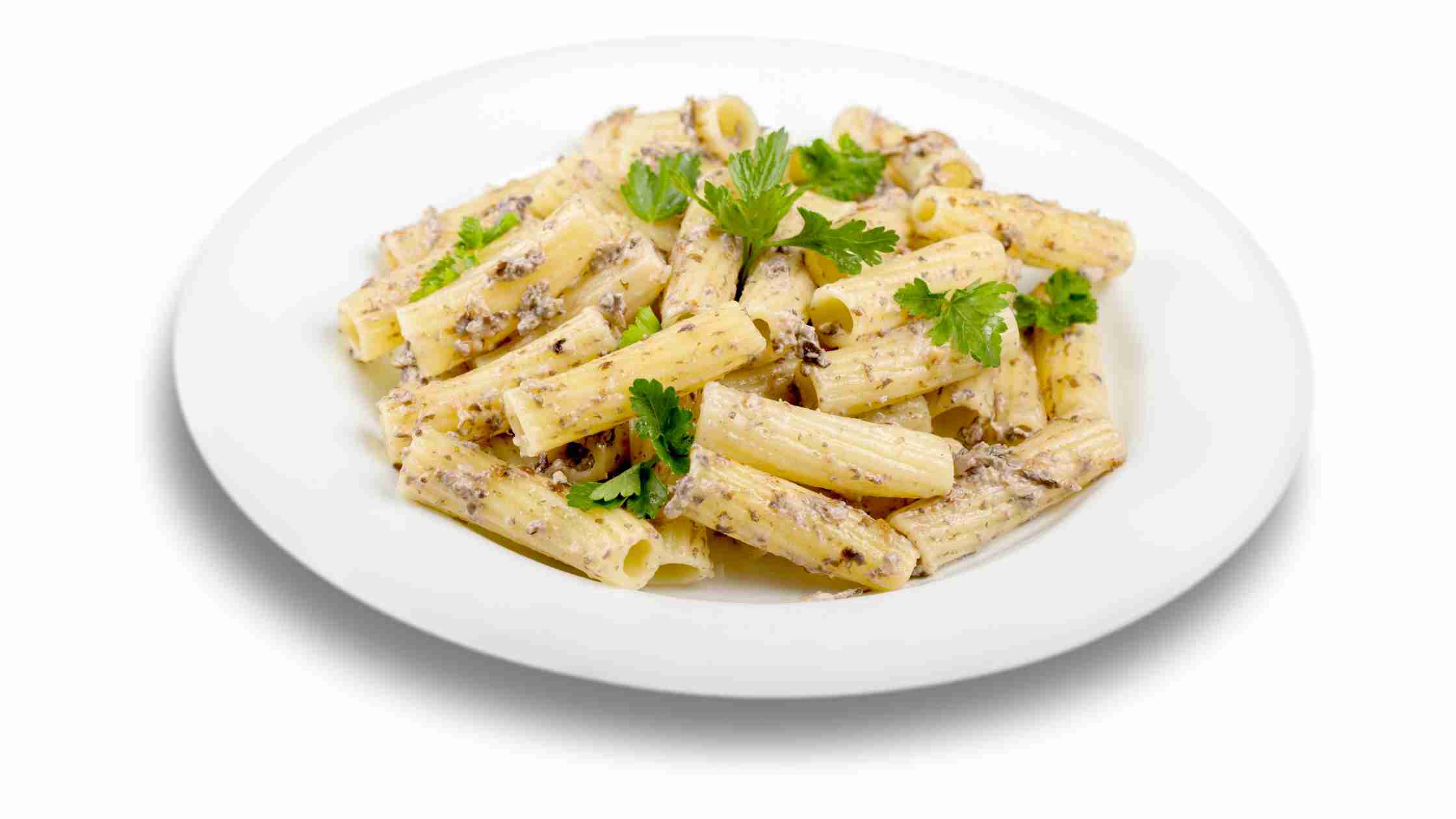
Pasta is one of the ultimate comfort foods. The combination of soft textures, creamy sauces, and starchy carbohydrates can feel incredibly satisfying, especially when stressed, tired, or emotionally drained. But why pasta?
- Carbohydrates = Energy & Comfort: Pasta is packed with carbohydrates, providing quick energy for the body. When you’re low on energy or emotionally depleted, your body may crave carbs to boost you. Carbs also increase serotonin, the “feel-good” hormone, which can explain why pasta is so appealing when seeking comfort.
- Emotional Comfort: Pasta may remind you of home-cooked meals, family gatherings, or other comforting memories. If you associate pasta with love, warmth, and care, you’ll likely crave it during emotionally difficult times.
- Nutritional Deficiency: Sometimes, cravings for pasta may signal a lack of certain nutrients, mainly carbohydrates. If you’ve been following a low-carb diet or haven’t eaten enough throughout the day, your body might crave starchy foods like pasta to compensate for the deficit.
While these physical and emotional factors explain some pasta cravings, they don’t tell the whole story. In many cases, recurring food cravings—especially when tied to emotional states—are related to deeper issues, including trauma.
Trauma and Food Cravings: What’s the Connection?

Unresolved trauma can significantly influence your relationship with food. For some people, eating becomes a way to numb or distract from painful emotions or past experiences. In these cases, cravings for foods like pasta may arise from hunger and a desire to soothe or escape.
When trauma is left unaddressed, the brain seeks comfort as quickly as possible, and food often becomes an easy solution. As a comforting, energy-dense food, pasta may become your go-to when you’re feeling emotionally overwhelmed.
Mindful Journaling: A Powerful Tool for Understanding Cravings

Before diving into trauma healing, it’s essential to build self-awareness around your cravings. This is where mindful journaling comes in. By engaging in mindful journaling, you can unravel the emotional, physical, and psychological triggers behind your pasta cravings.
Why Mindful Journaling Is Important for Food Cravings
- Increased Awareness: Mindful journaling helps you tune into the patterns behind your cravings. Are you craving pasta when you’re stressed, sad, or bored? Does the craving come after an emotionally taxing event, or is it a response to hunger?
- Emotional Processing: Writing about your cravings can help you process the emotions that trigger them. Instead of reacting to your craving by immediately reaching for food, journaling gives you space to explore the feelings that are driving it.
- Cognitive Behavioral Therapy (CBT) Approach: Journaling can incorporate CBT principles, helping you recognize negative thoughts or emotions that might fuel your cravings. By identifying these patterns, you can challenge them and make more mindful choices.
By journaling consistently, you’ll see patterns in your eating habits and emotional triggers. This practice can help reduce impulsive cravings and give you the clarity to make conscious decisions about when and why you eat certain foods.
Unlock the power of mindful journaling! Download the Eating Enlightenment App to track cravings, heal emotional triggers, and build a healthier relationship with food.
Healing Trauma: Addressing the Root Cause of Cravings
Once you’ve developed mindfulness and self-awareness through journaling, it may be time to explore the deeper causes of your cravings. Trauma can be at the root of many emotional eating patterns, including cravings for pasta and other comfort foods.
Trauma doesn’t always come from significant life events; it can also stem from emotional neglect, feeling unsafe in childhood, or other unmet emotional needs. If you’re using food as a way to cope with these unresolved feelings, healing the trauma can significantly reduce your cravings.
Struggling with food cravings linked to trauma? Download the Eating Enlightenment Course to start healing your emotional triggers and regain control of your eating habits.
How to Start Healing Trauma and Reduce Food Cravings
- Acknowledge Your Emotions: Healing begins with acknowledging the emotions that drive your cravings. Mindful journaling is a significant first step in this process, as it helps you connect with your feelings without judgment.
- Practice Self-Compassion: Be gentle with yourself. Recognize that your cravings are not a sign of weakness but a coping mechanism. Approach your healing process with self-compassion and patience.
- Seek Professional Help: Sometimes, trauma is deeply embedded and requires professional help. Therapies like Cognitive Behavioral Therapy (CBT) or Internal Family Systems (IFS) therapy can help you explore the parts of yourself that are using food to cope with emotional pain.
- Internal Family Systems (IFS) Approach: In IFS, we recognize that we have different “parts” of ourselves—some that crave comfort, some that may feel guilt, and others that might protect us from emotional pain. You can explore these parts through IFS, give them a voice, and understand their needs. Healing these parts can help release the grip of food cravings.
- Focus on Nutrition: Alongside emotional healing, ensuring your body is getting the nutrients it needs is crucial. A balanced diet, rich in whole grains, proteins, and healthy fats, can help stabilize blood sugar levels and reduce the intensity of cravings.
FAQs

1. Why do I crave pasta when I’m emotional?
Pasta provides quick energy through its carbohydrates and can boost serotonin levels, which makes you feel happier. It also may be tied to emotional comfort from past experiences, making it a go-to comfort food during emotional times.
2. How does trauma affect food cravings?
Unresolved trauma can lead to emotional eating as a way to cope with painful feelings. Food, particularly comfort foods like pasta, becomes a way to self-soothe or distract from emotional distress.
3. Can mindful journaling help reduce food cravings?
Yes, mindful journaling helps you become aware of the emotional triggers behind cravings and allows you to process these feelings without immediately reaching for food. Over time, this practice can reduce the intensity and frequency of cravings.
4. How can I heal the trauma that leads to emotional eating?
Healing trauma involves acknowledging and processing difficult emotions, often with the help of therapies like CBT or IFS. Mindful journaling can be a powerful tool in this process, helping you explore your emotional landscape non-judgmentally.
5. Is craving pasta related to a nutritional deficiency?
In some cases, pasta cravings can be linked to a lack of carbohydrates, especially if you’re on a low-carb diet. However, emotional and psychological factors often play a more significant role in recurring cravings.