


Warm, comforting, and soul-soothing—soup cravings are uniquely compelling, aren’t they? Many of us find ourselves daydreaming about a bowl full of creamy tomato basil or hearty chicken noodle, especially when it’s least expected.
But have you wondered why you’re craving soup in the first place? Maybe you’re trying to understand your body’s signals or exploring healthier eating habits. Cravings, after all, are like little whispers from your body, telling you about your needs—physical, emotional, or even mental.
1. Your Body Needs Comfort and Warmth
Soup is the ultimate comfort food, often associated with warmth, love, and happy memories—like curling up with a bowl of Mom’s chicken noodle soup on a rainy day. When you’re craving soup, it could be your body seeking warmth and comfort during challenging times.
2. You Might Be Dehydrated
Surprising as it sounds, soup cravings might stem from dehydration. Many soups, especially brothy ones like miso or vegetable soup, are hydrating. If you’re not drinking enough water, your body may be nudging you toward soup as a liquid-rich remedy.
3. Your Body Wants Nutrients

Soup is a sneaky nutritional powerhouse. A well-made soup can pack vitamins, minerals, and antioxidants into one bowl—just what your body might be calling out for. If you’ve been feeling low-energy or run-down, a soup craving could signal a need for nutrients.
4. You’re Craving a Sensory Experience
Ever notice how sipping soup engages multiple senses—the warmth, the smell of fresh herbs, the satisfying textures? When life feels chaotic, cravings for soup might be your body asking for a grounding, sensory moment of stillness and mindfulness.
5. You’re Feeling Under the Weather
When you’re battling a cold or flu, soup feels like medicine for the body and soul. The warmth can soothe a sore throat, while the nutrients provide the energy your body needs to recover. Ever wonder why “chicken soup for the soul” is a classic?
6. It’s a Seasonal Craving
There’s something magical about soup during cooler months. When the temperature drops, your body naturally seeks warmth and grounding foods. Craving a piping hot bowl of chowder in winter is your body’s way of harmonizing with the season.
7. You’re Seeking Simplicity

Life can get overwhelming. Soup, with its minimal, wholesome ingredients, offers an antidote—simple nourishment without complexity. A craving for soup may reflect your deeper yearning for simplicity and order.
Solution about Craving of Soup
Mindful Journaling About How To Stop craving soup?
- Focus on nutritional principles first to ensure your brain and body are well-nourished. Eat a balanced diet rich in essential nutrients to stabilize cravings.
- Use mindful journaling before meals to explore the emotions and thoughts driving your soup cravings.
- Reflect on your current feelings by asking questions like, “Am I hungry, or am I seeking comfort or hydration?”
- Recognize that mindful journaling is a key part of Cognitive Behavioral Therapy (CBT), helping identify patterns and triggers in your eating habits.
- Stay present during journaling, and focus on understanding your relationship with food rather than judging it.
- Use tools like the Eating Enlightenment App to guide your journaling process and gain insights as you work toward healthier eating habits.
- Combine nutritional awareness with consistent journaling to better manage cravings and develop a balanced relationship with food.
Healing Trauma and Inner Parts to Stop Craving Soup
- Understanding the Connection: Cravings for soup can sometimes be linked to unresolved trauma. These cravings might serve as a coping mechanism, providing comfort and safety when dealing with emotional distress.
- Start with Nutrition and Mindful CBT Journaling: Before addressing deeper trauma, ensure your body is nourished with a balanced diet. Use mindful Cognitive Behavioral Therapy (CBT) journaling to explore your cravings, focusing on nutritional needs and emotional triggers.
- Evolving to IFS Journaling: As you become comfortable with CBT journaling, transition to Internal Family Systems (IFS) journaling. This practice involves exploring the ‘parts’ of yourself that are connected to your soup cravings, such as the part seeking comfort or the part avoiding pain.
- Healing Trauma and Inner Parts:
- Acknowledge and Validate: Recognize the parts of yourself that are linked to cravings. Validate their feelings and understand their roles in your life.
- Dialogue with Parts: Use journaling to have a conversation with these parts. Ask them what they need and how they can be supported without relying on soup.
- Integrate and Heal: Work towards integrating these parts into a cohesive self, reducing the need for external comfort from food.
- Support and Resources: Consider enrolling in courses like the Eating Enlightenment Course to guide you through this healing journey. These resources can provide structured support and insights into managing cravings and healing trauma.
Most Asked Question About Craving of Soups
What does soup do for your body?
Soup nourishes and comforts your body while providing hydration and essential nutrients. Packed with vegetables, lean proteins, and herbs, it supports digestion, boosts immunity, and offers anti-inflammatory benefits.
Ingredients like carrots and spinach deliver fiber and antioxidants, while spices such as ginger and turmeric promote healing. Its versatility allows it to meet various dietary needs, from hearty stews to light broths, making soup a gentle and adaptable way to enhance your well-being.
Why do I eat so much soup?
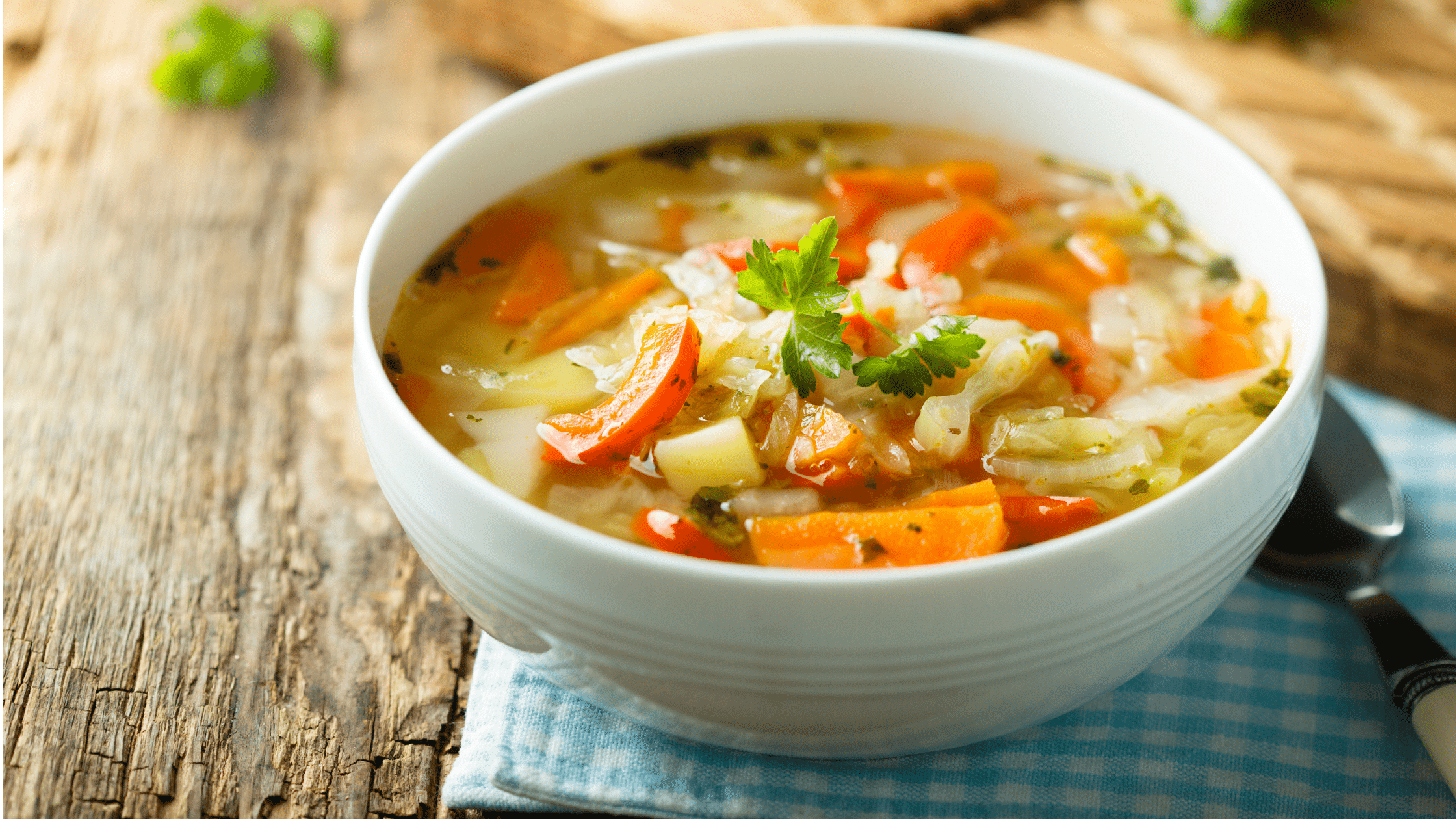
Eating a lot of soup could be tied to its comforting warmth, especially during cold weather or when you’re unwell. Soup offers a perfect balance of convenience, nutrition, and variety, catering to different tastes and dietary needs. Its ingredients, like fresh vegetables, lean proteins, and flavorful herbs, provide nourishment while promoting digestion and overall well-being.
For many, soup also holds cultural or emotional importance, creating feelings of connection and care. Whether it’s a hearty stew or a light broth, soup’s soothing nature makes it an irresistible choice.
What does it mean if you crave soup?
Craving soup could mean your body is seeking warmth, hydration, or vital nutrients found in its ingredients. It might also reflect an emotional need for comfort or nostalgia, as soup often evokes soothing memories.
Seasonal changes, like colder weather, or feeling under the weather can intensify this craving. Its versatility and the nurturing qualities of hearty broths or stews make soup a natural choice when your body or mind desires care and balance.
Final Thoughts
Craving soup can be more than just a fleeting desire—it’s often a signal from your body or mind seeking comfort, warmth, or nourishment. Whether it’s tied to nutritional needs, emotional comfort, seasonal changes, or even memories, understanding these cravings opens the door to making healthier, more mindful choices.
By exploring the reasons behind your cravings with curiosity, you can address the physical and emotional needs driving them. Remember to focus on balanced nutrition, incorporate mindful eating practices, and use self-reflection to better understand your unique relationship with food.
Cravings are not something to fear or fight but rather an opportunity to deepen your self-awareness and nourish your body and soul. With compassion and mindfulness, you can transform your approach to cravings into a positive, empowering journey towards overall well-being.