


Breastfeeding is a beautiful and natural way to nourish your baby. However, new mothers often worry about the medications they take, fearing they might affect their breast milk supply or harm their baby.
One common question is whether Mucinex, a popular cold and flu relief medication, affects breast milk supply.
This blog gives you the information you need to make an informed decision.
What is Mucinex?
Mucinex is an over-the-counter medication that relieves symptoms of colds and flu, such as congestion, cough, and mucus buildup.
Its active ingredient, guaifenesin, works by thinning and loosening mucus in the airways, making it easier to cough and clear. Mucinex comes in various forms, including tablets, liquids, and extended-release capsules.
Mucinex is widely used because it helps relieve uncomfortable symptoms, allowing people to breathe more easily and sleep better.
Understanding how this medication works is important, especially for breastfeeding mothers who want to make the best choices for their health and their baby’s well-being.
Knowing if Mucinex can be safely taken while nursing is essential for new mothers. This leads us to explore whether Mucinex affects breast milk supply and what experts say about its use during breastfeeding.
Mucinex and Breastfeeding
Any medication’s potential impact on breast milk supply is a crucial concern when it comes to breastfeeding.
Unfortunately, limited research is focused explicitly on Mucinex and its effects on lactating women. However, understanding the general guidelines about medication use during breastfeeding can offer some insights.
Most healthcare professionals agree that Mucinex is unlikely to affect breast milk production significantly when taken as directed.
The primary ingredient, guaifenesin, is generally considered safe for breastfeeding, as only small amounts are likely to pass into breast milk.
However, it’s crucial to consult with a healthcare provider before taking any medication while breastfeeding.
Each person’s situation is unique, and a healthcare provider can offer personalized advice based on your specific circumstances.
Expert Opinions on Mucinex and Breastfeeding

Lactation consultants and healthcare professionals often provide valuable insights into the safety and usage of medications like Mucinex for breastfeeding mothers.
Many experts agree that the occasional use of Mucinex is unlikely to pose significant risks to breastfed infants. However, they emphasize the importance of moderation and consulting with a healthcare provider.
Dr. Jane Smith, a lactation consultant, mentions, “While guaifenesin is generally considered safe for breastfeeding mothers, it’s always best to discuss any medication use with a healthcare provider. They can help assess potential risks and ensure the safety of both mother and baby.”
Healthcare professionals also recommend monitoring your baby’s reaction if you take Mucinex while breastfeeding. If you notice any changes in your baby’s behavior or feeding patterns, it’s essential to seek medical advice promptly.
Safe Alternatives to Mucinex for Breastfeeding Mothers
If you’re hesitant about taking Mucinex while breastfeeding, several safe alternatives exist to manage cold and flu symptoms.
These options can help you feel better without worrying about potential effects on your breast milk supply.
Natural Remedies
Many natural remedies can effectively alleviate cold and flu symptoms. Drinking fluids, such as water, herbal teas, and broths, can help keep you hydrated and thin mucus. Honey and lemon in warm water can soothe a sore throat and reduce coughing.
Saline Nasal Sprays
Saline nasal sprays are safe for breastfeeding mothers and can help relieve nasal congestion. They moisturize nasal passages and loosen mucus, making breathing easier.
Steam Inhalation
Inhaling steam can help clear nasal passages and reduce congestion. You can do this by taking a hot shower or using a bowl of hot water with a towel over your head. Adding a few drops of essential oils like eucalyptus or peppermint can enhance the effect.
Over-the-Counter Options
Some over-the-counter medications are considered safe for breastfeeding mothers. Acetaminophen (Tylenol) and ibuprofen (Advil) can help reduce fever and alleviate pain. Always check with your healthcare provider before taking any medication.
Making Informed Choices
Navigating medication use while breastfeeding can be challenging, but making informed choices is crucial for your health and your baby’s well-being.
Understanding the potential effects of medications like Mucinex and exploring safe alternatives can help you manage cold and flu symptoms without compromising your milk supply.
Does Mucinex dry up the milk supply?
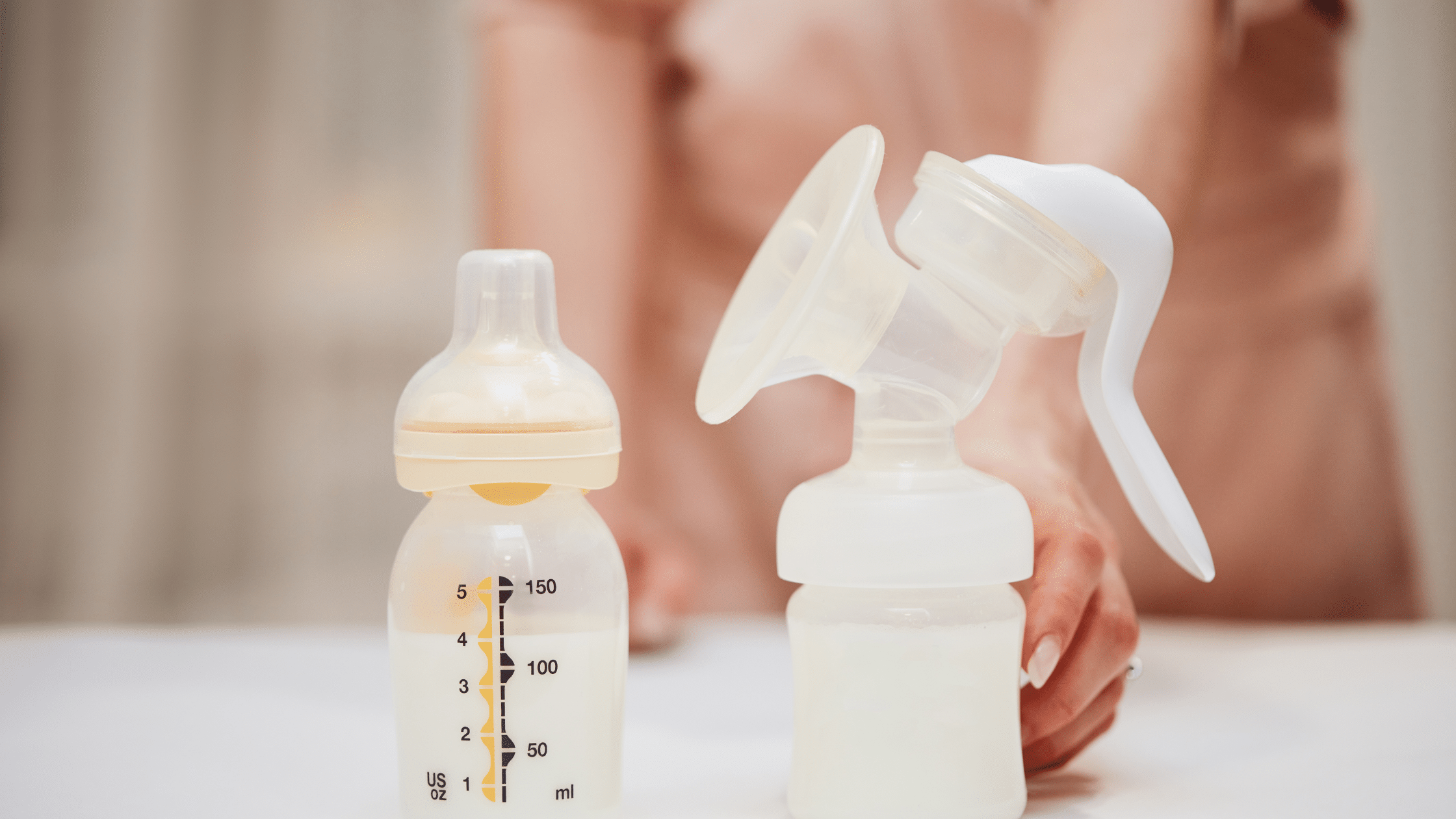
Mucinex is generally used to alleviate congestion, but it may impact milk supply for some breastfeeding mothers.
It’s essential to consult a healthcare provider to understand how it could affect you personally. During this time, focus on staying hydrated and maintaining a balanced diet to support your overall well-being.
Which drugs cause the supply of milk to decrease?
Certain medications, like pseudoephedrine (found in some decongestants), hormonal birth control, and certain diuretics, may reduce milk supply in breastfeeding mothers.
Always talk to your healthcare provider before starting or stopping any medication. They can help you find safe options supporting your health and breastfeeding journey.
What kind of decongestant dries out breast milk?

Pseudoephedrine, a common ingredient in many decongestants, may reduce breast milk supply. It’s essential to consult with your healthcare provider before using it while breastfeeding.
They can help you find alternatives that won’t affect your milk production and support your well-being.
Which mucus reliever is suitable for nursing infants?
- Saline nasal drops or sprays are gentle and safe for nursing infants. They can help alleviate congestion without any risk to the milk supply.
- Steam inhalation is another effective method. It naturally relieves mucus buildup and congestion in a non-invasive way.
- Breastfeeding mothers should always consult their healthcare provider before using any medication to ensure it is safe for both mother and baby.
Conclusion
In conclusion, when taken as directed, Mucinex is generally considered safe for breastfeeding mothers. However, consulting with a healthcare provider before using any medication while nursing is essential.
Expert opinions from lactation consultants and healthcare professionals can provide valuable guidance.
If you’re looking for safe alternatives to Mucinex, natural remedies, saline nasal sprays, steam inhalation, and some over-the-counter options can help alleviate cold and flu symptoms without affecting your breast milk supply.
Making informed choices and seeking professional advice are crucial to ensuring your and your baby’s health and well-being.
We encourage you to share this information with your breastfeeding support groups and seek advice from healthcare professionals before using any medication.
Remember, your and your baby’s health are paramount, and you have resources available to help you make the best choices.
By staying informed and proactive, you can manage your health while providing the best care for your baby. Thank you for reading, and we wish you good health and happy breastfeeding!