


Uric acid buildup is a condition that occurs when your body produces too much uric acid or fails to make enough uric acid to excrete it properly.
When this happens, uric acid crystals can form in your joints, leading to unbearable pain and inflammation. Recognizing and understanding the symptoms of uric acid buildup is the first step in managing this condition.
In this post, we’ll look in-depth at the most common symptoms of uric acid buildup and how to get relief.
Joint Pain
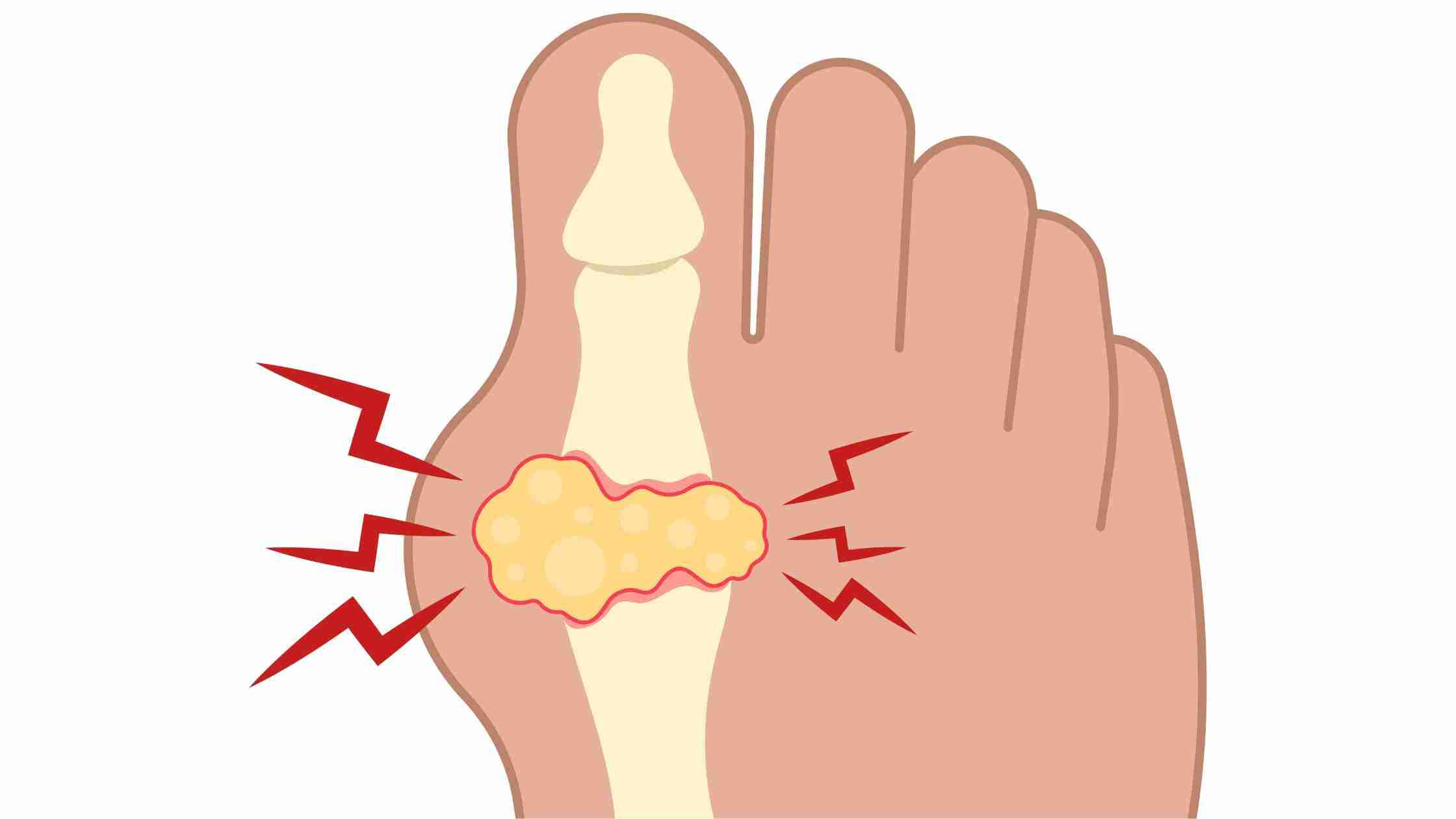
One of the most prominent symptoms of uric acid buildup is excruciating joint pain. When uric acid crystals develop in your joints, the inflammation can cause severe pain.
Gout attacks usually begin in the big toe but can affect other joints like the knees, fingers, and elbows. The ache is often sudden and can last for days. Moreover, the affected joint may become red and swollen, making moving difficult.
Swelling and Redness

Another symptom of uric acid buildup is swelling and redness. Swelling occurs when the affected joint becomes inflamed due to the buildup of uric acid crystals.
You may notice that your joint appears more prominent than usual and may feel hot. Redness is also a significant symptom of uric acid buildup in the affected joint.
Limited Range of Motion
Uric acid buildup can also lead to a limited range of motion. Moving your affected joint can be extremely painful if you’re experiencing joint pain and inflammation.
Eventually, this can cause a reduced range of motion, making it challenging to move your joints properly.
Bumps on the skin
Bumps on the skin are another telltale symptom of uric acid buildup. These bumps, known as tophi, appear under the skin around joints.
They can be small or large and feel filled with fluid. If left untreated, the tophi can become disfiguring and lead to severe joint damage.
Fatigue

Fatigue is another symptom of uric acid buildup. You can feel exhausted and lethargic when your joints are inflamed and painful.
Moreover, if you’re not getting enough quality sleep due to the constant joint pain, it can leave you feeling run down and exhausted.
How can I determine whether my uric acid level is elevated?
Here’s a simple guide to understand if your uric acid level might be high:
- Get a blood test: Your healthcare provider can order a simple blood test to check your uric acid levels.
- Look for symptoms: High uric acid can cause gout, which often presents as sudden, severe pain, redness, and swelling in joints, particularly at the base of the big toe.
- Consider your diet: If you consume many foods rich in purines, like red meat, seafood, and alcohol, you may be at risk.
Remember, everyone’s body is unique. So, if you’re concerned, contact a health professional who can provide personalized advice. You’ve got this!
What is the primary etiology of uric acid?
Have you ever wondered where uric acid comes from in your body? It’s a byproduct of purine metabolism. Purines are substances naturally found in our bodies and certain foods, like red meats, seafood, and alcoholic beverages.
Our bodies break down the purines and produce uric acid when we consume these foods. Usually, our kidneys do a great job of getting rid of excess uric- acid in your blood through urine. However, if your body produces too much uric acid or your kidneys can’t remove enough, you can have high uric acid levels.
Remember, every person’s body is unique. What works for one person might not work for another. If you’re concerned about uric acid levels, contact a healthcare provider. They can help you understand your levels and guide you toward a healthier diet and lifestyle.
Listen to what our community member, Sarah, shared: “Once I understood my low uric acid levels and tweaked my diet slightly, I felt a significant improvement in my overall well-being.”
So, are you ready to take charge of your health? Start today! It’s always possible to make positive changes for your health. You’ve got this!
What are some methods for decreasing uric acid levels in the body?
Are your low uric acid symptoms? Have you been looking for ways to decrease uric acid levels in your body? You’re not alone. It’s a common concern, and the good news is there are several ways to manage it.
- Stay Hydrated: Drinking lots of water helps flush out toxins, including uric acid, from your body.
- Limit Purine-Rich Foods: Foods high in purines, like red meats, seafood, and alcohol, can raise uric acid levels. Try to limit these in your diet.
- Eat More Low-Purine Foods: Fruits, vegetables, whole grains, and low-fat dairy products can help lower uric acid levels.
- Exercise Regularly: Regular physical activity can help maintain a healthy weight and lower uric acid levels.
- Avoid Sugary Drinks and Fructose: High fructose corn syrup in some sodas can increase uric acid.
Levels of uric acid: Symptoms and associated conditions
Elevated levels of uric acid in the body, also known as hyperuricemia, can lead to several serious health problems and conditions. The most common one is gout, a type of arthritis that causes sudden and severe pain, often in the big toe. Other symptoms of hyperuricemia can include joint pain or soreness, red skin around a joint, and severe pain along your spine.
High uric acid or high uric acid levels can also be associated with kidney stones. Symptoms for this could include pain in either side of the back, frequent urination, cloudy urine or urine containing blood, and unusual smells.
However, it’s important to note that many people with high or low uric acid levels don’t have symptoms of these conditions. That’s why regular check-ups and maintaining a healthy lifestyle are crucial.
Remember, everyone’s body is unique. So, if you’re concerned about uric acid levels, contact a healthcare provider who can offer personalized advice. Your journey to better health starts here. You’ve got this!
Sources:
Causes, Symptoms, Diagnosis, and Treatment of Uric Acid

Are you facing issues related to elevated uric acid levels? You’re not alone. Let’s understand the causes, symptoms, diagnosis, and treatment of uric acid concerns.
Causes
Uric acid is a natural byproduct of purine metabolism. Purines are substances in our bodies, and we consume certain foods, like red meats, seafood, and alcoholic beverages. If your body produces too much uric acid or your kidneys aren’t efficient in removing it, you could have high uric acid levels, also known as hyperuricemia.
Symptoms
Not everyone with high uric acid levels experiences symptoms of chronic kidney disease. However, when symptoms do appear, they can include severe pain in joints (often the big toe), red skin around a joint, and kidney stones.
Diagnosis
How do you know if you have high uric acid levels? Blood tests are the most common method for a uric acid test diagnosing hyperuricemia. A healthcare provider might also recommend a urine test to measure the amount of uric acid being passed out of your body.
Treatment
Treatment primarily involves lifestyle changes. This includes staying hydrated, limiting purine-rich foods, exercising regularly, and avoiding sugary drinks and fructose. In some cases, medication may be prescribed by a healthcare provider.
Uric acid-avoidable foods

Did you know your diet can significantly influence uric acid levels? It’s true! As part of a holistic approach to your health and wellness, it’s essential to understand which foods can contribute to increased uric acid levels.
So, which foods should you avoid to maintain healthy uric acid levels?
- Red Meat: Are you a fan of steak and burgers? Unfortunately, red meats are high in purines, which your body converts into uric acid.
- Seafood: Prawns, lobsters, and other shellfish are also high in purines. Fancy a healthier alternative? Why not incorporate more omega-3-rich fish like salmon or mackerel into your diet?
- Beer and Sugary Drinks: Did you know these beverages can increase uric acid levels? Instead, why not hydrate with water, herbal teas, or fresh fruit juices?
- Organ Meats: Foods such as liver, kidneys, and sweetbreads are incredibly high in purines, increasing uric acid levels.
- Processed Foods: Unfortunately, processed foods and refined carbohydrates can spike uric acid levels. Opt for whole grains and fresh fruits and vegetables instead.
Conclusion:

Uric acid buildup is a painful and distressing condition that requires treatment. However, recognizing the symptoms of uric acid buildup is the first step towards getting relief.
If you experience any of the symptoms mentioned above, it’s essential to consult a doctor immediately. Remember, with timely treatment, a healthy lifestyle, and proper medical care, you can manage uric acid buildup and keep your joints pain-free.
Don’t let this condition take over your life. Take control of kidney disease today and get the treatment you need to lead a healthy and active life.