

You’re sitting down after a long day, finally sinking into the quiet of the evening, and out of nowhere, it strikes you—quesadillas. You can almost taste it. The golden, toasted tortilla is crisp yet pliable and gives way to melty, gooey cheese that stretches with each bite.
Maybe it’s simple with just cheese, or you’re dreaming of a quesadilla loaded with chicken, peppers, and a dollop of sour cream. It’s comforting. It’s indulgent. And right now, it feels irresistible. But here’s the big question—why? Why is your mind (and stomach) shouting “quesadillas” with such enthusiasm?
Cravings like these might seem random, but they’re anything but. Whether your body whispers that it needs nutrients, your emotions cry out for comfort, or your memories pull you toward the flavors of home, cravings hold secrets worth unraveling.
They’re fascinating when you pause to think about them—clues that connect to your physical, emotional, and even cultural needs.
This post isn’t just about answering why you’re craving quesadillas. It’s about turning that craving into a doorway for self-discovery.
Together, we’ll explore nine compelling reasons behind your quesadilla cravings, using the lens of mindful journaling inspired by the Eating Enlightenment philosophy.
Reflecting on these insights will satisfy your appetite and help you better understand your body and mind—your recipe for balance and fulfillment.
9 Reasons for Craving Quesadillas

Reason #1: Low Blood Sugar Levels
Ever feel sluggish and desperate for something warm and satisfying? It could be your blood sugar calling for backup. With their energy-boosting combination of carbs from the tortilla and fats from the cheese, Quesadillas offers a quick way to stabilize those sugar dips. When your body senses running low on fuel, it seeks comfort foods like quesadillas because they’re easy to digest and pack a calorie-dense punch.
Try asking yourself, “When I crave quesadillas, am I feeling sluggish or light-headed? What have I eaten today that could be causing a dip in energy?” Journaling this can help you identify patterns like skipping meals or reaching for high-sugar snacks earlier in the day, which may set you up for cravings later.
Reason #2: Protein Deficiency
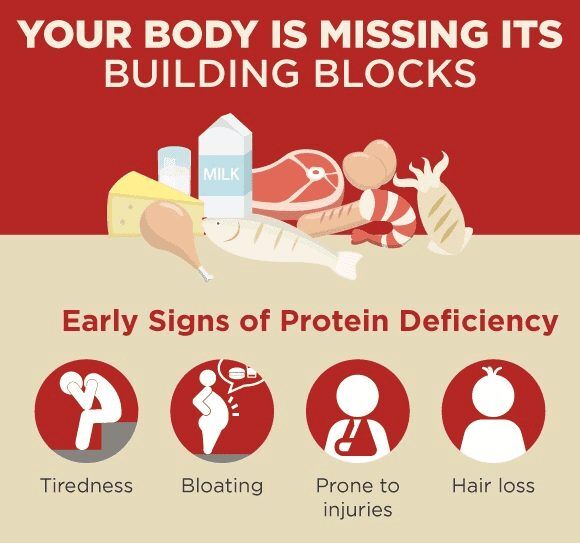
Does your quesadilla fantasy involve chicken, beef, or beans? That might signal your body’s calling for protein—an essential building block for muscle repair, energy, and basic functioning. Protein helps keep you full and focused, so if your diet’s been short, you might turn to a quesadilla instinctively, knowing it’ll deliver.
Take a moment to reflect on this journaling prompt: “Have I had enough protein today? How do I feel after eating a well-balanced, protein-rich meal?” If protein cravings are common, ensure meals include options like eggs, legumes, or lean meats to support your body’s needs.
Reason #3: Fat is Fuel for Your Brain
There’s a reason cheese is so magical. It’s rich in fat—a source of energy your brain thrives on. Avocado and sour cream, quesadilla-friendly ingredients, are other fatty foods that bring incredible satisfaction. When your diet is low in healthy fats, your brain might start nudging you toward foods where it knows it can find them. The craving isn’t random; it’s biological.
In your journal, ask yourself, “What kinds of fats do I include in my diet? Are they nourishing or processed?” Tuning into your fat intake might reveal whether your body is truly hungry or just seeking simple, easy-to-digest calories.
Reason #4: Comfort and Nostalgia

Does that craving come with a side of warm feelings and quiet moments from your past? Maybe quesadillas remind you of a favorite family recipe or comfort food from your childhood. Or, they might be tied to a specific memory, like sneaking late-night snacks in college with friends. These foods powerfully connect us to emotions and soothing moments.
Use this prompt to explore more deeply, “Does this craving remind me of specific moments or feelings from my past? How do these memories make me feel?” Sometimes, it’s not about the food itself—it’s about the need for comfort and knowing that lets you find other ways to nurture those feelings.
Reason #5: Cultural Connection
If quesadillas are part of your cultural heritage, this one might hit close to home. Food is deeply tied to identity, and craving something like a quesadilla could reflect a yearning for tradition or cultural comfort, especially if you’re missing a sense of connection to your roots. It’s more than a snack; it’s a piece of history on your plate.
Ask yourself, “How does food connect me to my identity or culture? What emotions come up when I eat something significant to my heritage?” This isn’t just a craving—it’s communication, guiding you back to the moments that make you feel grounded and whole.
Reason #6: Stress and Emotional Eating
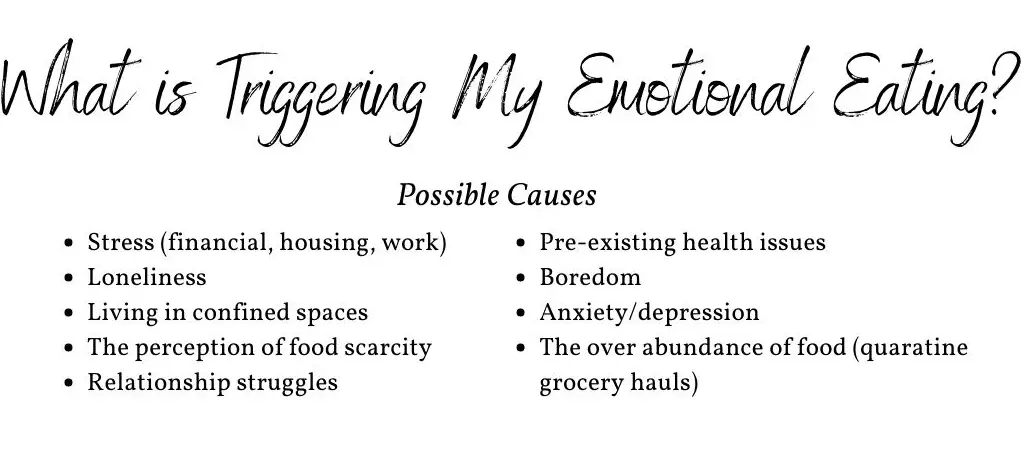
Some days, life piles on—the emails, the errands, the juggling act. When stress peaks, your brain might seek an escape in something indulgent and familiar, like quesadillas. Their warmth, gooeyness, and comforting weight temporarily create an irresistible calm.
Consider this journaling question during those moments, “What’s happening in my life right now that might be causing this craving? What emotions am I trying to soothe with food?” Recognizing the emotion beneath the craving gives you the power to decide how to meet that need.
Reason #7: Habitual Triggers
Maybe Friday nights always meant quesadillas when you watched your favorite sitcom growing up. Or perhaps quesadillas were your go-to comfort food when studying for finals. They may not be connected to hunger but to a specific routine or environment, almost like muscle memory triggering the thought of that cheese pull.
Jot down some thoughts on this, “What’s going on around me when I crave quesadillas? Do certain environments or habits trigger this craving?” This mindful reflection helps separate physical needs from conditioned responses.
Reason #8: Nutrient Deficiency

Cheese, beyond its melt-worthiness, is a rich source of calcium—a nutrient your body needs for strong bones, muscle function, and hormone regulation. If your diet lacks nutrients, your body might use cravings to get your attention.
Ask yourself, “Am I consistently getting enough nutrients in my diet? When was the last time I had a balanced, colorful meal?” Paying attention to dietary gaps can help you rebalance and give your body what it’s missing.
Reason #9: The “Forbidden” Effect of Dieting
Sometimes, we crave what we tell ourselves we can’t have. If you’ve been avoiding foods you love, like quesadillas, your cravings may grow more potent as a natural rebellion against restriction. It’s not a lack of willpower—it’s human psychology. Labeling a food as “forbidden” only intensifies its appeal.
Think about this in your journal, “Am I labeling certain foods as bad or forbidden? How does restriction influence my desire for these foods?” Practicing self-compassion and inviting all foods onto your plate can help neutralize these intense cravings.
What If Cravings Are a Sign of Something Deeper?

Cravings often feel like small indulgences, but what if they were clues to something more significant? Sometimes, they’re signals of physical hunger or stress, but they can also reveal a more profound emotional relationship with food.
For some, cravings can flag being stuck in the binge-diet cycle—a loop of restriction, intense cravings, bingeing, guilt, and more restrictions. This cycle not only drains you physically but also magnifies feelings of shame and disconnect from your body’s natural signals.
Breaking the Cycle with Eating Enlightenment
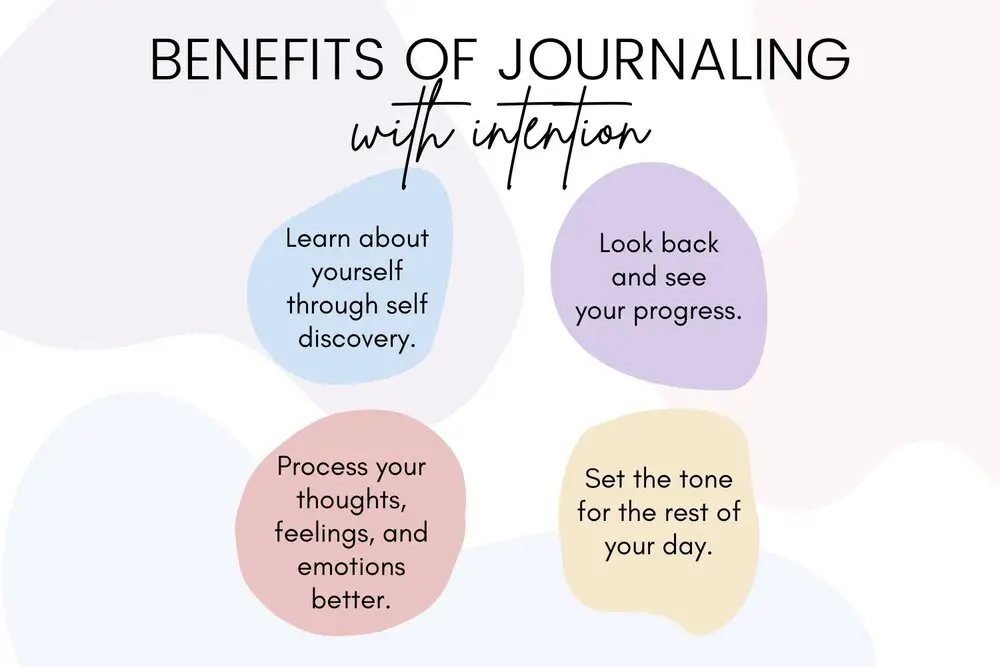
The Eating Enlightenment approach transforms how you respond to cravings using mindful and compassionate practices:
- Nutritional Journaling to Nourish
Cravings often intensify when your body is underfed or missing key nutrients. By tracking when and what you eat, nutritional journaling helps you identify gaps in your diet that might be driving cravings. For example, skipping meals out of busyness could leave your body desperate for carbs (hello, quesadilla craving!). Feeding yourself regularly and with balance sets the foundation for emotional and physical well-being. - Mindful Journaling to Understand Triggers
Beyond hunger, cravings can arise from emotions or habits. Mindful journaling lets you track how stressors or memories might influence your desire for certain foods. Maybe a quesadilla brings comfort when you’re lonely or serves as a break during chaotic days. Identifying these patterns empowers you to address the emotions—and make intentional decisions—not just react to food impulses. - Healing Trauma With Journaling
Sometimes, cravings represent deeper wounds—unmet needs, past pain, or emotional voids. By journaling about these inner experiences, you uncover what your body tells you. A craving for warmth and cheese? Maybe it’s rooted in a memory of safety during tough times. These reflections allow you to nurture those unmet needs and shift your relationship with food from reactive to healing.
Compassion Wins Every Time
The key to breaking patterns isn’t judgment but compassion. Cravings aren’t weaknesses—they’re messages from your body and mind.
“Cravings aren’t failures or flaws—they’re messages from your body and mind. Listening to and understanding these cravings is the first step toward healing, not fixing.” Instead of self-criticism, pause to ask yourself what story your craving is telling and learn it with kindness. This mindset transforms cravings from struggles into stepping stones for growth.
Actionable Tips for Managing Your Quesadilla Cravings
- Balance It Out: Create a healthier quesadilla with whole-grain tortillas and veggie-packed fillings.
- Pause and Reflect: Before indulging, write down what’s driving the craving. Is it hunger, stress, or nostalgia?
- Try Alternatives:
- Low-carb cheese crisps for a crunch.
- A nourishing veggie quesadilla bowl.
- Take the Craving Head-On:
- “Sometimes, the best way to move forward is to create the quesadilla and truly enjoy it. Be mindful. Pause between bites. Honor the craving without guilt.”
- Eating Enlightenment Journaling Exercise:
- How did I feel eating the quesadilla?
- Did it satisfy me physically? Emotionally?
- What could I do differently next time to honor my body and needs more fully?
Final Thoughts:

Cravings, like your sudden yearning for quesadillas, are rarely as simple as they seem. Throughout this post, we’ve uncovered the fascinating tapestry of reasons that could fuel your desire for this cheesy, comforting dish—whether it’s a dip in blood sugar, the need for protein, nostalgic memories, or even cultural connections.
What’s clear is that these cravings carry a wealth of information about your body, emotions, and life experiences.
If anything here resonated with you, why not take the next step in understanding your cravings on a deeper level? The free [Eating Enlightenment Journal App] is designed to help you decode the messages behind your hunger and cravings.
The app can help you achieve greater self-awareness and balance by tracking what you eat and when, as well as exploring your feelings and habits.
Imagine having the tools to recognize when your body needs nourishment and when your heart is asking for comfort and making choices that honor both with kindness and care.
Your quesadilla craving is more than cheese and tortillas—an invitation to listen and nurture yourself. You can unlock the wisdom behind every craving by leaning into curiosity instead of shame. And that’s a gift worth savoring.
Download the Eating Enlightenment Journal App today and transform your cravings into a powerful pathway for self-discovery and well-being.