

Have you been craving kidney beans lately and wondering why? It might seem like an odd fixation, but your body could hint at something more profound.
Cravings aren’t just random—they’re sometimes subtle signals pointing to nutritional needs, lifestyle patterns, or even emotions you might not yet recognize.
When you stop to explore these cravings with curiosity, they become an opportunity to understand yourself better.
At Eating Enlightenment, each craving is a chance to tune in, reflect, and uncover what’s happening within your body and mind.
You’re about to find out whether your kidney bean obsession is tied to nutrients like iron or fiber or perhaps rooted in comfort and nostalgia.
Please stick with me as we uncover six surprising reasons behind your kidney bean craving and practical, compassionate ways to respond. It’s time to listen to what your body is saying—you might be surprised by the insights waiting for you.
Reason #1: A Nutritional Deficiency
Craving kidney beans might be your body’s way of pointing out a need for specific nutrients. Kidney beans are incredibly rich in potassium, magnesium, and folate—essential for regulating blood pressure, supporting muscle function, and aiding cell growth. For instance, if you’re running low on potassium or magnesium, you might notice fatigue, muscle cramps, or even mood dips, which could drive this craving. Folate, commonly lacking in specific dietary patterns, is essential for DNA repair and mental health, often heightened in need during pregnancy.
A great way to explore this possibility is to journal about your meals and how you feel physically. Ask yourself, “What nutrient-dense foods have I consumed this week?” or “Do I feel better after eating foods like beans?” Reflecting on these questions may uncover whether your diet lacks variety or critical nutrients that kidney beans can help replenish.
Reason #2: Protein Needs
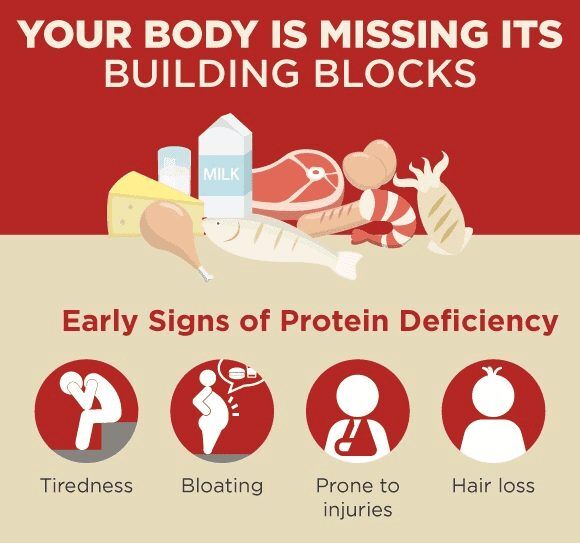
Protein cravings aren’t exclusive to steak and eggs—you might be drawn to kidney beans as a plant-based solution if your body needs more of this critical macronutrient. Beans supply amino acids vital for muscle repair, immune system strength, and cell health. This craving can be especially prominent among vegetarians or people transitioning to plant-focused diets who might not yet have balanced their protein intake. Kidney beans provide a robust, accessible, and sustainable protein option.
Start by tracking your meals and asking, “Are my meals balanced with protein, fats, and carbs lately?” or “Do I feel satiated after eating, or am I quickly hungry again?” Understanding patterns in your meals—and identifying gaps—can give you clarity. Practical adjustments, like adding kidney beans to a salad or soup, can keep your energy consistent without extensive meal planning.
Reason #3: Blood Sugar Balance and Fiber
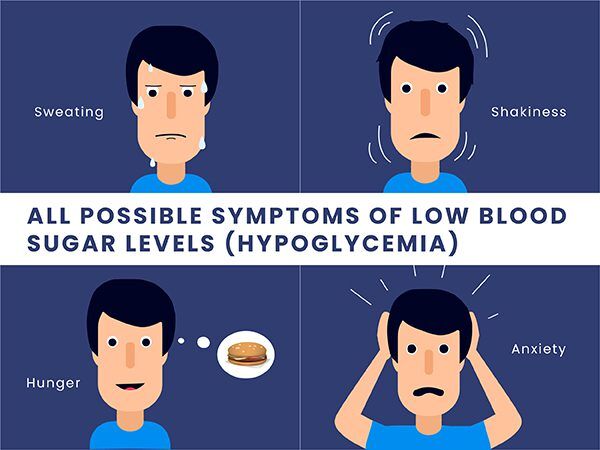
Cravings often arise from imbalances, and kidney beans are packed with complex carbs and fiber to help stabilize blood sugar levels. If your recent meals have relied heavily on fast-digesting carbs like pastries, white bread, or sugary snacks, your body may seek something slower to digest, like fiber-rich kidney beans, to even out glucose spikes and crashes.
Mindfulness can be enlightening here. Use a journal to reflect on questions like “Have I included high-fiber foods this week?” or “How do I feel energy-wise after my meals?” You might start noticing patterns—for example, whether consuming kidney beans helps with afternoon energy dips. Including more high-fiber staples like beans in your story can curb cravings for processed alternatives over time.
Reason #4: Comfort and Familiarity
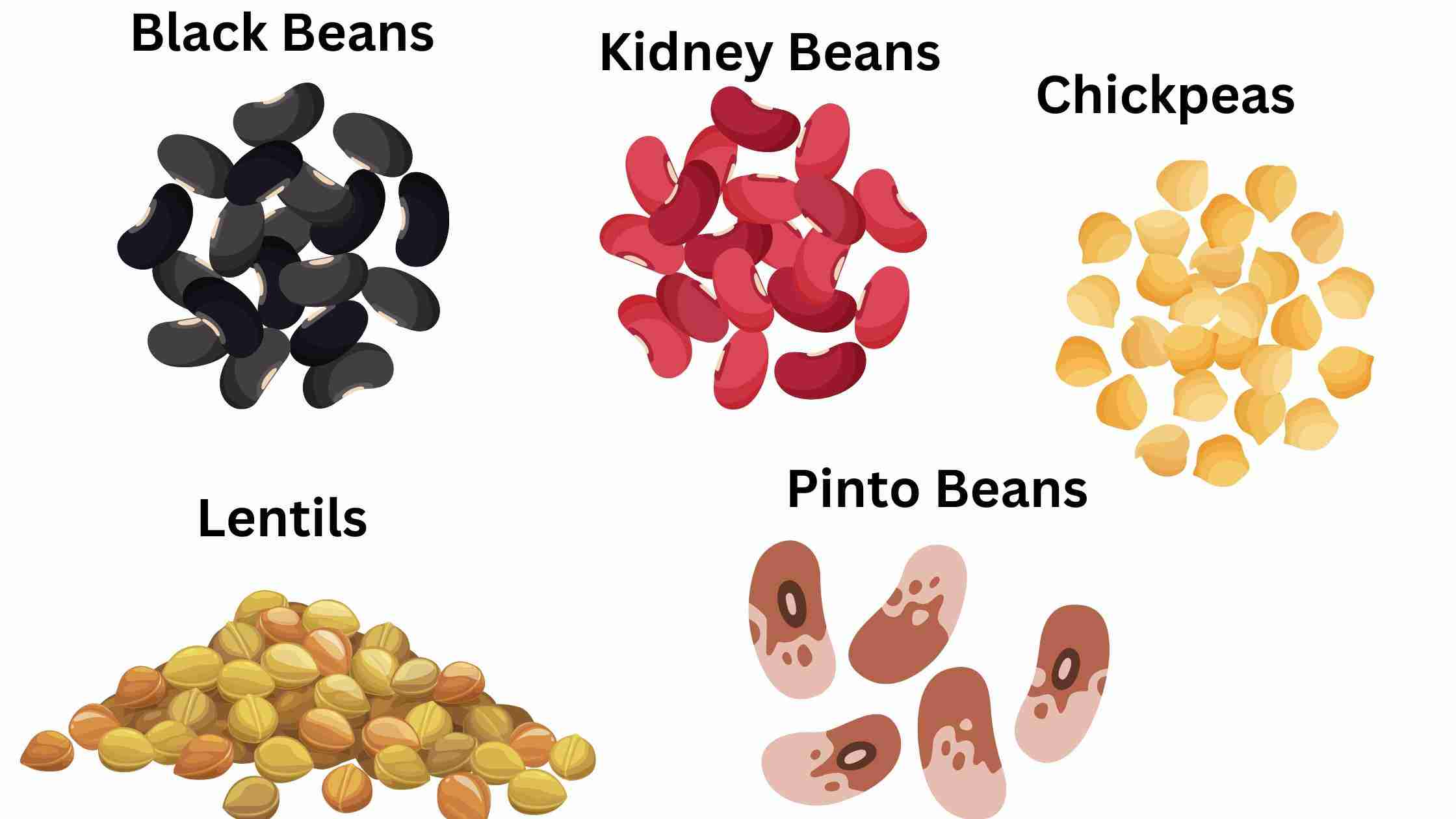
Cravings often go beyond physical needs to meet emotional ones. Kidney beans may remind you of a family recipe, a hearty homemade dish, or a comforting childhood memory. Food has the remarkable ability to connect us to feelings of warmth and safety, explaining why such cravings might rise during life’s stressful or uncertain moments.
Exploring this emotional link can be as simple as asking yourself, “Do kidney beans remind me of a specific time or memory?” or “Am I feeling stressed, and could this craving be connected to that?” Emotional eating isn’t something to feel shame over—it’s human. The Eating Enlightenment approach invites you to reflect with self-compassion and discover ways to honor your emotions while still meeting your needs.
Reason #5: Gut Health and Microbiome Desires
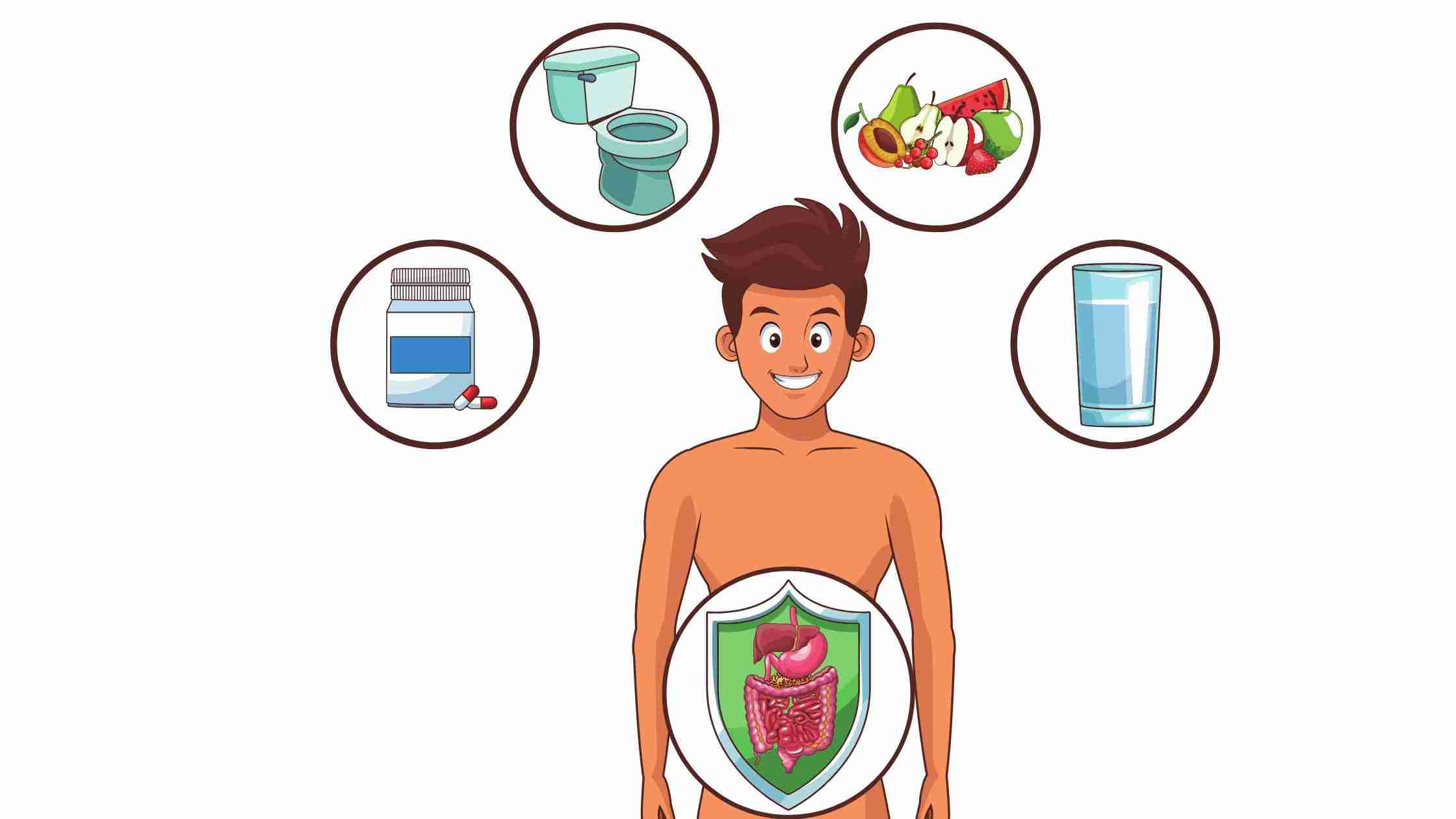
Your gut bacteria can influence what foods you crave, and kidney beans’ prebiotic fiber makes them especially appealing to your microbiome. If your gut health is imbalanced—perhaps due to recent antibiotics, high stress, or a diet lacking diversity—you might crave foods that support beneficial gut bacteria. This could explain why beans, with their prebiotic powers, are whispering to you repeatedly.
Take a reflective pause to consider how your digestion feels. Questions like “Do I notice bloating or discomfort after certain meals?” or “How often have I focused on gut-healthy foods recently?” can help identify gaps. Experiment by slowly introducing more fiber-rich options like beans, and listen to how your body reacts.
Reason #6: Hormonal Influence

Hormonal cycles, whether influenced by menstruation, pregnancy, or stress, often shift our body’s cravings toward nutrient-rich foods. Kidney beans, a fantastic source of magnesium, could be particularly appealing during these times. Magnesium plays a key role in combating PMS symptoms and managing cortisol levels during stress, helping regulate mood and energy levels throughout these cycles.
If this resonates, try a mindful exercise where you track when these cravings arise. Ask yourself, “What’s been happening recently with my body or stress levels that could heighten certain needs?” Drawing this connection allows you to align your self-care practices—like incorporating magnesium-rich meals or calming activities—more effectively.
By learning from your kidney bean cravings, you gain more than just nutritional insight—you deepen your relationship with your body and its inner rhythms. Journaling and observing your patterns encourage you to listen instead of fighting these cravings. With curiosity, self-compassion, and practical approaches like the Eating Enlightenment philosophy, those “bean days” can lead to a fuller understanding of what balances and nourishes you most.
10 Fun Facts About Cravings for Kidney Beans

- Nutrient Powerhouse – Kidney beans are loaded with magnesium and potassium, essential nutrients your body loves to crave.
- Protein Boost – They’re a top plant-based protein choice, often calling to vegetarians needing a protein punch.
- Fiber Magnet – High fiber content makes them a top craving for stabilizing blood sugar.
- Gut Health Hero – Full of prebiotic fiber, they feed the good bacteria in your gut.
- Comfort Food Callback – Cravings may stem from nostalgic recipes, like hearty family chilis.
- Micronutrient Signal – Low on folate? Your body might crave folate-rich kidney beans to compensate.
- Vegan Craving Star – Many plant-based eaters unconsciously crave them for amino acids.
- Hormonal Helper – Their magnesium can be a lifesaver during cycles of hormonal fluctuation.
- Tiny Yet Mighty – Small beans pack a big punch, satisfying hunger with long-lasting energy.
- Heart Lover – Their fiber helps lower LDL levels, making them a heart-healthy craving champion.
Cravings and Binge Eating Disorder (BED)
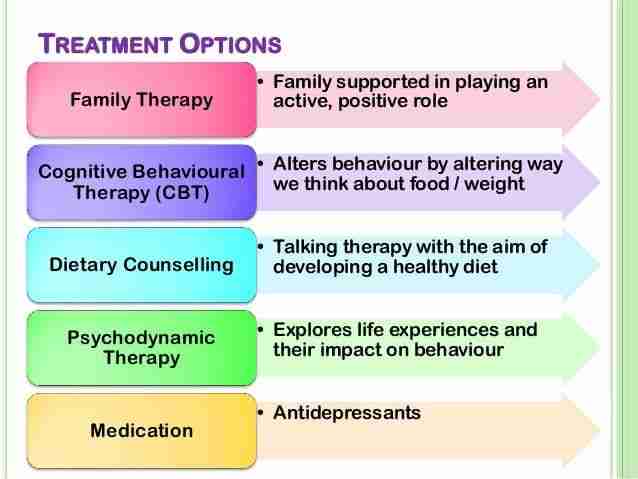
Cravings can often point to deeper issues, such as binge eating disorder (BED), a condition driven by the Binge-Diet Cycle of restriction, intense cravings, bingeing, and guilt.
This cycle begins with attempting to control food intake through strict diets, only for feelings of deprivation to fuel overpowering cravings, leading to a binge and the promise to “start over tomorrow.” This relentless loop highlights how cravings are often physical, emotional, or psychological cries for help.
The Eating Enlightenment approach

Step 1 – Build a Nutritional Foundation: Cravings often arise from undernourishment. Regular, balanced meals, with foods like kidney beans that stabilize blood sugar and provide essential nutrients, can satisfy physical hunger and ease persistent cravings.
Step 2 – Recognize Emotional Triggers: Mindful journaling helps uncover the emotional or mental cues linked to cravings. Noticing patterns—like stress or exhaustion—lets you address the root cause, whether it’s a need for rest, connection, or a healthier coping tool.
Step 3 – Heal with Inner Parts Journaling: Many cravings stem from internal conflicts, like a perfectionist voice demanding strict dieting versus an emotional soother turning to food for comfort. Journaling these inner “parts” fosters understanding, compassion, and healing.
When approached with curiosity, cravings can guide us toward better balance. By nourishing your body, reflecting on emotions, and reconciling inner conflicts, you transform cravings into opportunities for self-understanding and growth. Take the first step—your relationship with food deserves it.
Unlocking the Wisdom Behind Your Cravings

Craving kidney beans could be your body’s way of asking for vital nutrients like magnesium, fiber, or protein or reflecting deeper emotional or psychological needs.
These cravings are meaningful signals offering insights into your physical, mental, and emotional health. By listening to these cues with curiosity and compassion, you can support your well-being and align your dietary choices with your body’s needs.
To deepen this connection, try the free Eating Enlightenment Journal App. It’s a simple tool for tracking cravings, uncovering patterns, and making informed decisions about your diet.
Empower yourself to build a balanced and nourishing relationship with food—starting with understanding and honoring the wisdom behind even the simplest cravings.