
For anyone tangled in the exhausting grip of anorexia, the idea of recovery can feel both distant and confusing.
Maybe you’ve been told recovery is about reaching a “normal” weight. Maybe you’ve tried before — with meal plans, therapy, or sheer willpower — only to find yourself looping back into old patterns. Or maybe, deep down, you’re wondering if you’re one of the people who just won’t get better.
If this is you, you’re not alone. And this article isn’t here to give you shallow hope or simplified answers.
Instead, it’s here to gently explore the real question so many people carry in silence:
Can you fully recover from anorexia?
The answer is layered — like healing itself. But within those layers, there is real hope.
What the Research Says About Anorexia Prognosis

Let’s begin with science.
According to a longitudinal study published in The American Journal of Psychiatry, roughly 50–70% of individuals with anorexia nervosa reach full recovery over time (Eddy et al., 2017). However, “full recovery” is often defined by metrics like weight restoration, normalized eating patterns, and cessation of compensatory behaviors.
But you and I both know that healing is more than that.
Clinical data also shows:
- Recovery timelines vary dramatically — some heal within a few years, others take decades.
- Early intervention greatly improves outcomes.
- Co-occurring conditions like depression, anxiety, or OCD can affect prognosis.
The point? Recovery is possible. But it’s not one-size-fits-all.
And crucially — you are not a statistic.
Why Recovery Looks Different for Everyone
Imagine two people. Both diagnosed with anorexia. One grew up in a home that equated thinness with love. The other survived chronic chaos and found food restriction to be the one form of control.
They might share symptoms — but their paths toward healing will differ wildly.
Recovery isn’t just about changing behaviors. It’s about untangling the root causes — the fear, shame, numbness, or perfectionism driving the disorder.
This includes:
- Internal beliefs (“I’m only lovable if I’m disciplined”)
- Cultural messaging (thin = good, appetite = weakness)
- Nervous system patterns (shut down, freeze, or hypervigilance)
- Systemic factors (access to care, weight stigma, medical dismissal)
Some people recover by returning to intuitive eating. Others need structure for years. Some reconnect with their bodies through yoga or strength training. Others heal through community, spirituality, or trauma work.
There is no single roadmap. And that’s okay.
What Does “Full Recovery” Really Mean?

Here’s where we pause and get honest.
The term “full recovery” is complex. For some, it means:
- Eating freely, without fear or guilt
- Restoring healthy weight and labs
- Feeling emotionally at peace with food and body
- Resuming menstruation or hormone balance
For others, it might mean:
- Still hearing the eating disorder voice occasionally — but no longer obeying it
- Choosing nourishment over restriction, most of the time
- Living with more freedom, even if hard days still come
We often talk about recovery like a finish line. But really, it’s a practice of reconnection — with self, body, others.
In that sense, recovery is not a place you arrive. It’s a way you relate to yourself.
✨ If you’re curious about the deeper roots of your disordered eating — including nervous system patterns, cultural beliefs, and emotional wounds — explore our Enlighten Eats Course. It’s a compassionate roadmap through the many layers of recovery.
Why Do Some People Relapse? (And What Helps Prevent It)
Relapse doesn’t mean failure.
In fact, it’s common — especially when recovery has been rushed, surface-level, or disconnected from real emotional support.
Here are a few factors that can increase the risk of relapse:
- Unresolved trauma
- Isolation or lack of community
- Rigid recovery frameworks (i.e., “I must eat X amount to be okay”)
- High-stress transitions (college, jobs, relationships)
- Medical gaslighting or untrained providers
What helps prevent relapse?
- Ongoing support, including coaching, therapy, or support groups
- Body trust practices, such as intuitive movement
- Somatic awareness (listening to sensations of hunger, safety, grounding)
- Flexible eating tools that evolve with your growth
🌀 Our Mindful Meal App can help reintroduce rhythm and structure in gentle ways — especially if intuitive eating feels too far out of reach right now.
A Gentle Perspective on Healing: It’s Not Linear, But It’s Real
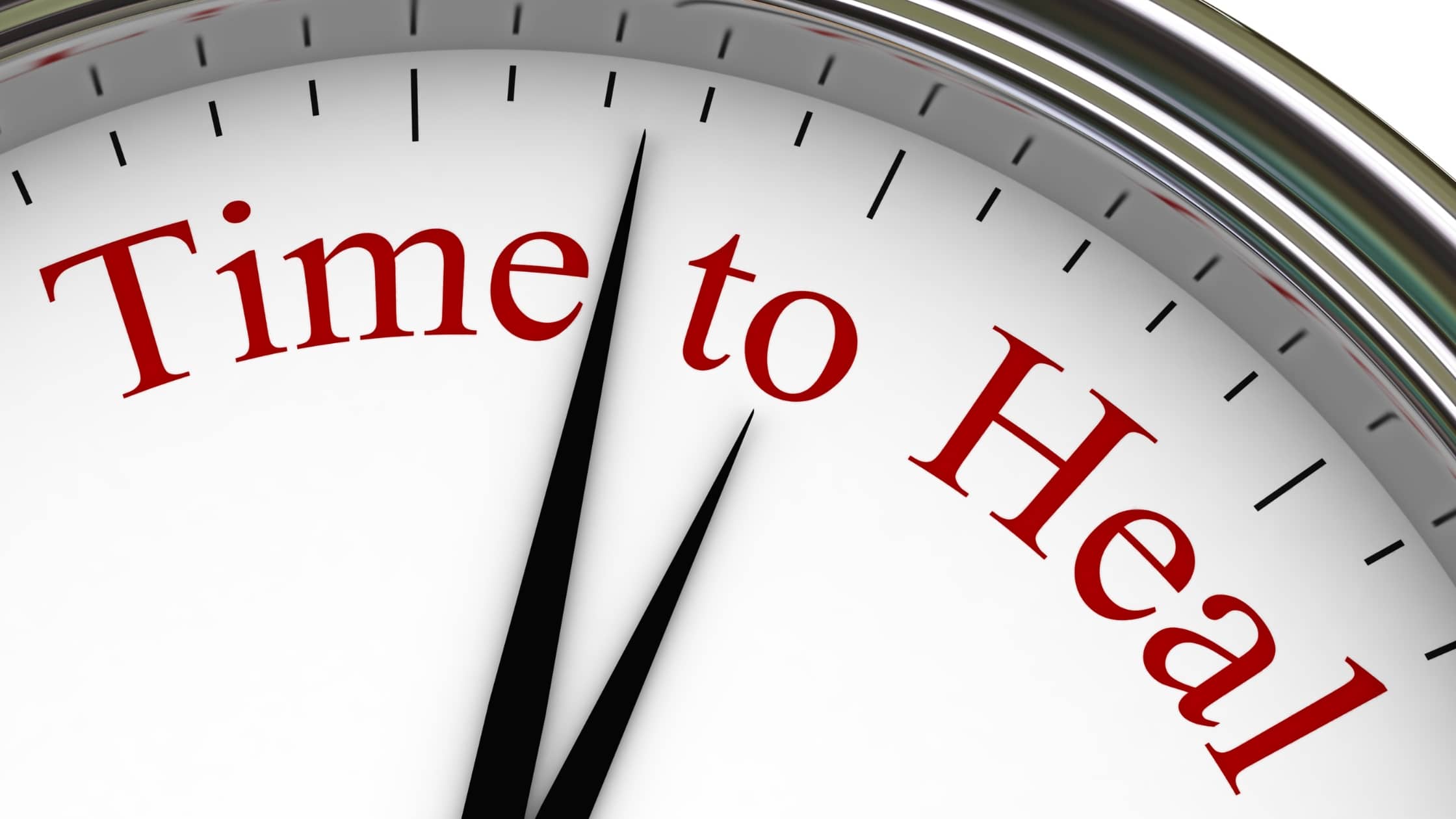
Maybe you’ve had a good month. Then suddenly, you find yourself skipping meals again. It’s tempting to feel like you’re “back at zero.”
But healing is rarely linear.
Think of recovery like this:
- The loop gets wider: You might circle back, but with more tools.
- The lows are less deep: You notice faster. You respond differently.
- The shame softens: You stop making struggle mean you’re broken.
The nervous system learns safety slowly. After years of fearing food, your body needs time — and gentleness — to trust nourishment again.
Healing isn’t about perfection. It’s about returning to yourself, again and again.
Real Stories, Real Recovery: You’re Not Alone
Here’s a glimpse from someone who walked this path:
“For the first two years, I counted everything. Even in recovery. But I kept showing up. I let my coach witness me. I learned to sit with hunger, with fullness, with grief. Now I eat pizza on Fridays with my partner and cry when I need to. That’s recovery to me.”
Maybe your story will be different. Maybe you’re still in the hard part.
But your story is still worth telling.
And your body — even if you feel disconnected from it — is still rooting for you.
Conclusion: Yes, Recovery Is Possible — And It’s Worth It
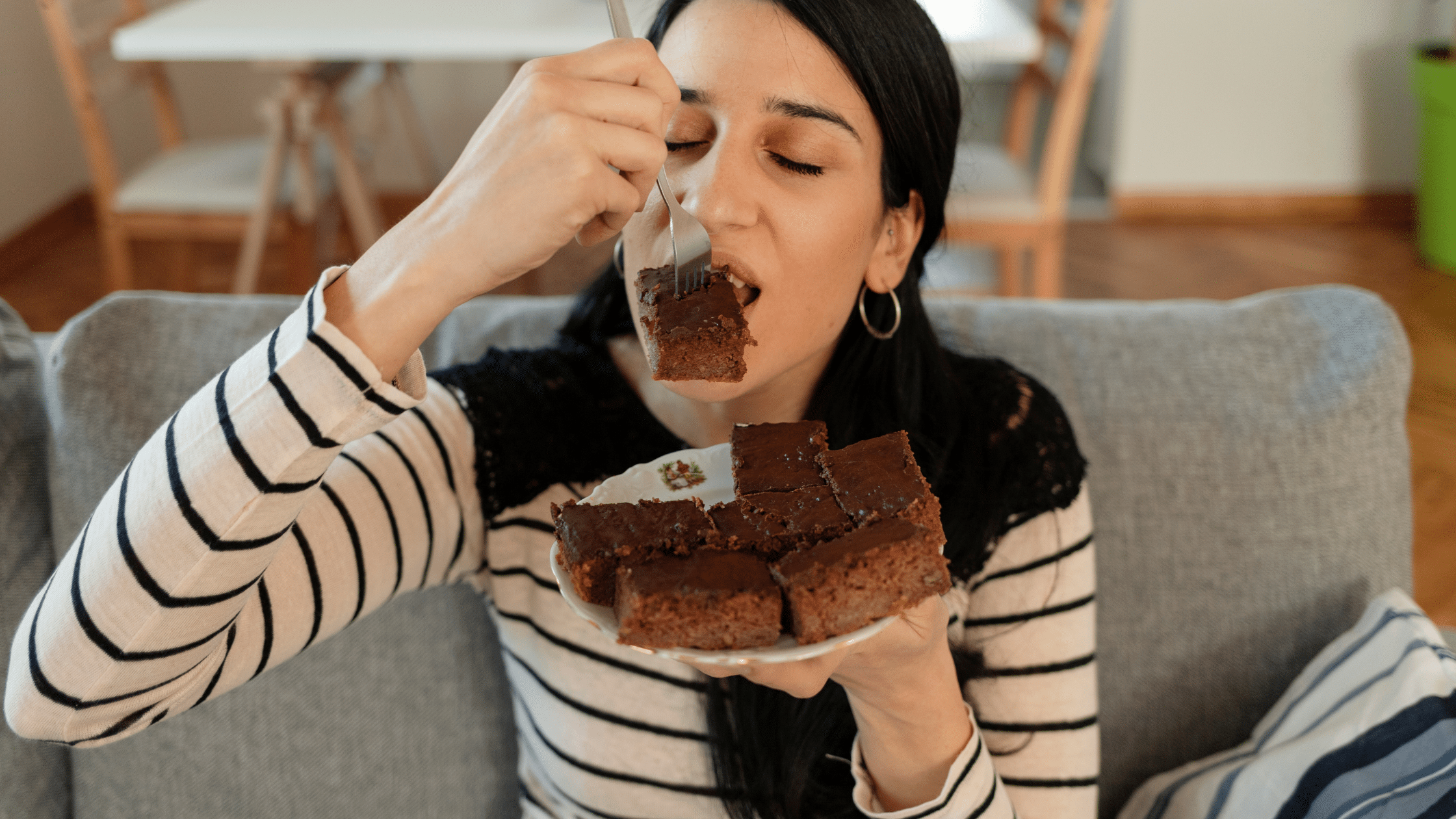
So, can you fully recover from anorexia?
Yes. Absolutely yes.
But it may not look how you imagined. And it may not happen on anyone else’s timeline.
Recovery is real — and so are the people who live it, breathe it, and still choose nourishment even when the voice says not to. You can be one of them.
There’s no shame in needing help. No shame in being scared. And no shame in starting again.
✨ If you’re not sure where to begin, our free quiz can offer a soft, insightful first step.
You are not broken. You are becoming.