


It often starts with a blur.
One second you’re standing in the kitchen. The next, wrappers surround you, and a heavy feeling sets in — not just in your stomach, but your heart.
If this sounds familiar, know this: You are not broken.
You’re overwhelmed. You’re human. And you’re seeking safety — through food, through habit, through anything that will quiet the chaos inside.
Mindfulness isn’t a magic cure. But it can offer a pause — a breath, a thread back to your body, a way to slowly interrupt the spiral.
In this article, we’ll explore mindfulness techniques for binge eating that are grounded in compassion, nervous system awareness, and gentle practices. These tools aren’t about control — they’re about connection.
1. Mindful Pausing: The Sacred Space Between Urge and Action

Mindfulness begins in the pause.
When an urge to binge rises, it often feels like a tidal wave — fast, overwhelming, automatic. But between the urge and the action, there’s a sliver of space. That space is where healing can begin.
Try this:
- Stop and place a hand on your belly
- Close your eyes, if you can
- Ask: “What’s happening in me right now?”
This isn’t about talking yourself out of the binge. It’s about meeting yourself inside the urge — not fixing, not judging, just noticing.
You might discover:
- Tension in your chest
- Sadness behind your eyes
- Loneliness wrapped in hunger
That awareness — even if fleeting — starts to shift your relationship with food from reactive to responsive.
Research note: Studies show mindfulness-based interventions reduce binge episodes and improve emotion regulation (Kristeller & Wolever, 2011).
2. Five-Sense Grounding Before You Eat
Sometimes we binge not because we’re hungry — but because we’re gone. Disconnected. Dissociated. A gentle way to come back?
Engage your five senses before a meal.
Before eating, pause and name:
- 1 thing you see
- 1 thing you hear
- 1 thing you feel (touch)
- 1 thing you smell
- 1 thing you taste (or anticipate tasting)
This simple ritual pulls you back into your body. It signals to your nervous system: “You are here. You are safe enough.”
When you’re in your body, food becomes less about escape — and more about nourishment.
3. The “Halfway Check-In” Practice
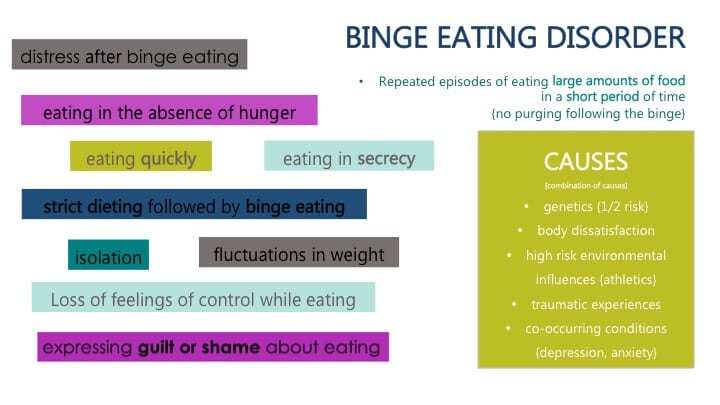
Mindfulness during a binge is possible — and healing.
Midway through eating, try a halfway check-in:
- Put your fork (or hand) down
- Take one full breath
- Ask: “Do I want to continue?”
There’s no right answer. Sometimes the answer is yes. Sometimes it’s no. But just asking — just checking in — builds self-trust.
You’re training your system to stay with yourself, even in moments of intensity.
This technique supports interoceptive awareness — your ability to sense internal cues — which is often disrupted in binge eating cycles.
4. Slowing Down: Chew, Sip, Breathe
Most binges happen at lightning speed.
The food disappears before your brain has even registered it.
Slowing down isn’t about discipline. It’s about reconnecting your mind to your body.
Try these mindful pacing strategies:
- Chew each bite 10–20 times
- Put your utensil down between bites
- Sip water between servings
- Take 3 deep breaths every few minutes
Over time, your digestive cues (fullness, satisfaction, desire) begin to reawaken — and you become less afraid of listening.
5. Naming the Emotion: “This Is Sadness, Not Hunger”
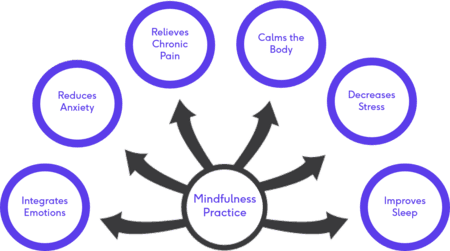
Mindfulness gives you the power to name what’s real.
Before a binge — or even during — pause and ask: “What emotion is this?”
You might discover:
- Grief
- Frustration
- Fear
- Boredom
- Shame
By naming the feeling, you create space between yourself and the compulsion. Emotions are visitors. When we name them, they soften.
Scientific insight: Emotional labeling reduces amygdala activity and supports prefrontal regulation (Lieberman et al., 2007). In plain terms? Naming your feelings calms your brain.
6. Post-Binge Mindfulness: Radical Kindness in the Aftermath
One of the most transformative practices? What you do after a binge.
Instead of shame spiraling:
- Find a quiet place
- Breathe with one hand on your heart
- Say aloud: “I was overwhelmed. That’s okay. I’m still worthy.”
Journal about the experience. Not to analyze — but to hold space.
Our Mindful Meal Journal App is designed exactly for this: nonjudgmental, insight-rich reflection that builds trust over time.
7. Co-Regulation: Mindfulness with Another Human Heart
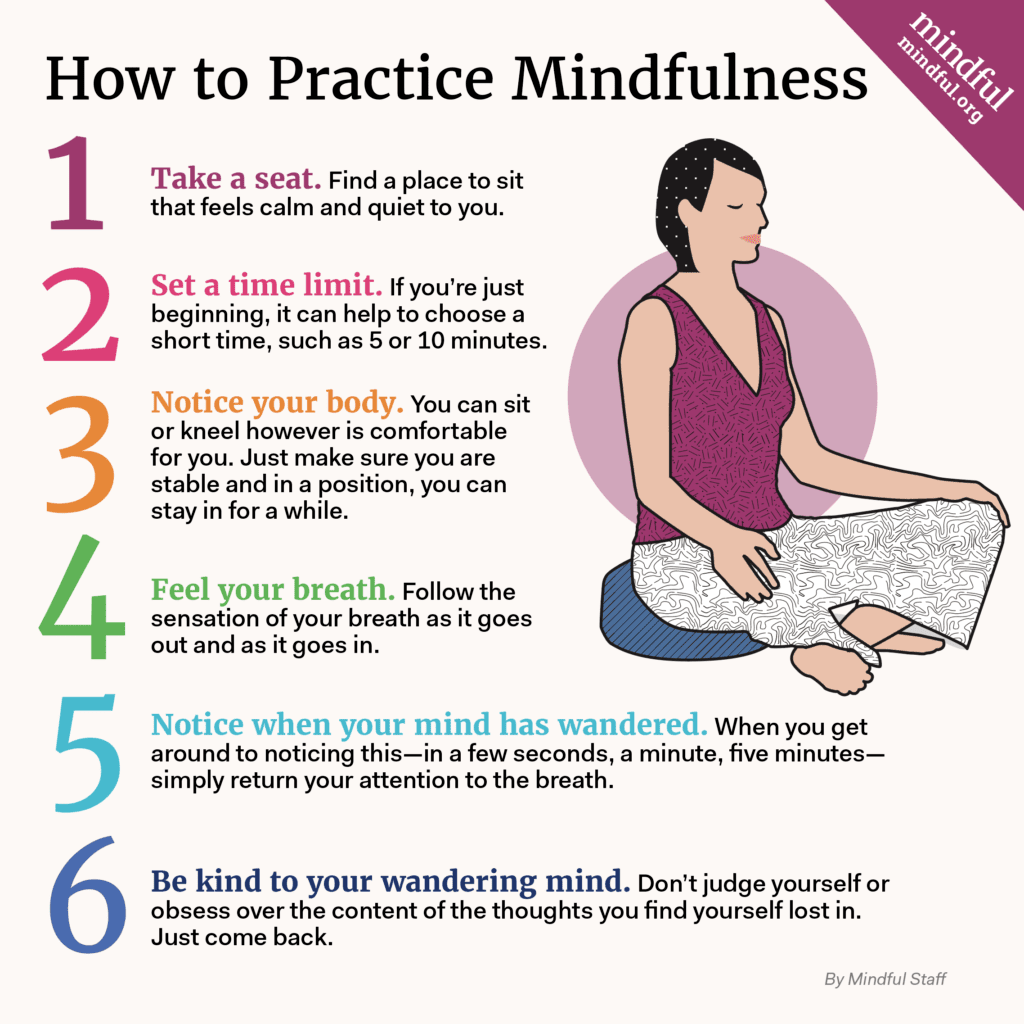
Mindfulness isn’t always solo. Sometimes, your nervous system needs another person to calm down.
This is called co-regulation.
Try:
- Calling a safe friend during a craving
- Eating meals with someone who doesn’t judge
- Attending a support group
- Scheduling a coaching session to process deeper emotional patterns
When someone else’s calm nervous system meets your distressed one, something shifts. You don’t have to hold it all alone.
Conclusion: Healing Through Awareness, Not Willpower

You don’t need more rules. You don’t need more punishment.
You need presence. Gentleness. A way back into your own body.
Mindfulness offers that.
Not to control you — but to connect you.
Not to suppress urges — but to soften the fear around them.
Whether you’re at the beginning of this journey or deep in the messy middle, let this truth land:
✨ You are not your binges. You are not broken. You are already healing — moment by moment, breath by breath. ✨
If you’d like more support:
- Take our free quiz for insight into your food story
- Use our Mindful Meal App to track patterns with compassion
- Explore the full Enlighten Eats Course to heal the roots, not just the symptoms
You’re not alone. We’re here — whenever you’re ready.