

Have you ever reached for the pretzels without thinking, savoring that salty crunch, and stopped to wonder—why? You’re not alone.
Cravings like this are usual, but what if they’re more than a random urge? Those pretzel cravings might be your body’s way of signaling something, whether it’s a need for sodium, a response to stress, or simply a habit tied to your routine.
This post uncovers five key reasons behind your cravings and how to understand them better. Using tools like journaling, you’ll connect the dots between your feelings, habits, and food choices.
Cravings aren’t battles; they’re clues, and with a mindful approach, like the Eating Enlightenment philosophy, you can build a healthier, more intuitive relationship with food.
Curious? Keep reading to discover what your pretzel cravings might reveal!
#1. Nutritional Deficiencies and Sodium Needs
Sometimes, those salty pretzels are your body’s cry for sodium. Sodium is essential for hydration, nerve function, and muscle activity.
When levels drop—perhaps after a sweaty workout or on a particularly warm day—you might find yourself reaching for something salty to restore balance.
Pretzels are a convenient choice but could be a placeholder for your body’s electrolyte needs.
Have you considered tracking how much water you’ve had or how active you’ve been before these cravings hit? Journaling can help you uncover patterns, like noticing a pretzel craving after an intense gym session or a day when you skipped hydrating correctly. Take a moment to reflect—are you nourishing your body in ways that meet its most basic needs?
Journaling Prompt #1: Reflect on your week’s hydration and activity levels. Have you had enough fluids or experienced lightheadedness or fatigue?
#2. Dehydration
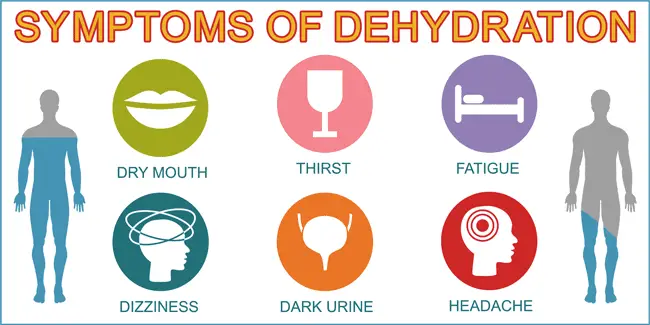
Dehydration could also be a factor. If you’re not drinking enough water during the day, your body might trick you into craving salty foods like pretzels since sodium helps retain fluids. It’s a clever signal, though it often sends us toward snacks rather than a glass of water.
Picture this—it’s a busy afternoon, and you’ve barely sipped your water bottle all day. Suddenly, the salty allure of pretzels feels irresistible.
Before giving in completely, could you try drinking a full glass of water and seeing if it helps? A simple journaling exercise can bring this awareness into focus.
Write down how much water you drink daily and note any signs of thirst before the cravings hit. Sometimes, tuning in to your body’s needs can guide you toward hydration rather than a bag of pretzels.
Journaling Prompt #2: Before reaching for salty snacks, jot down how much water you’ve had today. Did you feel thirsty or dry beforehand?
#3. Stress and Emotional Triggers
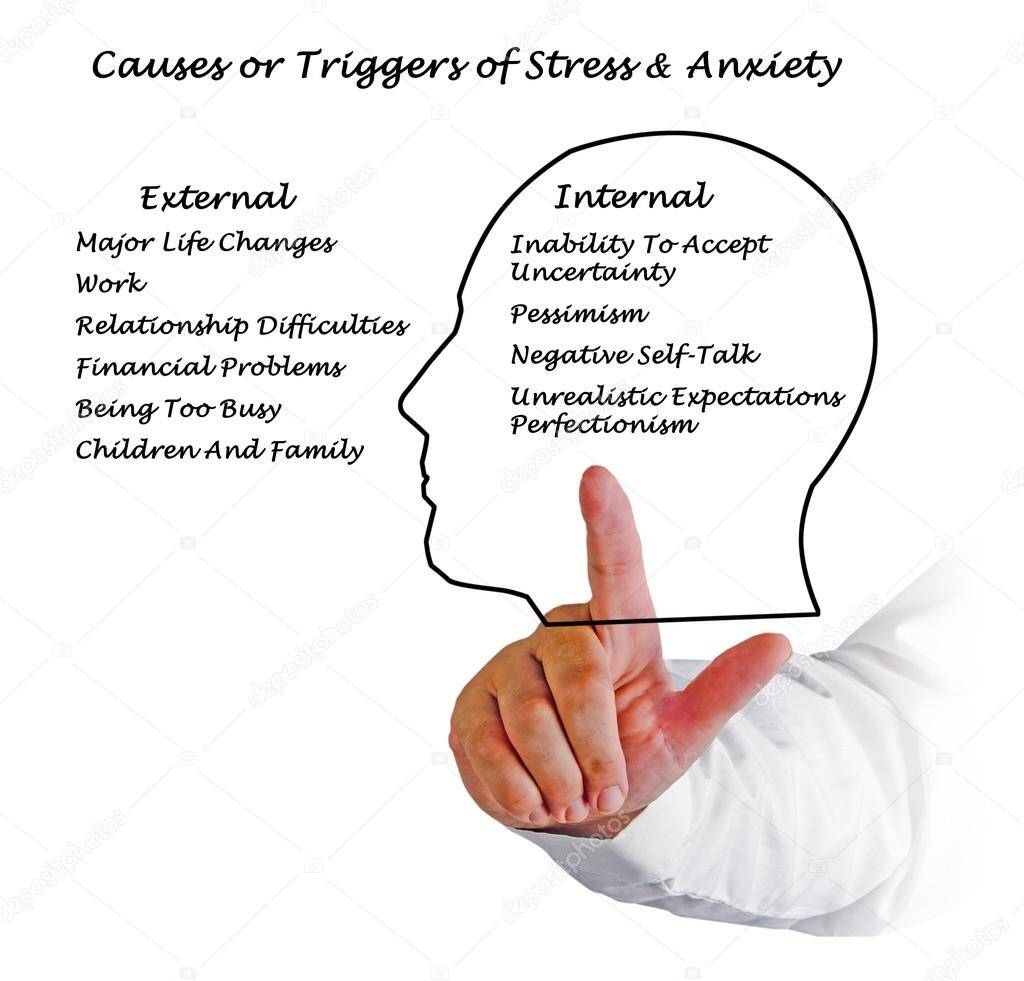
Stress is another sneaky culprit behind cravings. When you’re feeling overwhelmed, your brain craves comfort foods that provide a quick hit of dopamine and relief.
For some, that comfort comes from crunching, which releases tension as you chew. Pretzels, with their satisfying crunch and salty burst, can feel like a relief valve when your emotions are running high.
Can you recall the last time you craved pretzels? Was it after a challenging meeting or a particularly frustrating moment? Journaling can help clarify this.
Reflect on your mood or stress level the last time this craving hit. By naming the trigger, you can choose a different response—maybe a quick walk, some deep breathing, or even writing about what made you feel stressed instead of mindlessly crunching your way through a bag.
Journaling Prompt #3: What mood were you in the last time you craved pretzels? Were there specific frustrations, anxieties, or situations leading up to it?
#4. Habitual Patterns and Convenience
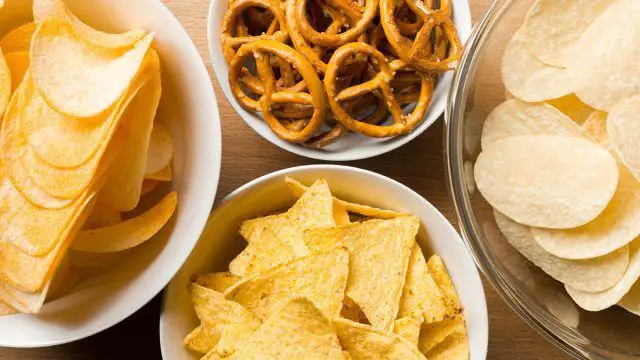
Sometimes, cravings aren’t about the pretzels but the routine surrounding them. Are pretzels your go-to snack during a Netflix binge or a mid-afternoon work slump? Over time, these habits can become deeply ingrained, and your craving might be tied more to the situation than the snack.
Reflect on those moments when pretzels seem to call your name. Are you hungry, or is it more about habit and convenience? Pretzels may seem like the easiest option.
Take a moment to journal about when and where these cravings usually pop up. Could you break the cycle with healthier substitutes like crispy roasted chickpeas or sliced veggies with hummus? Sometimes, addressing the habit head-on can be as powerful as addressing the craving.
Journaling Prompt #4: Write about the times and places where pretzel cravings hit you. Are they linked to specific activities, routines, or moments?
#5. Low Blood Sugar or Quick Energy Fix
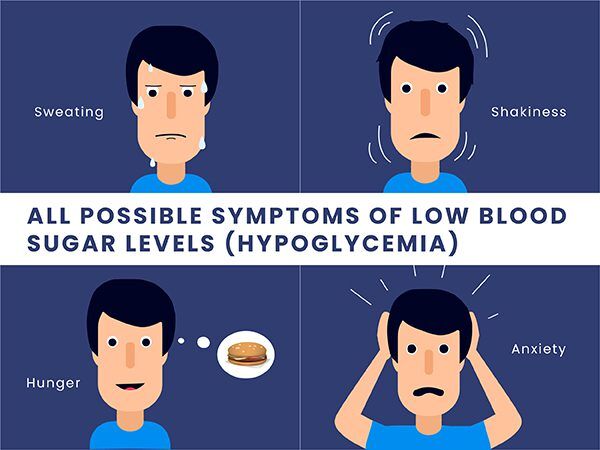
Your pretzel craving might also be tied to low blood sugar. When you’ve gone too long without eating or skipped a meal, your body craves quick energy to prevent a crash.
Pretzels, as a refined carbohydrate, can provide an immediate boost, making them an easy option when your energy levels plummet.
Consider whether your cravings often hit when your last meal was hours ago or when you’ve been unusually busy.
Instead of reaching for just pretzels, try balancing them with a protein-rich dip like hummus or nut butter. Pairing carbs with a stable protein source helps sustain energy longer and prevents the cycle of spikes and crashes.
Journaling Prompt #5: Track your mealtimes and energy levels over the past few days. Did you experience significant drops between meals?
10 Fun Facts About Cravings for Pretzels

- Origins in Blessings
Did you know that pretzels might snack on more than just hunger? Legend says these twisted treats trace back to 7th-century European monks, who shaped them to resemble arms crossed in prayer. Craving pretzels could be your subconscious seeking comfort or connection. - Salt Satisfaction
Pretzels are famously salty and for a good reason. Your body craves sodium to maintain hydration and balance electrolytes, especially after sweating. That salty crunch might be your body asking for a quick fix. - Stress and the Crunch Factor
The satisfying crunch of a pretzel isn’t just fun—it’s therapeutic. Studies show that crunching can relieve stress and channel pent-up energy. No wonder we reach for them during deadline season! - Twist of Fortune
Pretzels have a history of “good fortune.” They were often hidden in Easter eggs in Europe to signal prosperity. Maybe your pretzel craving is your little lucky charm calling for attention. - Snack of the Stars
Pretzels were once the snack of kings. Before they became a beloved bar treat, medieval nobility considered pretzels a luxury item. Your craving might be connecting you with its regal history.
How Cravings and Binge-Eating Disorder are Connected
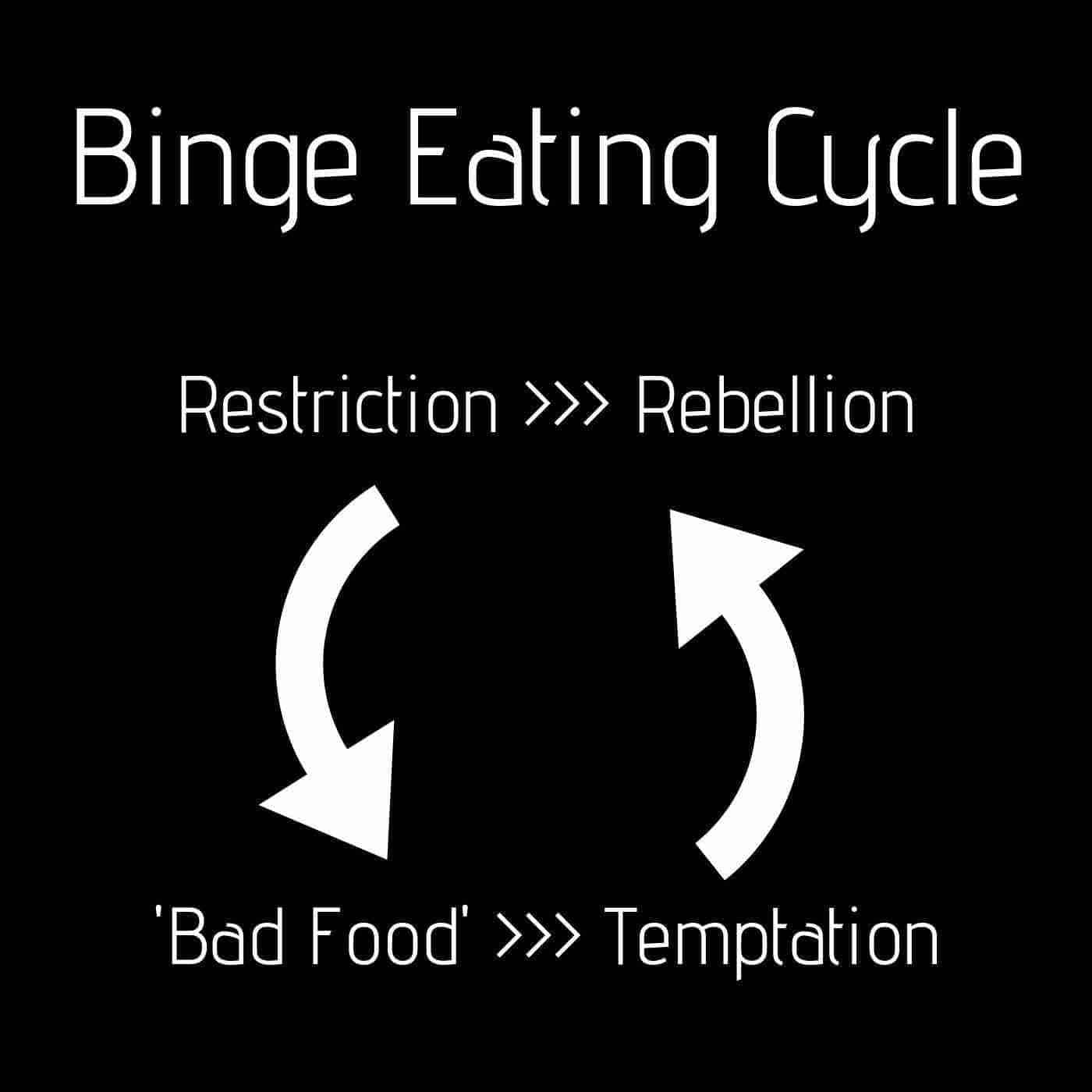
Do you often crave certain foods, like salty pretzels, to the point where it feels impossible to resist? Cravings can sometimes be a more profound signal tied to our habits or emotional well-being. Recurrent or intense cravings might even point to a pattern like the binge-diet cycle.
This cycle often starts with restriction—maybe it’s cutting out carbs or heavily limiting snacks. Over time, as the deprivation grows, cravings become stronger until you find yourself bingeing on those “forbidden” foods.
Afterward, feelings of guilt and shame take over, leading to more dieting, and so the cycle repeats. Cravings for pretzels might stem from this loop, satisfying a mix of emotional and physical needs, whether finding quick comfort or replenishing energy after restriction. Breaking this cycle requires understanding its roots and finding sustainable tools to create balance.
Breaking the Cycle with the Eating Enlightenment 3-Step Process
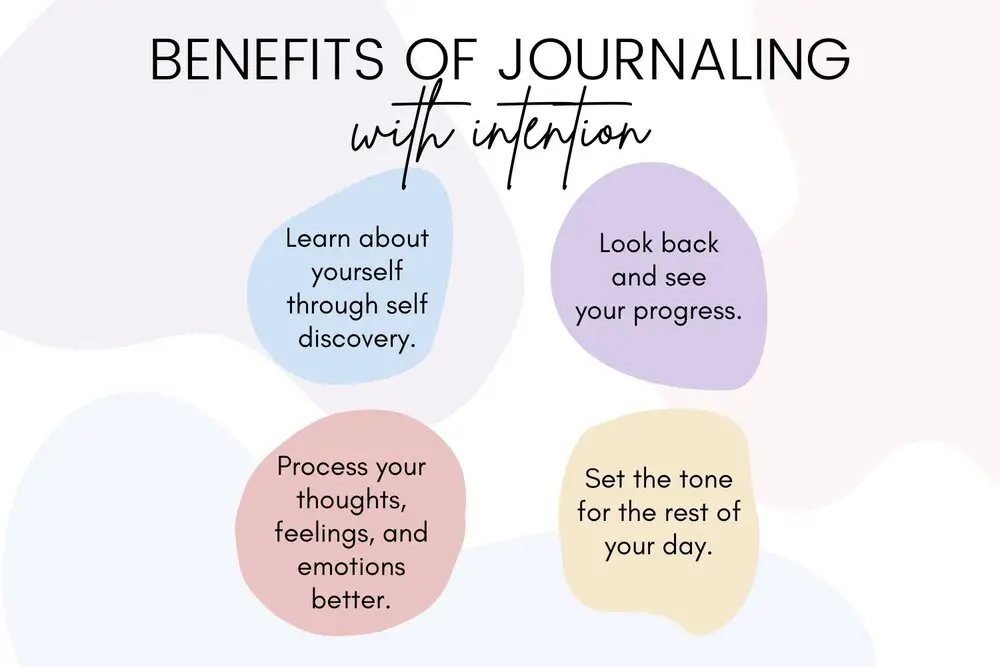
Step 1 – Nutritional Journaling
Cravings often have physical triggers, like skipped meals or blood sugar dips. Stabilizing your nutrition is essential. Start a simple journal to track what and when you eat, focusing on meals that leave you feeling satisfied and balanced.
For example, note how adding healthy proteins and complex carbs to lunch reduces midafternoon pretzel cravings. As part of this step, reflect on questions like, “Which meals keep me full and energized?”
Step 2 – Mindfulness via Triggers Journaling
Once nutrition stabilizes, journaling can help you identify emotional and situational triggers for cravings.
If you crave pretzels, pause and ask yourself, “What just happened?” or “How am I feeling right now?” You might realize that stress from a hectic workday or a need for comfort drives you to reach for food. This mindfulness practice builds awareness, giving you space to respond differently.
Step 3 – Exploring Inner Parts
Finally, dig deeper into what your cravings might signify emotionally. If your craving for pretzels had a voice, what would it say? Perhaps it reflects a longing for calm or a way to soothe discomfort.
Journaling about these inner “voices” can help uncover what your emotional self truly needs and guide you toward healing those deeper roots of bingeing.
This three-step process provides tools to address cravings holistically: nourish your body, explore triggers, and heal emotional patterns. Whether your cravings are occasional or habitual, the path forward starts with curiosity and self-compassion.
What do your cravings reveal about you? Share your thoughts or journal today to build a deeper connection with your food and yourself.
Tips for Managing Pretzel Cravings

- Offer actionable strategies for readers to replace pretzels while honoring their cravings.
- Hydrate first and reach for naturally salty, whole-food alternatives like roasted seaweed, veggie chips, or popcorn with olive oil.
- Focus on balanced meals with healthy fats, proteins, and whole grains to reduce blood sugar fluctuations.
- Practice mindful eating—intentionally slow down, savor, and portion out snacks.
Closing Thoughts

Cravings, like the pull towards salty pretzels, are more than just random impulses—they are messengers from your body, signaling deeper needs.
Whether tied to hydration, nutritional imbalances, stress, or emotional patterns, understanding these cravings provides an opportunity to reconnect with your body and address what it truly needs.
The next time that familiar pretzel craving strikes, take a moment to pause and reflect. Could it be your body asking for balance, comfort, or nourishment? By shifting your approach from judgment to curiosity, you open the door to a healthier and more compassionate relationship with food.
The Eating Enlightenment Journal App is an invaluable tool for this journey. Its features help you log meals, track emotional triggers, and explore deeper patterns, empowering you to uncover the root causes of your cravings.
By integrating mindful journaling into your daily routine, you’ll gain clarity, balance, and greater control over your eating habits—all while rebuilding a positive connection to food.
Don’t wait to take the first step toward understanding and honoring your cravings. Download the free Eating Enlightenment Journal App today and create a more balanced, mindful, and nourishing life. Your body—and mind—will thank you.