


Emotional eating is a common challenge that can disrupt your relationship with food and hinder your well-being. Whether it’s stress, sadness, boredom, or frustration, emotions often lead us to reach for comfort foods rather than address the root causes.
Breaking this cycle requires understanding the triggers behind emotional eating and adopting strategies to regain control.
In this post, we’ll explore effective methods for identifying emotional eating patterns, managing your feelings in healthier ways, and developing a mindful approach to food. By tackling the emotional roots of eating, you can build habits that support your mental and physical health.
The Psychology Behind Emotional Eating

Emotional eating occurs when individuals use food to cope with emotions rather than to satisfy physical hunger. It’s rooted in complex psychological mechanisms that link emotions, stress, and eating behaviors. Understanding these dynamics can help break the cycle and establish healthier habits.
- Emotions as Triggers
Emotional eating is often driven by negative emotions such as stress, sadness, boredom, or loneliness. These feelings can create a sense of discomfort, leading individuals to seek solace in food, which offers temporary relief. Conversely, even positive emotions like celebrations can encourage overeating, reinforcing food as a reward.
2. The Brain’s Role
When stressed or upset, the brain releases cortisol, a hormone associated with the fight-or-flight response. Elevated cortisol levels can increase cravings for high-fat, high-sugar foods, which provide quick energy and comfort. This creates a feedback loop, as these foods can momentarily elevate mood by releasing dopamine, the “feel-good” neurotransmitter.
3. Learned Behaviors
Emotional eating can stem from learned behaviors developed during childhood. For example:
- Being rewarded with treats for good behavior.
- Comforting distress with food during challenging times. These patterns, repeated over time, condition the brain to associate food with emotional regulation.
4. Emotional Avoidance
Eating in response to emotions often masks more profound issues. Instead of addressing the root cause of discomfort, food becomes a distraction or numbing tool. This avoidance can exacerbate the underlying emotional struggle, creating a cycle of emotional reliance on food.
5. The Mind-Gut Connection
The gut-brain axis, a bidirectional communication system between the digestive and the brain, plays a role in emotional eating. Stress and anxiety can disrupt gut health, leading to cravings and altered eating patterns. This connection highlights how mental and physical health are deeply intertwined.
Breaking the Cycle
To stop emotional eating, it’s essential to:
- Identify Triggers: Recognize the emotions or situations that lead to overeating.
- Practice Mindfulness: Pay attention to hunger cues and distinguish emotional hunger from physical hunger.
- Find Alternatives: Replace eating with healthier coping mechanisms like journaling, exercising, or meditating.
- Address the Root Cause: Work through emotional challenges with therapy or counseling to reduce reliance on food for comfort.
Understanding the psychological underpinnings of emotional eating can empower individuals to regain control and develop a healthier relationship with food. Addressing the emotional and behavioral components makes it possible to build long-lasting, positive habits.
Recognizing Emotional vs. Physical Hunger

Understanding the difference between emotional hunger and physical hunger is crucial for developing a healthier relationship with food. While both lead to eating, they stem from distinct causes and manifest differently. Learning to distinguish the two can help you make more mindful eating choices and break the cycle of emotional eating.
What is Physical Hunger?
Physical hunger is the body’s natural cue and needs fuel to function. It develops gradually and is associated with physiological signals such as:
- A growling stomach.
- Low energy or fatigue.
- Difficulty concentrating.
Physical hunger is not urgent; it gives you time to decide what to eat, and you are satisfied with almost any food. Once your body receives the nutrients it needs, hunger diminishes.
What is Emotional Hunger?
Emotional hunger is driven by emotional states rather than the body’s energy needs. It often arises suddenly and feels urgent, usually linked to a desire for specific comfort foods, like sweets or chips. Emotional hunger:
- It is triggered by stress, boredom, sadness, or even happiness.
- Persists even after you’re physically complete.
- It can lead to guilt or regret after eating, especially if it involves unhealthy choices or overeating.
How to Respond to Emotional Hunger
- Pause and Reflect: Before eating, ask yourself, “Am I starving, or am I eating to cope with feelings?”
- Use a Hunger Scale: Rate your hunger on a scale of 1 to 10. Physical hunger typically falls between 3 and 7.
- Find Alternatives: Engage in non-food coping mechanisms like journaling, walking, or meditating.
- Practice Mindful Eating: Focus on the flavors, textures, and satisfaction food provides, ensuring you’re eating for nourishment, not emotions.
By becoming aware of these distinctions, you can better align your eating habits with your body’s needs and reduce reliance on food for emotional relief. Recognizing and addressing emotional hunger is a step toward building a healthier, more balanced lifestyle.
Practical Tips to Break the Cycle of Emotional Eating

Breaking the cycle of emotional eating requires a combination of self-awareness, practical strategies, and healthier coping mechanisms. The goal is to understand the triggers behind emotional eating and replace them with mindful habits that nourish both body and mind.
Identify Triggers
- Keep a Food Journal: Track what you eat, when, and why. Note your emotions at the time to uncover patterns.
- Recognize Stress Points: Identify situations or feelings that prompt emotional eating, such as work stress, relationship challenges, or boredom.
Practice Mindful Eating
- Pause Before Eating: Ask yourself, “Am I starving?” If the answer is no, explore what you’re feeling instead.
- Eat Without Distractions: Avoid eating while watching TV or scrolling on your phone. Focus on the taste, texture, and satisfaction food provides.
- Chew Slowly: Taking time to eat allows your brain to register fullness and can reduce overeating.
Build Healthy Alternatives
- Physical Activity: To manage stress and release endorphins, take a quick workout, do yoga, or even go for a brisk walk.
- Relaxation Techniques: Practice deep breathing, meditation, or progressive muscle relaxation to calm your mind and body.
- Creative Outlets: Redirect emotions into activities like journaling, painting, or playing music.
Strengthen Emotional Resilience
- Therapeutic Support: Work with a therapist to address underlying emotions and develop coping strategies. Cognitive Behavioral Therapy (CBT) is particularly effective for emotional eating.
- Self-Compassion: Avoid punishing yourself for emotional eating episodes. Instead, focus on progress and learning.
Develop a Balanced Eating Plan
- Eat Regularly: Skipping meals can increase hunger and encourage emotional eating. Stick to a regular meal schedule with balanced portions.
- Include Satisfying Foods: Incorporate whole grains, proteins, healthy fats, and fiber to keep you full and satisfied.
- Stay Hydrated: Thirst is often mistaken for hunger, so drink plenty of water throughout the day.
Have a Distraction Toolkit
Prepare a list of non-food activities you can turn to when emotional hunger strikes. Examples include:
- Calling a friend.
- Doing a puzzle or reading.
- Cleaning or organizing a small space.
Celebrate Progress
Acknowledge and reward yourself for small victories in breaking emotional eating patterns. Positive reinforcement helps build lasting habits.
Conclusion:
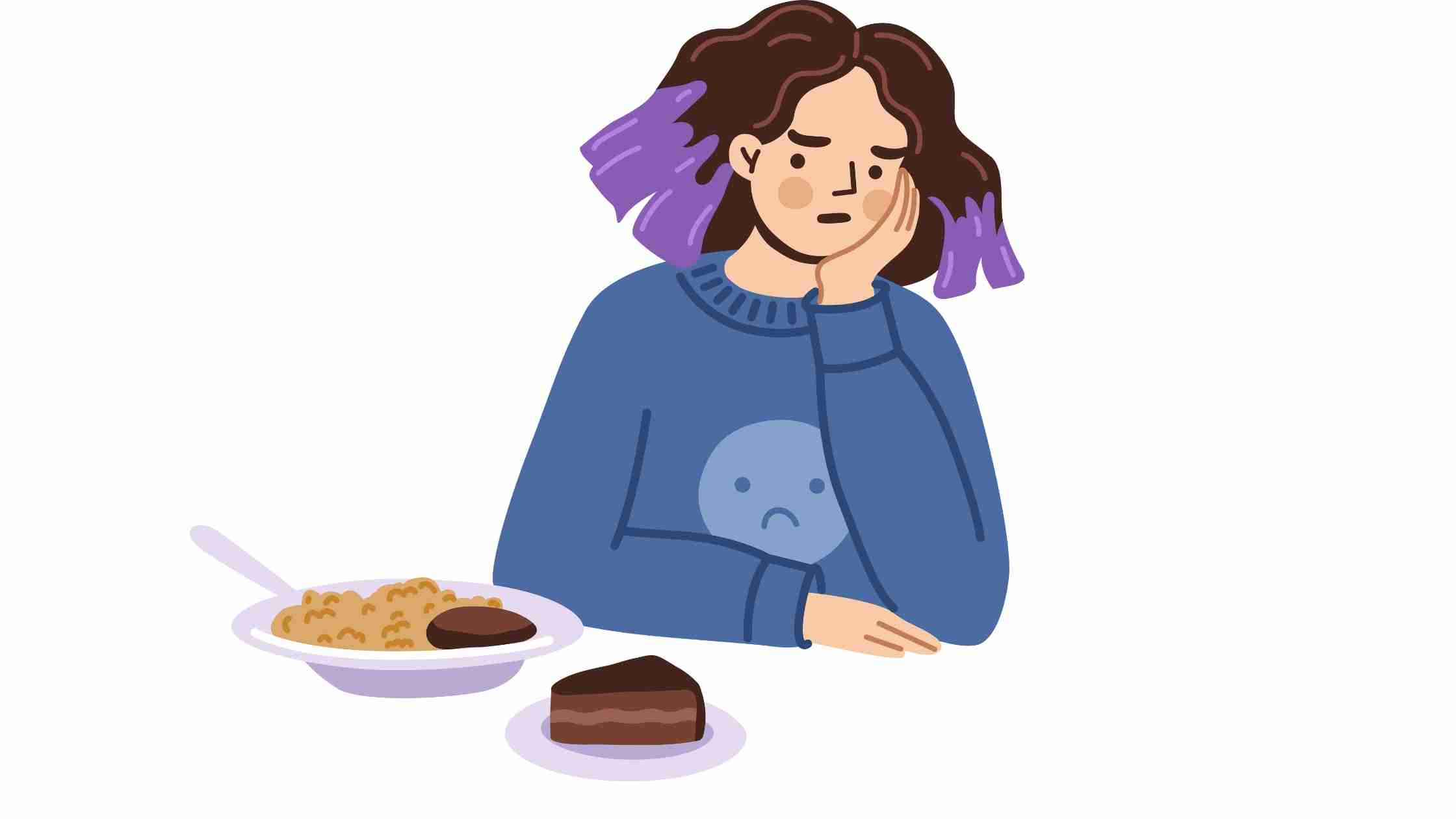
Emotional eating is a learned behavior but can be unlearned with practice, patience, and the right tools. By identifying your triggers, building healthy coping mechanisms, and practicing mindfulness, you can regain control of your eating habits and foster a healthier relationship with food.