


Potato chips, a go-to snack for many, are synonymous with being salty, crispy, and—undoubtedly—addictive. Whether it’s a quick fix during a busy day, a comfort snack in front of the TV, or a party staple, these golden chips hold a firm place in our diets.
But what makes them so irresistible, and why do we keep reaching for more?
This post will delve into the reasons behind these cravings, how to manage them, and how mindful journaling can be a powerful tool to overcome the addictive nature of potato chips.
The Science Behind Cravings
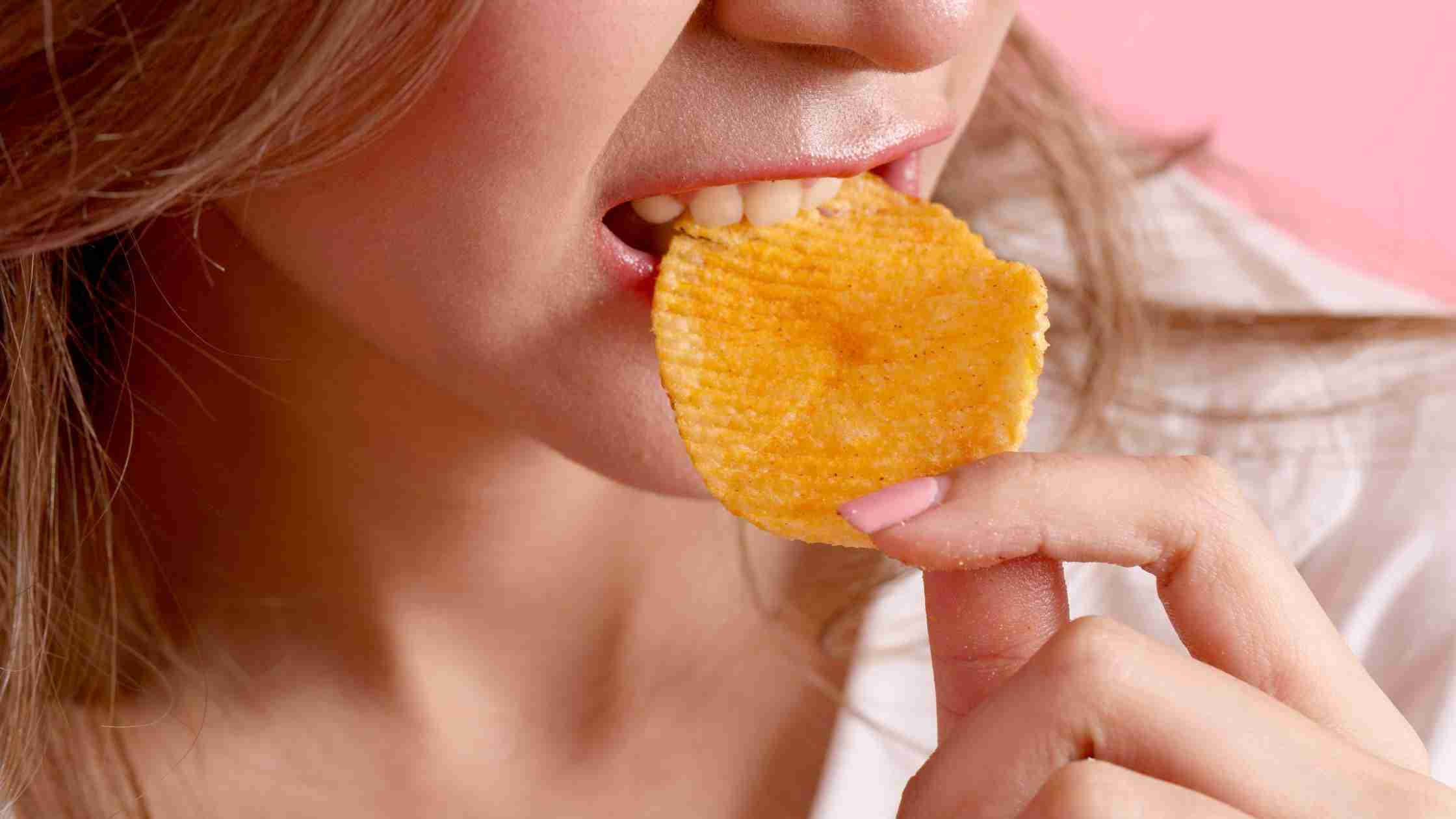
Cravings, especially for highly palatable foods like potato chips, are often driven by biological, psychological, and emotional factors.
- Salt and Fat Content
Potato chips are typically loaded with salt and fat, two components our brains are hardwired to seek. Salt activates the reward system in the brain, releasing dopamine—a neurotransmitter associated with pleasure and reward. Fat provides a smooth texture and richness that makes every bite more satisfying. Together, this combination triggers cravings that are difficult to resist.
2. Crispiness and Texture
The crunchiness of potato chips is another element that contributes to their addictive nature. Studies have shown that crispy textures can enhance the pleasure we derive from eating. The sensory experience of biting into something crunchy signals to the brain that what we eat is fresh and satisfying, reinforcing the craving.
3. Emotional Eating
For many people, the desire to eat potato chips goes beyond physical hunger. Stress, boredom, or emotional distress often drive us to seek comfort in food, particularly easily accessible snacks like chips. Eating can temporarily relieve these emotions, creating a cycle where we turn to food for comfort in times of distress.
How to Stop Potato Chip Cravings
Overcoming cravings for potato chips can be challenging but possible. Here are a few strategies that can help you manage and reduce these cravings:
- Opt for Healthier Alternatives
Swapping regular potato chips for healthier alternatives can make a significant difference. Try baked chips, air-popped popcorn, or veggie chips that offer similar satisfaction but with lower fat and sodium content. Additionally, snacking on crunchy vegetables like carrots, celery, or bell peppers can satisfy your craving for texture without the extra calories.
2. Stay Hydrated
Sometimes, what feels like a craving for salty snacks is thirst in disguise. Make sure you’re drinking enough water throughout the day. Hydration can help curb unnecessary cravings, keeping you from reaching for that bag of chips.
3. Manage Stress
Since stress often triggers cravings, it’s essential to manage stress effectively. Regular physical activity, deep breathing exercises, and meditation are excellent ways to reduce stress and, by extension, your desire for comfort food like potato chips.
4. Portion Control
If you can’t resist potato chips altogether, practice portion control. Instead of eating directly from the bag, measure a small portion to satisfy your craving without going overboard. This helps you stay mindful of how much you’re eating.
Mindful Journaling: A Tool to Combat Cravings
One powerful technique to combat cravings is mindful journaling. This practice involves writing down your thoughts, feelings, and cravings in a journal, helping you better understand the root causes of your desire for certain foods. Here’s how it can help:
- Identify Triggers
Mindful journaling can reveal patterns in your eating habits. By tracking what happens when you crave potato chips—whether it’s stress at work, boredom, or emotional distress—you can start addressing the root causes of your cravings.
2. Create a Pause
Writing about your craving creates a pause between the urge to eat and the action itself. This allows you to reflect on whether you’re starving or the craving is linked to an emotion. Delaying the impulse gives you the chance to make a more conscious decision.
3. Emotional Awareness
Potato chip cravings are often tied to emotions like frustration, loneliness, or fatigue. Mindful journaling helps you process these emotions without using food as a coping mechanism. By acknowledging and understanding your feelings, you can find healthier ways to deal with them.
4. Setting Intentions
Journaling can also help you set clear intentions about your eating habits. Writing down your goals—such as eating healthier snacks or reducing potato chip consumption—reinforces your commitment and keeps you accountable.
Are you looking to conquer your cravings and build healthier eating habits? Download the Eating Enlightenment App for easy, effective, mindful journaling. Track your emotions, understand your food triggers, and regain control of your eating habits today!
Nutritional Perspective on Potato Chips
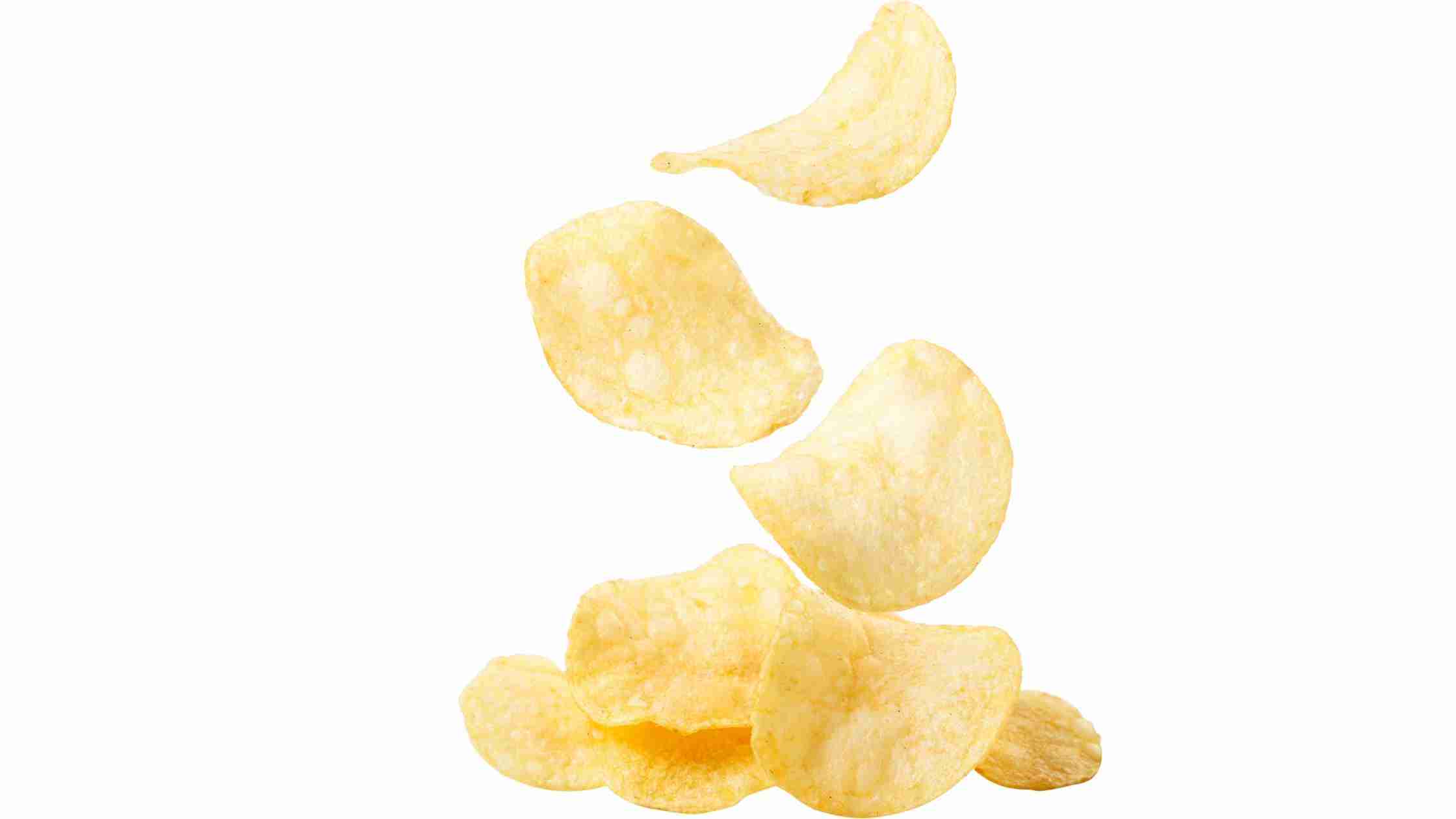
While potato chips may seem harmless as an occasional snack, their nutritional profile reveals why they should be consumed in moderation:
- High in Calories and Fat: A standard serving of potato chips (about one ounce or 15-20 chips) contains roughly 150 calories, 10 grams of fat, and about 150 milligrams of sodium.
- Low in Nutritional Value: Chips are often made from refined potatoes and lack fiber, vitamins, and minerals essential for a healthy diet.
- Potential Health Risks: Regular consumption of high-fat, high-sodium snacks can contribute to weight gain, high blood pressure, and other health issues such as cardiovascular disease.
Healing Trauma and Emotional Eating
While potato chips themselves are not the root cause of emotional eating, unresolved trauma can often manifest in unhealthy food choices.
Emotional eating, including cravings for snacks like potato chips, can be a way to soothe complicated feelings associated with past experiences. Healing from trauma often involves recognizing emotional patterns and addressing them through therapy, support, and self-care practices.
Mindful eating and journaling are gentle steps towards healing, helping individuals gain control over their food choices while processing emotional triggers. Though it may seem like a small step, managing cravings and understanding the deeper emotional connections to food can play a significant role in trauma recovery.
Struggling with food addiction or restrictive eating patterns? The Eating Enlightenment Course is designed to help you break free from unhealthy habits and find balance. Learn how to manage cravings, overcome restrictions, and develop a healthier relationship with food. Get the course today and start your journey toward mindful eating!
Final Thoughts
Potato chips may be salty, crispy, and incredibly tempting, but understanding the factors behind the cravings can empower you to make healthier choices.
Whether opting for healthier alternatives, practicing portion control, or turning to mindful journaling, numerous ways exist to overcome these cravings.
By addressing the physical and emotional reasons you crave potato chips, you can create a healthier relationship with food and perhaps even break the addictive cycle for good.