

In today’s health-conscious world, individuals are constantly seeking the best dietary options to support their well-being.
One intriguing question that often arises, especially for those focused on heart health, is: just how much cholesterol is in a chicken breast?
This blog post delves into this fascinating topic, unraveling the nutritional mysteries of one of the most popular protein sources.
By the end, you’ll have the crucial information needed to make informed and heart-healthy dietary choices. Join us as we explore the surprising details and uncover what lies beneath the surface of your favorite chicken dish.
What is Cholesterol and Why Does it Matter?

Cholesterol is a type of lipid that your body needs to build cells and produce certain hormones. There are two types of cholesterol—LDL (low-density lipoprotein) and HDL (high-density lipoprotein).
LDL is often referred to as “bad” cholesterol because high levels can lead to plaque buildup in your arteries, increasing the risk of heart disease. HDL, on the other hand, is considered “good” cholesterol as it helps remove LDL from the bloodstream.
Understanding cholesterol and its impact on your health is crucial. Many people think of cholesterol as inherently bad, but it’s all about balance. Knowing how much cholesterol is in the foods you eat can help you maintain this balance.
Is chicken breast dangerous for high cholesterol?
Chicken breast can be a healthy option for individuals with high cholesterol, as it is lean and contains less saturated fat compared to other cuts of meat.
However, it’s essential to prepare it in a heart-healthy way. Opt for grilling, baking, or steaming instead of frying, and avoid adding excessive salt or high-fat sauces.
What is the amount of cholesterol in one cooked chicken breast?
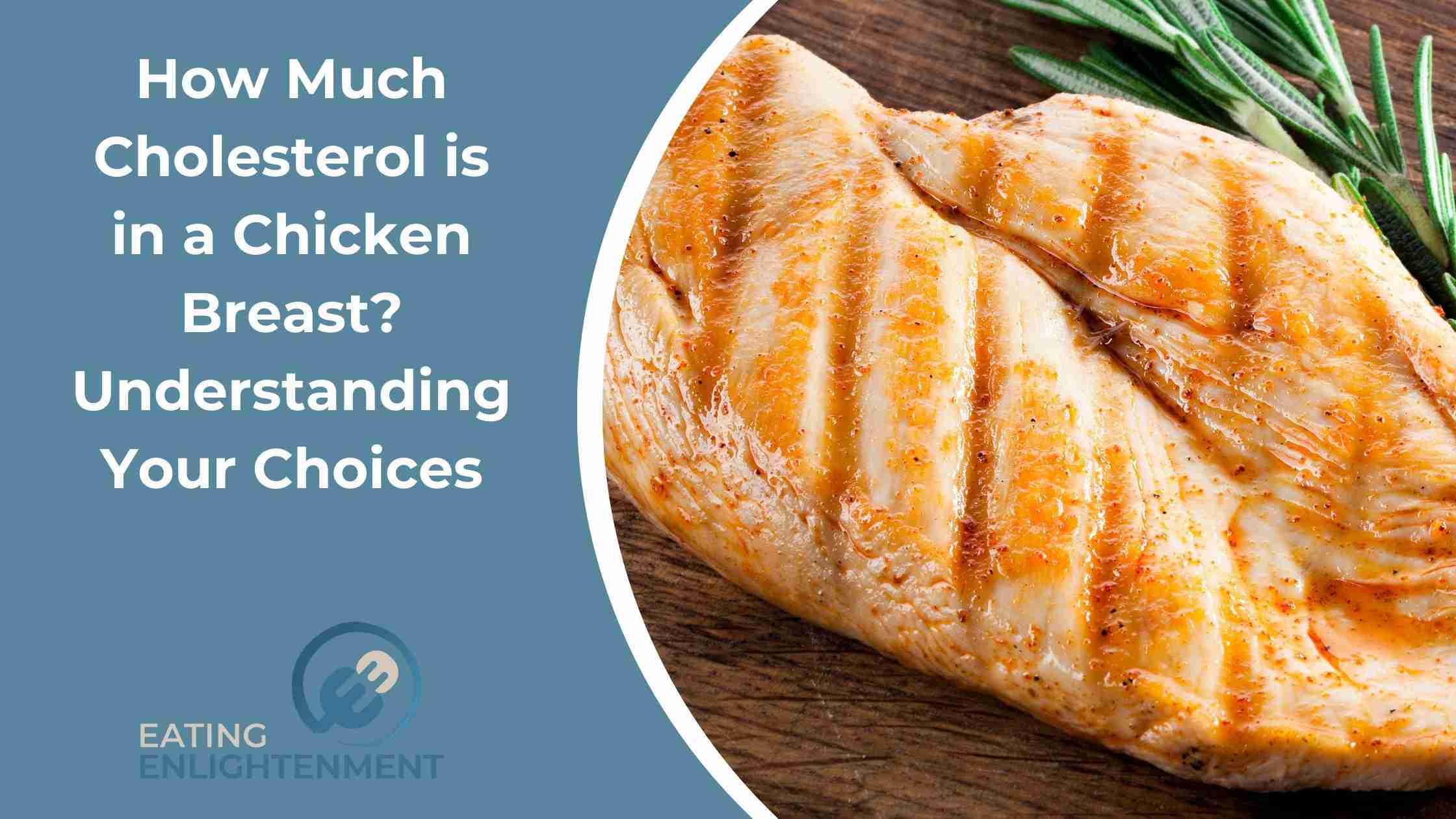
One cooked, skinless chicken breast contains approximately 85 milligrams of cholesterol. This makes it a relatively low-cholesterol option for those looking to maintain a heart-healthy diet.
Remember, it’s important to balance your intake with other nutrient-rich foods to support overall well-being.
Beef vs. chicken breast cholesterol
Chicken breast generally contains less cholesterol compared to beef. A cooked, skinless chicken breast has about 85 milligrams of cholesterol per serving, while a comparable serving of beef can range from 90 to 110 milligrams, depending on the cut.
Choosing chicken breast over beef can be a heart-healthier option, especially when prepared in a way that minimizes added fats and sodium.
Chicken Breast as a Lean Protein Choice

Chicken breast is often recommended as a lean protein source, especially for those looking to maintain or lose weight. It’s low in fat and high in protein, making it an ideal choice for many diets. However, understanding its cholesterol content is essential for those monitoring their heart health.
A typical serving of chicken breast (about 3.5 ounces or 100 grams) contains approximately 85 milligrams of cholesterol. While this may seem high, it’s important to consider the overall nutritional profile of the chicken breast.
Comparing Chicken Breast to Other Proteins
When compared to other protein sources, chicken breast holds its own. For instance, a similar serving of beef can contain up to 90 milligrams of cholesterol, while pork may have around 75 milligrams. Fish, on the other hand, often has lower cholesterol levels, depending on the type.
Knowing these comparisons can help you make better dietary choices. While chicken breast does contain cholesterol, it is still a leaner option compared to other meats, especially when considering its lower fat content.
The Role of Cooking Methods
How you cook your chicken breast can also impact its cholesterol content. Grilling, baking, or steaming are healthier cooking methods that do not add extra fat. Frying or using heavy sauces can increase your meal’s overall fat and cholesterol content.
It’s essential to choose cooking methods that align with your health goals. Opting for healthier cooking techniques can help you enjoy chicken breast without compromising your dietary needs.
ALSO READ – Why Do I Crave Chicken? Top 4 Reasons
The Benefits of Chicken Breast
Despite its cholesterol content, chicken breast offers numerous health benefits. It’s an excellent source of lean protein, which is essential for muscle repair and growth. Additionally, it provides important vitamins and minerals such as B vitamins, phosphorus, and selenium.
Including chicken breast in your diet can support overall health and wellness. The key is moderation and balance, ensuring you get the nutrients you need without exceeding your daily cholesterol intake.
Understanding Daily Cholesterol Intake
The American Heart Association recommends that individuals limit their cholesterol intake to less than 300 milligrams per day. For those with heart disease or high cholesterol levels, the recommendation is even lower—less than 200 milligrams per day.
Monitoring your cholesterol intake can help you manage your heart health effectively. Knowing how much cholesterol is in a chicken breast allows you to plan your meals accordingly.
Balancing Your Diet
A balanced diet is key to maintaining good health. While it’s important to be mindful of cholesterol intake, it’s equally important to ensure you’re getting a variety of nutrients. Incorporating a mix of lean proteins, whole grains, fruits, and vegetables can help you achieve this balance.
Chicken breast can be part of a balanced diet if consumed in moderation. Pairing it with nutrient-rich side dishes can enhance your meal’s nutritional value.
The Importance of Portion Control
Portion control plays a significant role in managing cholesterol intake. A standard serving size of chicken breast is about 3.5 ounces. Eating larger portions can quickly add up your cholesterol intake, so it’s essential to stick to recommended serving sizes.
Practicing portion control can help you enjoy your favorite foods without overindulging. It’s a simple yet effective way to maintain a healthy diet.
Meal Planning and Preparation
Meal planning can make it easier to manage your cholesterol intake. By planning your meals ahead of time, you can ensure a balanced diet that includes lean proteins like chicken breast, along with plenty of fruits and vegetables.
Effective meal planning can help you stay on track with your dietary goals. It allows you to control portions, choose healthy cooking methods, and incorporate a variety of nutritious foods into your diet.
The Holistic Approach to Wellness
Wellness is about more than just diet—it’s a holistic approach that includes physical activity, mental health, and emotional well-being. Incorporating regular exercise, stress management techniques, and self-care practices can complement your dietary efforts and support overall health.
A holistic approach to wellness can provide a more comprehensive path to health. By focusing on all aspects of well-being, you can create a balanced and fulfilling lifestyle.
Seeking Professional Guidance
If you’re concerned about your cholesterol levels or overall diet, seeking guidance from a healthcare professional or a registered dietitian can be beneficial. They can provide personalized advice and help you create a diet plan that meets your specific needs.
Professional guidance can offer valuable insights and support. It’s an investment in your health and well-being, ensuring you have the knowledge and tools to make informed decisions.
Conclusion

Understanding how much cholesterol is in a chicken breast is a step towards making informed dietary choices. While chicken breast does contain cholesterol, it’s a lean protein source that offers numerous health benefits.
By balancing your diet, practicing portion control, and adopting healthy cooking methods, you can enjoy chicken breast as part of a heart-healthy lifestyle.
Remember, wellness is a holistic journey that encompasses diet, physical activity, and mental well-being. Taking a balanced approach can help you achieve your health goals and lead a fulfilling life.
For personalized guidance and support, consider consulting with a healthcare professional. They can provide tailored advice to help you on your path to wellness.
FAQ:
What a chicken breast’s cholesterol content is?
A cooked, skinless chicken breast contains about 85 milligrams of cholesterol. It’s a lean protein choice that supports heart health when prepared in healthy ways.
How much of a grilled chicken breast contains cholesterol?
A grilled, skinless chicken breast contains about 85 milligrams of cholesterol. It offers a nutritious, lean protein source that supports heart health.
Does chicken raise cholesterol levels?
Chicken, especially when skinless and grilled, is low in saturated fat and can be part of a heart-healthy diet. It typically does not raise cholesterol levels significantly.
The amount of cholesterol found in chicken legs
A cooked chicken leg with skin contains about 93 milligrams of cholesterol. Opting for skinless can lower the cholesterol content slightly.