


Cheese is a rich, savory, and satisfying food enjoyed for centuries. Whether paired with whole-grain crackers or slices of fresh bread, cheese can be part of a healthy snack that satisfies your cravings while offering nutritional benefits.
In this blog, we’ll explore some nutritious cheese snack ideas, discuss how mindful journaling can help you manage cravings, and provide practical tips for enjoying cheese in a balanced way.
Why Choose Whole-Grain Crackers and Bread?

When pairing cheese with crackers or bread, choosing whole grains is essential for maximizing the health benefits of your snack.
Compared to their refined counterparts, whole grains contain more nutrients, such as fiber, vitamins, and minerals. They also help stabilize blood sugar levels, keep you feeling fuller longer, and support digestive health.
Whole-grain crackers and bread also provide a nutty, hearty flavor that pairs perfectly with the richness of cheese, adding texture and flavor depth to your snack.
The Nutritional Value of Cheese
While cheese often gets a bad rap for being high in fat, it’s important to note that cheese is also packed with nutrients that are beneficial for your body. Let’s break down some of the critical nutritional elements of cheese:
- Protein: Cheese is an excellent source of protein, which is essential for muscle repair, immune function, and overall health. Including protein in your snacks can also help reduce hunger and prevent overeating later in the day.
- Calcium: Cheese is one of the best dietary sources of calcium, a mineral crucial for maintaining healthy bones and teeth. A small serving of cheese can help you meet your daily calcium requirements.
- Healthy Fats: While cheese contains fats, it also includes conjugated linoleic acid (CLA), which is believed to have anti-inflammatory and heart-health benefits. However, moderation is vital, as some cheeses can be high in saturated fats.
- Vitamins: Cheese contains essential vitamins, such as vitamin A, vital for immune health and vision, and vitamin B12, which supports the nervous system.
Healthier Cheese Choices
To keep your cheese snacks on the healthier side, opt for these types of cheese:
- Low-fat cottage cheese: A great source of protein with fewer calories.
- Feta or goat cheese: These have lower fat content and a strong flavor, so a little goes a long way.
- Parmesan or Pecorino Romano: Aged cheeses are high in calcium and lower in fat than softer varieties.
- Mozzarella: Opt for fresh mozzarella, which is lower in fat and sodium than its processed counterparts.
Healthy Cheese Snack Ideas

Here are some ideas for healthy, satisfying cheese snacks featuring whole-grain crackers and bread:
Whole-grain crackers with Cottage Cheese and Cucumber
Spread low-fat cottage cheese over whole-grain crackers and top with thin cucumber slices for a refreshing, high-protein snack.
Avocado and Feta on Whole-Grain Toast
Mash avocado on a slice of whole-grain toast and sprinkle with crumbled feta cheese. This snack is rich in healthy fats, fiber, and protein and is satisfying and nutritious.
Whole-wheat pita with Hummus and Goat Cheese
Spread hummus over whole-wheat pita slices and top with a small portion of soft goat cheese. This snack combines plant-based protein from the hummus with goat cheese’s creamy, tangy flavor.
Mozzarella and Tomato on Whole-Grain Bread
Layer fresh mozzarella with tomato slices and basil leaves on whole-grain bread for a snack reminiscent of a caprese salad. Drizzle with olive oil and balsamic vinegar for extra flavor.
Almond Butter, Apple Slices, and Cheese on Crackers
Spread almond butter on whole-grain crackers, top with thin apple slices, and finish with sharp cheddar cheese. This snack provides a perfect balance of protein, healthy fats, and fiber to keep you full.
Mindful Journaling: A Tool for Managing Cheese Cravings

While cheese is delicious and nutrient-rich, it’s easy to overindulge, especially when craving it as a comfort food. Mindful journaling can be an effective tool for managing food cravings and promoting a balanced approach to eating.
How Mindful Journaling Helps with Cravings
- Increased Awareness: Mindful journaling helps you become more aware of your cravings and the emotions or situations that trigger them. For example, you can better understand your relationship with food by noting when and why you crave cheese.
- Emotional Regulation: Writing about your emotions surrounding food can help you process them without immediately giving in to cravings. If you’re craving cheese due to stress or boredom, journaling allows you to reflect on these feelings and find alternative ways to address them.
- Improved Decision-Making: Journaling can slow down impulsive eating by encouraging you to pause and think before you indulge. This process helps you make more thoughtful, informed decisions about what and how much to eat.
- Long-Term Habit Change: Over time, mindful journaling can lead to lasting changes in approaching food and cravings. You may find that your cravings become less intense, and you’re better equipped to manage them healthily.
By incorporating mindful journaling into your routine, you can enjoy cheese in moderation, savoring it as part of a healthy, balanced snack rather than overindulging in response to emotional triggers.
“Take control of your cravings and improve your relationship with food through mindful journaling. Download the Eating Enlightenment App today and start your journey toward balanced, mindful eating!”
Conclusion:
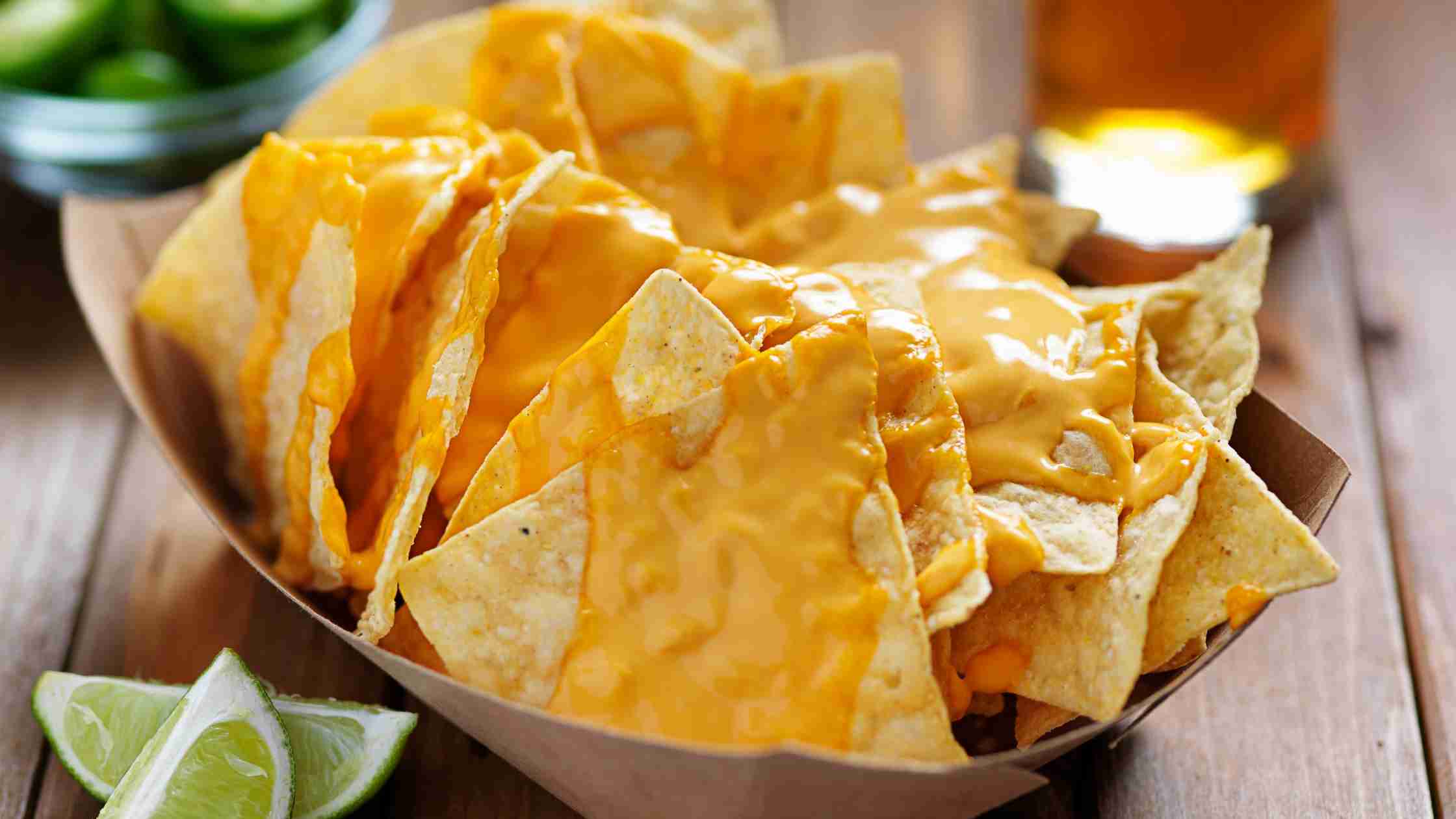
Cheese can be a nutritious and satisfying snack when enjoyed mindfully and paired with whole-grain crackers or bread.
Focusing on healthier cheese options and whole grains will treat you to a delicious snack while giving your body valuable nutrients like protein, calcium, and healthy fats.
Mindful journaling is a powerful tool for managing cravings and fostering a healthier relationship with food. By taking the time to understand your cravings and their emotional roots, you can enjoy foods like cheese in a balanced, mindful way.
FAQs:

1. Is cheese healthy to eat as a snack?
Yes, cheese can be a healthy snack when eaten in moderation and paired with nutrient-dense foods like whole-grain crackers or bread. It provides protein, calcium, and other essential nutrients.
2. What type of cheese is best for a healthy snack?
Low-fat cottage cheese, feta, goat cheese, mozzarella, and aged cheeses like Parmesan are excellent choices for a healthy snack. These options are lower in fat and provide a good balance of nutrients.
3. How does mindful journaling help manage cheese cravings?
Mindful journaling increases your awareness of cravings, helps you process emotions that trigger them, and promotes healthier decision-making. Over time, it can reduce the intensity and frequency of food cravings.
4. Can I eat cheese on a low-carb diet?
Yes, many types of cheese, such as cheddar, mozzarella, and goat cheese, are low in carbohydrates and can be enjoyed on a low-carb diet. Pair them with low-carb options like vegetables or whole-grain alternatives.
5. What are some healthy cheese pairings?
Healthy cheese pairings include whole-grain crackers, fresh vegetables, fruits like apples or grapes, and nuts. These pairings provide a balanced mix of flavors, textures, and nutrients.